
















©The Author(s) 2025.
World J Gastroenterol. Dec 14, 2025; 31(46): 113145
Published online Dec 14, 2025. doi: 10.3748/wjg.v31.i46.113145
Published online Dec 14, 2025. doi: 10.3748/wjg.v31.i46.113145
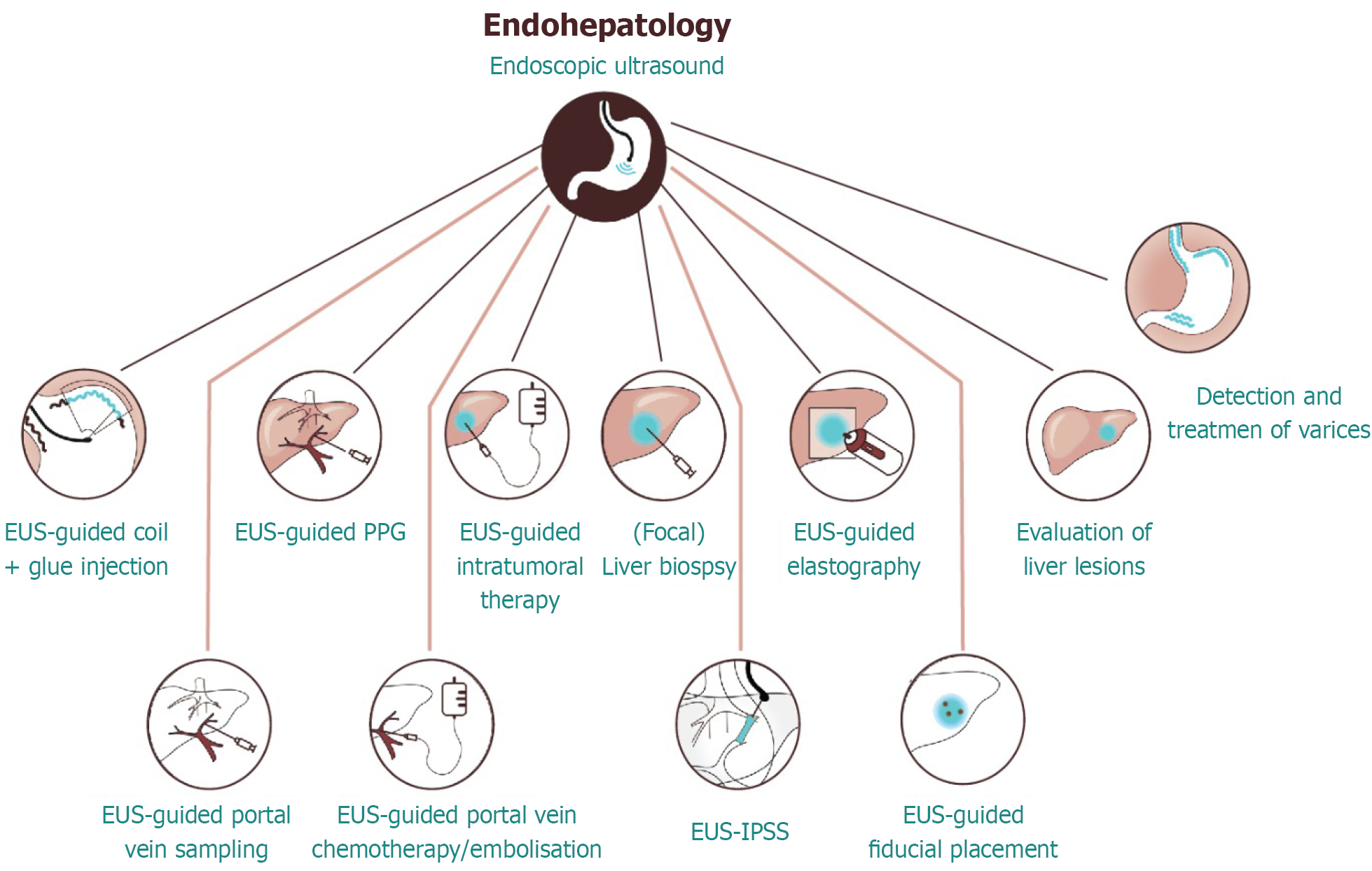
Figure 1 Endohepatology: Advanced applications of endoscopic ultrasound.
This schematic demonstrates the expanding role of endoscopic ultrasound in hepatology, referred to as endohepatology. Key diagnostic and therapeutic interventions include endoscopic ultrasound-guided liver biopsy, portal pressure gradient measurement, elastography, intratumoral therapy, portal vein sampling, and treatment of varices. These innovations bridge endoscopy with hepatology and are reshaping the clinical management of parenchymal and vascular liver diseases. EUS: Endoscopic ultrasound; PPG: Portal pressure gradient; IPSS: Intrahepatic portosystemic shunt creation.
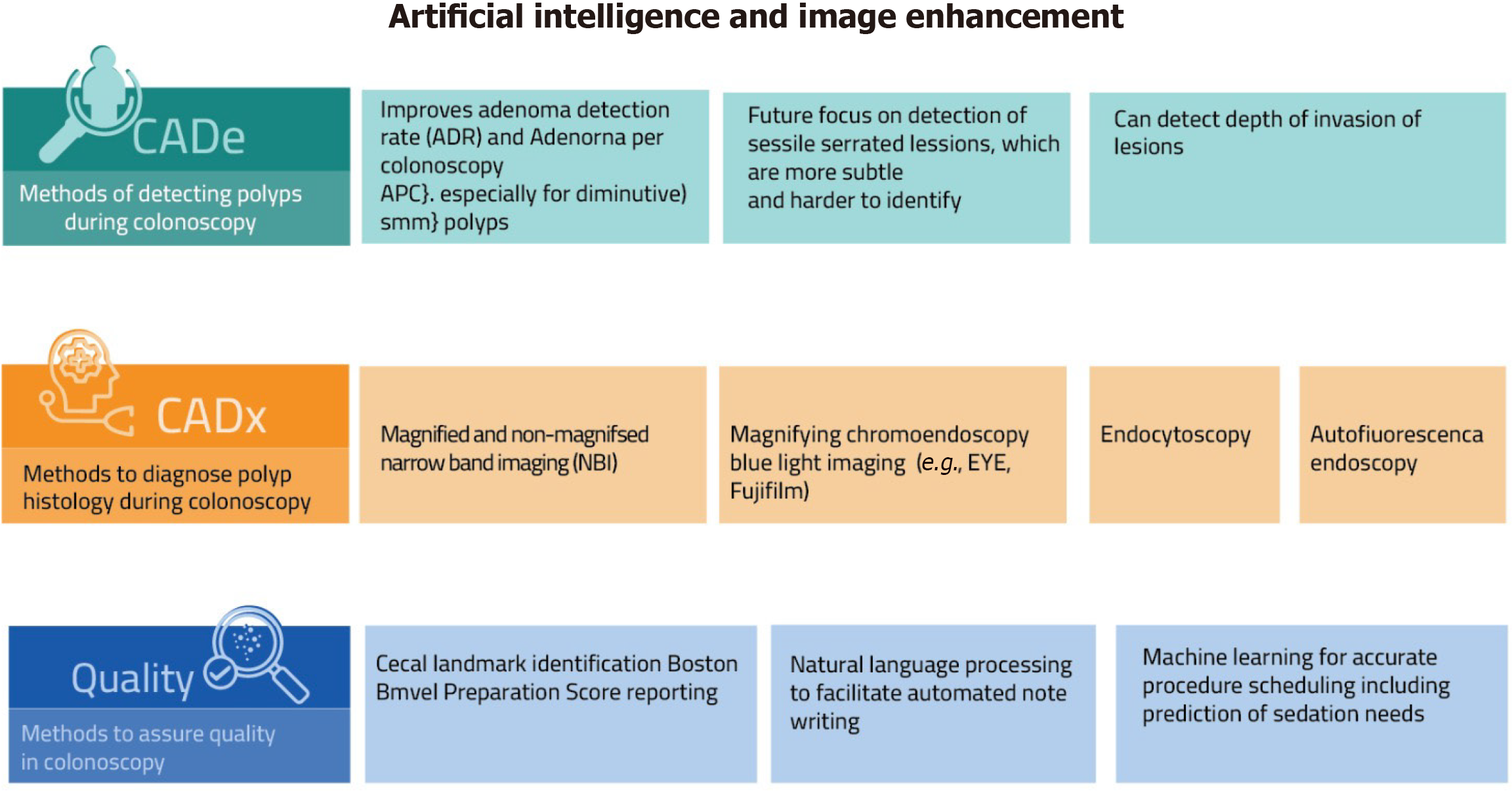
Figure 2 Artificial intelligence and image enhancement in colonoscopy.
This figure illustrates the current and emerging applications of artificial intelligence and image enhancement technologies in colonoscopy. It highlights three main domains: Computer-aided detection for polyp identification, computer-aided diagnosis for real-time histologic assessment, and quality assurance tools to improve procedural outcomes. Examples include narrow band imaging, chromoendoscopy, endocytoscopy, and machine learning for procedure scheduling. CADe: Computer-aided detection; CADx: Computer-aided diagnosis; ADR: Adenoma detection rate; APC: Adenoma per colonoscopy; NBI: Narrow band imaging.
- Citation: Abdelhamed W, El-Kassas M. Endo-hepatology: Bridging the gap between lumen and liver. World J Gastroenterol 2025; 31(46): 113145
- URL: https://www.wjgnet.com/1007-9327/full/v31/i46/113145.htm
- DOI: https://dx.doi.org/10.3748/wjg.v31.i46.113145