
















©The Author(s) 2026.
World J Clin Cases. Jan 16, 2026; 14(2): 114671
Published online Jan 16, 2026. doi: 10.12998/wjcc.v14.i2.114671
Published online Jan 16, 2026. doi: 10.12998/wjcc.v14.i2.114671
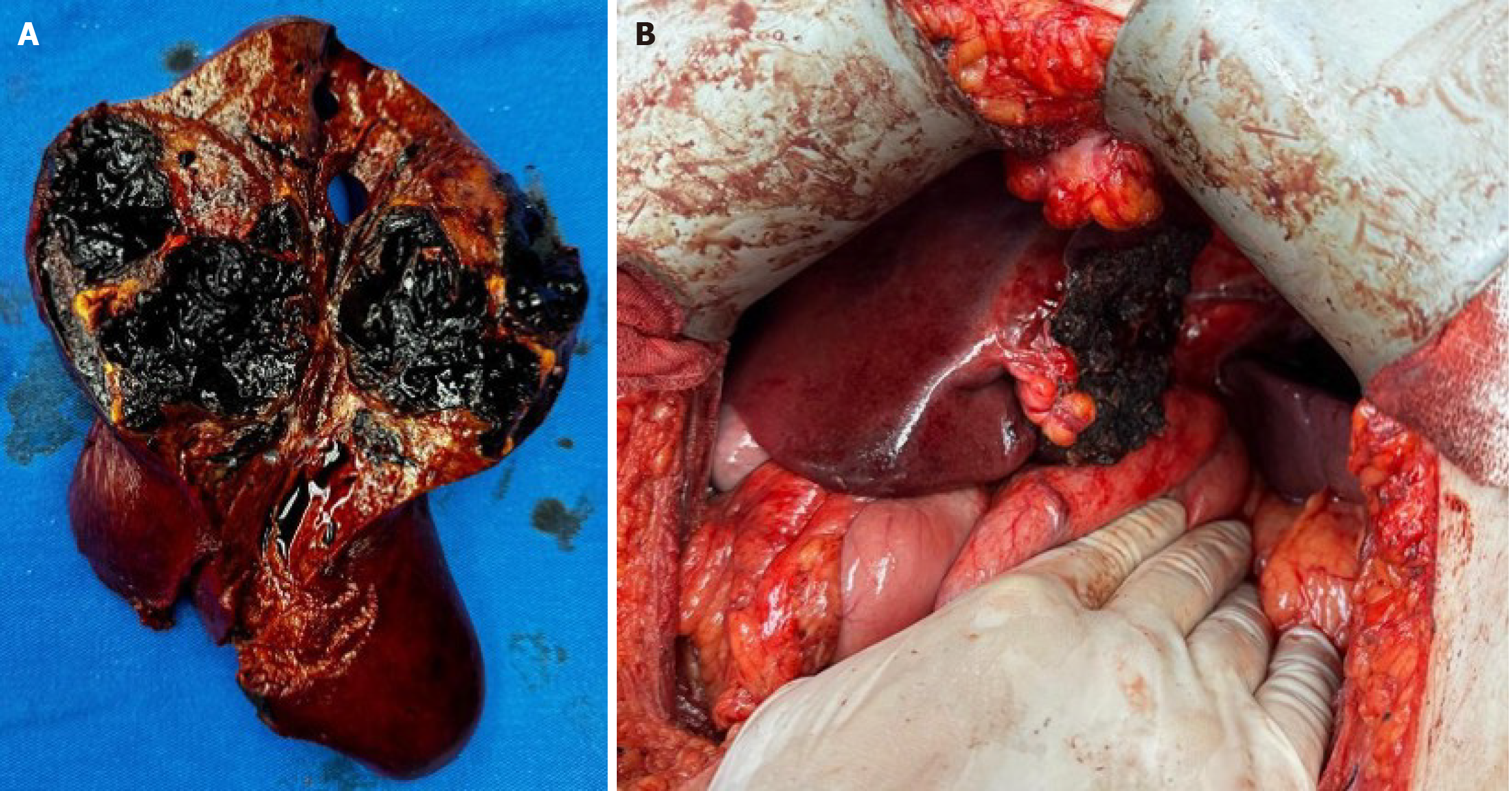
Figure 1 Imaging and macroscopic examination of the hepatic adenoma.
A: Surgical specimen showing a well-defined and partially encapsulated subcapsular lesion in the left hepatic lobe; B: Intraoperative view after resection of the hepatic lesion, showing exposure of the remaining liver parenchyma.
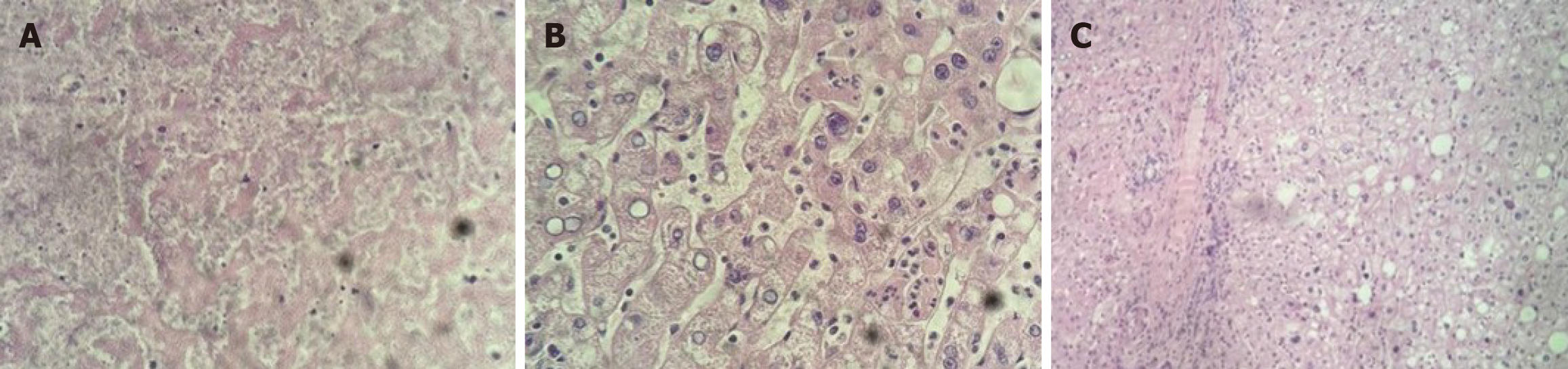
Figure 2 Histopathological and immunohistochemical examination of the resected specimen.
A: Area of coagulative necrosis within the adenoma [hematoxylin and eosin (H&E), 100 ×]; B: Higher magnification showing benign hepatocytes arranged in plates without portal tracts (H&E, 400 ×); C: Lower magnification showing preserved hepatic parenchyma adjacent to the lesion (H&E, 100 ×).
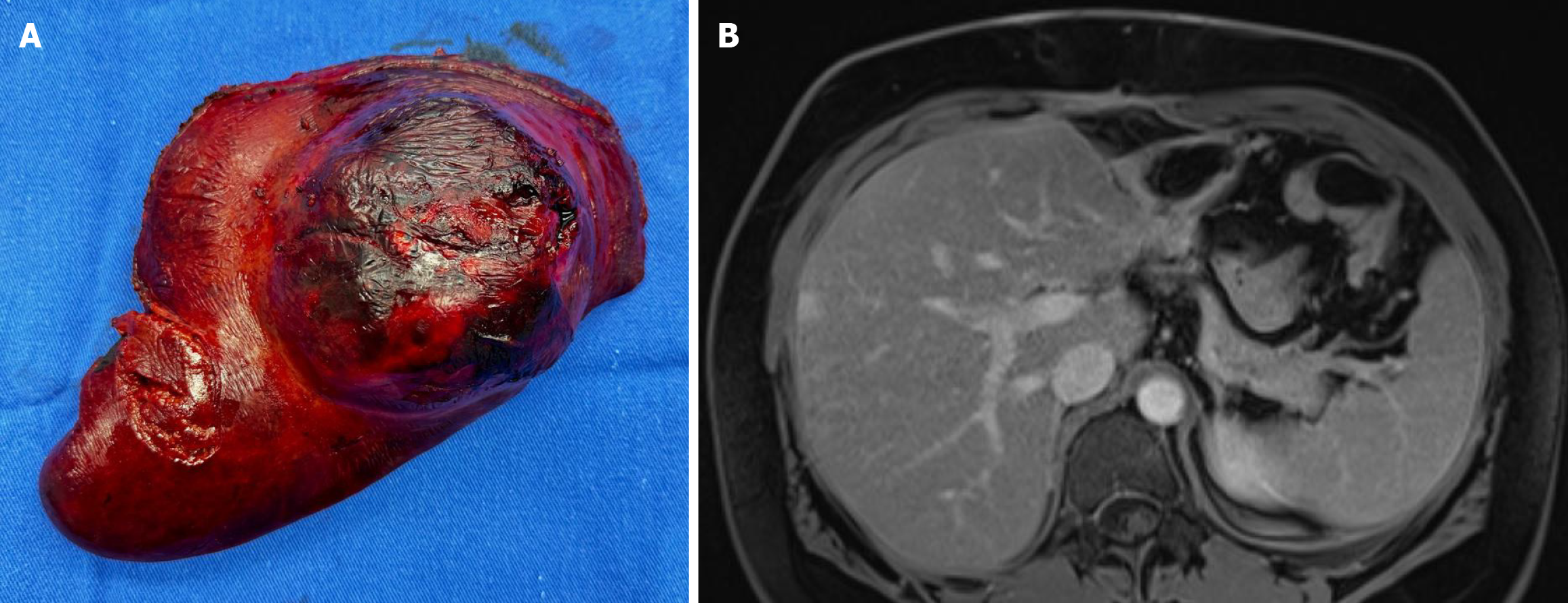
Figure 3 Evaluation of the surgical specimen and postoperative radiological monitoring.
A: Sectioned surgical specimen, demonstrating a necrotic tumor with multiple areas of hemorrhage, measuring approximately 18.5 cm × 13.9 cm × 7.5 cm; B: Postoperative abdominal magnetic resonance imaging obtained two months after surgery, showing a normal appearance of the left hepatic remnant without residual lesion.
- Citation: Pagani Junior MA, Siman Lopes L, Sergi Filho FA, Goes Scorsioni FA, Tavares Filho MB, Maluf Amaral RP, Medeiros LE, Guillen Carneiro LI, Belluzzo HG, Vinholo TR, Buchaim DV, Buchaim RL. Partial left hepatectomy in a young patient with ruptured hepatic adenoma: A case report. World J Clin Cases 2026; 14(2): 114671
- URL: https://www.wjgnet.com/2307-8960/full/v14/i2/114671.htm
- DOI: https://dx.doi.org/10.12998/wjcc.v14.i2.114671