















Copyright: ©Author(s) 2026.
World J Clin Cases. Apr 26, 2026; 14(12): 118091
Published online Apr 26, 2026. doi: 10.12998/wjcc.v14.i12.118091
Published online Apr 26, 2026. doi: 10.12998/wjcc.v14.i12.118091
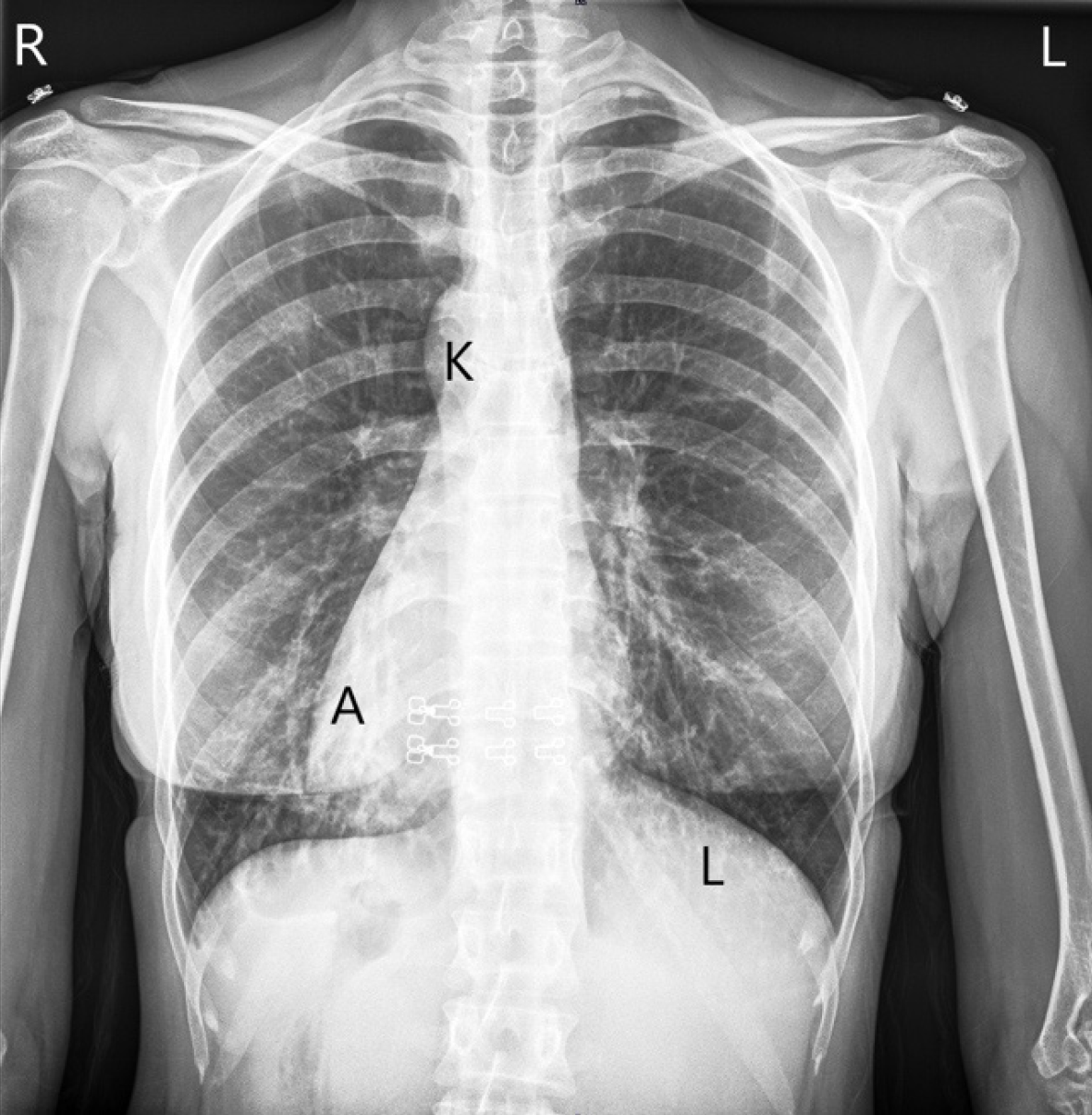
Figure 1 Chest radiograph.
The image demonstrates dextrocardia, with the cardiac apex and aortic knuckle oriented toward the right hemithorax. The liver shadow is visible in the left upper quadrant. R: Right; L: Left; K: Kerley lines; A: Airway; L: Liver.
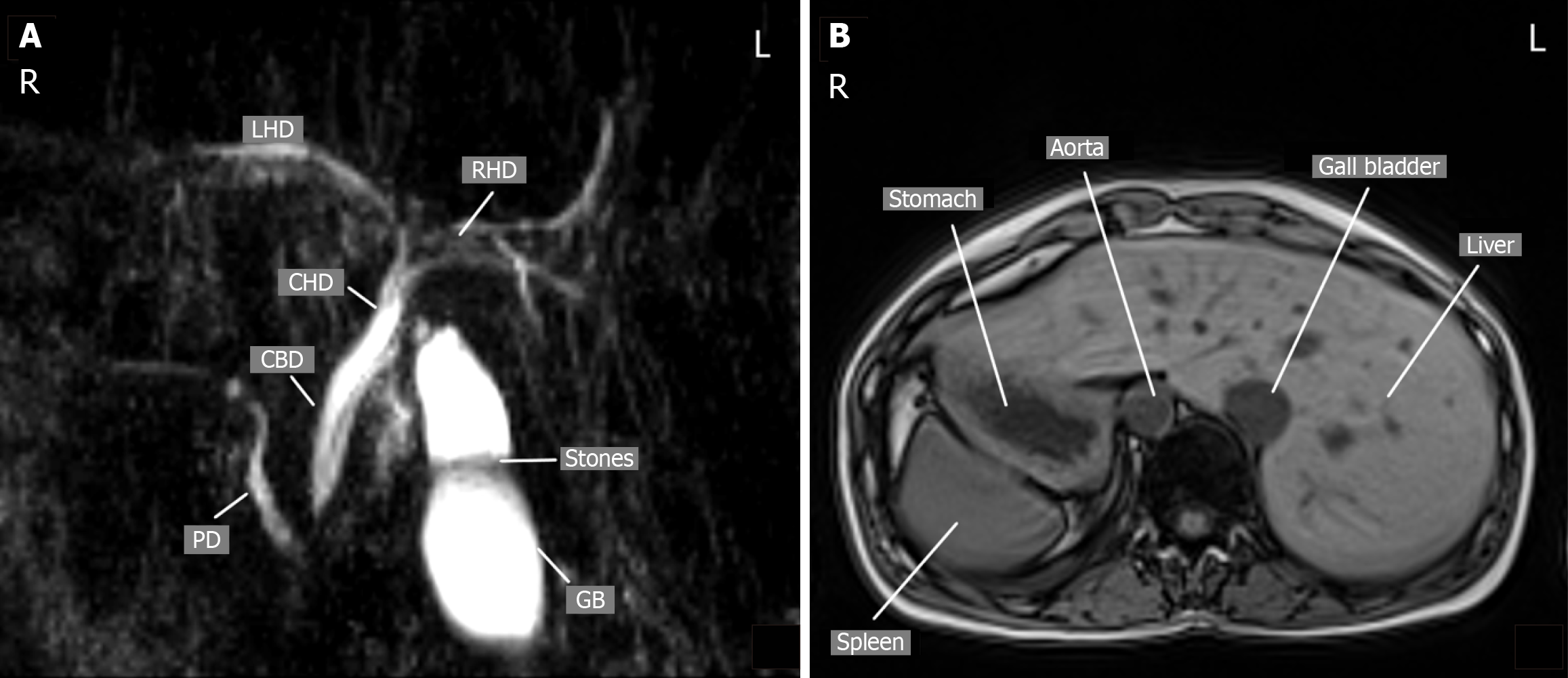
Figure 2 Magnetic resonance cholangiopancreatography findings.
A: Mirror-image biliary anatomy showing the left-sided gallbladder with gallstones, common bile duct, common hepatic duct, and pancreatic duct; B: Axial section demonstrating left-sided liver and gallbladder with the stomach and spleen positioned on the contralateral side. LHD: Left hepatic duct; RHD: Right hepatic duct; CHD: Common hepatic duct; CBD: Common bile duct; PD: Pancreatic duct; GB: Gall bladder; R/L: Right/left.
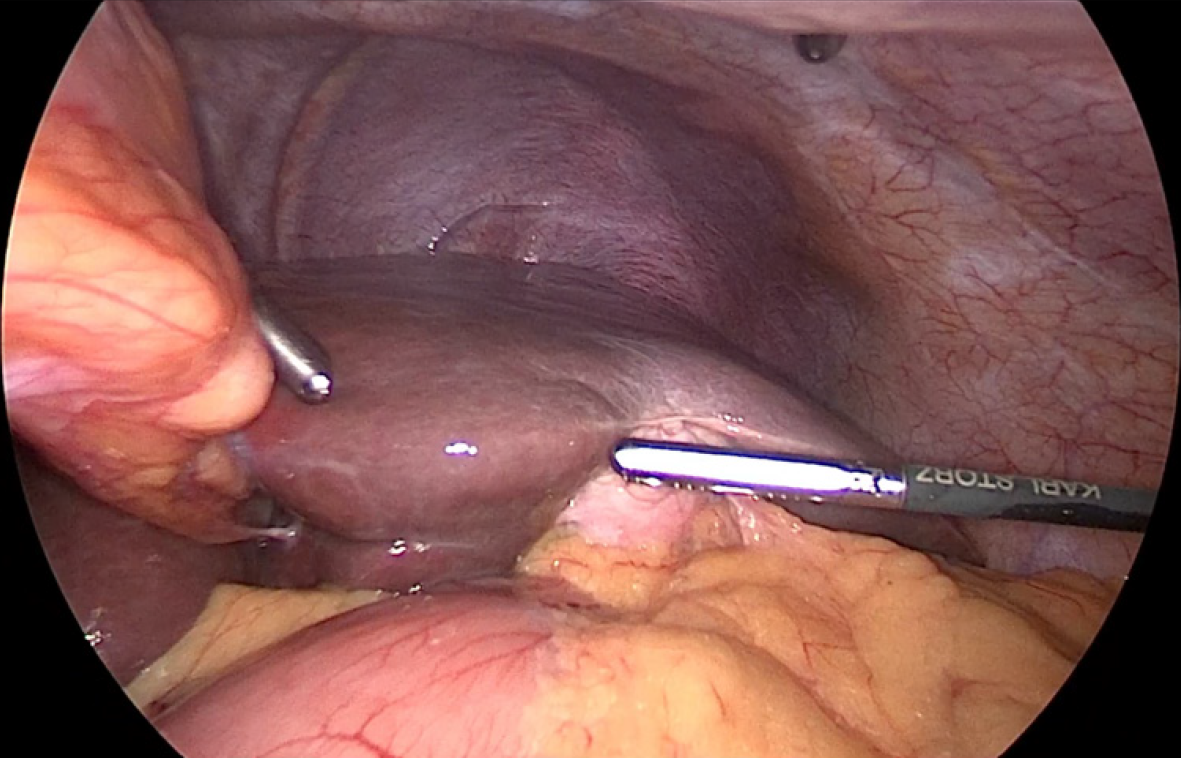
Figure 3 Intraoperative view of left-sided gallbladder.
Laparoscopic visualization of the gallbladder positioned in the left hypochondrium, grasped with an endoscopic instrument.
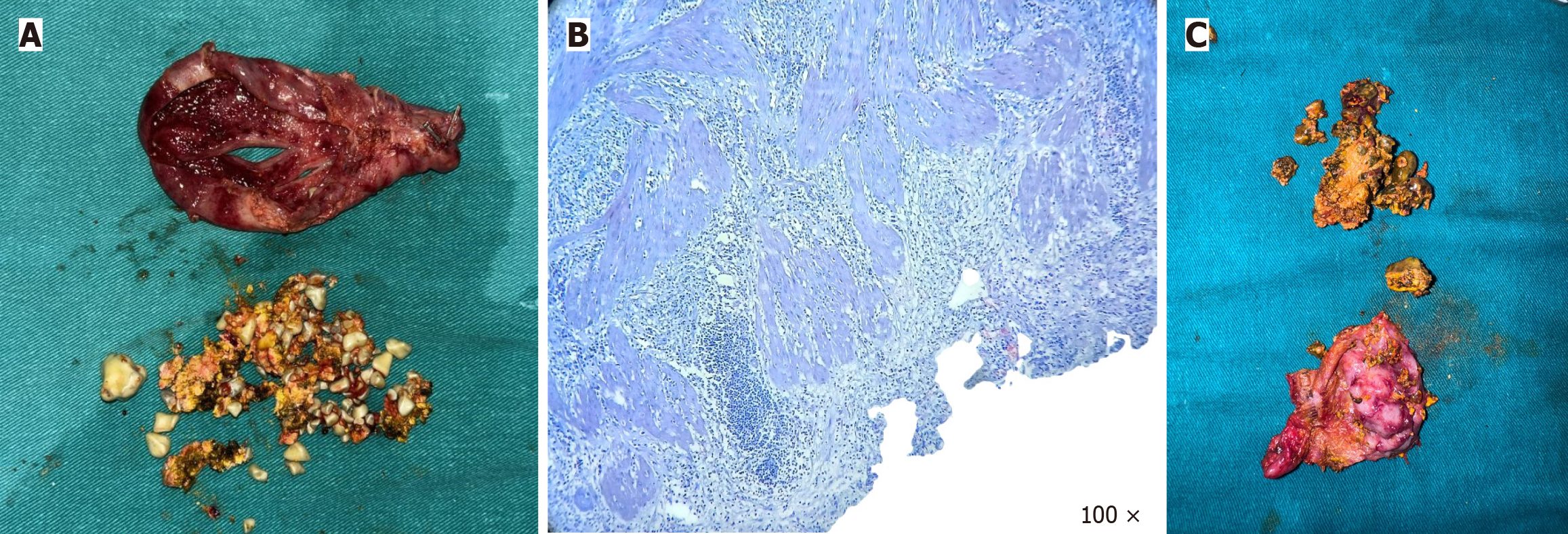
Figure 4 Gallbladder specimen examination.
A and B: Gross and histopathological findings of the gallbladder specimen. A: Gross specimen showing thickened gallbladder wall with gallstones; B: Histopathological examination (× 100 magnification) revealing epithelial denudation with lymphoid aggregates and mild chronic inflammatory infiltrate; C: Gross examination of the gallbladder specimen. Extracted specimen showing gallstones and intraluminal biliary sludge.
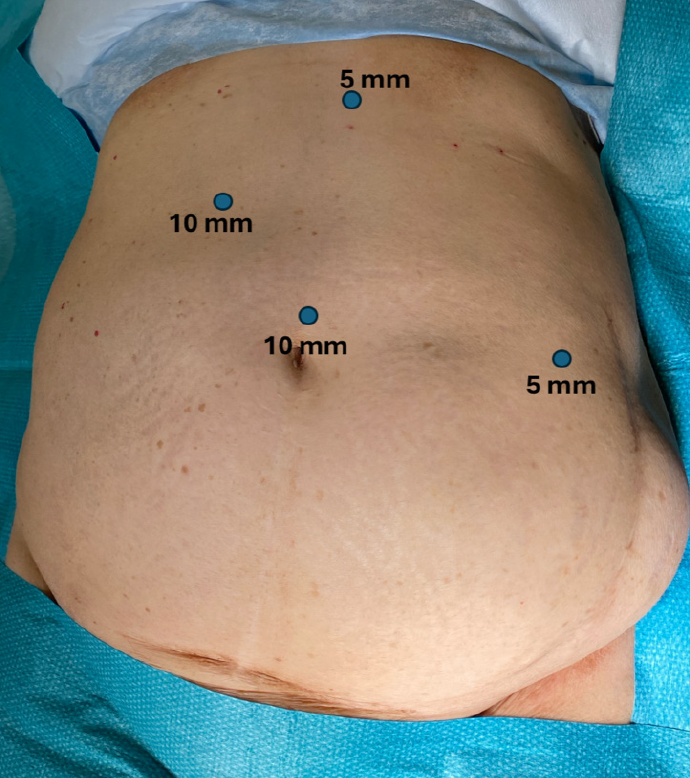
Figure 5 Mirror-image port placement for laparoscopic cholecystectomy.
A 10-mm supraumbilical trocar was used for the camera, a 10-mm right flank trocar for the surgeon’s left hand, a 5-mm epigastric trocar for the assistant, and a 5-mm left flank trocar for the surgeon’s right hand.
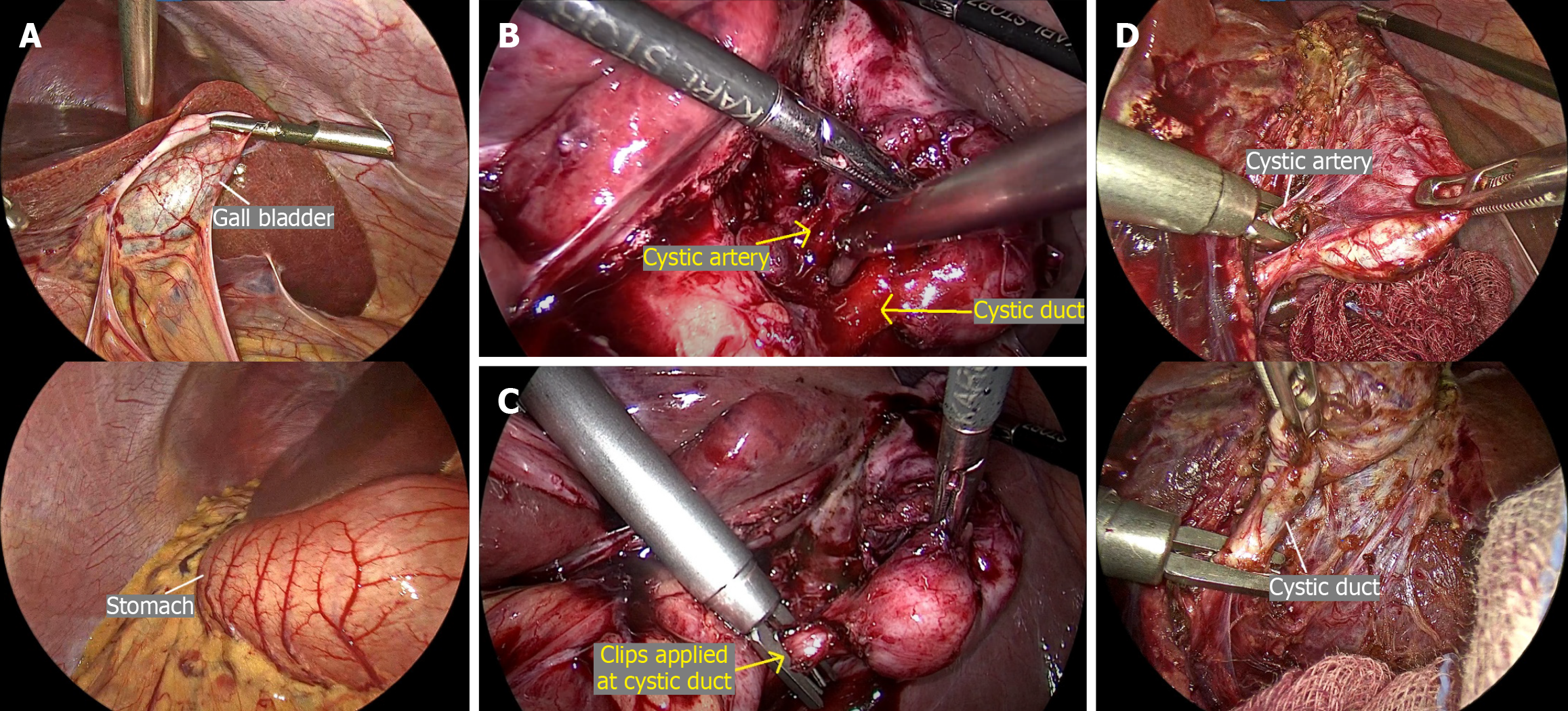
Figure 6 Intraoperative findings during laparoscopic cholecystectomy.
A: Initial laparoscopic assessment demonstrating the liver and gallbladder (white arrow) located in the left hypochondrium, and stomach in the right hypochondrium (white arrow), consistent with situs inversus totalis; B: Dissection of Calot’s triangle. Two tubular structures, corresponding to the cystic duct and cystic artery, are visualized entering the gallbladder (yellow arrow: Cystic artery and duct); C: Control of cystic structures (yellow arrow: Cystic artery and duct). Application of surgical clips to the cystic duct prior to division; D: Critical view of safety. The cystic duct and cystic artery (white arrows) are clearly identified entering the gallbladder, with the lower third of the gallbladder dissected free from the liver bed and complete exposure of Calot’s triangle, following the clinical view of the safety rule.
- Citation: Bhati G, Capolupo GT, Bhati K, Gupta A, Bansal R, Sai Srinija P, Caricato M, Carannante F. Laparoscopic cholecystectomy in patients with situs inversus totalis: Two case reports and review of literature. World J Clin Cases 2026; 14(12): 118091
- URL: https://www.wjgnet.com/2307-8960/full/v14/i12/118091.htm
- DOI: https://dx.doi.org/10.12998/wjcc.v14.i12.118091