
















©The Author(s) 2026.
World J Clin Oncol. Jan 24, 2026; 17(1): 114913
Published online Jan 24, 2026. doi: 10.5306/wjco.v17.i1.114913
Published online Jan 24, 2026. doi: 10.5306/wjco.v17.i1.114913
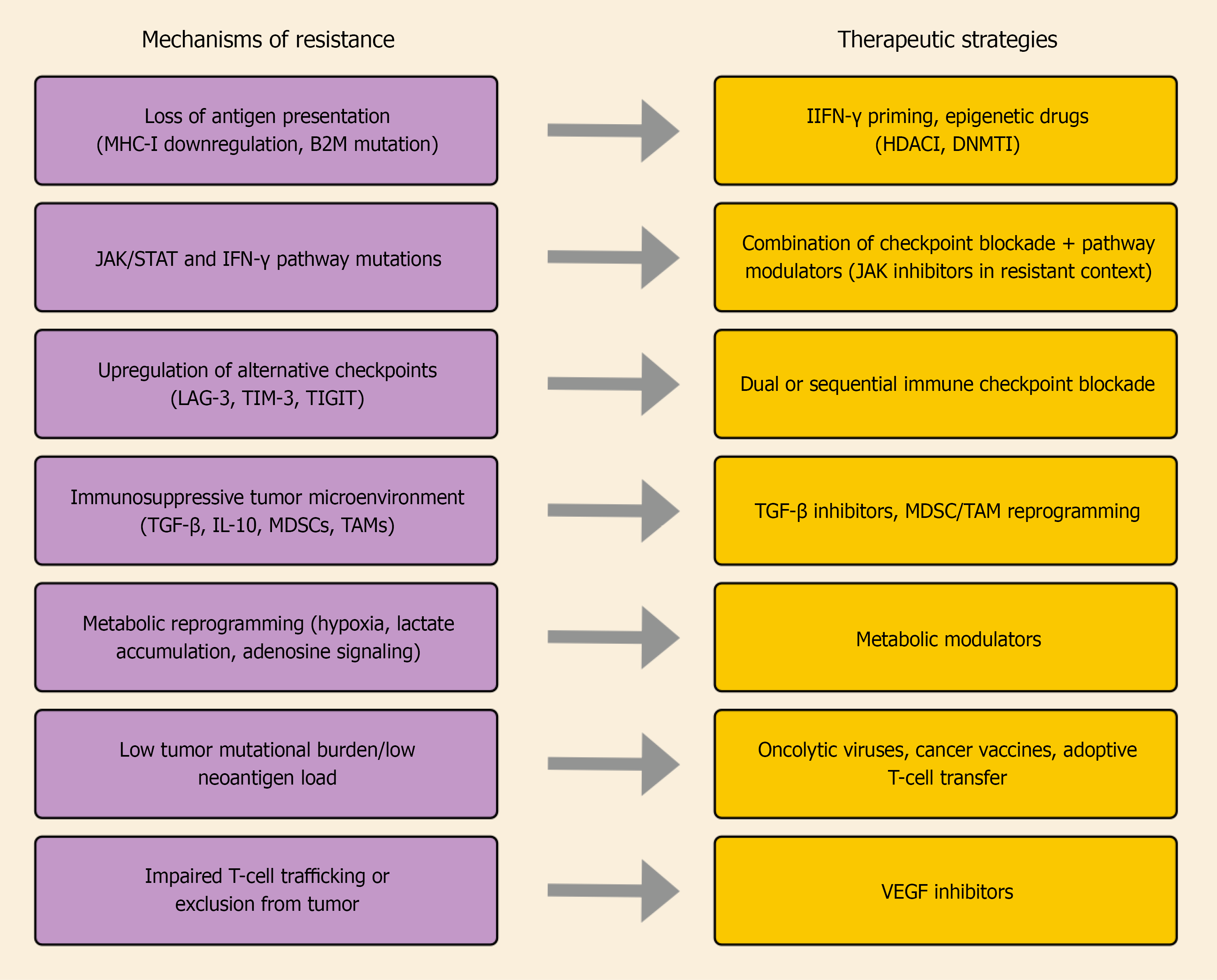
Figure 1 Mechanisms of resistance to immunotherapy in melanoma and corresponding therapeutic strategies.
Schematic representation of the main biological pathways involved in immune resistance, including defects in antigen presentation, cytokine-mediated immunosuppression, and adaptive upregulation of inhibitory checkpoints. The right panel highlights therapeutic strategies currently under investigation to overcome these barriers, such as interferon-γ priming, epigenetic modulation, dual checkpoint blockade, and transforming growth factor-β inhibition. MHC-I: Major histocompatibility complex class I; B2M: Β2-microglobulin; JAK: Janus kinase; STAT: Signal transducer and activator of transcription; IFN-γ: Interferon-γ; LAG-3: Lymphocyte-activation gene 3; TIM-3: T-cell immunoglobulin and mucin domain-containing protein 3; TIGIT: T cell immunoreceptor with Ig and ITIM domains; TGF-β: Transforming growth factor-β; IL-10: Interleukin-10; MDSCs: Myeloid-derived suppressor cells; TAMs: Tumor-associated macrophages; HDACI: Histone deacetylase inhibitors; DNMTI: DNA methyltransferase inhibitors; VEGF: Vascular endothelial growth factor.
- Citation: Oliveira MMGL, Lemos CS, Brazão MLS, Rodrigues ALA, do Nascimento EDC, Cardoso EMP, Arantes MFF, de Melo FF. Immune landscape of melanoma: Tumor microenvironment, resistance mechanisms, and predictive biomarkers. World J Clin Oncol 2026; 17(1): 114913
- URL: https://www.wjgnet.com/2218-4333/full/v17/i1/114913.htm
- DOI: https://dx.doi.org/10.5306/wjco.v17.i1.114913