
















©The Author(s) 2026.
World J Diabetes. Feb 15, 2026; 17(2): 111453
Published online Feb 15, 2026. doi: 10.4239/wjd.v17.i2.111453
Published online Feb 15, 2026. doi: 10.4239/wjd.v17.i2.111453
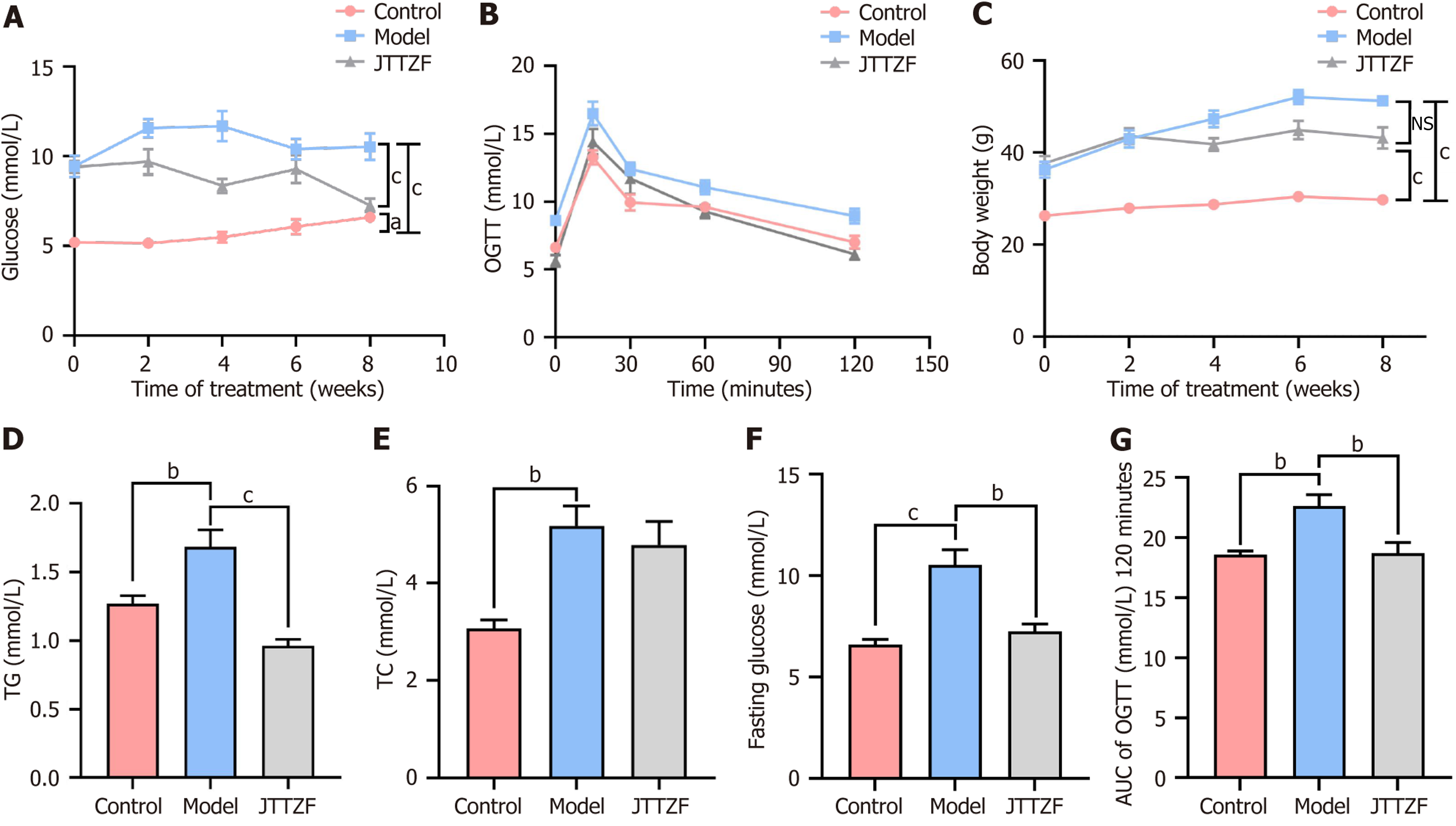
Figure 1 Jiangtang Tiaozhi formula attenuated glycolipid metabolic disorder in vivo.
A: Fasting glucose of mice during treatment (n = 8); B: Oral glucose tolerance test (OGTT) (n = 8); C: Body weight (n = 8); D: Triglyceride (n = 8); E: Total cholesterol (n = 8); F: Fasting glucose of mice after 8 weeks of treatment (n = 8); G: Area under the curve of OGTT (n = 8). aP < 0.05. bP < 0.01. cP < 0.001. NS: Not significant; JTTZF: Jiangtang Tiaozhi formula; OGTT: Oral glucose tolerance test; TG: Triglyceride; TC: Total cholesterol; AUC: Area under the curve.
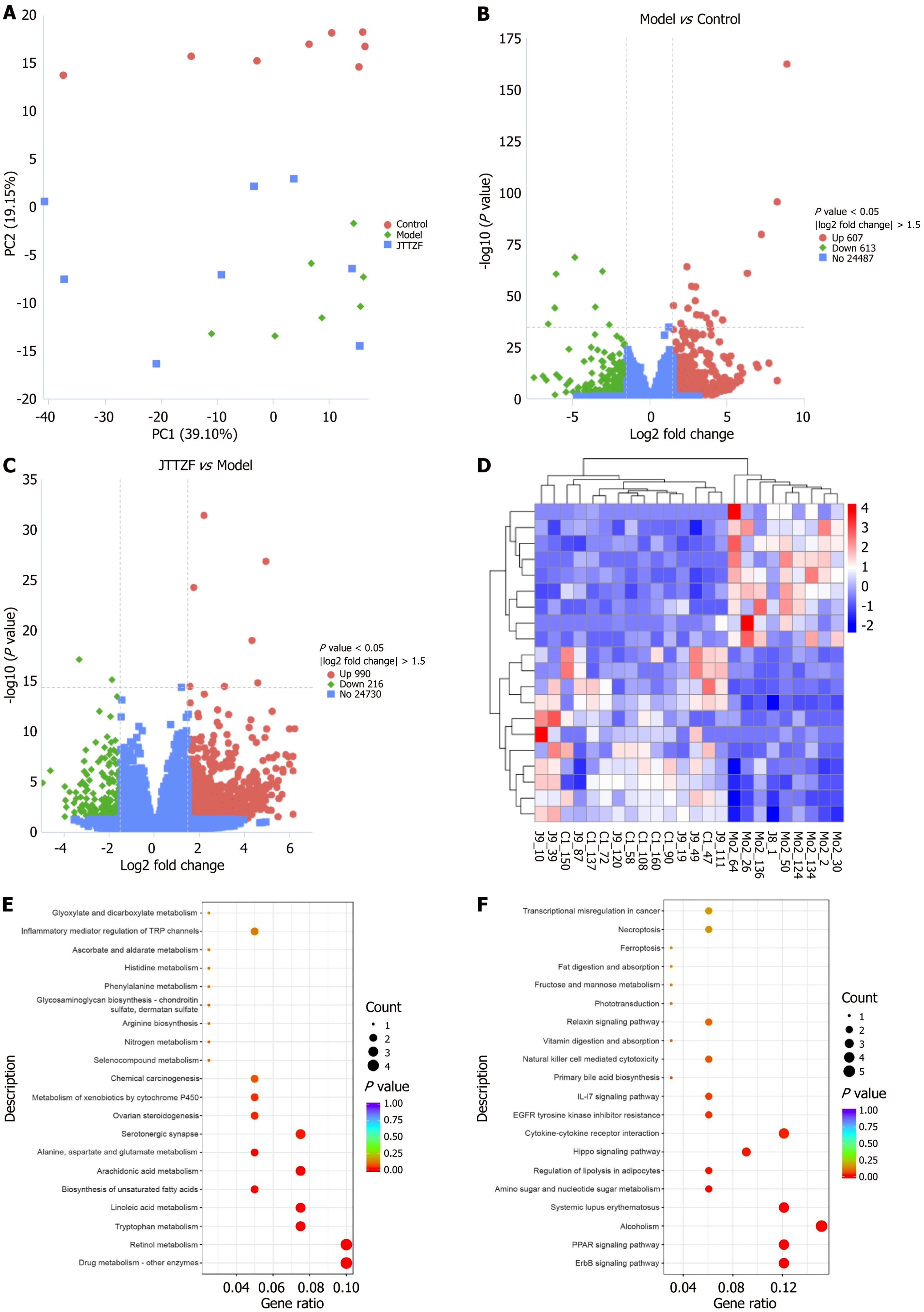
Figure 2 Jiangtang Tiaozhi formula modulates liver transcriptome profiles.
A: Principal components analysis [control vs model vs Jiangtang Tiaozhi formula (JTTZF) mice, n = 8]; B: Volcano plots (model vs control mice, n = 8); C: Volcano plots (JTTZF vs model mice, n = 8); D: Heatmap of representative differentially expressed genes (control vs model vs JTTZF mice, n = 8), with red indicating up-regulation and blue indicating down-regulation; E: Kyoto Encyclopedia of Genes and Genomes (KEGG) pathway analysis to annotate the biological function of differential genes(model vs control mice, n = 8); F: KEGG pathway analysis to annotate the biological function of differential genes (JTTZF vs model mice, n = 8). JTTZF: Jiangtang Tiaozhi formula; PC: Principal component.
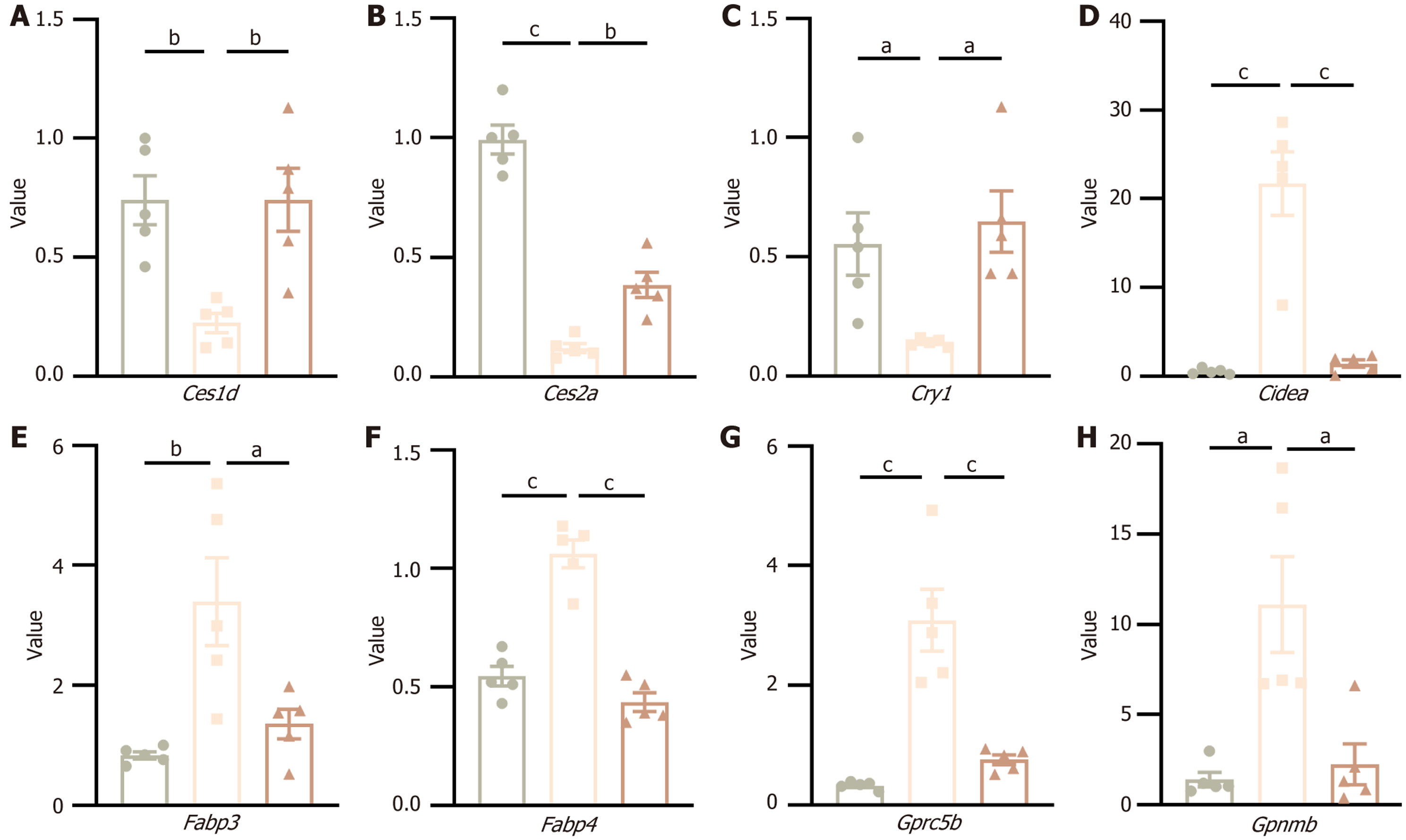
Figure 3 The messenger RNA levels of potential genes by real-time polymerase chain reaction.
A: Ces1d; B: Ces2a; C: Cry1; D: Cidea; E: Fabp3; F: Fabp4; G: Gprc5b; H: Gpnmb. aP < 0.05. bP < 0.01. cP < 0.001.
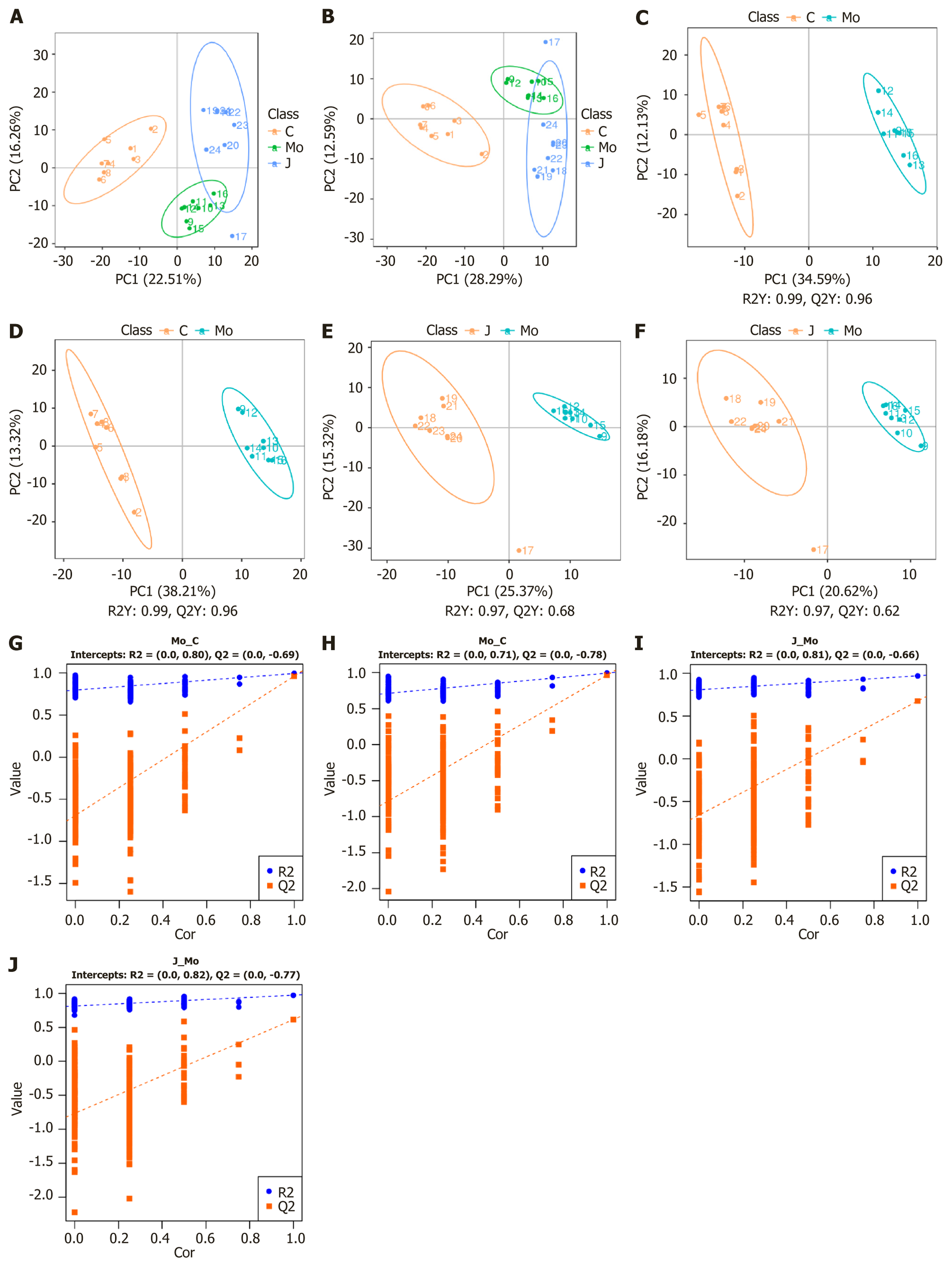
Figure 4 Multivariate statistical analysis of liver samples among the control, model, and Jiangtang Tiaozhi formula groups.
A: Principal components analysis (PCA) score plot of liver samples among control, model, and Jiangtang Tiaozhi formula (JTTZF) groups in the positive ion mode; B: PCA score plot of liver samples among control, model, and JTTZF groups in the negative ion mode; C: Scores plots of partial least squares discriminant analysis (PLS-DA) between control and model groups in the positive ion mode; D: Scores plots of PLS-DA between control and model groups in the negative ion mode; E: Scores plots of PLS-DA between and between model and JTTZF groups in the positive ion mode; F: Scores plots of PLS-DA between model and JTTZF groups in the negative ion mode; G: Permutation tests of PLD-DA models between control and model groups in the positive ion mode; H: Permutation tests of PLD-DA models between control and model groups in the negative ion mode; I: Permutation tests of PLD-DA models between model and JTTZF groups in the positive ion mode; J: Permutation tests of PLD-DA models between model and JTTZF groups in the negative ion mode. PC: Principal component; J: Jiangtang Tiaozhi formula group; Mo: Model group; C: Control group; Cor: Correlation.
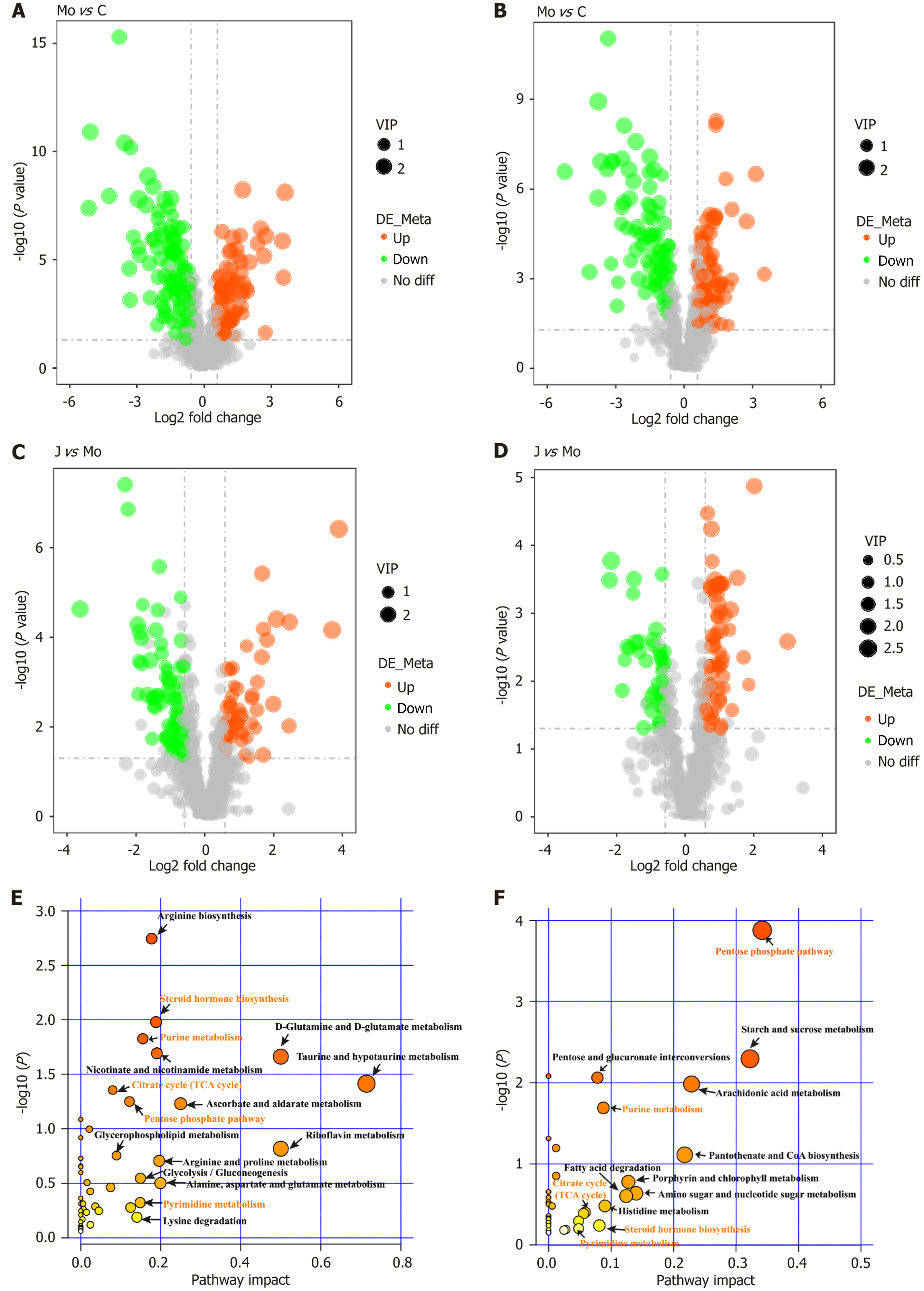
Figure 5 Jiangtang Tiaozhi formula modulates liver metabolite profiles.
A: Volcano plots under the positive ion mode (model vs control mice, n = 8); B: Volcano plots under the ion mode (model vs control mice, n = 8); C: Volcano plots under the positive ion mode [Jiangtang Tiaozhi formula (JTTZF) vs model mice, n = 8]; D: Volcano plots under the negative ion mode (JTTZF vs model mice, n = 8); E: Overview of metabolic pathway analysis of liver metabolism (model vs control mice, n = 8); F: Overview of metabolic pathway analysis of liver metabolism (JTTZF vs model mice, n = 8). J: Jiangtang Tiaozhi formula group; Mo: Model group; C: Control group; VIP: Variable important in projection; TCA: Tricarboxylic acid cycle.
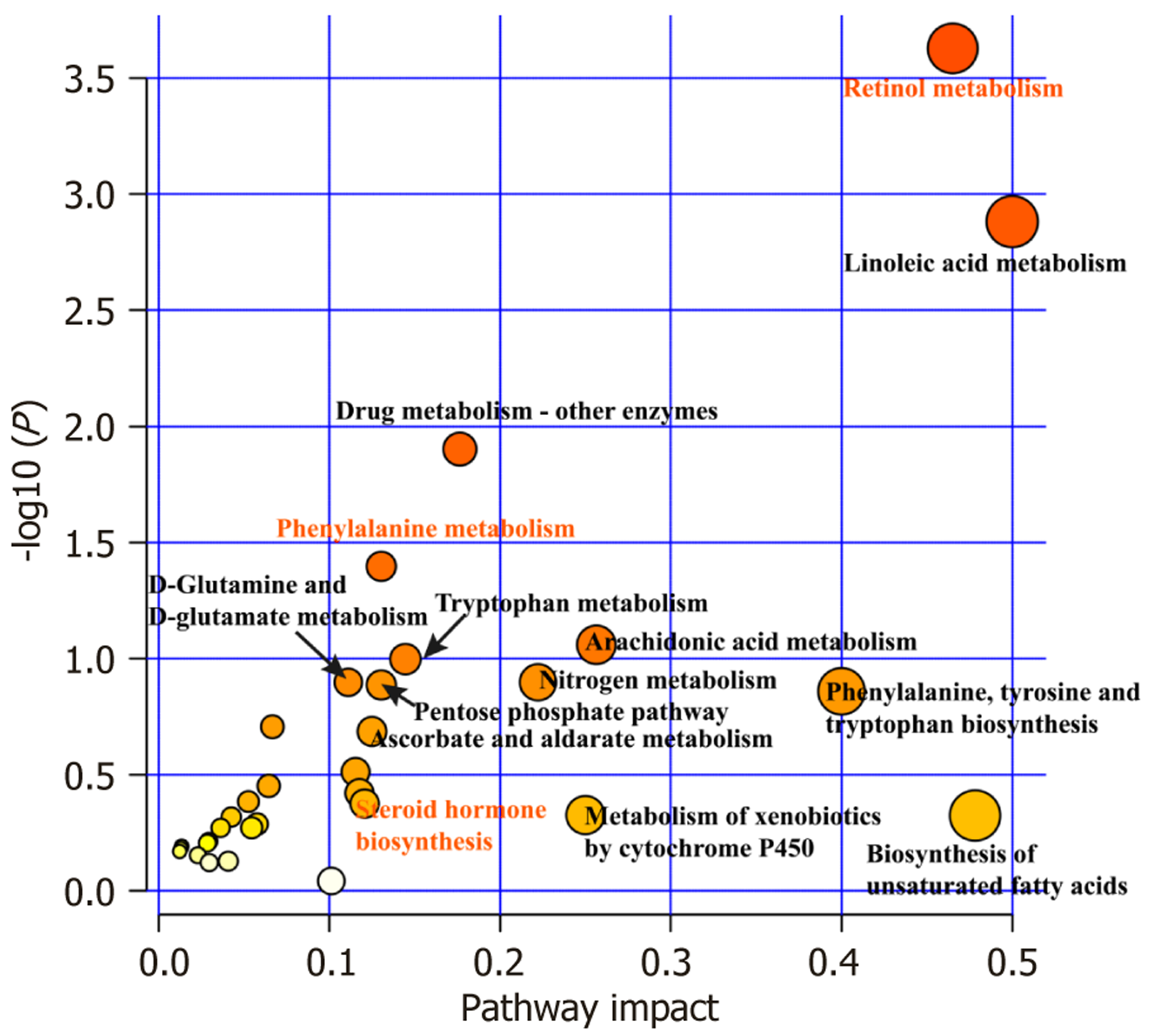
Figure 6 Integrated transcriptomics and metabolomics analyses of Jiangtang Tiaozhi formula on improving glycolipid metabolic disorder.
- Citation: Tian JX, Zhang YJ, Zhang YX, Wei JH, Fang XY, Miao RY, Ma KL, Guan HF, Wang XM, Wu HR. Integrated hepatic transcriptome and metabolome reveal the mechanisms of Jiangtang Tiaozhi formula on improving glycolipid metabolic disorder. World J Diabetes 2026; 17(2): 111453
- URL: https://www.wjgnet.com/1948-9358/full/v17/i2/111453.htm
- DOI: https://dx.doi.org/10.4239/wjd.v17.i2.111453