
















©The Author(s) 2026.
World J Clin Cases. Feb 6, 2026; 14(4): 117692
Published online Feb 6, 2026. doi: 10.12998/wjcc.v14.i4.117692
Published online Feb 6, 2026. doi: 10.12998/wjcc.v14.i4.117692
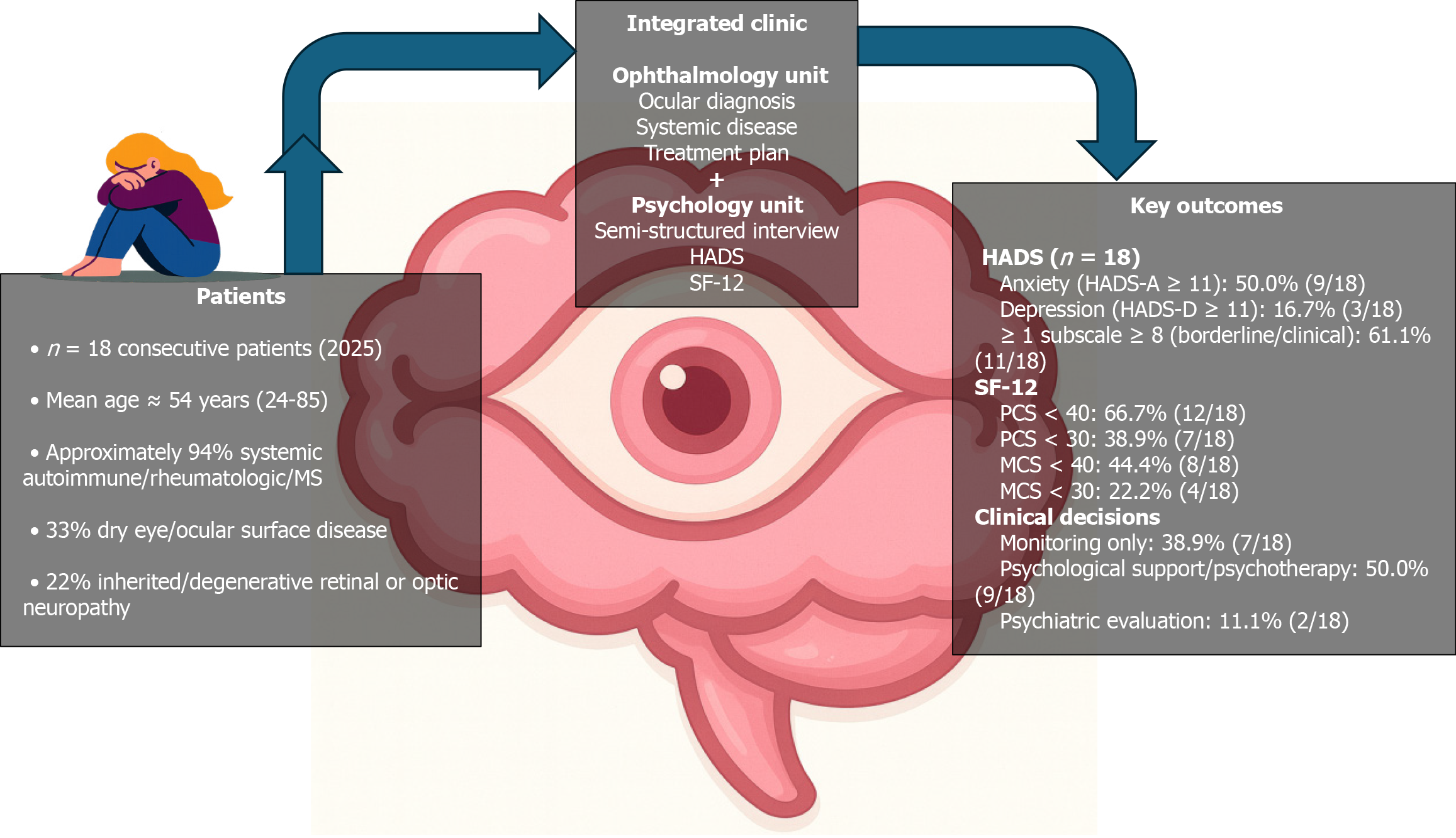
Figure 1 Integrated psycho-ophthalmology clinical pathway and descriptive pilot results.
Eighteen consecutive adults with autoimmune, inflammatory, or rare ophthalmic conditions evaluated during routine clinical activity in 2025 underwent a comprehensive visit that included an ophthalmologic assessment, a semi-structured psychological interview, and brief standardized screenings using the Hospital Anxiety and Depression Scale (HADS) and the 12-item Short Form Health Survey (SF-12). Descriptive data revealed clinically significant anxiety symptoms (HADS-anxiety > 11) in 9 out of 18 patients (50.0%) and depressive symptoms (HADS-depression ≥ 11) in 3 out of 18 (16.7%). Reduced physical quality of life (SF-12 physical component summary < 40) was noted in 12 of 18 patients (66.7%), whereas diminished mental quality of life (SF-12 mental component summary < 40) was reported in 8 of 18 patients (44.4%). The integrated assessment findings guided future clinical management, including monitoring, referral for psychological support or psychotherapy, or referral for an additional psychiatric examination. HADS: Hospital Anxiety and Depression Scale; SF-12: 12-item Short Form Health Survey; PCS: Physical component summary; MCS: Mental component summary; HADS-A: Hospital Anxiety and Depression Scale anxiety; HADS-D: Hospital Anxiety and Depression Scale depression.
- Citation: Capobianco M, Zeppieri M, Nicolosi SG, Faro GD, Salanitro D, Khouyyi M, D’Esposito F, Gagliano C. When eye disease affects the mind: Psychological burden and functioning in autoimmune ophthalmology. World J Clin Cases 2026; 14(4): 117692
- URL: https://www.wjgnet.com/2307-8960/full/v14/i4/117692.htm
- DOI: https://dx.doi.org/10.12998/wjcc.v14.i4.117692