
















©The Author(s) 2026.
World J Clin Cases. Jan 26, 2026; 14(3): 114691
Published online Jan 26, 2026. doi: 10.12998/wjcc.v14.i3.114691
Published online Jan 26, 2026. doi: 10.12998/wjcc.v14.i3.114691
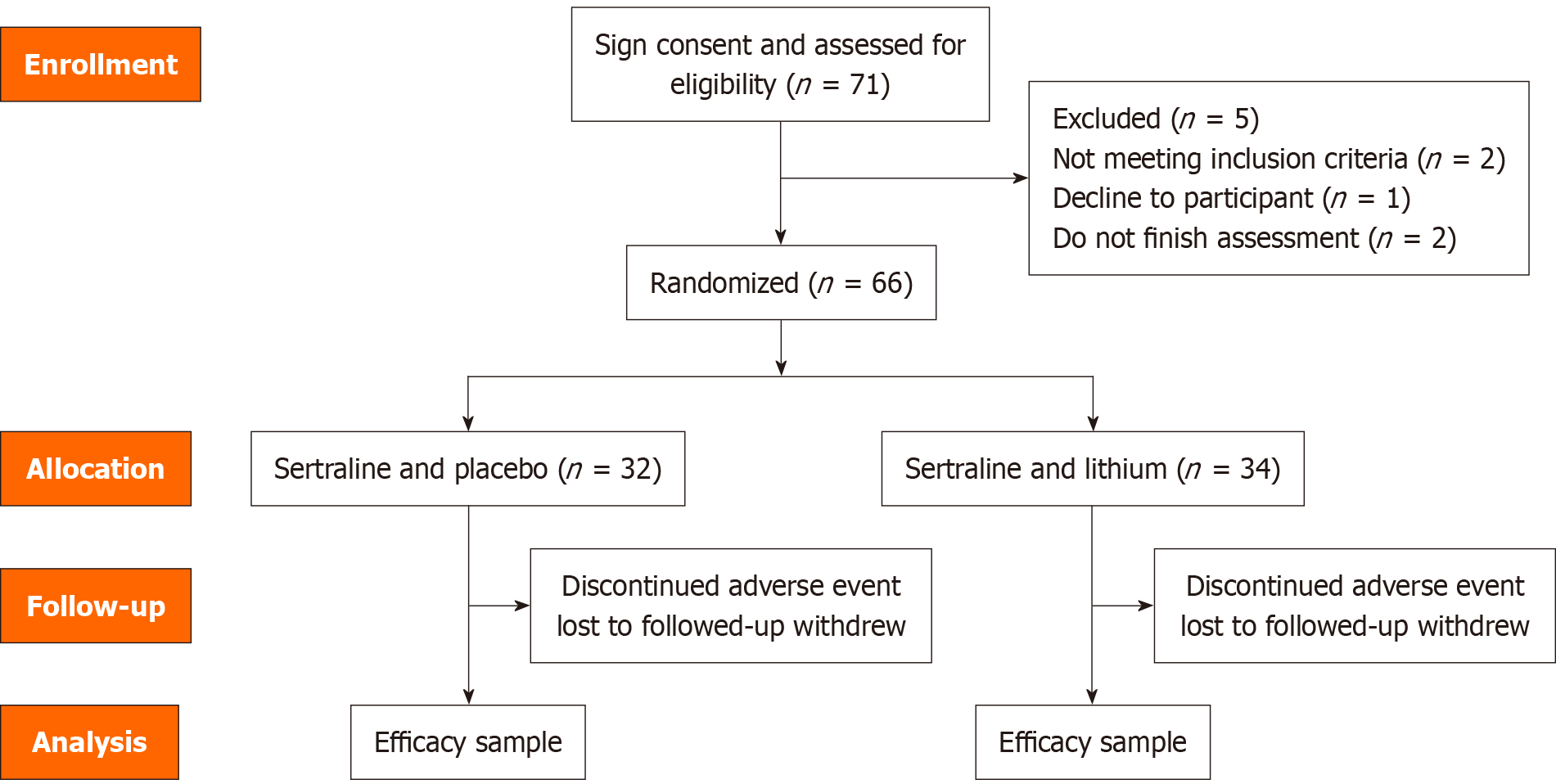
Figure 1 Flow of participants through the stages of the randomized controlled trial.
This Consolidated Standards of Reporting Trials flow diagram illustrates the enrollment, randomization, allocation, follow-up, and analysis stages of the study.
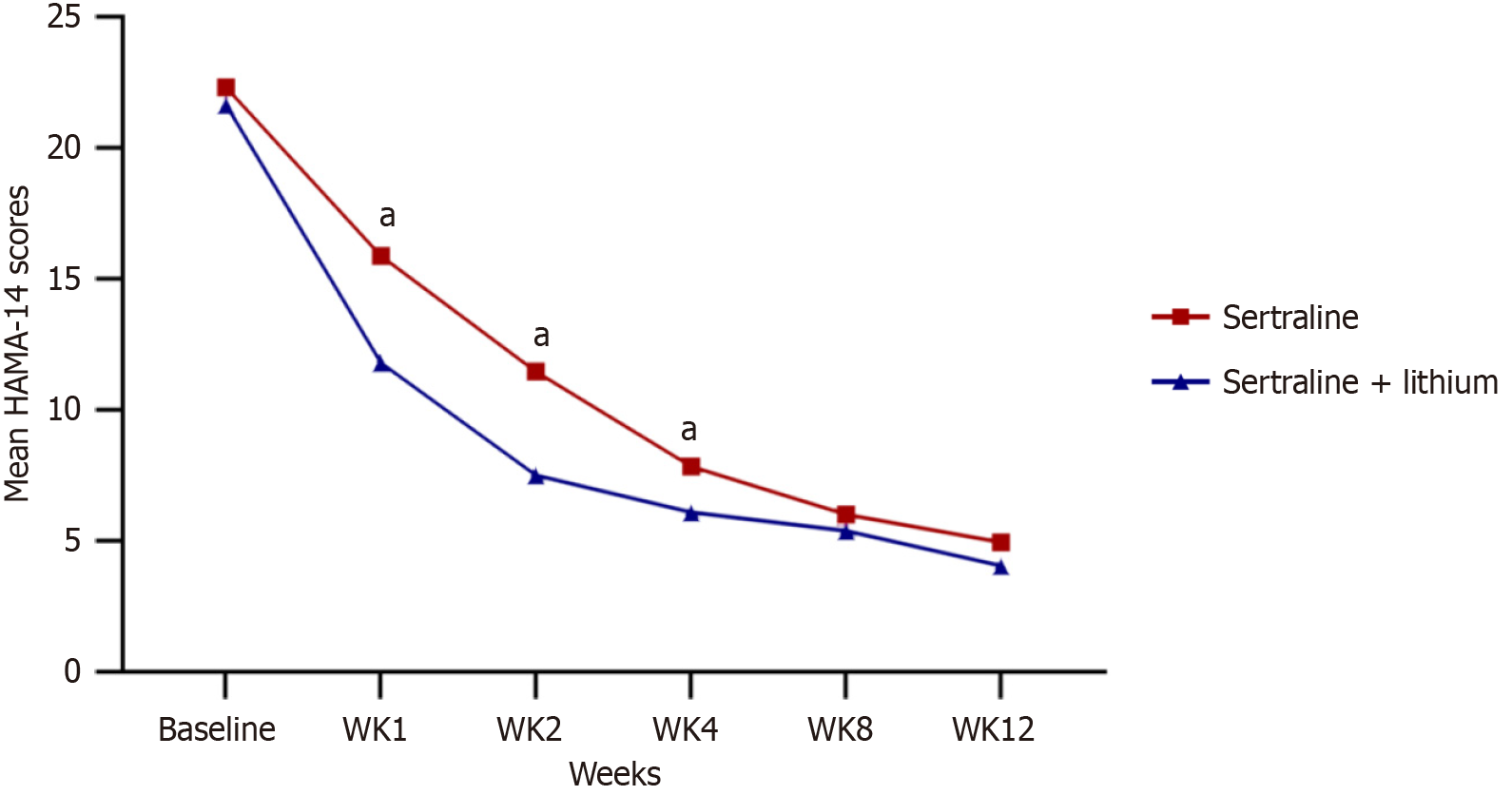
Figure 2 Change in Hamilton Anxiety Rating Scale 14 scores over the 12-week trial.
Data points represent the estimated mean change from baseline in Hamilton Anxiety Rating Scale 14 scores for the sertraline + lithium combination group (group B) and the sertraline monotherapy group (group A), based on the intention-to-treat population. Error bars represent 95% confidence intervals. aP < 0.05. HAMA: Hamilton Anxiety Rating Scale.
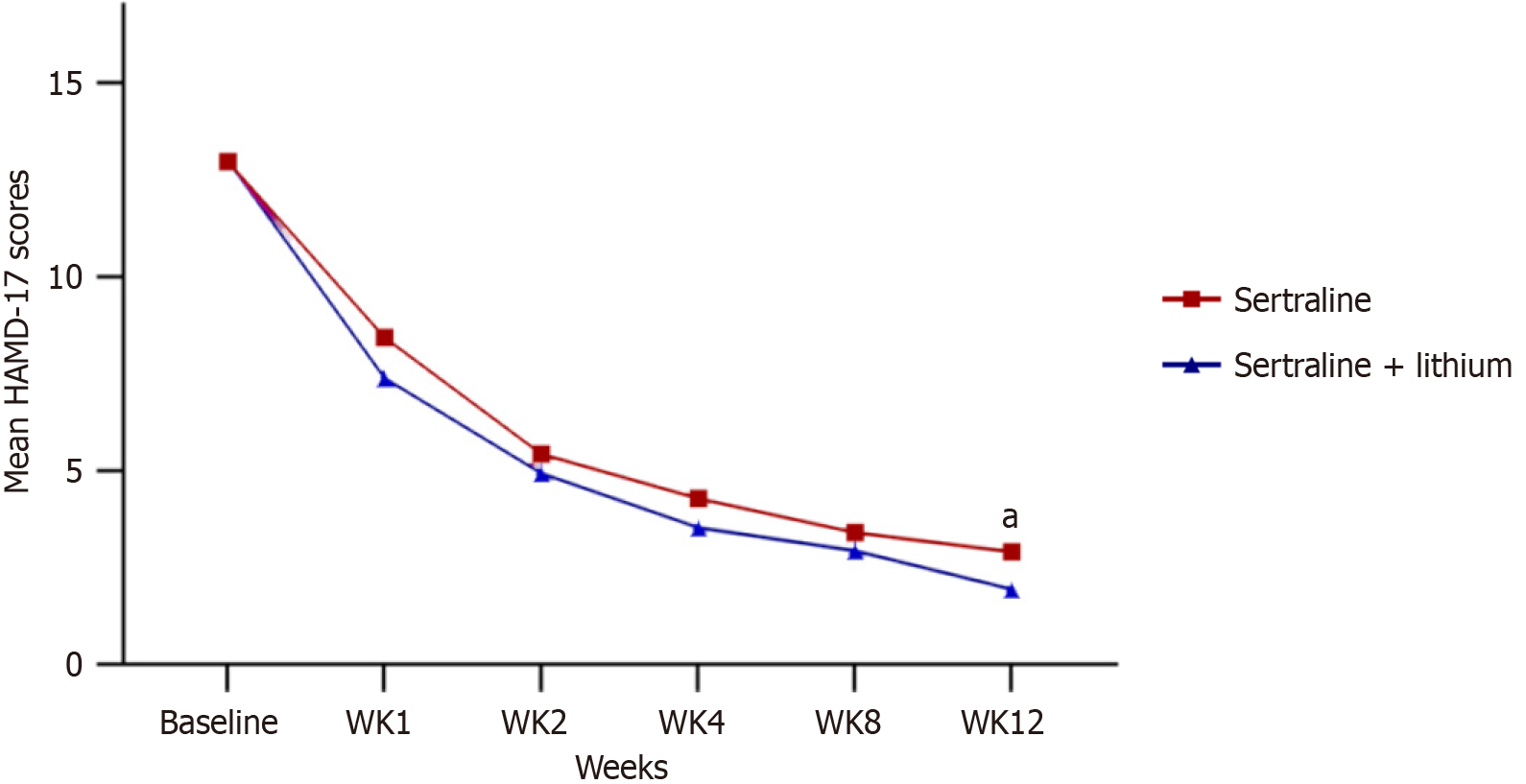
Figure 3 Change in Hamilton Depression Rating Scale 17 scores over the 12-week trial.
Data points represent the estimated mean change from baseline in Hamilton Depression Rating Scale 17 scores for both treatment groups, based on the intention-to-treat population. Error bars represent 95% confidence intervals. aP < 0.05. HAMD: Hamilton Depression Rating Scale.
- Citation: Wang H, Wang SL, Ge CJ, Lei LL, Zeng L, Qian MC. Early intervention in anxiety disorder patients with clinical high-risk factors for bipolar disorder: A randomized controlled trial. World J Clin Cases 2026; 14(3): 114691
- URL: https://www.wjgnet.com/2307-8960/full/v14/i3/114691.htm
- DOI: https://dx.doi.org/10.12998/wjcc.v14.i3.114691