
















Copyright: ©Author(s) 2026.
World J Clin Cases. Apr 16, 2026; 14(11): 119572
Published online Apr 16, 2026. doi: 10.12998/wjcc.v14.i11.119572
Published online Apr 16, 2026. doi: 10.12998/wjcc.v14.i11.119572
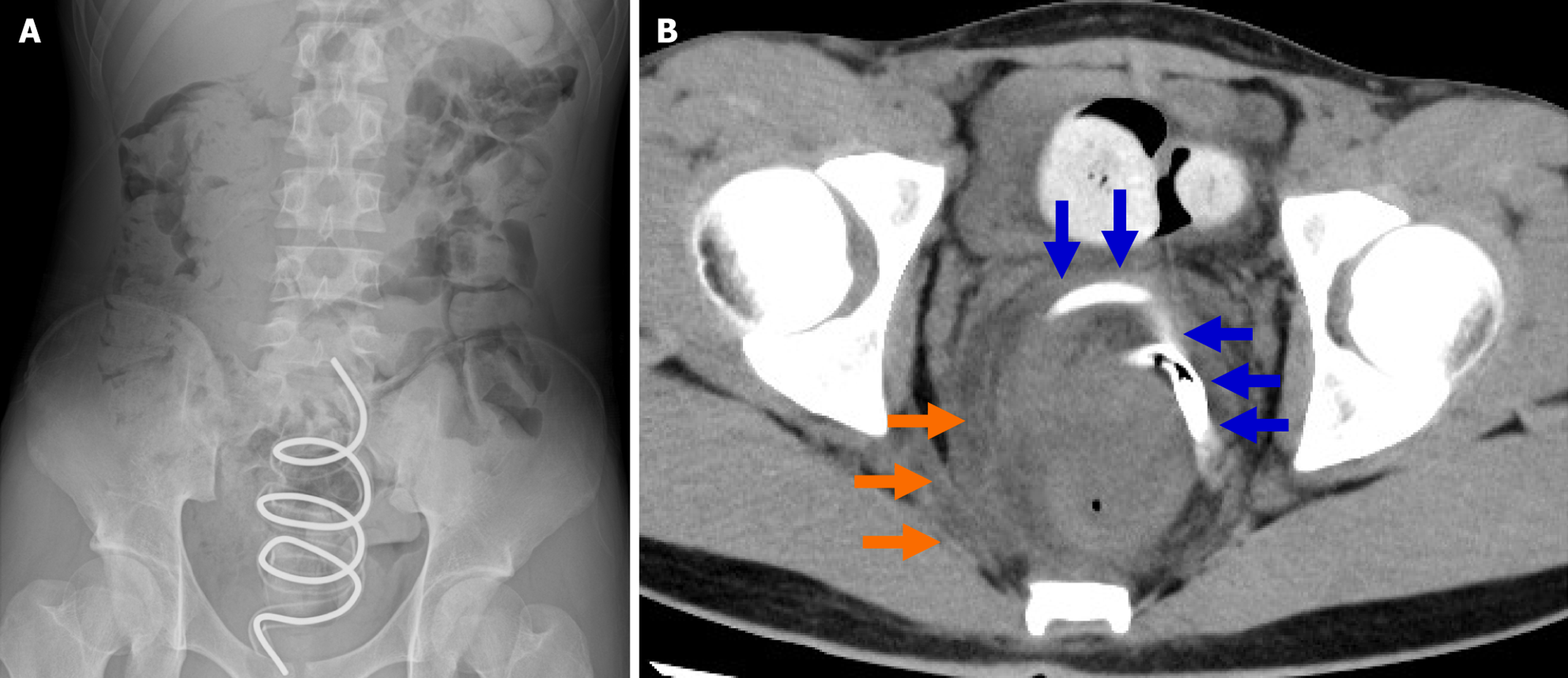
Figure 1 Imaging findings in the outpatient department.
A: Supine abdominal radiograph. A low-radiolucent spiral-shaped foreign body measuring 175 cm in length and 6.3 cm in width was identified in the pelvic cavity, and gas and a large amount of fecal material were observed in the colon; B: Plain abdominal computed tomography. A foreign body is present in the rectum, with edema of the rectal wall and increased density of the surrounding fat tissue. Marked fecal retention is observed in the proximal bowel (arrows).
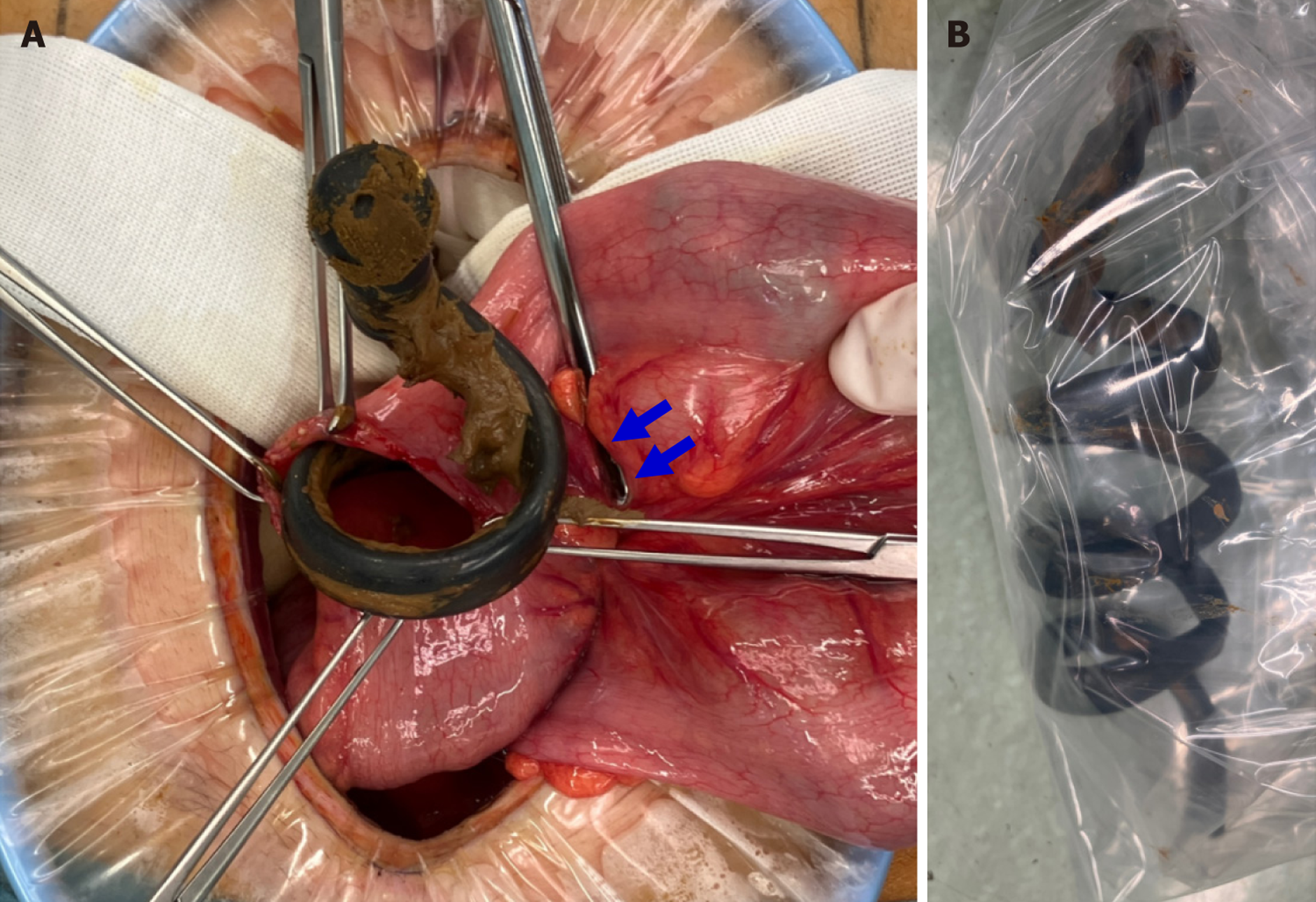
Figure 2 Surgical findings.
A: Laparotomy was performed, and a foreign body approximately 70 cm long was removed. Intraoperative findings revealed perforation of the rectum into the retroperitoneal space (blue arrows); B: Foreign body removal. The length was approximately 70 cm.
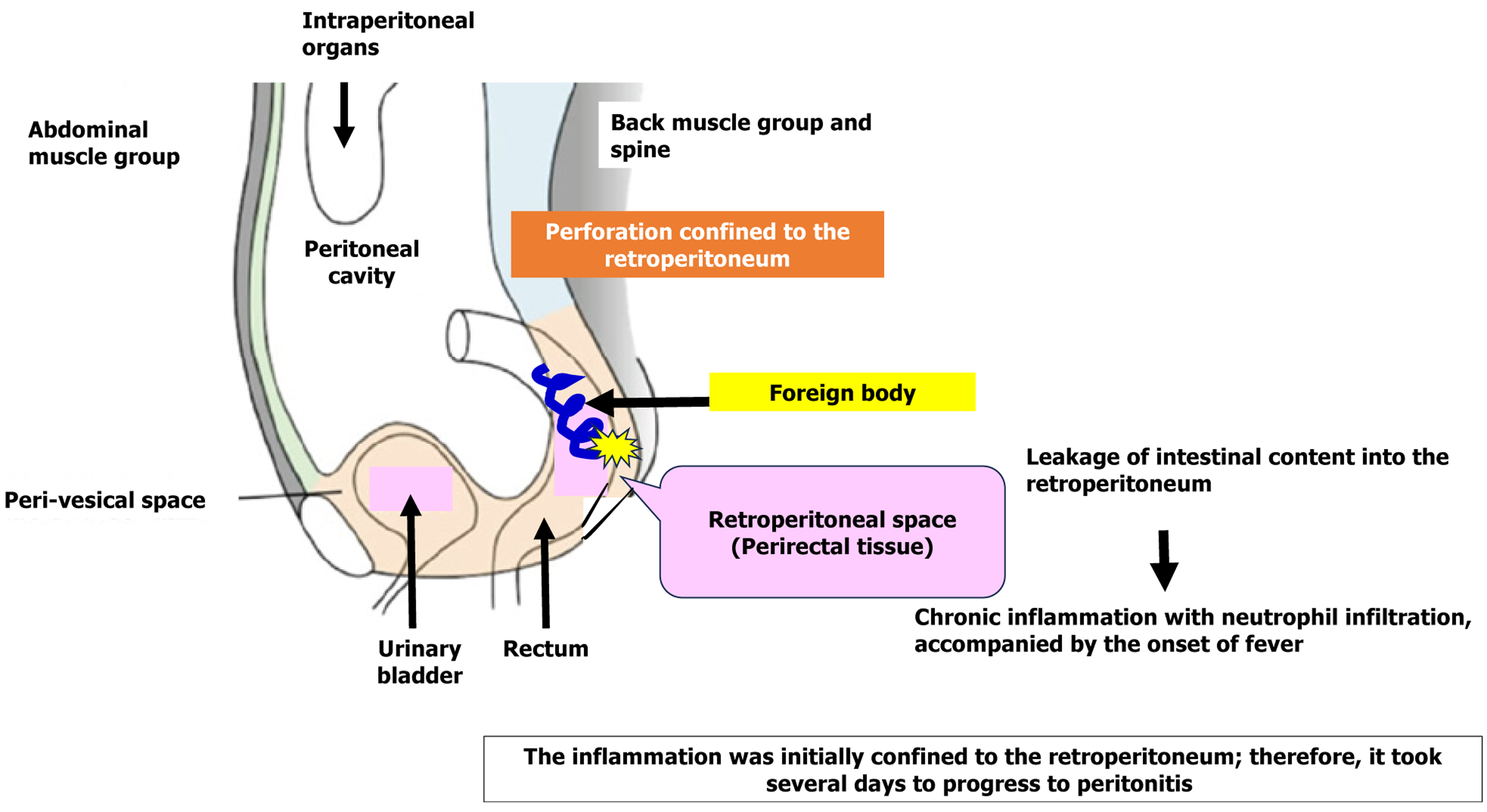
Figure 3 Pathophysiology of rectal perforation and retroperitoneal contamination.
- Citation: Usuda D, Furukawa D, Imaizumi R, Ono R, Kaneoka Y, Nakajima E, Kato M, Sugawara Y, Shimizu R, Inami T, Sakurai R, Kawai K, Matsubara S, Tanaka R, Suzuki M, Shimozawa S, Hotchi Y, Osugi I, Katou R, Ito S, Mishima K, Kondo A, Mizuno K, Takami H, Komatsu T, Nomura T, Sugita M. Perforative peritonitis caused by long-term retention of a rectal foreign body: A case report. World J Clin Cases 2026; 14(11): 119572
- URL: https://www.wjgnet.com/2307-8960/full/v14/i11/119572.htm
- DOI: https://dx.doi.org/10.12998/wjcc.v14.i11.119572