
















Copyright: ©Author(s) 2026.
World J Clin Cases. Apr 6, 2026; 14(10): 118527
Published online Apr 6, 2026. doi: 10.12998/wjcc.v14.i10.118527
Published online Apr 6, 2026. doi: 10.12998/wjcc.v14.i10.118527
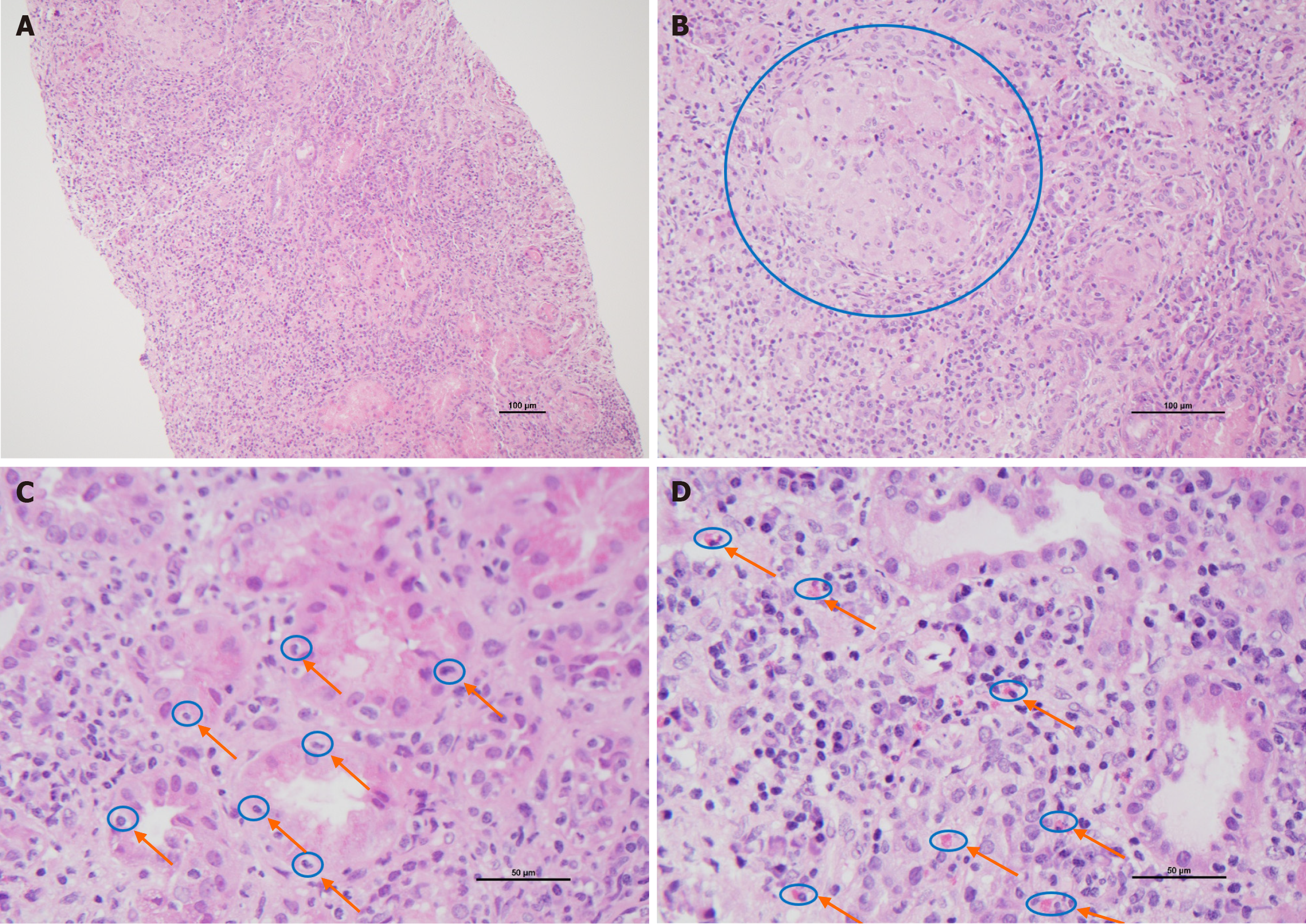
Figure 1 Renal biopsy showing features (marked with arrows and circles) of acute interstitial nephritis and a single granuloma.
A: Inter
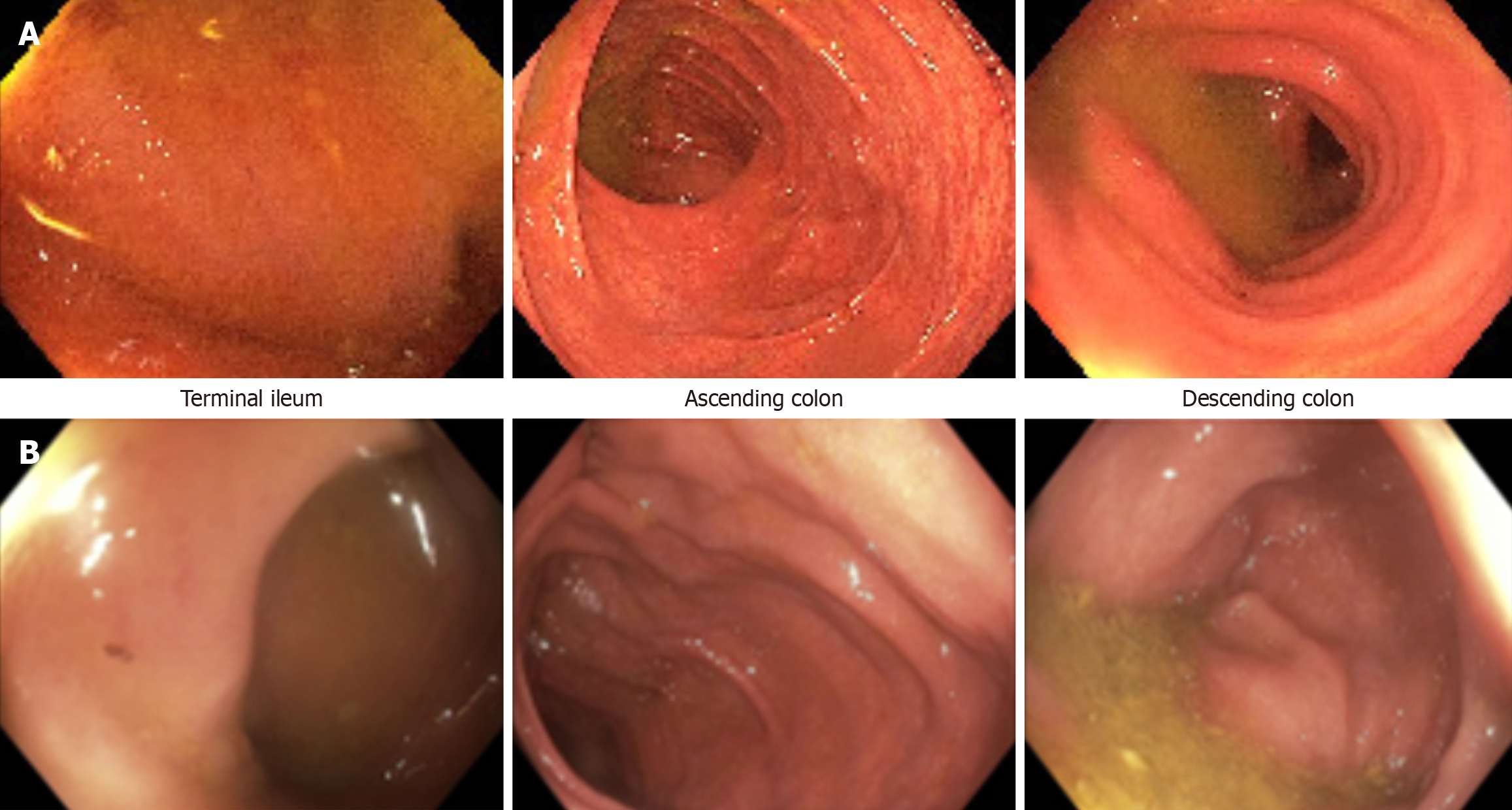
Figure 2 Serial colonoscopy investigations.
A: Index colonoscopy with normal terminal ileum, erythematous and featureless colon in all segments with rectal sparing; B: Healed colon one-year post infliximab therapy.
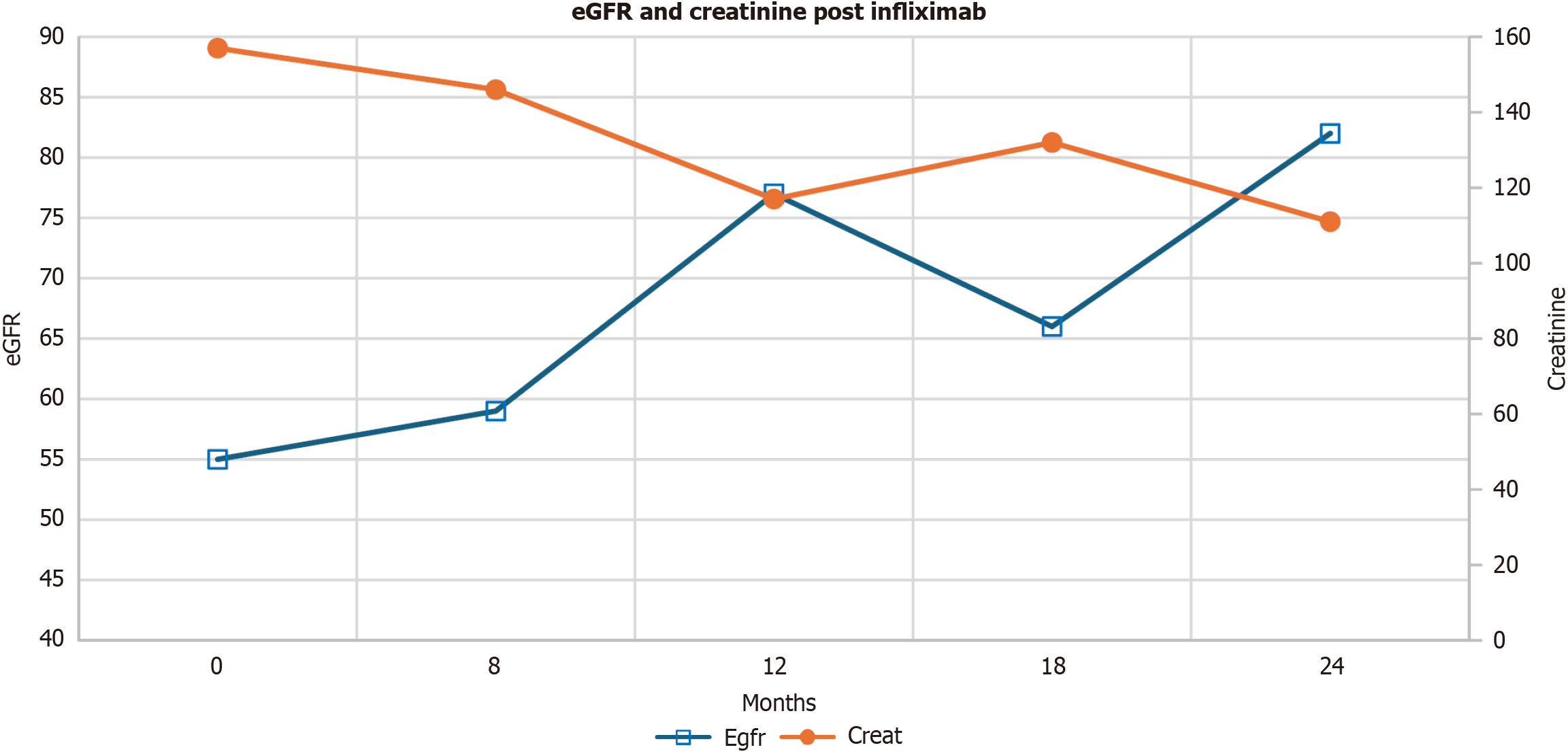
Figure 3 Improvement in estimated glomerular filtration rate and creatinine post infliximab induction and on maintenance therapy.
Note that at 18 months there was a decline in renal function (estimated glomerular filtration rate 66 mL/minute, creatinine 132 μmol/L) - this corresponded to an increase in bowel frequency (without per rectal bleeding and urgency) and coincided with planned de-escalation in infliximab to fortnightly from weekly treatment. Subsequent escalation to weekly infliximab led to resolution of gastrointestinal symptoms and improved renal function. eGFR: Estimated glomerular filtration rate.
- Citation: Terlato M, Gao W, Pillay L, Williams D, Segal JP, Macrae F, Christensen B. Renal granuloma as an extraintestinal manifestation in Crohn’s disease: A case report. World J Clin Cases 2026; 14(10): 118527
- URL: https://www.wjgnet.com/2307-8960/full/v14/i10/118527.htm
- DOI: https://dx.doi.org/10.12998/wjcc.v14.i10.118527