
















©The Author(s) 2025.
World J Clin Cases. Dec 26, 2025; 13(36): 111835
Published online Dec 26, 2025. doi: 10.12998/wjcc.v13.i36.111835
Published online Dec 26, 2025. doi: 10.12998/wjcc.v13.i36.111835
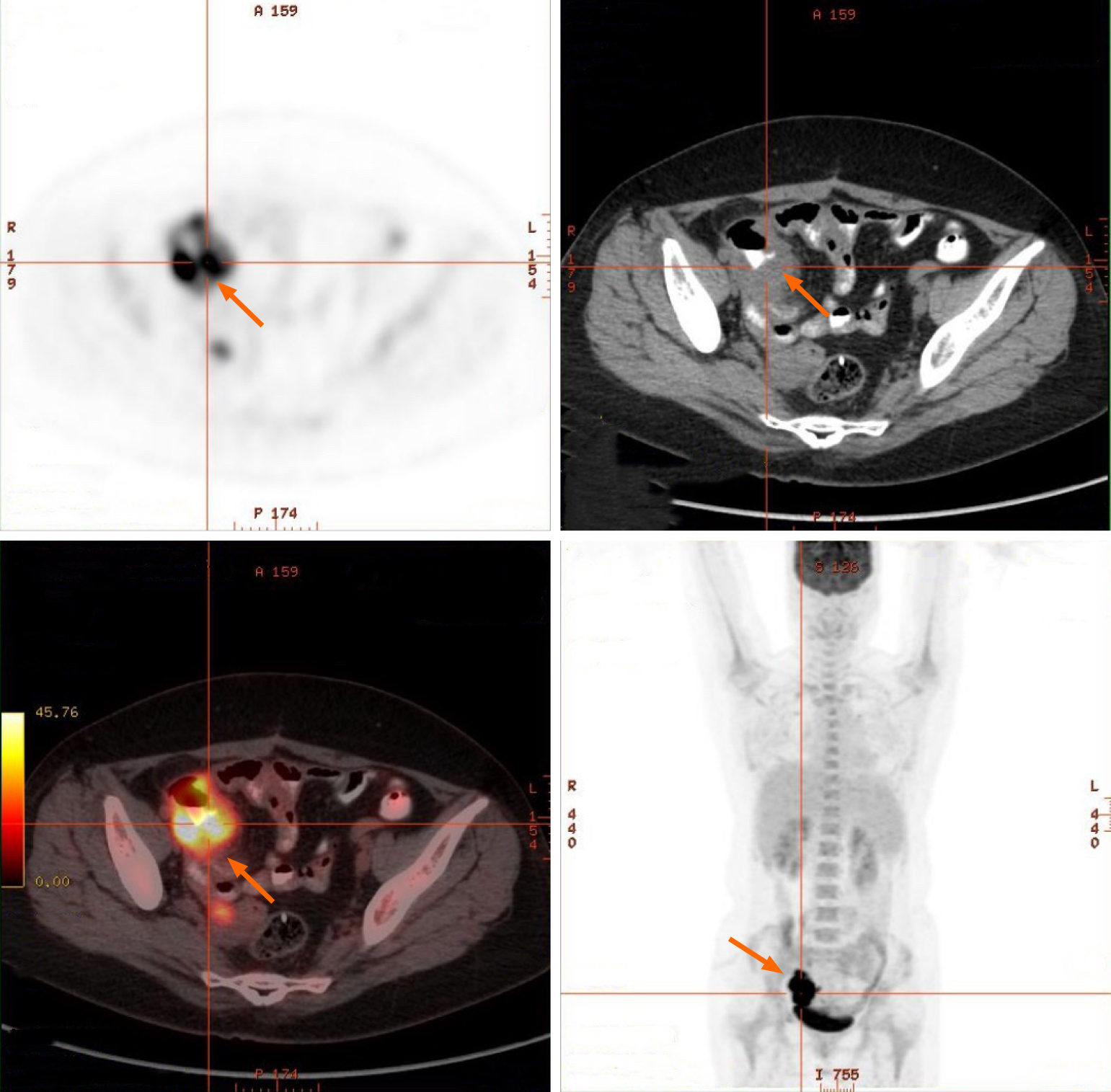
Figure 1 Small intestine positron emission tomography/computed tomography images.
Positron emission tomography/computed tomography revealed localized thickening of the small intestinal wall in the right pelvic region with increased metabolic activity, suggestive of implantation metastasis. The arrows point to the focal area of intestinal wall thickening with high metabolic activity.
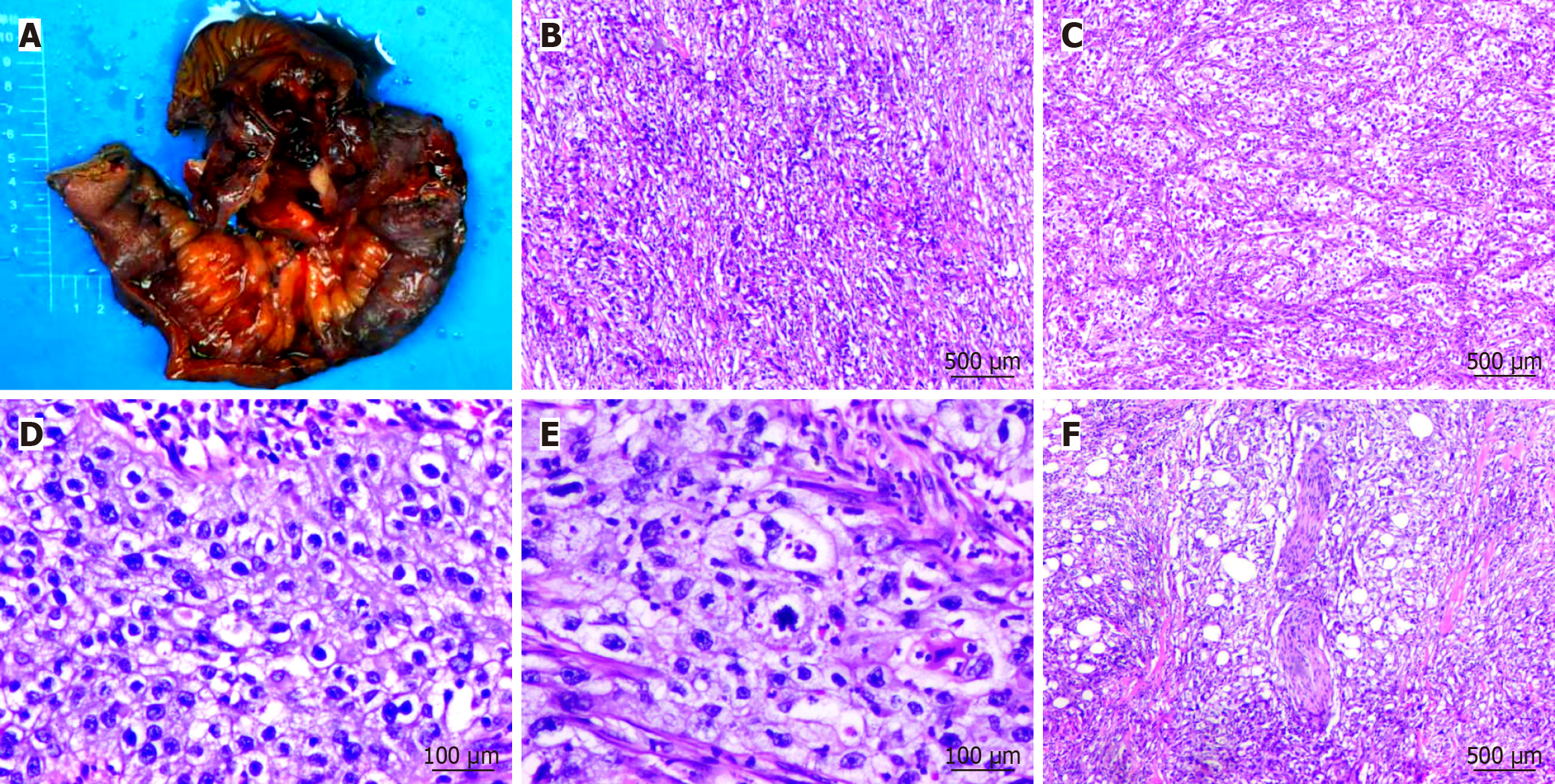
Figure 2 Macroscopic evaluation and hematoxylin-eosin staining of the small intestinal mass.
A: Gross specimen of primary ileal squamous cell carcinoma; B: Tumor cells arranged in solid sheet-like patterns (40 ×); C: Tumor cells forming nested clusters (40 ×); D: Tumor cells with abundant clear cytoplasm (200 ×); E: Pathological mitotic figures identified (200 ×); F: Evidence of perineural invasion by tumor cells (40 ×). The primary tumor mass observed in the resected intestinal specimen.

Figure 3 Immunohistochemical staining of the ileal mass.
A: Tumor cells positive for P40 (100 ×); B: Tumor cells positive for P63 (100 ×); C: Tumor cells positive for cytokeratin 5/6 (100 ×); D: Tumor cells positive for cytokeratin 7 (100 ×).

Figure 4 Clinical characteristics of primary ileal squamous cell carcinoma patients.
A: Sex distribution; B: Age distribution; C: Anatomic site distribution; D: Presenting symptoms; E: Tumor size distribution; F: Treatment modality distribution for patients with primary ileal squamous cell carcinoma.
- Citation: Li QQ, Wei J, Fang LY, Zhou JL, Zhao HF. Primary ileal squamous cell carcinoma: A case report and review of literature. World J Clin Cases 2025; 13(36): 111835
- URL: https://www.wjgnet.com/2307-8960/full/v13/i36/111835.htm
- DOI: https://dx.doi.org/10.12998/wjcc.v13.i36.111835