
















©The Author(s) 2025.
World J Clin Cases. Nov 26, 2025; 13(33): 113312
Published online Nov 26, 2025. doi: 10.12998/wjcc.v13.i33.113312
Published online Nov 26, 2025. doi: 10.12998/wjcc.v13.i33.113312
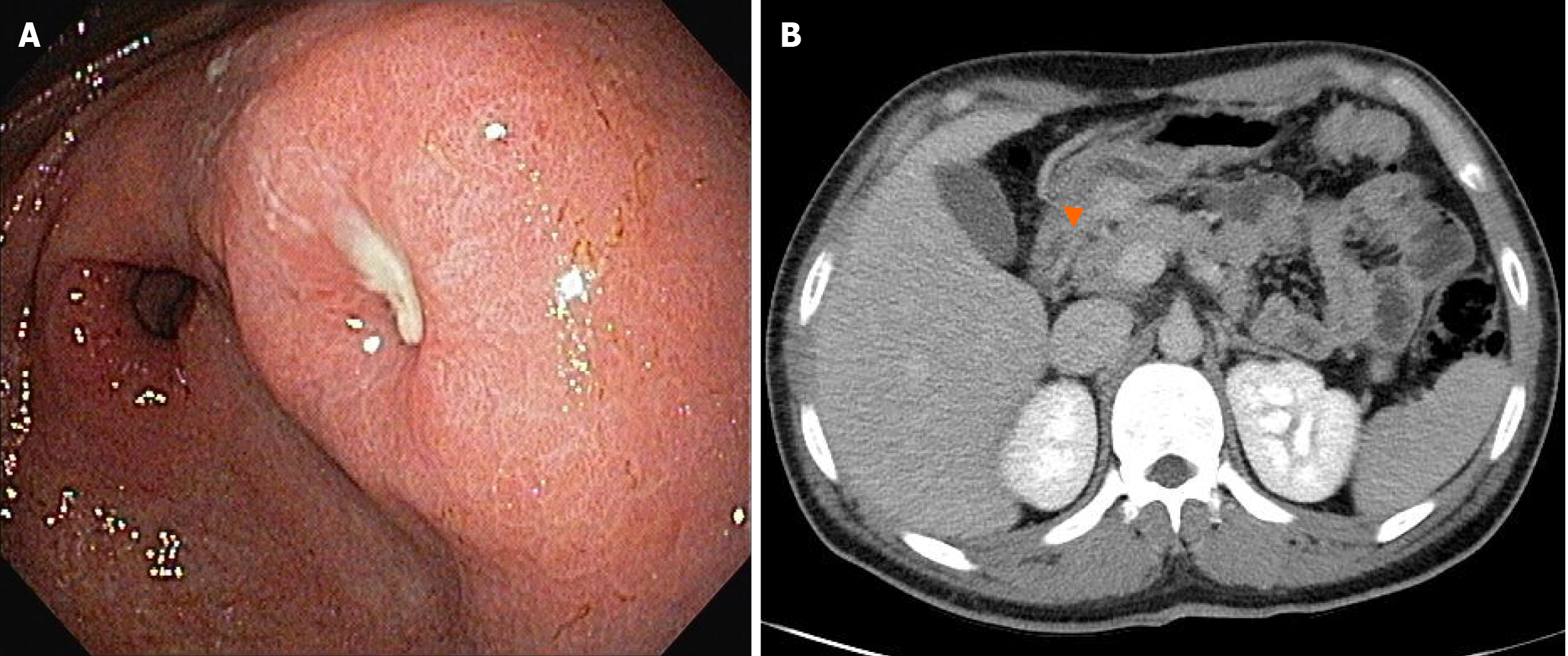
Figure 1 Endoscopy and abdominal computed tomography findings.
A: Endoscopic image showing a protruding lesion with central ulceration on the posterior wall of the distal gastric antrum; B: Axial contrast-enhanced computed tomography image showing a well-defined, hypervascular subepithelial lesion (orange arrowhead) along the posterior wall of the distal gastric antrum.
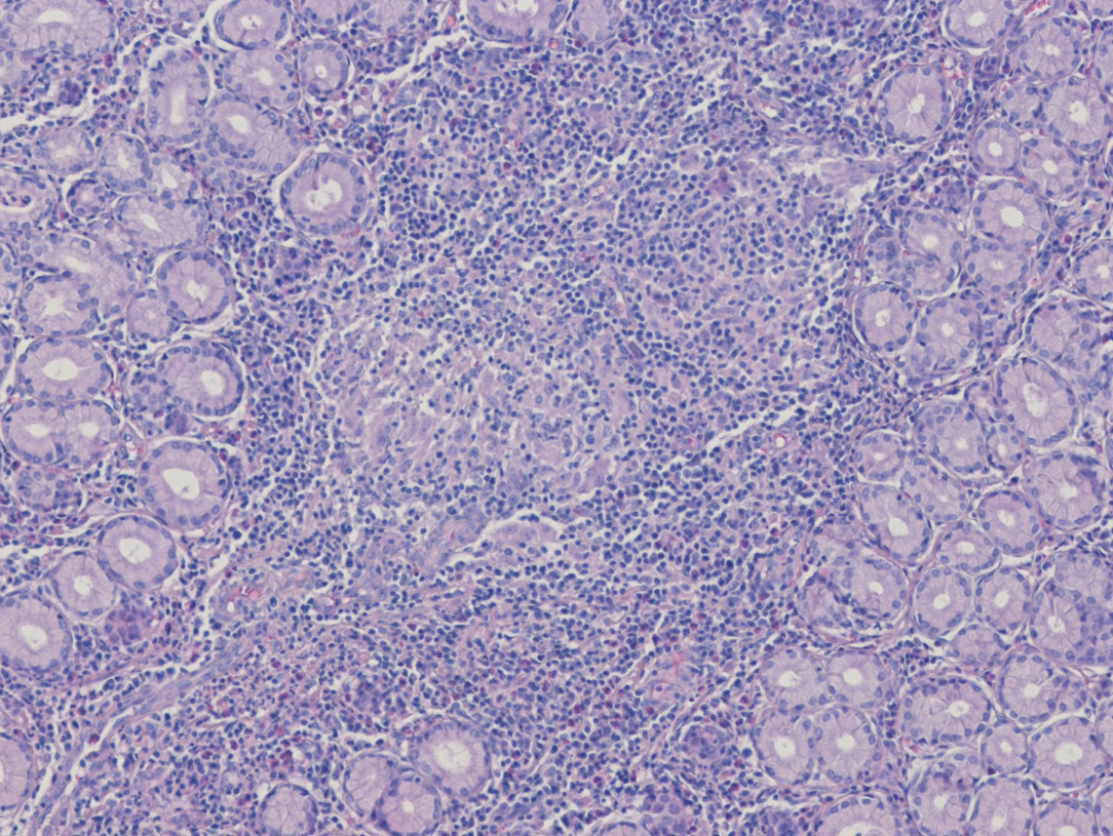
Figure 2 Histologic findings of a gastric subepithelial tumor-like lesion.
Histopathological image showing a well-formed non-caseating granuloma composed of epithelioid histiocytes and surrounding lymphocytes, with marked infiltration of chronic inflammatory cells including plasma cells, findings consistent with upper gastrointestinal involvement in Crohn’s disease. Adjacent normal gastric glands are also observed (hematoxylin and eosin stain, × 100).
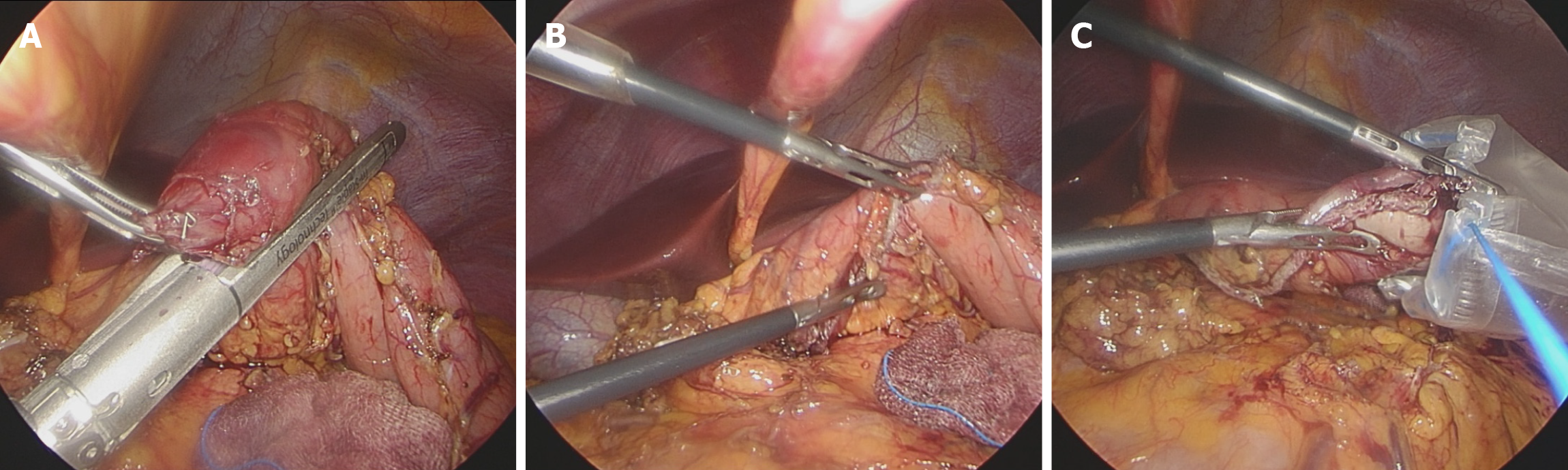
Figure 3 Intraoperative images of laparoscopic wedge resection for a gastric subepithelial tumor.
A: Wedge resection of a subepithelial tumor in the distal gastric antrum using a Signia stapler (Medtronic, United States); B: Laparoscopic view of the gastric wall after completion of wedge resection; C: Intraoperative image showing the resected subepithelial tumor placed in a retrieval bag.
- Citation: Park YE. Gastric Crohn’s disease presenting as a subepithelial tumor: A case report. World J Clin Cases 2025; 13(33): 113312
- URL: https://www.wjgnet.com/2307-8960/full/v13/i33/113312.htm
- DOI: https://dx.doi.org/10.12998/wjcc.v13.i33.113312