
















Copyright: ©Author(s) 2026.
World J Psychiatry. Apr 19, 2026; 16(4): 115490
Published online Apr 19, 2026. doi: 10.5498/wjp.v16.i4.115490
Published online Apr 19, 2026. doi: 10.5498/wjp.v16.i4.115490
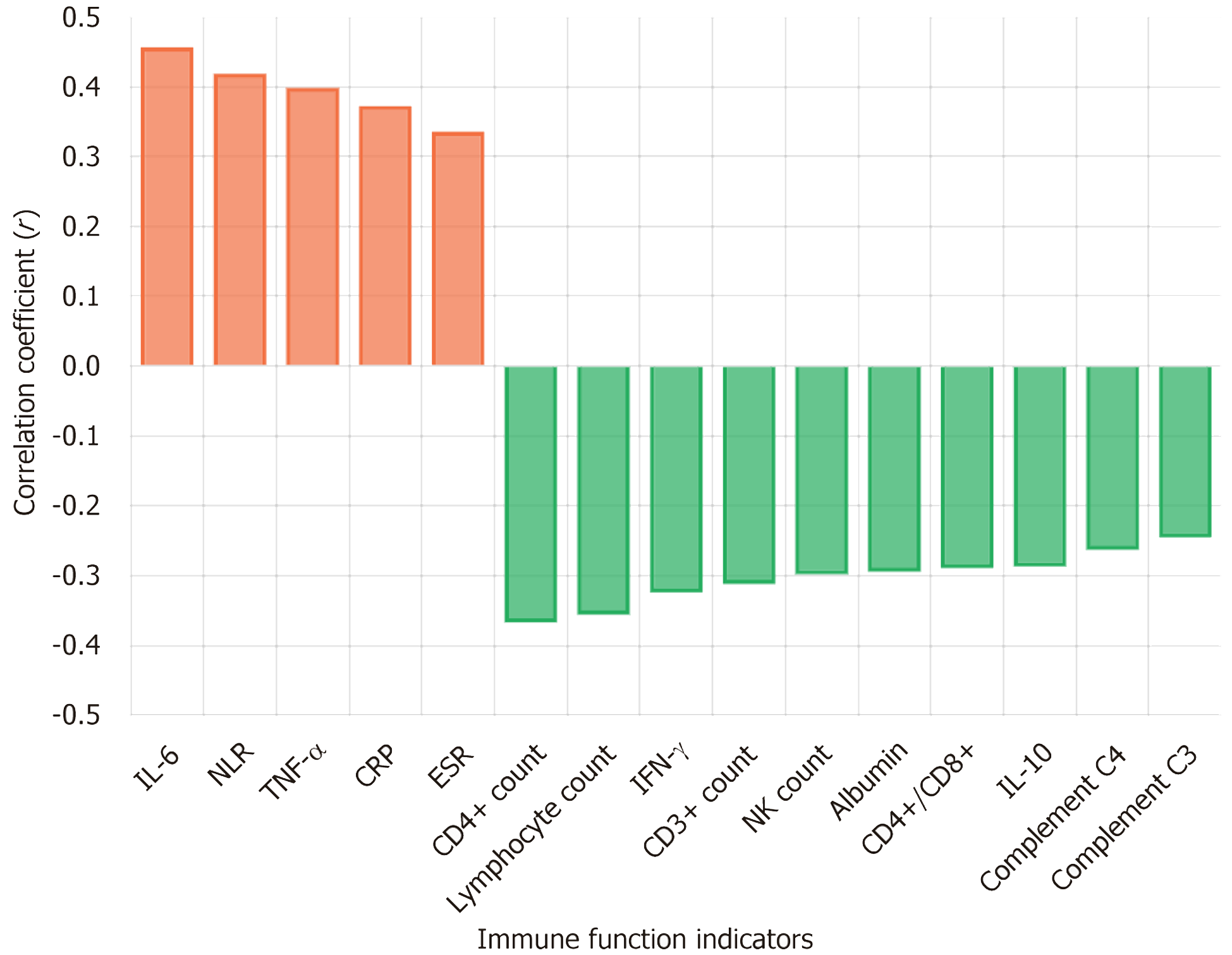
Figure 1 Correlation between Patient Health Questionnaire-9 scores and immune function indicators.
The bar chart displays Pearson correlation coefficients (r) between Patient Health Questionnaire-9 depression scores and various immune function markers. Orange bars indicate positive correlations, showing immune indicators that increase with higher depression scores (interleukin-6, neutrophil-to-lymphocyte ratio, tumor necrosis factor-α, C-reactive protein, and erythrocyte sedimentation rate). Green bars represent negative correlations, indicating immune markers that decrease as depression severity increases (CD3+CD4+, lymphocyte count, interferon-γ, natural killer cell count, CD3+CD8+, CD3+CD56+, interleukin-10, and complement components C4 and C3). Correlation coefficients range from approximately +0.45 to -0.30, suggesting moderate associations between depressive symptoms and immune dysregulation. IL-6: Interleukin-6; NLR: Neutrophil-to-lymphocyte ratio; TNF-α: Tumor necrosis factor-α; CRP: C-reactive protein; ESR: Erythrocyte sedimentation rate; IFN-γ: Interferon-γ; NK: Natural killer; IL-10: Interleukin-10.
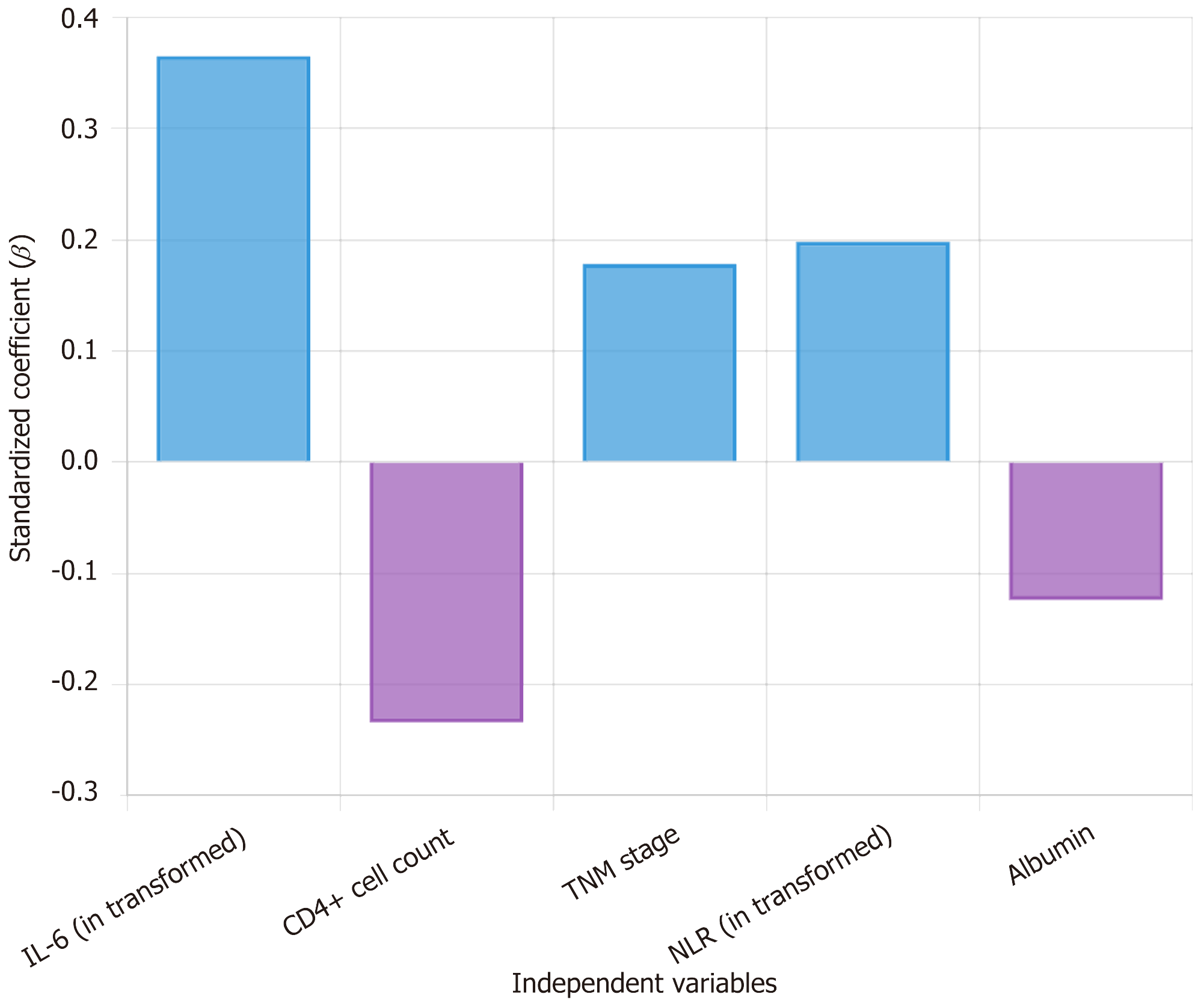
Figure 2 Multiple linear regression analysis of independent predictors for depression symptoms.
The bar chart presents standardized regression coefficients (β) from multivariable analysis identifying significant independent predictors of Patient Health Questionnaire-9 depression scores. Blue bars represent positive predictors: Interleukin-6 (ln transformed) shows the strongest positive association (β approximately 0.36), followed by tumor-node-metastasis stage (β approximately 0.18) and neutrophil-to-lymphocyte ratio (ln transformed) (β approximately 0.20), indicating that higher values of these variables are associated with increased depression severity. Purple bars indicate negative predictors: CD4+ cell count (β approximately -0.24) and albumin (β approximately -0.12) show inverse associations, suggesting that lower levels of these markers are linked to greater depressive symptoms. All displayed variables represent statistically significant independent predictors after controlling for potential confounders in the regression model. IL-6: Interleukin-6; TNM: Tumor-node-metastasis; NLR: Neutrophil-to-lymphocyte ratio.
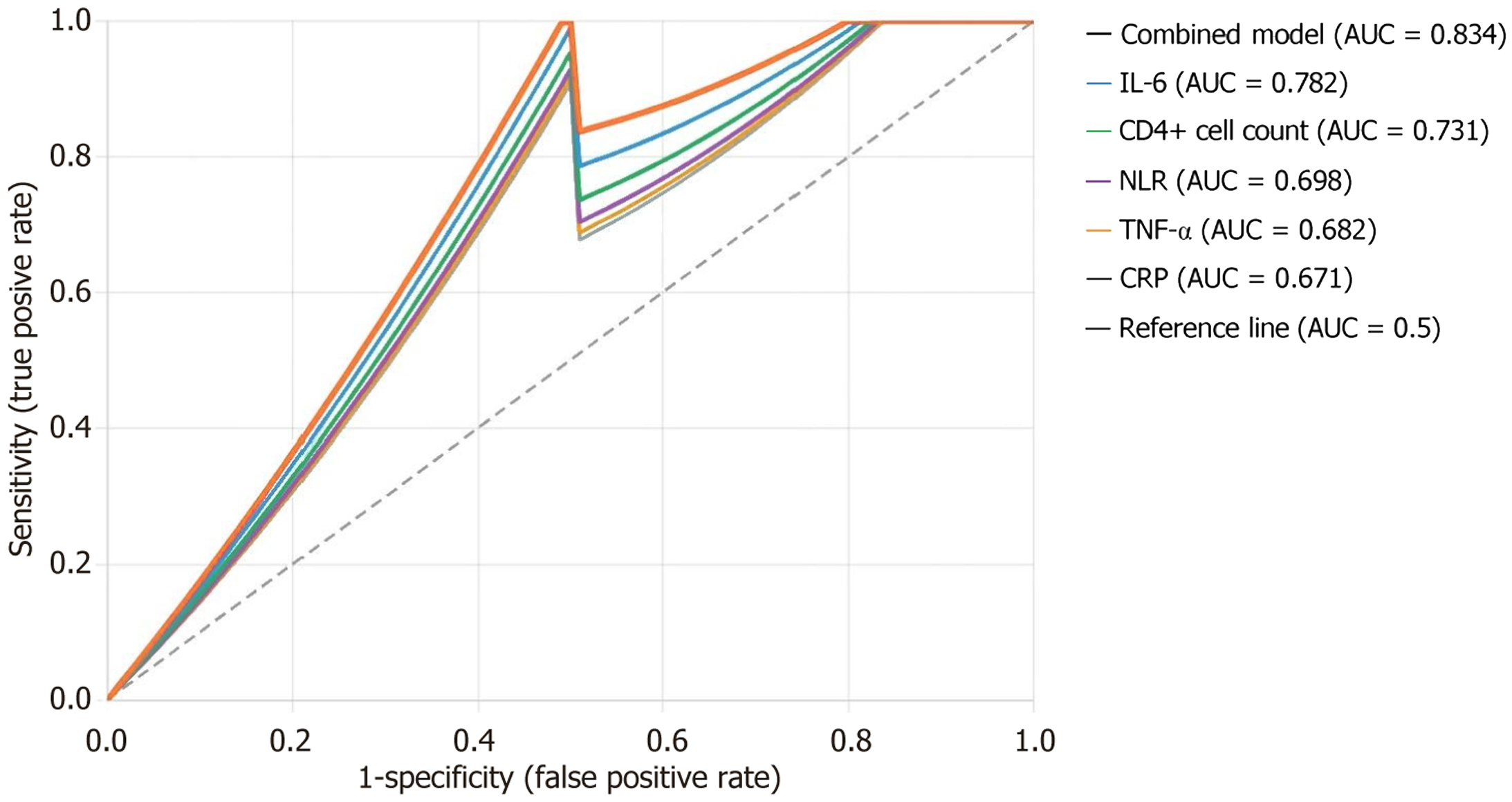
Figure 3 Receiver operating characteristic curve analysis for predicting depression symptoms using immune indicators.
Receiver operating characteristic curves demonstrate the diagnostic performance of various immune markers and predictive models for identifying depression in the study population. The combined model (orange line) incorporating multiple immune parameters shows the highest discriminative ability [area under the curve (AUC) = 0.834], followed by individual immune markers: Interleukin-6 (AUC = 0.782), CD4+ cell count (AUC = 0.731), neutrophil-to-lymphocyte ratio (AUC = 0.688), C-reactive protein (AUC = 0.682), and tumor necrosis factor-α (AUC = 0.671). The reference line (gray dashed diagonal, AUC = 0.5) represents no discriminative ability. All models demonstrate better-than-chance performance, with the combined model showing good overall accuracy for predicting depression symptoms, suggesting that integrating multiple immune biomarkers improves diagnostic utility compared to single markers alone. IL-6: Interleukin-6; NLR: Neutrophil-to-lymphocyte ratio; TNF-α: Tumor necrosis factor-α; CRP: C-reactive protein; AUC: Area under the curve.
- Citation: Dong S, Mou HL, Zhang H, Ye T. Correlation analysis of depressive symptoms and immune function indicators in patients with malignant melanoma. World J Psychiatry 2026; 16(4): 115490
- URL: https://www.wjgnet.com/2220-3206/full/v16/i4/115490.htm
- DOI: https://dx.doi.org/10.5498/wjp.v16.i4.115490