
















Copyright: ©Author(s) 2026.
World J Psychiatry. Apr 19, 2026; 16(4): 115468
Published online Apr 19, 2026. doi: 10.5498/wjp.v16.i4.115468
Published online Apr 19, 2026. doi: 10.5498/wjp.v16.i4.115468
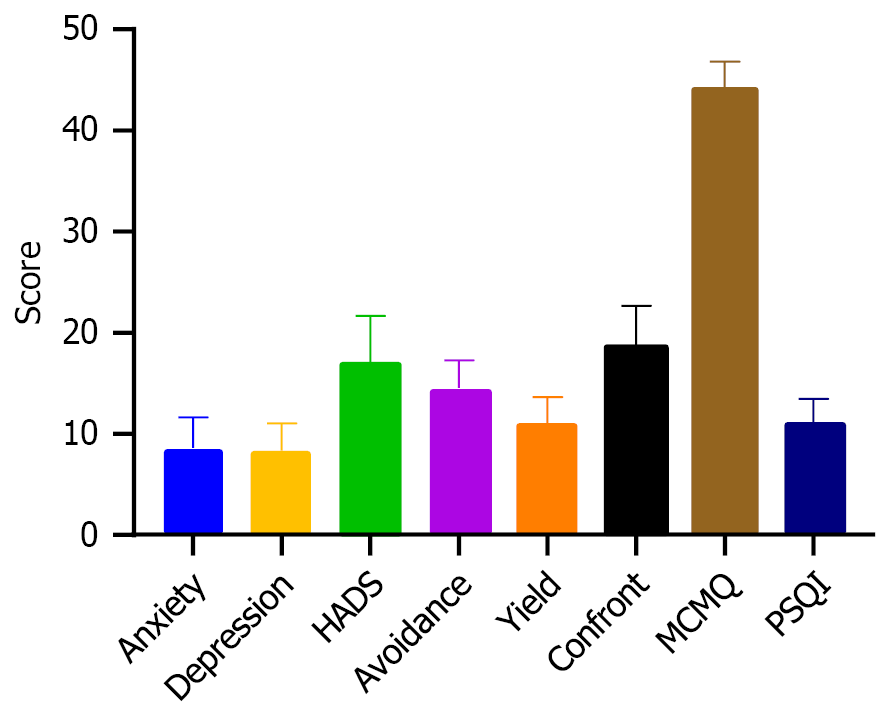
Figure 1 Scale scores of anxieties, depression, coping styles, and sleep quality in patients with inflammatory bowel disease.
The bar graph illustrates variations in emotional and behavioral responses, showing scores across different psychological scales, median (interquartile range). HADS: Hospital Anxiety and Depression Scale; MCMQ: Medical Coping Modes Questionnaire; PSQI: Pittsburgh Sleep Quality Index.
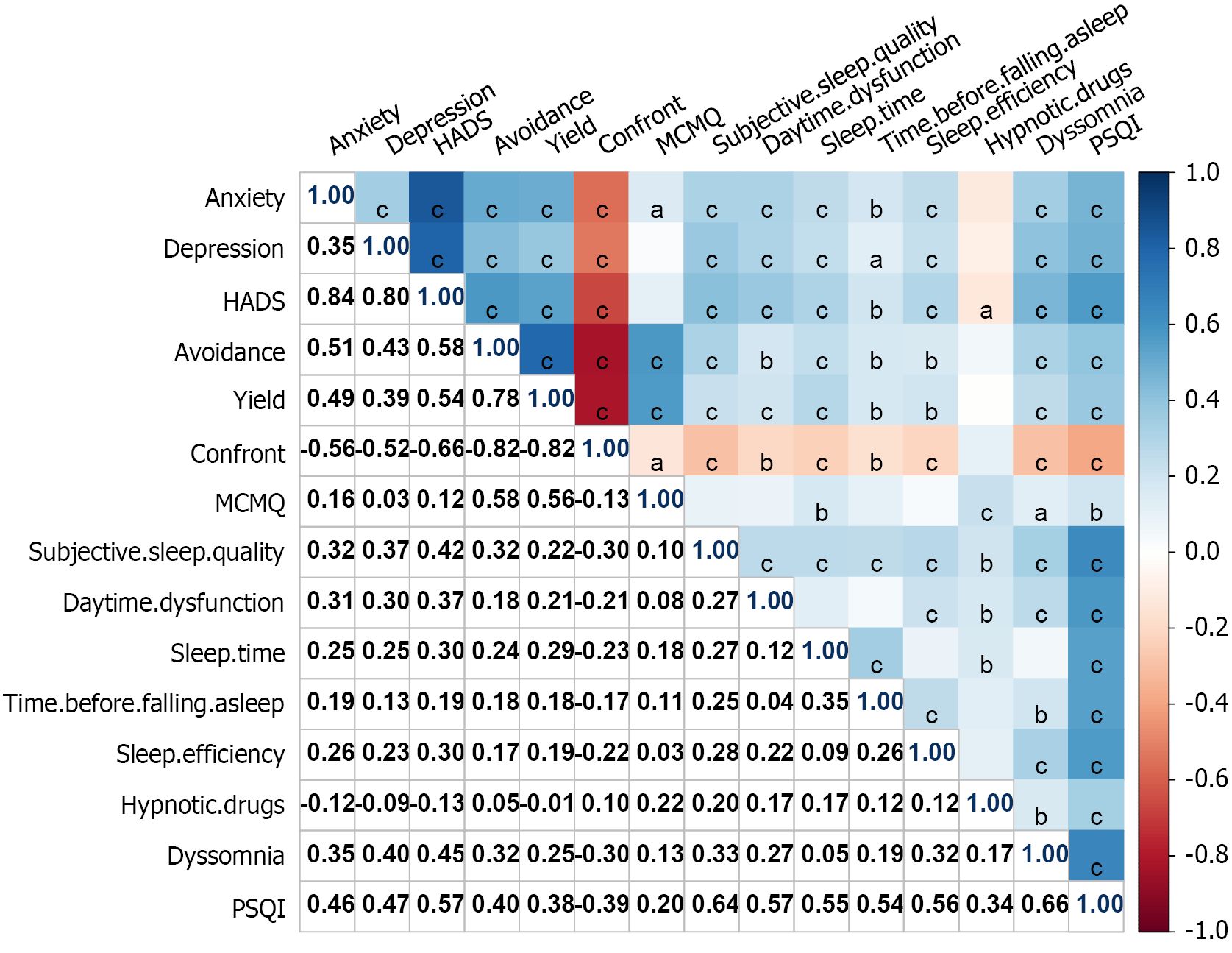
Figure 2 Correlation heatmap showing associations among sleep quality, coping styles, and anxiety and depression scores in patients with inflammatory bowel disease.
The color scale represents correlation coefficients (r) ranging from -1 to +1, with blue indicating positive and red indicating negative correlations. aP < 0.05; bP < 0.01; cP < 0.001. HADS: Hospital Anxiety and Depression Scale; MCMQ: Medical Coping Modes Questionnaire; PSQI: Pittsburgh Sleep Quality Index.
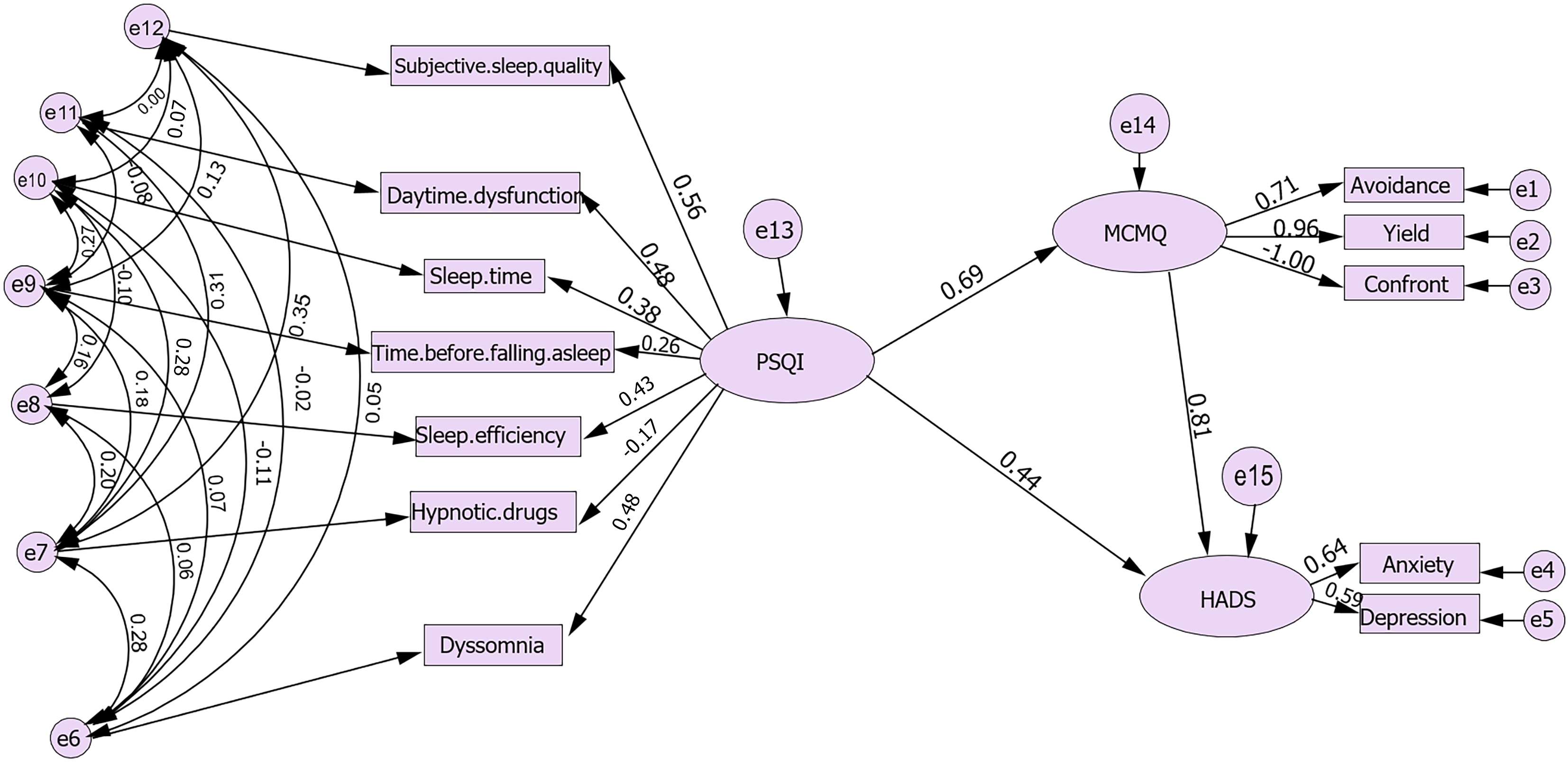
Figure 3 Structural equation model of factors influencing anxiety and depression in patients with inflammatory bowel disease.
The model illustrates the relationships between sleep quality, coping styles, and psychological outcomes. Poor sleep quality is associated with higher levels of anxiety and depression both directly and indirectly through maladaptive coping strategies. Standardized path coefficients are shown on the arrows. HADS: Hospital Anxiety and Depression Scale; PSQI: Pittsburgh Sleep Quality Index; MCMQ: Medical Coping Modes Questionnaire.
- Citation: Zeng Y, Yang X, Zhang XB, Liu Y, Sun J. Risk factors associated with anxiety and depression in patients with inflammatory bowel disease identified using structural equation modeling. World J Psychiatry 2026; 16(4): 115468
- URL: https://www.wjgnet.com/2220-3206/full/v16/i4/115468.htm
- DOI: https://dx.doi.org/10.5498/wjp.v16.i4.115468