
















©The Author(s) 2026.
World J Psychiatry. Jan 19, 2026; 16(1): 113130
Published online Jan 19, 2026. doi: 10.5498/wjp.v16.i1.113130
Published online Jan 19, 2026. doi: 10.5498/wjp.v16.i1.113130
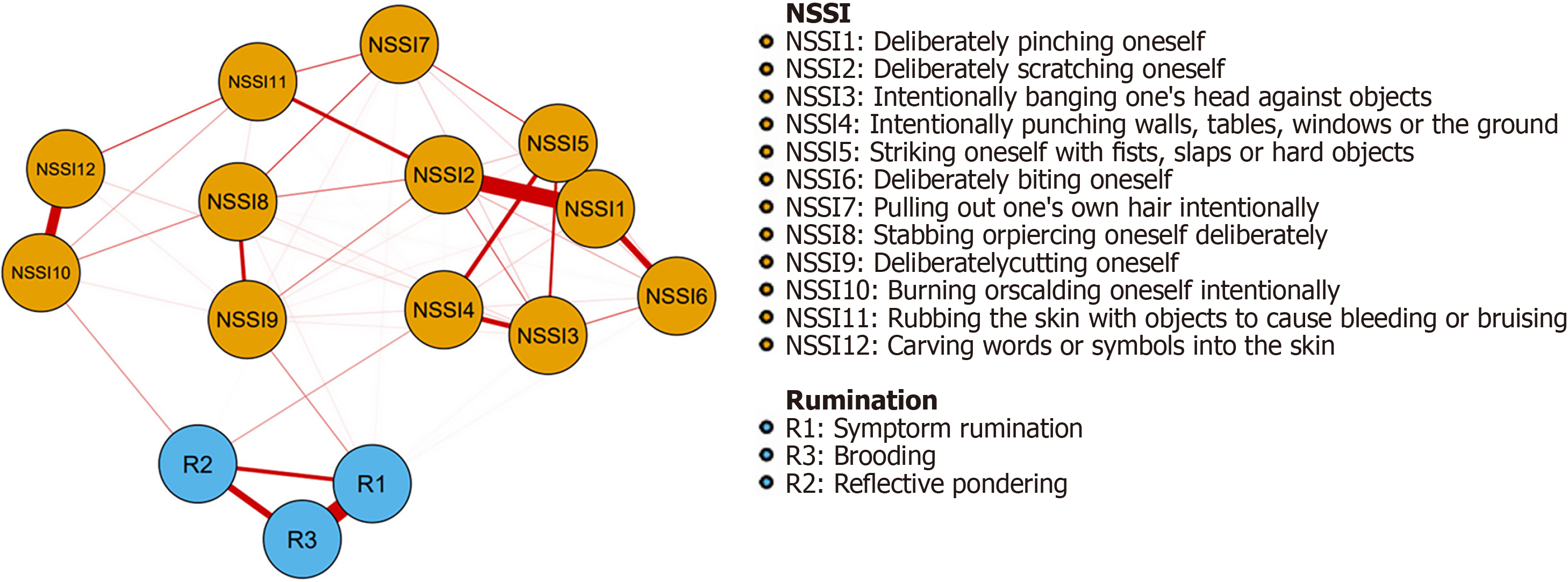
Figure 1 Network structure of rumination and non-suicidal self-injury in adolescents with depressive disorders.
This network illustrates the relationships between rumination subtypes (symptom-focused rumination, brooding, and reflective pondering) and non-suicidal self-injury behaviors. Solid red lines represent positive associations between symptoms. The thickness of the line represents the strength of the association between symptom nodes. NSSI: Non-suicidal self-injury.
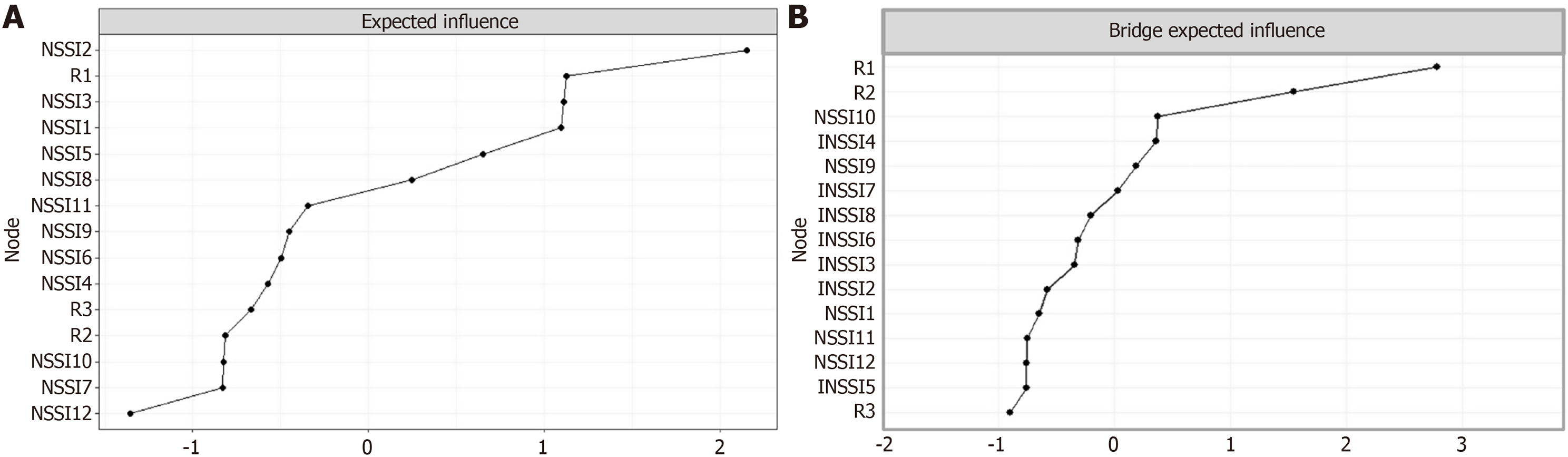
Figure 2 Standardized value (z-score) of expected influence and bridge expected influence for each node in the network.
A: Each point represents a symptom [rumination subtype or non-suicidal self-injury (NSSI) behavior]. The vertical axis shows the standardized expected influence (z-score) of each symptom, indicating how strongly it is connected to other symptoms in the network. Higher points correspond to more central symptoms with greater influence. The lines connecting points are for visualization purposes only and do not imply causal relationships; B: Each point represents a symptom (rumination subtype or NSSI behavior). The vertical axis shows the standardized bridge expected influence (z-score), indicating how strongly a symptom links different symptom clusters (e.g., cognitive and behavioral symptoms). Higher points indicate symptoms that act as bridges between networks. The lines connecting points are for visualization only and do not imply causal relationships. NSSI: Non-suicidal self-injury.
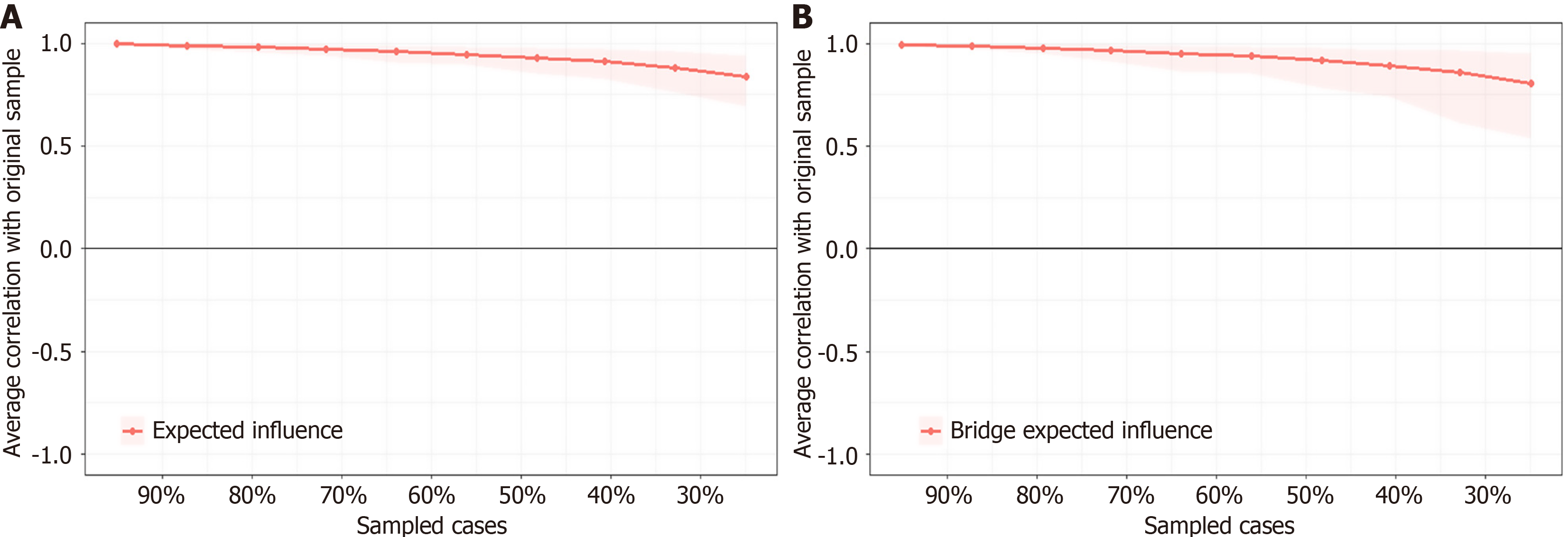
Figure 3 Stability of expected influence and the bridge expected influence values.
A: The red bar indicates the average correlation between expected influence values across bootstrap samples, reflecting the stability of the centrality estimates. Higher values suggest more reliable and stable measurements of symptom influence within the network; B: The red bar indicates the average correlation between bridge expected influence values across bootstrap samples, reflecting the stability of the centrality estimates. Higher values suggest more reliable and stable measurements of symptom influence within the network.
- Citation: Zhang FF, Guo R, Chen SL, Yang W, Liang XL, Ma MF. Network perspective on rumination and non-suicidal self-injury among adolescents with depressive disorders. World J Psychiatry 2026; 16(1): 113130
- URL: https://www.wjgnet.com/2220-3206/full/v16/i1/113130.htm
- DOI: https://dx.doi.org/10.5498/wjp.v16.i1.113130