
















©The Author(s) 2026.
World J Clin Oncol. Jan 24, 2026; 17(1): 116090
Published online Jan 24, 2026. doi: 10.5306/wjco.v17.i1.116090
Published online Jan 24, 2026. doi: 10.5306/wjco.v17.i1.116090
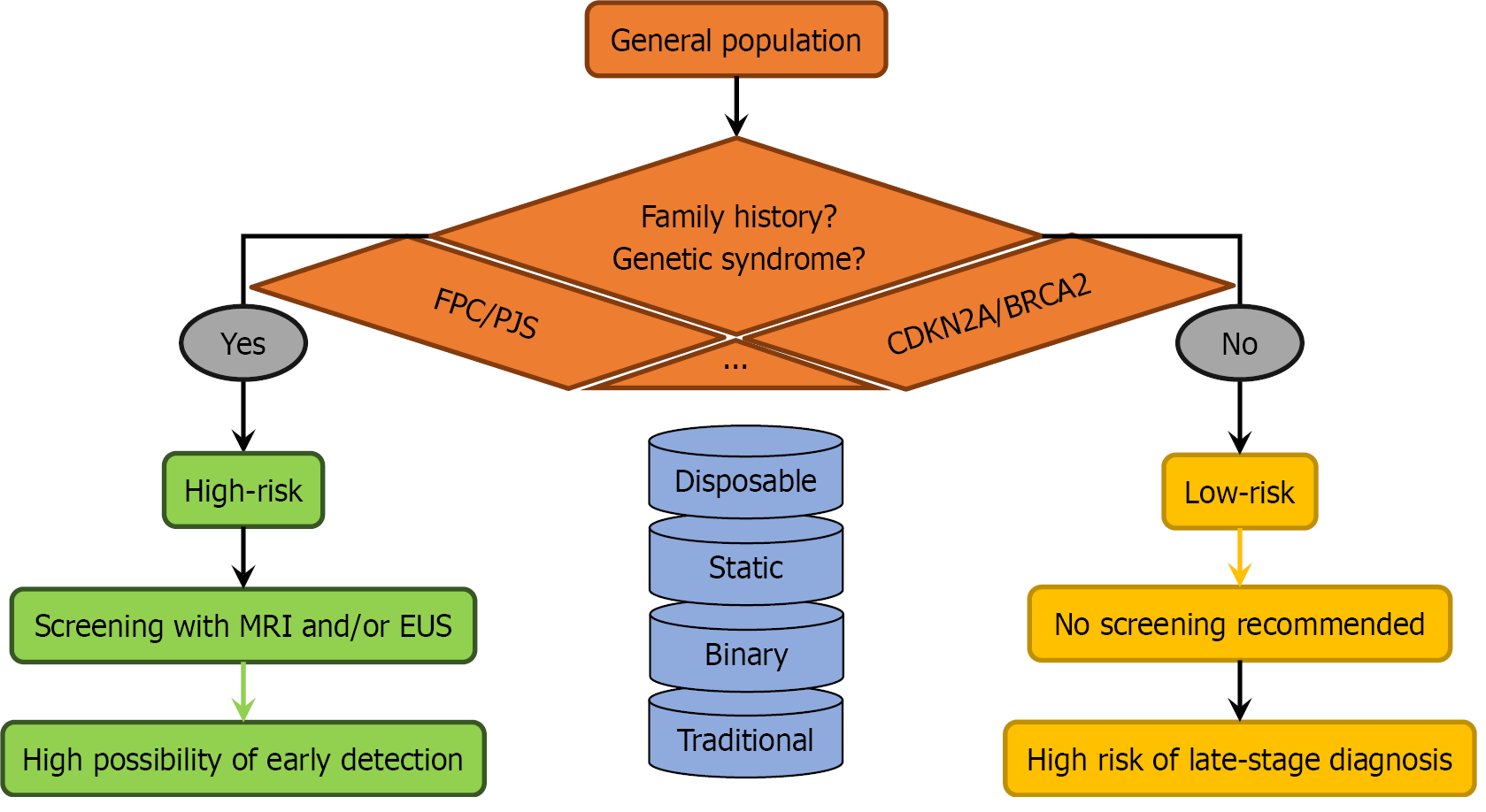
Figure 1 Traditional pancreatic cancer screening pathways and their limitations.
The core decision point in traditional screening models is a straightforward binary judgement process. A small number of individuals meeting stringent family history/genetic criteria are directed onto a high-risk screening pathway, receiving early detection (green arrow). The vast majority of individuals failing to meet these strict criteria are uniformly categorised as “low risk” and excluded from the screening system. The prominent yellow arrow clearly indicates the adverse outcome associated with this pathway, highlighting the core flaw of the traditional model: The failure to detect a substantial number of sporadic cases at an early stage. FPC: Familial pancreatic cancer; PJS: Peutz-Jeghers syndrome; CDKN2A: Cyclin-dependent kinase inhibitor 2A; BRCA2: Breast cancer susceptibility gene 2; MRI: Magnetic resonance imaging; EUS: Endoscopic ultrasound.
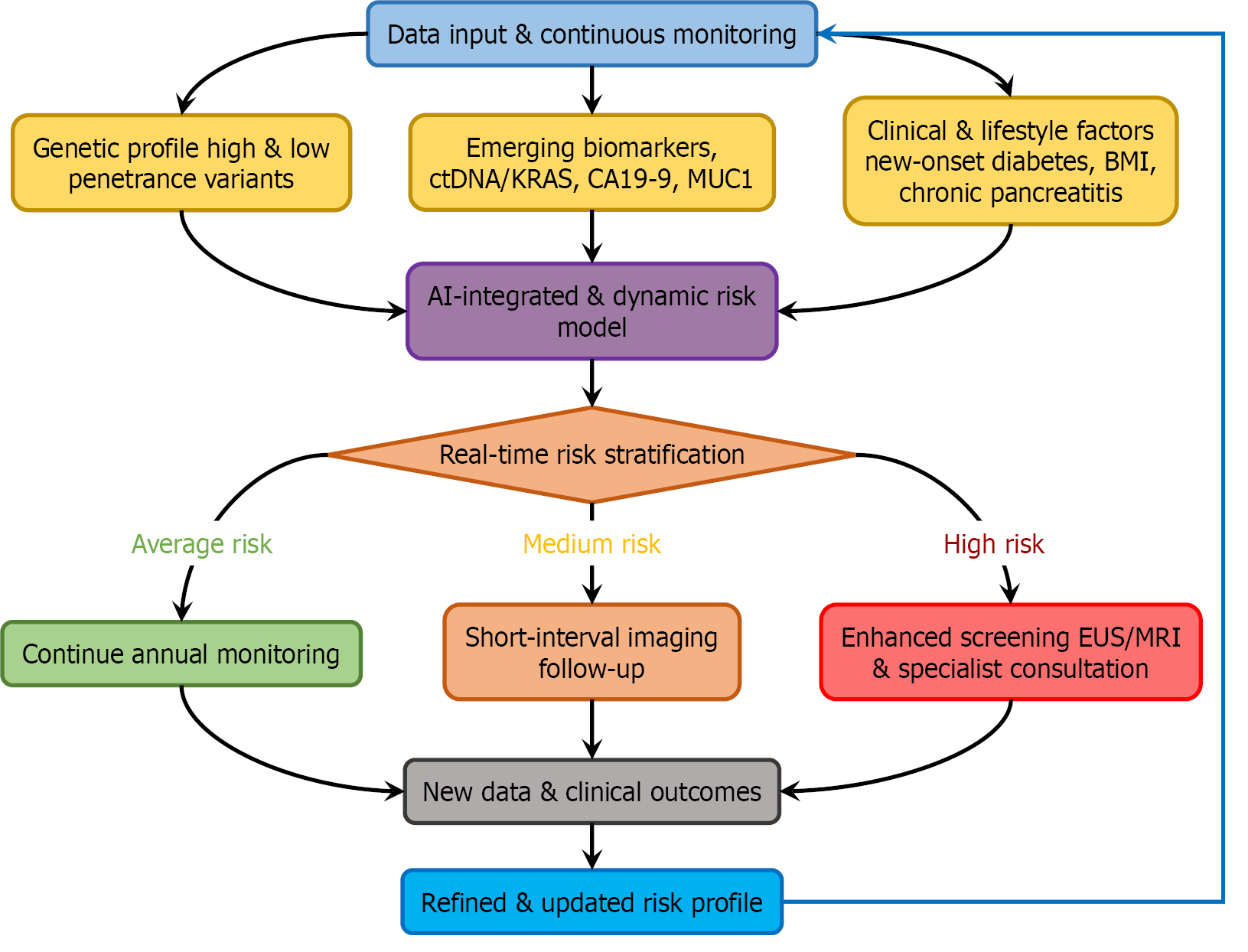
Figure 2 Dynamic risk stratification model based on multi-dimensional data integration.
This framework enables continuous acquisition of multidimensional data: Whole-genome polygenic risk scores, circulating tumor DNA/carbohydrate antigen 19-9 dynamics, and new-onset diabetes or lifestyle modifications. An artificial intelligence engine integrates these non-linear variables to generate a quantitative risk score that updates over time. Individuals are stratified in real-time into average-, medium-, or high-risk categories, triggering tiered interventions. Feedback from each downstream test or clinical event refines individual risk profiles and recalibrates the model. This adaptive design transforms screening from a disposable qualification process into a dynamic, evidence-based monitoring continuum, promising earlier detection while minimising over-testing. ctDNA: Circulating tumor DNA; KRAS: Kirsten rat sarcoma viral oncogene homolog; CA19-9: Carbohydrate antigen 19-9; MUC1: Mucin 1; BMI: Body mass index; AI: Artificial intelligence; EUS: Endoscopic ultrasound; MRI: Magnetic resonance imaging.
- Citation: Wang RG. Beyond sensitivity and specificity: Redefining the era connotation of “low-risk” in pancreatic cancer screening. World J Clin Oncol 2026; 17(1): 116090
- URL: https://www.wjgnet.com/2218-4333/full/v17/i1/116090.htm
- DOI: https://dx.doi.org/10.5306/wjco.v17.i1.116090