
















©The Author(s) 2026.
World J Clin Oncol. Jan 24, 2026; 17(1): 113244
Published online Jan 24, 2026. doi: 10.5306/wjco.v17.i1.113244
Published online Jan 24, 2026. doi: 10.5306/wjco.v17.i1.113244
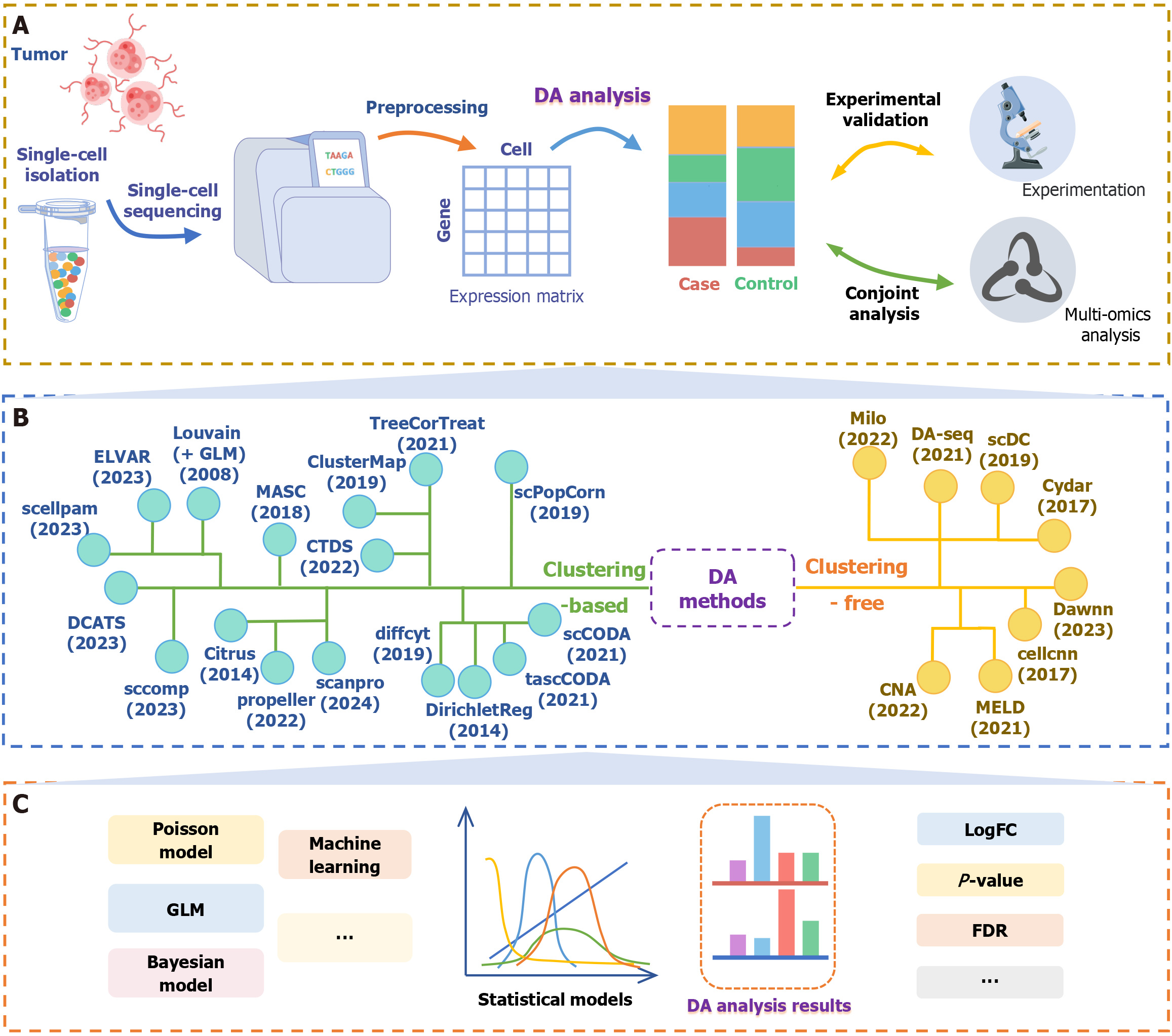
Figure 1 Overview of single-cell differential abundance detection.
A: The general workflow of single-cell differential abundance (DA) analysis. Data obtained from single-cell sequencing are preprocessed and then subjected to DA detection. The results of DA detection are often validated experimentally or integrated with multi-omics data to facilitate deeper insights into the dataset; B: Single-cell DA methods can be broadly categorized based on whether they rely on clustering strategies; C: Common statistical models and typical output metrics used in single-cell DA detection. DA: Differential abundance; GLM: Generalized linear models; logFC: Log2 fold change; FDR: False discovery rate.
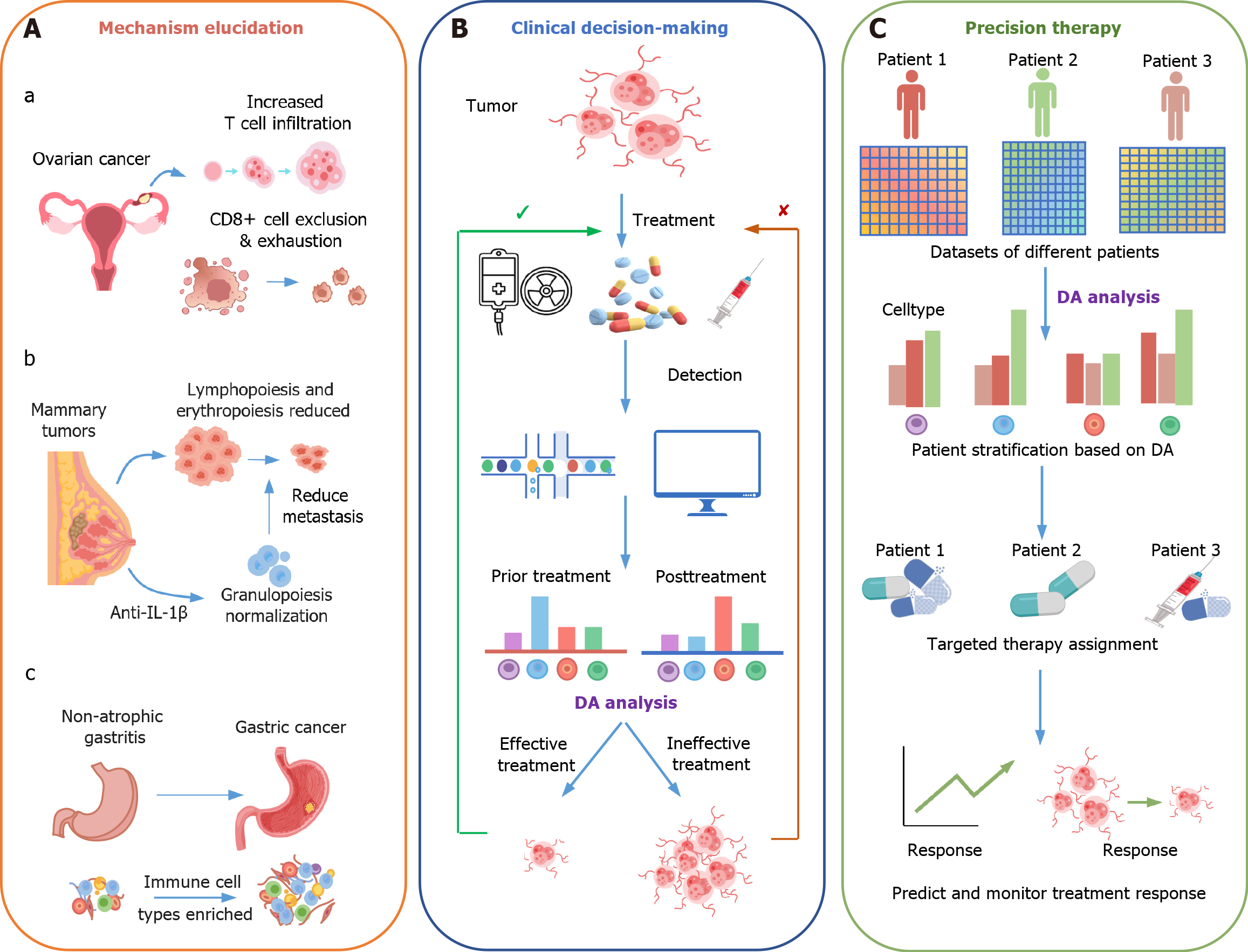
Figure 2 Three representative applications of differential abundance detection in tumor heterogeneity research.
A: Examples illustrating how differential abundance (DA) detection facilitates elucidation of mechanisms underlying tumor heterogeneity, ovarian cancer (a), mammary tumors (b), gastric cancer (c). By revealing changes in cellular composition, DA detection aids in the interpretation of tumor biology and resistance mechanisms; B: The role of DA detection in clinical decision-making. By comparing cell-type abundances before and after treatment, DA detection enables evaluation of therapeutic efficacy, helping clinicians to adjust treatment strategies promptly; C: The contribution of DA detection to advancing precision medicine. By performing individualized DA detection across patients with the same disease, DA detection supports personalized drug selection and continuously refines therapeutic outcomes, thereby promoting the development of precision therapy. IL: Interleukin; CD: Cluster of differentiation; DA: Differential abundance.
- Citation: Xiao YX, Sun J, Xie LL, Zou Y, Li T, Hao YJ, Li B. Single-cell differential abundance detection: A new angle on dissecting tumor heterogeneity. World J Clin Oncol 2026; 17(1): 113244
- URL: https://www.wjgnet.com/2218-4333/full/v17/i1/113244.htm
- DOI: https://dx.doi.org/10.5306/wjco.v17.i1.113244