
















©Author(s) (or their employer(s)) 2026.
World J Radiol. Feb 28, 2026; 18(2): 115610
Published online Feb 28, 2026. doi: 10.4329/wjr.v18.i2.115610
Published online Feb 28, 2026. doi: 10.4329/wjr.v18.i2.115610
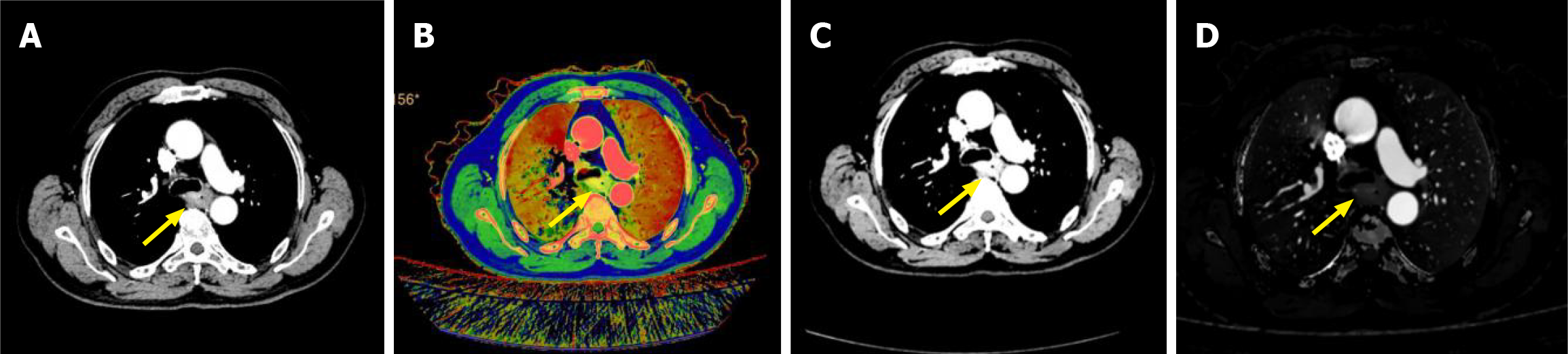
Figure 1 Esophageal cancer and dual-layer spectral computed tomography images.
A: Conventional computed tomography image in the arterial phase (AP); B: Effective atomic number in the AP; C: Virtual monochromatic image; D: Iodine concentration computed tomography in the AP.
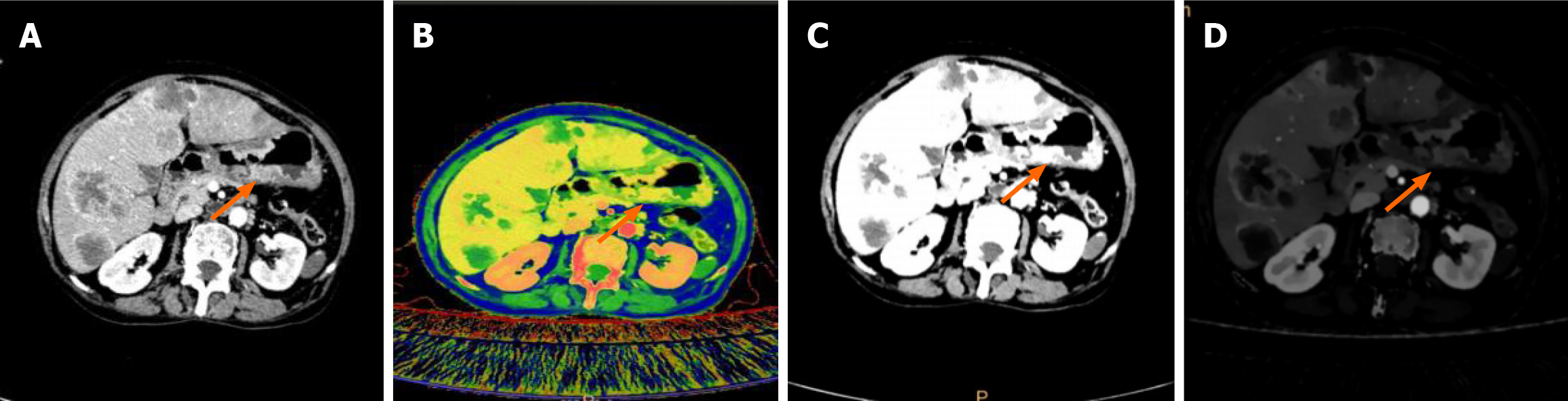
Figure 2 Gastric cancer and dual-layer spectral computed tomography images.
A: Conventional computed tomography image in the arterial phase (AP); B: Effective atomic number in the AP; C: Virtual monochromatic image; D: Iodine concentration in the AP.
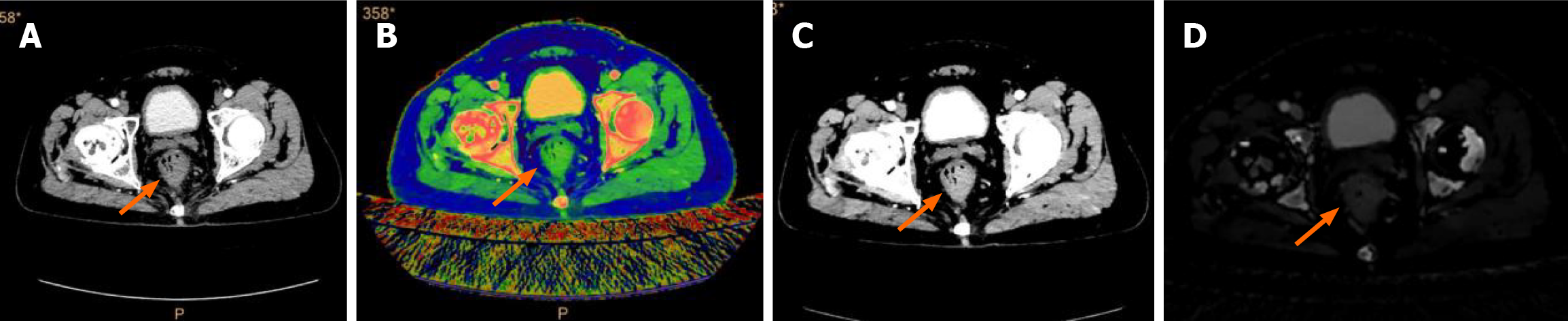
Figure 3 Colorectal cancer and dual-layer spectral computed tomography images.
A: Conventional computed tomography image in the arterial phase (AP); B: Effective atomic number in the AP; C: Virtual monochromatic image; D: Iodine concentration in the AP.
- Citation: Yan HY, Zhang B, Han ZG, Ren JZ, Liu YQ. Research progress of the clinical application of dual-layer spectral computed tomography in gastrointestinal malignancies. World J Radiol 2026; 18(2): 115610
- URL: https://www.wjgnet.com/1949-8470/full/v18/i2/115610.htm
- DOI: https://dx.doi.org/10.4329/wjr.v18.i2.115610