
















©The Author(s) 2026.
World J Gastrointest Surg. Jan 27, 2026; 18(1): 112954
Published online Jan 27, 2026. doi: 10.4240/wjgs.v18.i1.112954
Published online Jan 27, 2026. doi: 10.4240/wjgs.v18.i1.112954
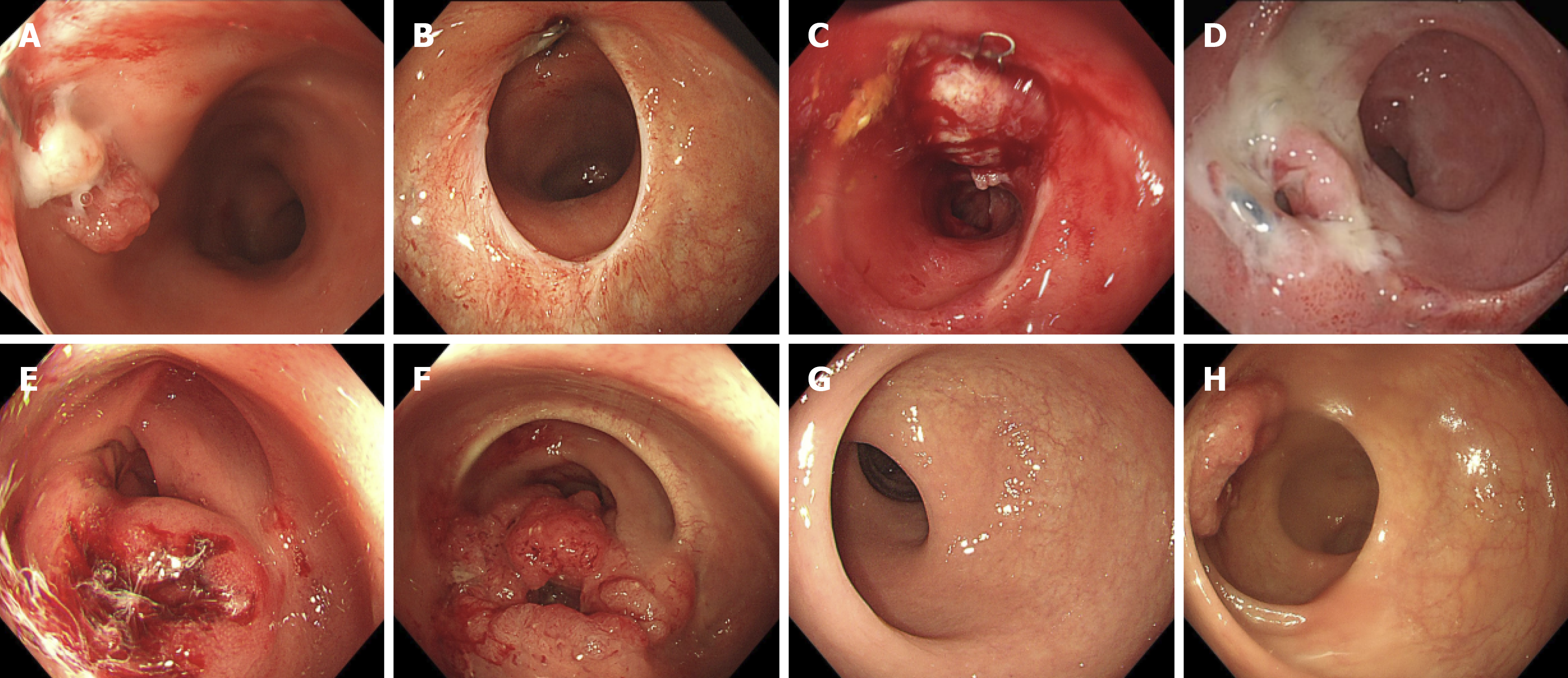
Figure 1 Cases of missed colorectal cancer.
A: Four months after rectal cancer surgery, colonoscopy revealed polypoid changes near the anastomotic site. Post-polypectomy pathology indicated tubular adenoma with high-grade intraepithelial neoplasia; B: Three months after polypectomy, colonoscopy showed no abnormalities; C: Four months later, follow-up colonoscopy confirmed adenocarcinoma at the anastomotic site; D: Five months after rectal cancer surgery, follow-up colonoscopy suggested an anastomotic fistula at the anastomotic site, but no biopsy was performed; E: Two years later, colonoscopy indicated swelling of the anastomotic mucosa with undetermined nature; biopsy pathology revealed moderate chronic mucosal inflammation; F: Nine months later, follow-up colonoscopy confirmed adenocarcinoma at the anastomotic site; G: During the initial colonoscopy, no lesions were identified in the rectum; H: Two years later, repeat colonoscopy confirmed adenocarcinoma in the rectum.
- Citation: Li Y, Wang CY, Li YX, Wu ZJ, Guo LJ. Clinical features of post-colonoscopy colorectal cancer and real-world multi-scale correlation analysis. World J Gastrointest Surg 2026; 18(1): 112954
- URL: https://www.wjgnet.com/1948-9366/full/v18/i1/112954.htm
- DOI: https://dx.doi.org/10.4240/wjgs.v18.i1.112954