
















Copyright: ©Author(s) 2026.
World J Hepatol. Apr 27, 2026; 18(4): 117456
Published online Apr 27, 2026. doi: 10.4254/wjh.v18.i4.117456
Published online Apr 27, 2026. doi: 10.4254/wjh.v18.i4.117456
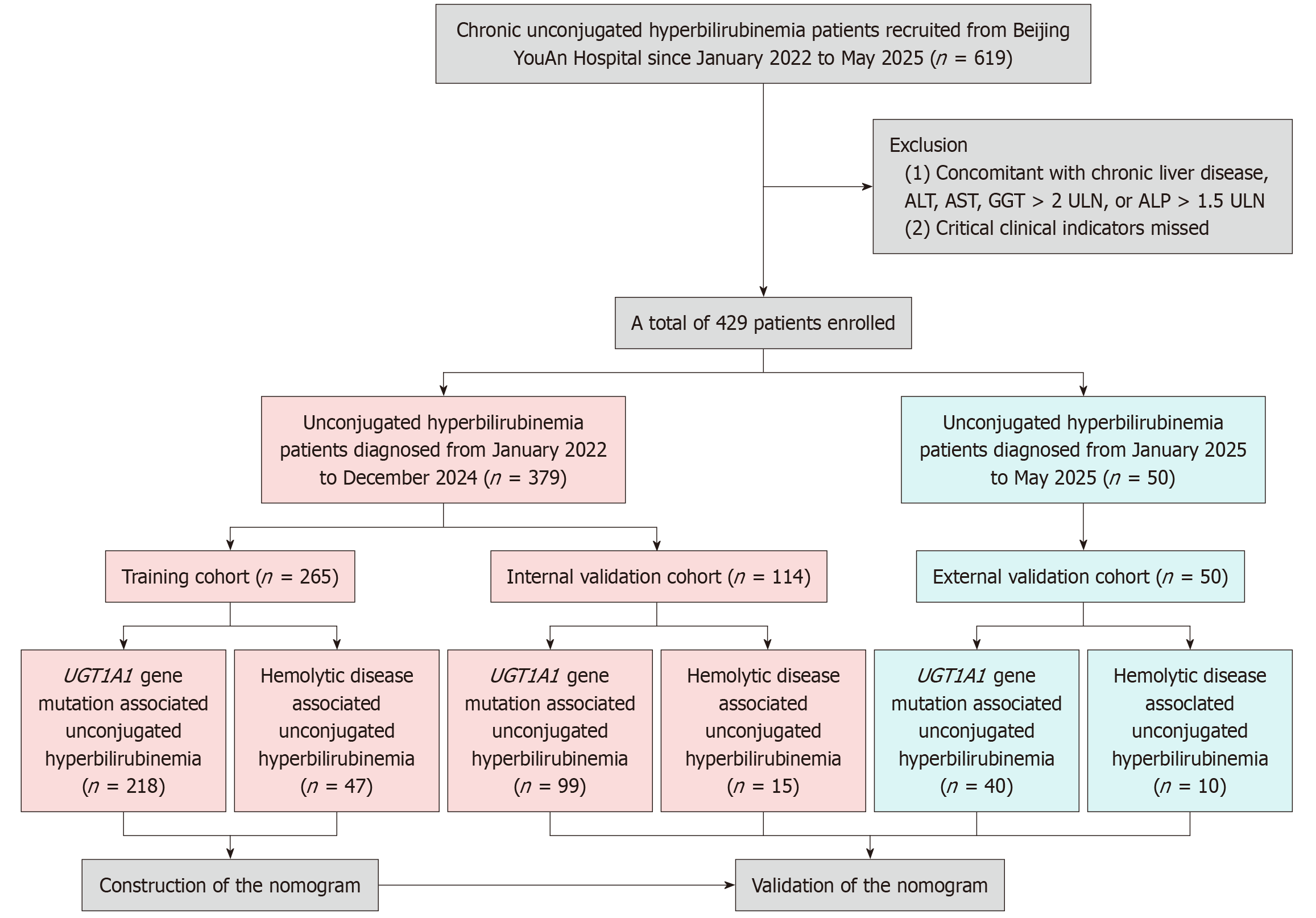
Figure 1 Research flowchart.
ALT: Alanine aminotransferase; AST: Aspartate aminotransferase; GGT: Gamma-glutamyl transpeptidase; ALP: Alkaline phosphatase; ULN: Upper limit of normal; UGT1A1: Uridine diphosphate glucuronosyltransferase 1A1.
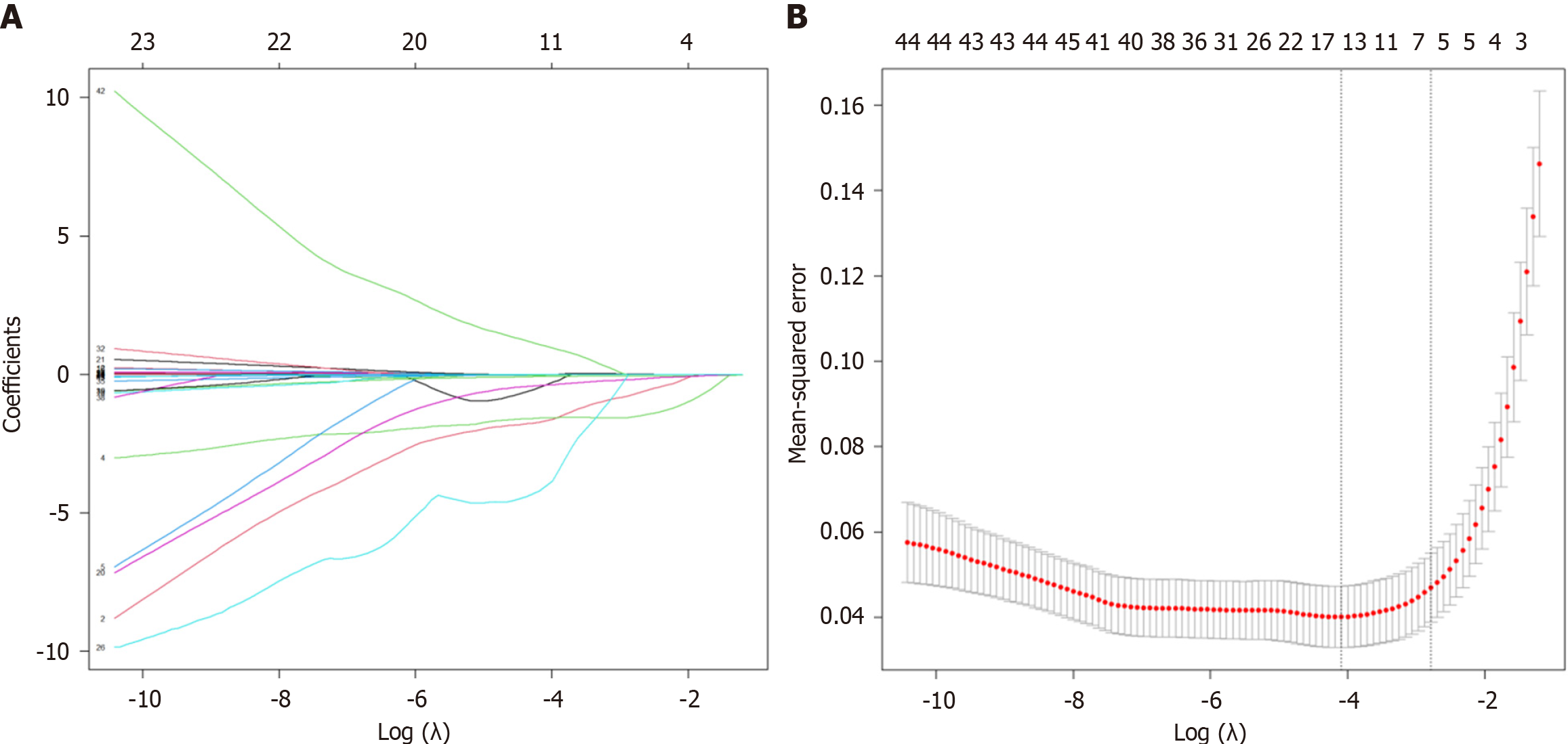
Figure 2 Least absolute shrinkage and selection operator regression result.
A: Coefficient profiles; B: Ten-fold cross-validation for tuning parameter selection.
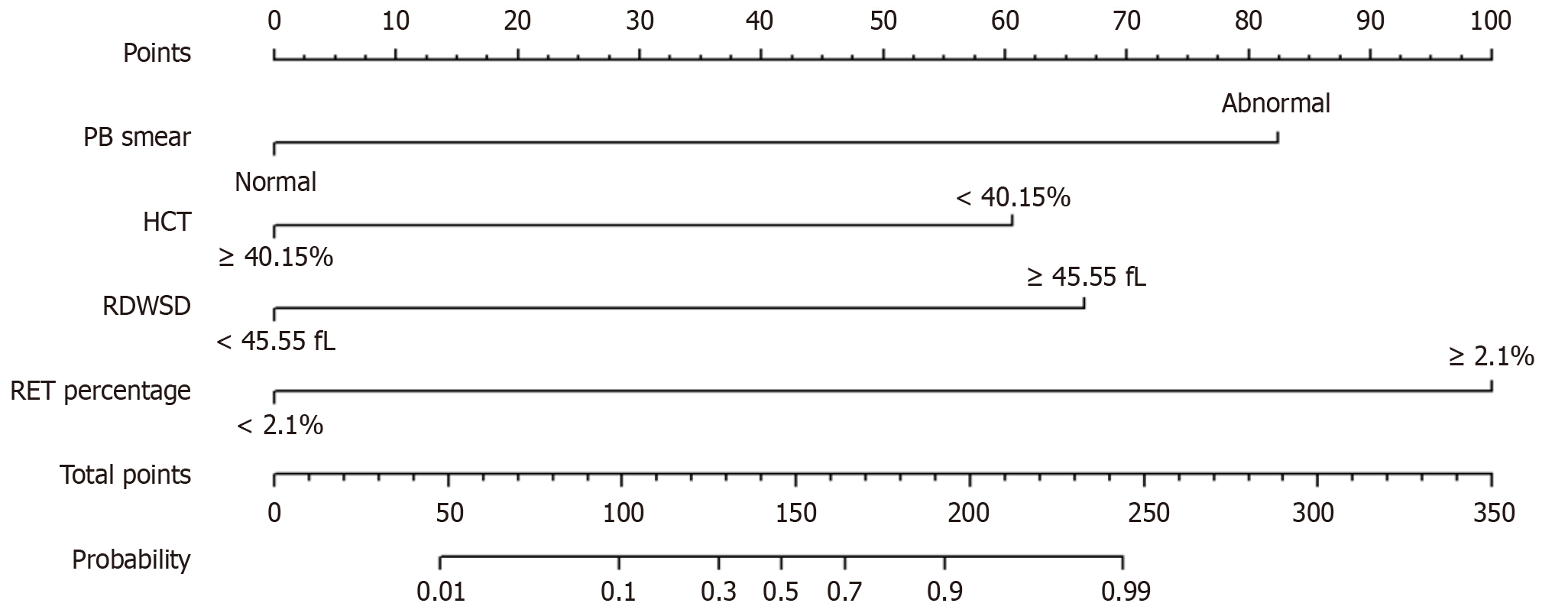
Figure 3 A diagnostic nomogram based on the multivariable logistic regression model.
PB: Peripheral blood; HCT: Hematocrit; RDWSD: Red cell distribution width-standard deviation; RET: Reticulocyte.
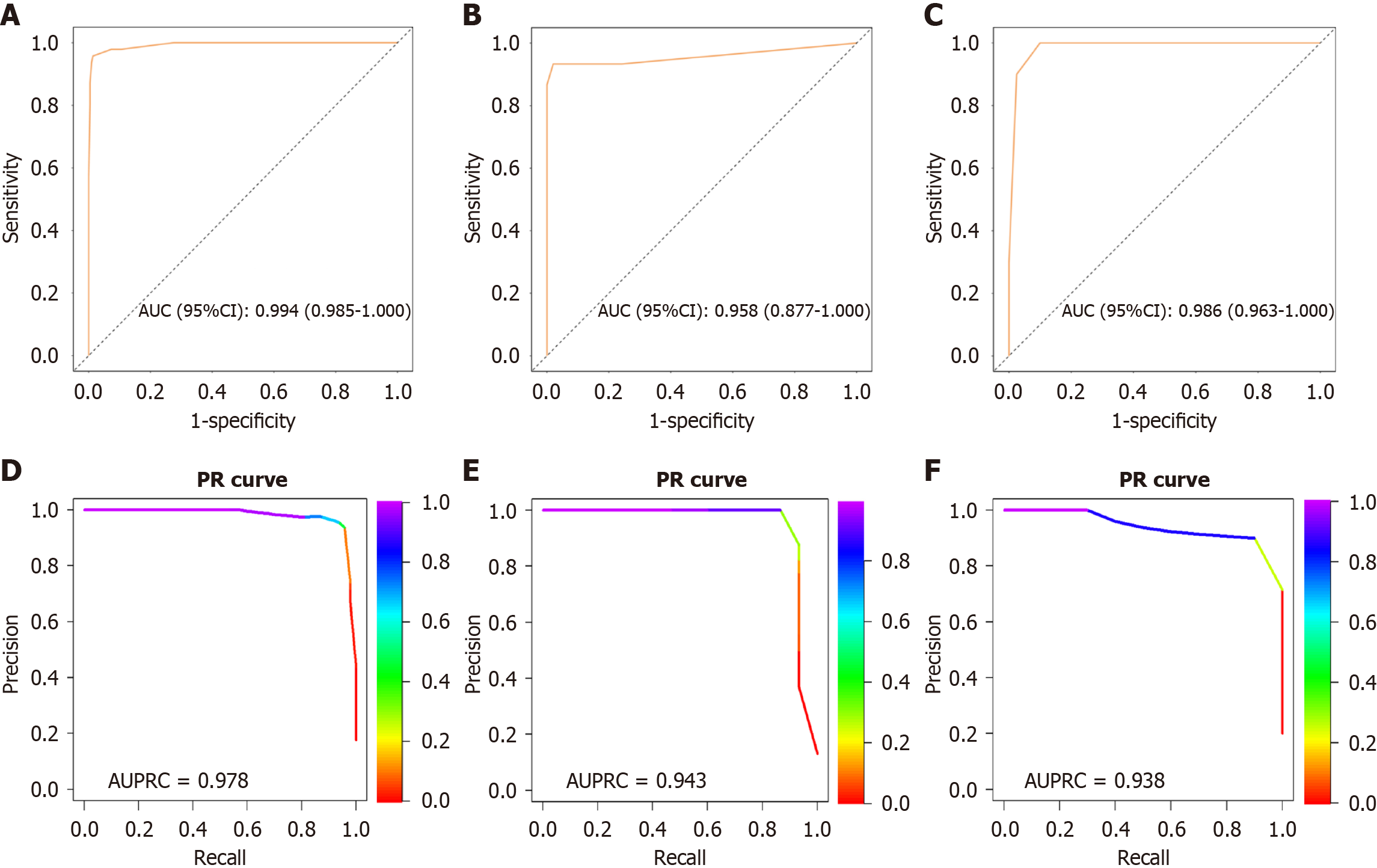
Figure 4 Receiver operating characteristic curves and precision-recall curves for the nomogram.
A: Receiver operating characteristic curves in the training cohort; B: Receiver operating characteristic curves in the internal validation cohort; C: Receiver operating characteristic curves in the external validation cohort; D: Precision-recall curves in the training cohort; E: Precision-recall curves in the internal validation cohort; F: Precision-recall curves in the external validation cohort. AUC: Area under the receiver operating characteristic; PR: Precision-recall; AUPRC: Area under the precision-recall curve.
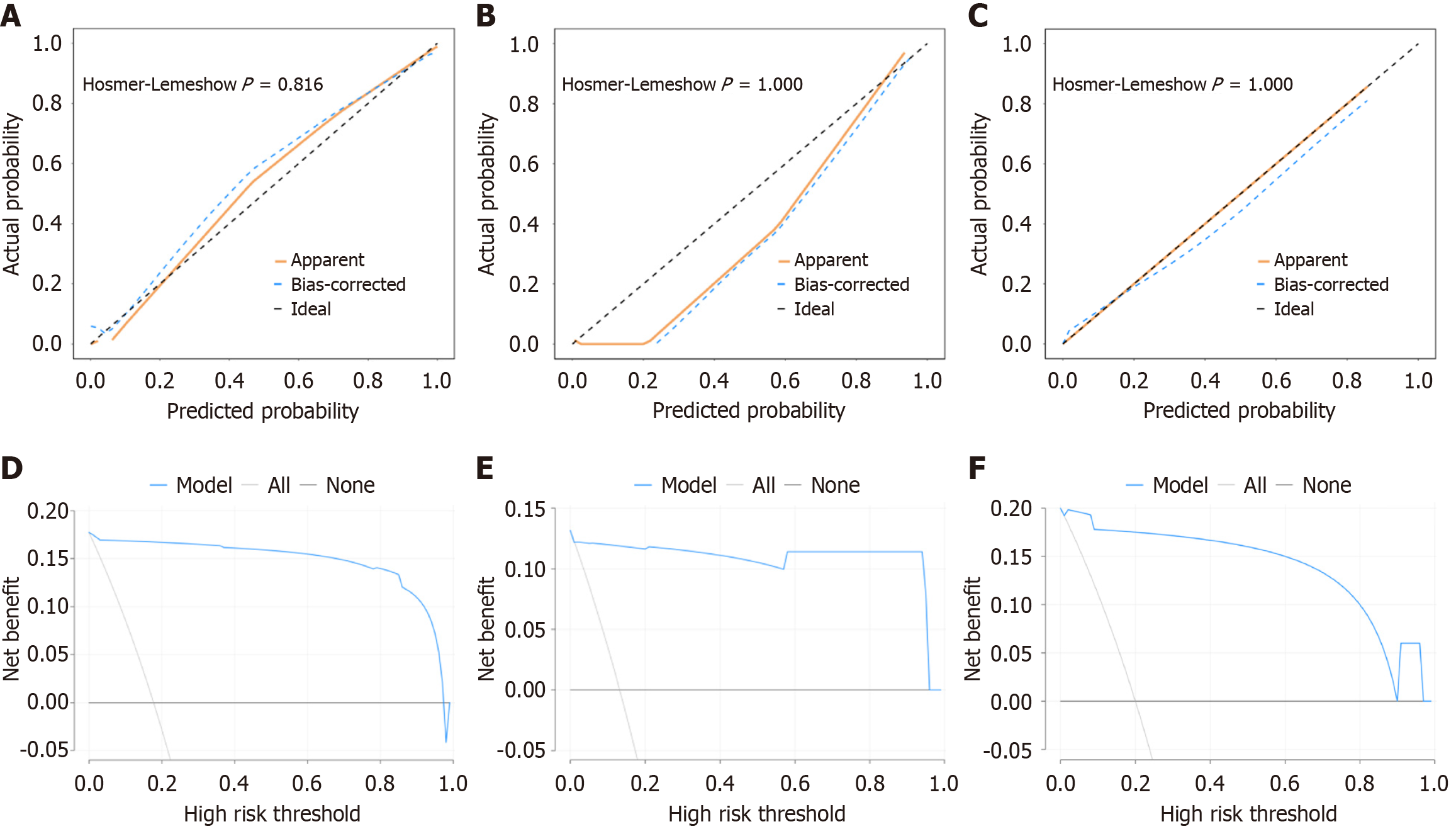
Figure 5 Calibration curves and decision curve analysis results of the nomogram.
A: Calibration curves of nomogram in the training cohort; B: Calibration curves of nomogram in the internal validation cohort; C: Calibration curves of nomogram in the external validation cohort; D: Decision curve analysis of nomogram in the training cohort; E: Decision curve analysis of nomogram in the internal validation cohort; F: Decision curve analysis of nomogram in the external validation cohort.
- Citation: Yu HT, Li MH, Tang S, Liang C, Sheng DC, Jiang H, Dong JX, Hou W, Zheng SJ. Novel nomogram for differential diagnosis of UGT1A1 gene mutation-associated unconjugated hyperbilirubinemia with hemolytic diseases. World J Hepatol 2026; 18(4): 117456
- URL: https://www.wjgnet.com/1948-5182/full/v18/i4/117456.htm
- DOI: https://dx.doi.org/10.4254/wjh.v18.i4.117456