
















Copyright: ©Author(s) 2026.
World J Hepatol. Apr 27, 2026; 18(4): 116710
Published online Apr 27, 2026. doi: 10.4254/wjh.v18.i4.116710
Published online Apr 27, 2026. doi: 10.4254/wjh.v18.i4.116710
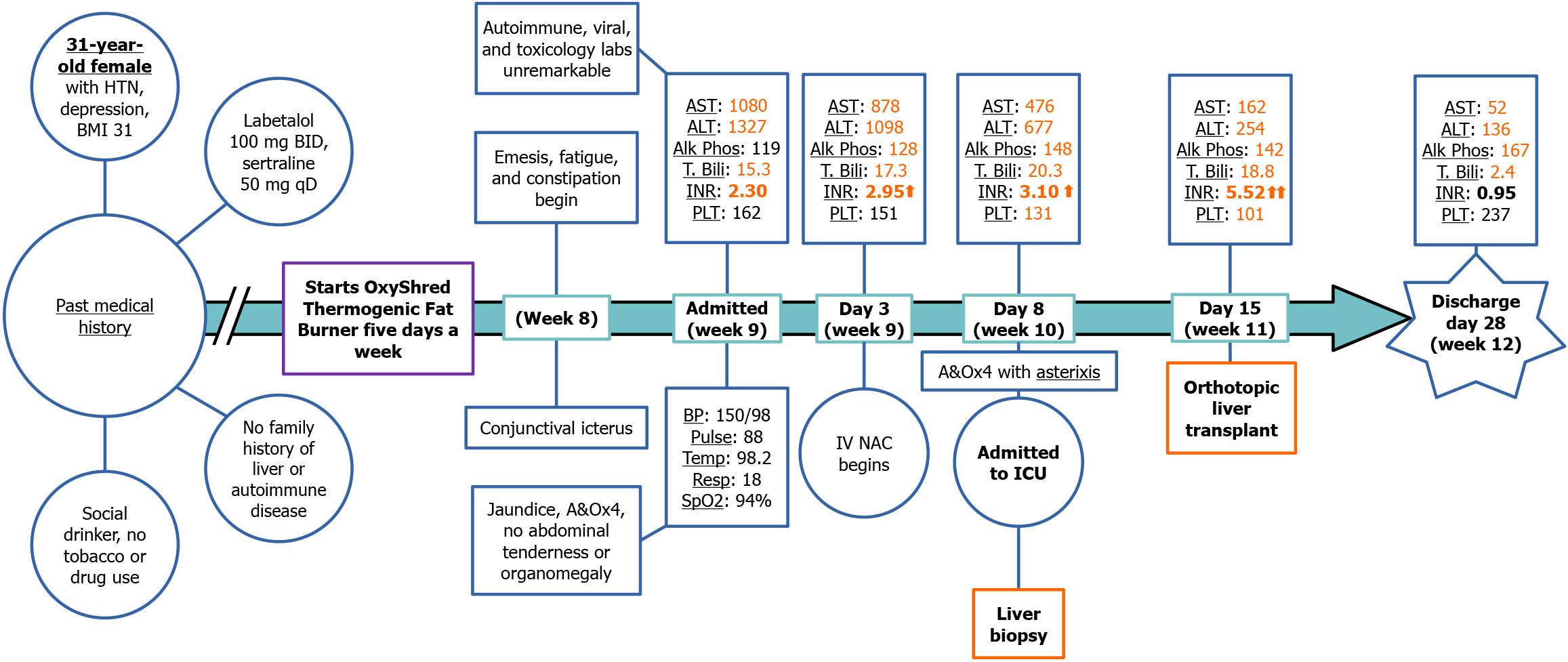
Figure 1 A timeline of the progression of our patient’s clinical course.
ALP: Alkaline phosphatase; ALT: Alanine aminotransferase; AST: Aspartate aminotransferase; BMI: Body mass index; BP: Blood pressure; HR: Heart rate; HTN: Hypertension; ICU: Intensive care unit; INR: International normalized ratio; IV: Intravenous; NAC: N-acetylcysteine; RR: Respiratory rate; SpO2: Oxygen saturation; T: Temperature; T. Bili: Total bilirubin; OxyShred: OxyShred thermogenic fat burner.
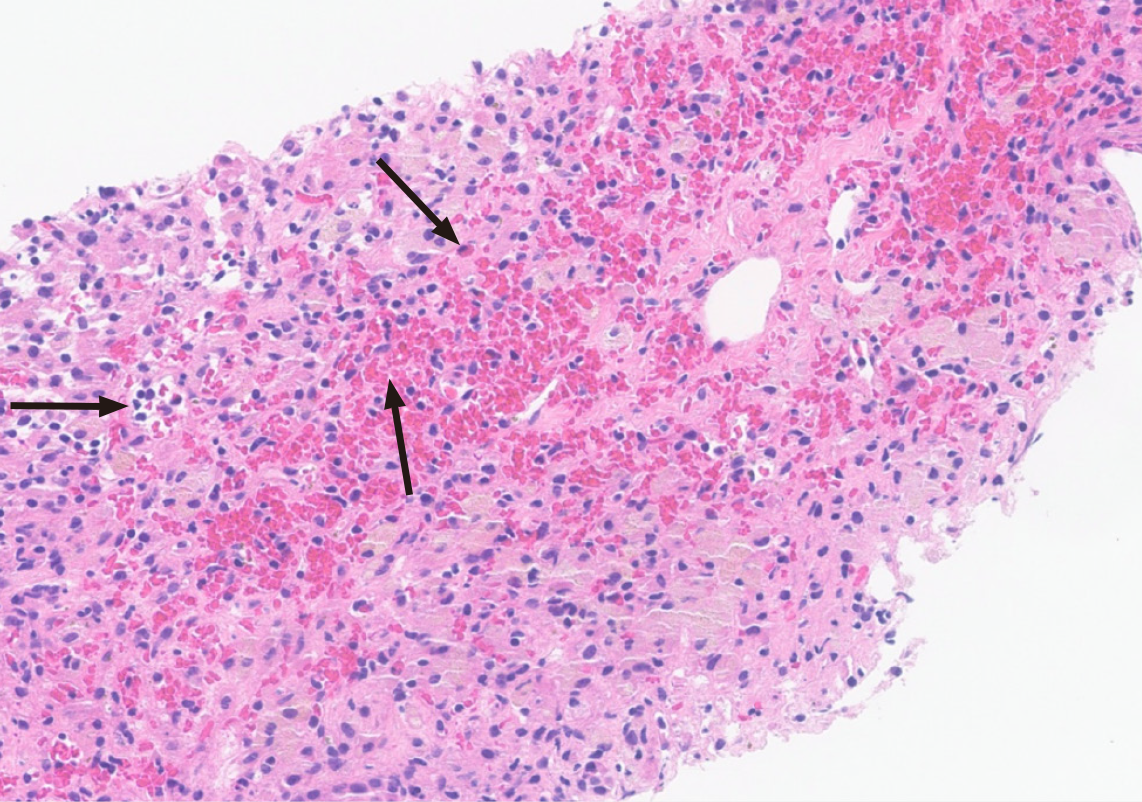
Figure 2 Liver biopsy demonstrating effacement of the normal architecture with parenchymal collapse.
> 90% of hepatic parenchyma is replaced with inflammatory cells, bile ductal reaction, hemorrhage, fibrin and necrotic hepatocytes. Areas of preserved hepatocytes showed a predominantly lymphocytic infiltrate. No significant steatosis. Features were determined to be most suggestive of a drug-induced liver injury.
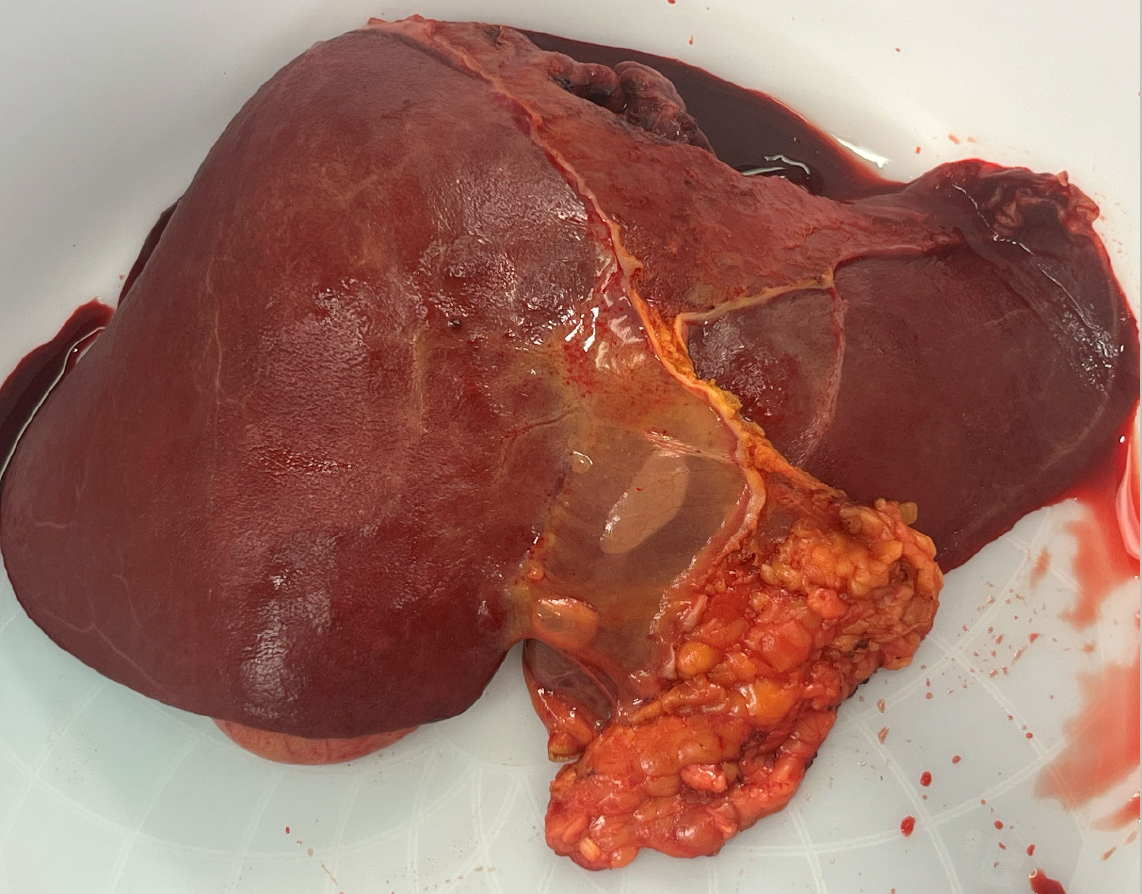
Figure 3 Explanted liver.
Pathology reported extensive hepatocyte necrosis and marked hepatocyte drop-out, involving > 90% of the liver parenchyma (arrows). No viral cytopathic changes. Trichrome stain showed no significant fibrosis. Reticulin stain highlights marked hepatic atrophy. Iron stain was negative for hemosiderosis.
- Citation: Householder S, Brazer N, Ilagan-Ying YC. Acute liver failure linked to OxyShred pre-workout supplement: A case report and review of literature. World J Hepatol 2026; 18(4): 116710
- URL: https://www.wjgnet.com/1948-5182/full/v18/i4/116710.htm
- DOI: https://dx.doi.org/10.4254/wjh.v18.i4.116710