
















Copyright: ©Author(s) 2026.
World J Hepatol. Mar 27, 2026; 18(3): 113366
Published online Mar 27, 2026. doi: 10.4254/wjh.v18.i3.113366
Published online Mar 27, 2026. doi: 10.4254/wjh.v18.i3.113366
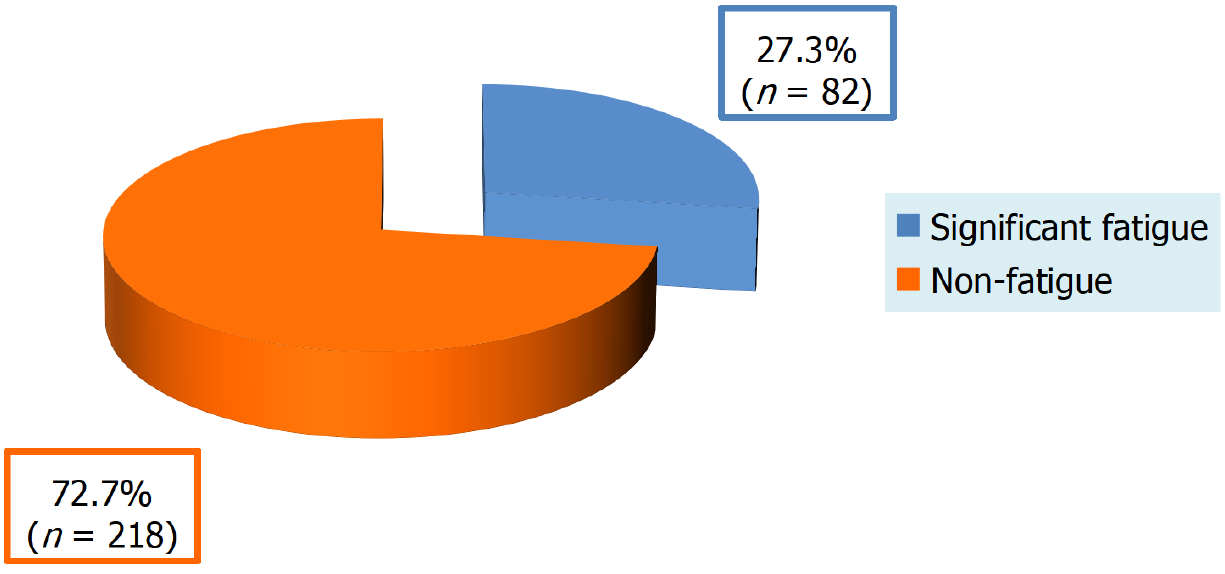
Figure 1 Prevalence of significant fatigue among chronic hepatitis C virus infected patients.
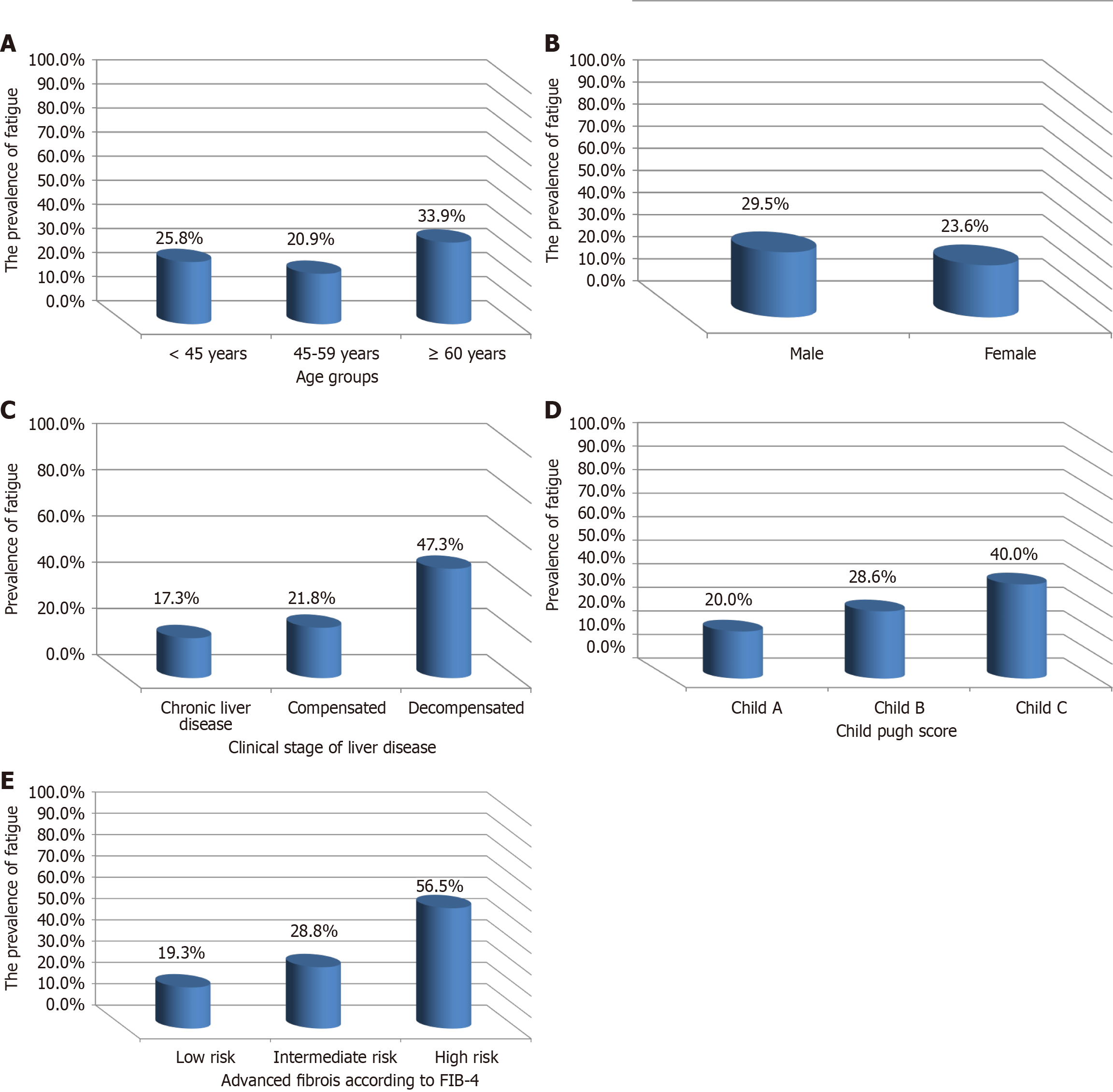
Figure 2 Prevalence of significant fatigue in different chronic hepatitis C virus infected patients.
A: Prevalence of significant fatigue stratified according to age; B: Prevalence of significant fatigue stratified according to gender; C: Prevalence of significant fatigue stratified according to clinical stage of liver disease; D: Prevalence of significant fatigue stratified according to Child classification; E: Prevalence of significant fatigue stratified according to degree of fibrosis according to fibrosis-4. FIB-4: Fibrosis-4.
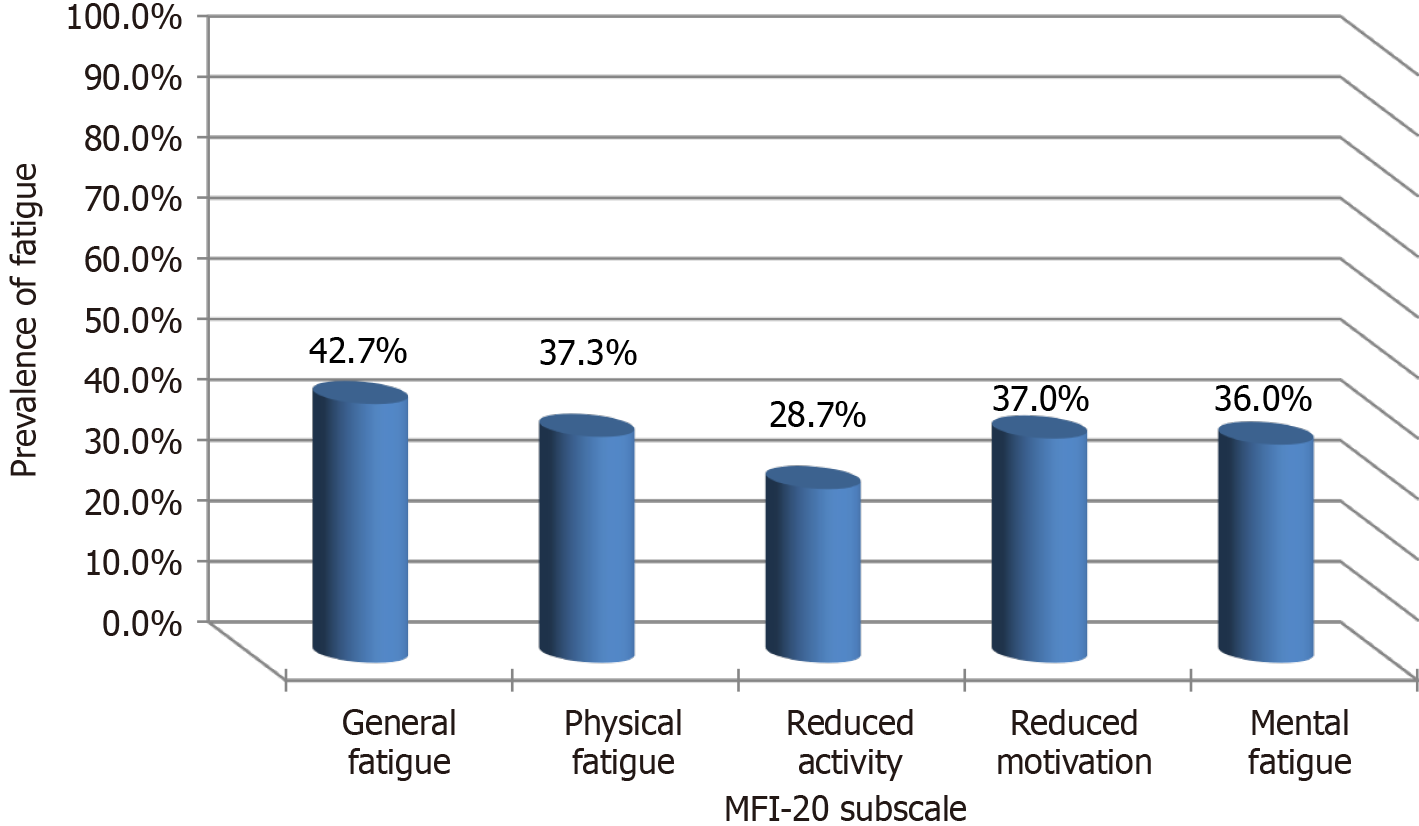
Figure 3 Prevalence of significant fatigue according to different 20-item multidimensional fatigue inventory subscales in chronic hepatitis C virus infected patients.
MFI-20: 20-item multidimensional fatigue inventory.
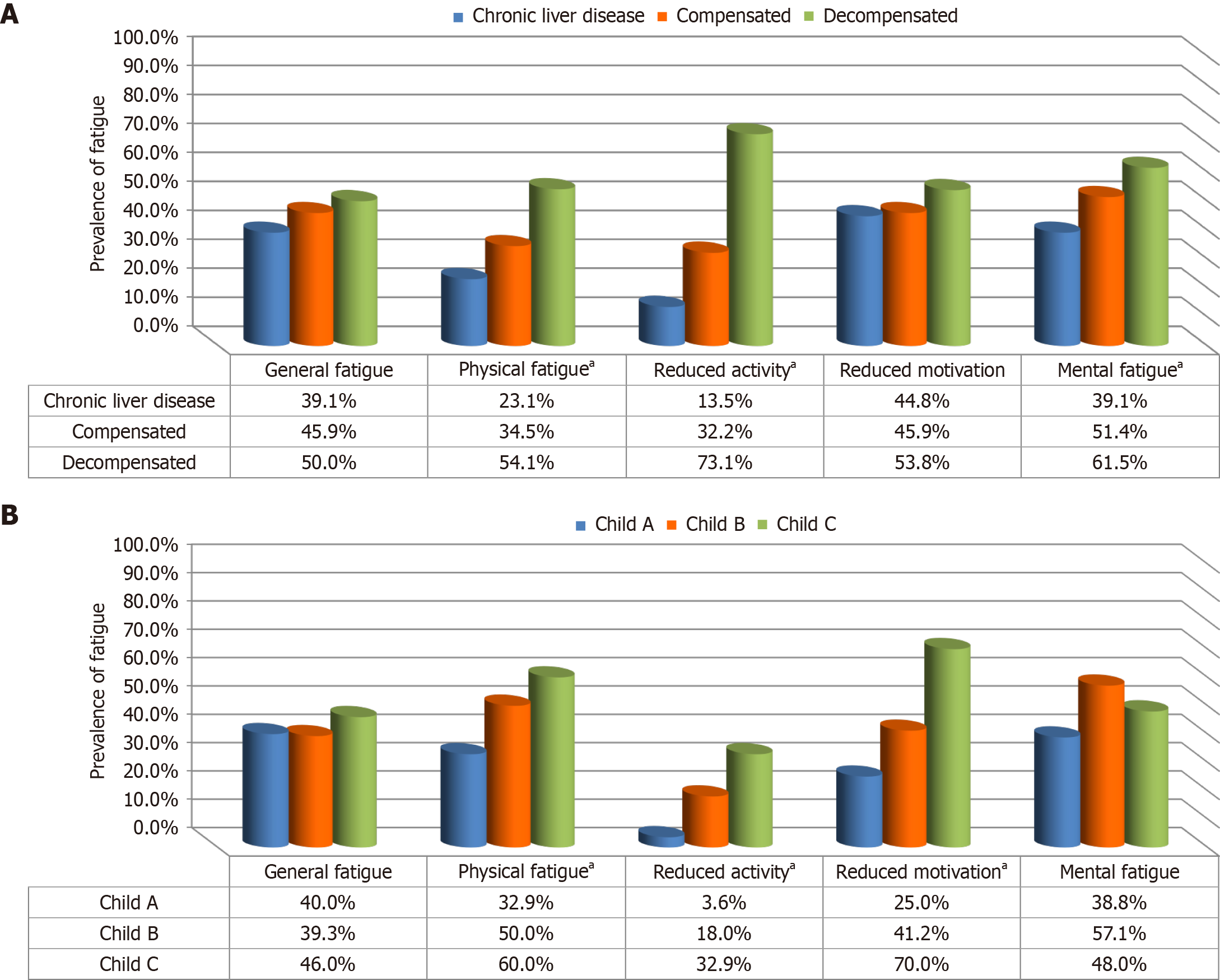
Figure 4 Different dimensions of fatigue caused by different factors.
A: Prevalence of significant 20-item multidimensional fatigue inventory (MFI-20) subscales significant fatigue stratified according to clinical stage of liver disease; B: Prevalence of MFI-20 subscales significant fatigue stratified according to Child classification. aP < 0.05.
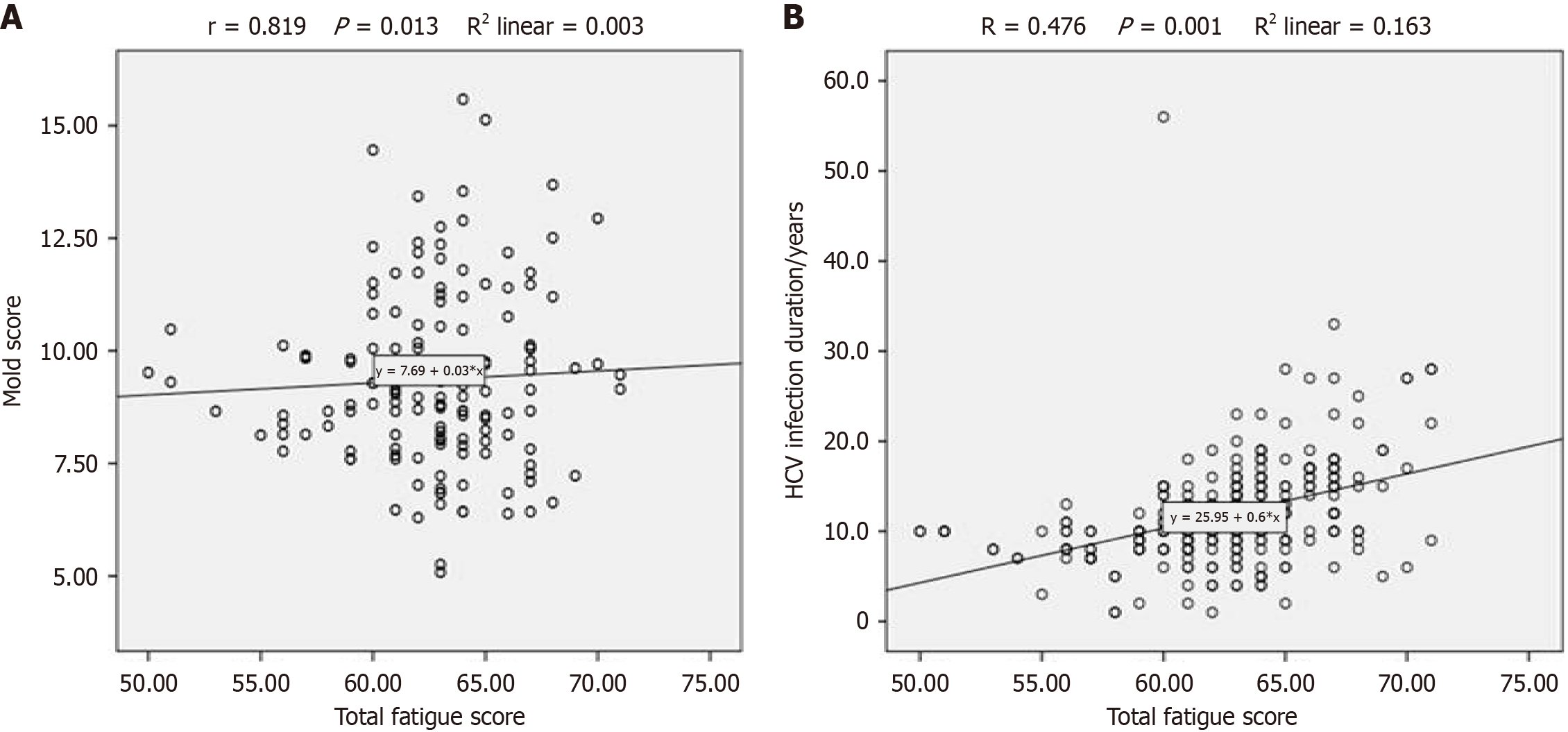
Figure 5 Illustrated correlation between total fatigue score and other variable.
A: Correlation between total 20-item multidimensional fatigue inventory (MFI-20) fatigue score and meld score (r = 0.819, P = 0.013); B: Correlation between total MFI-20 fatigue score and duration of hepatitis C virus infection/years. HCV: Hepatitis C virus.
- Citation: Tahoon MA, Elkhadry SW, Abdelsameea E, Ashour R. Fatigue assessment in Egyptian patients with hepatitis C virus-related chronic liver disease: Single center study. World J Hepatol 2026; 18(3): 113366
- URL: https://www.wjgnet.com/1948-5182/full/v18/i3/113366.htm
- DOI: https://dx.doi.org/10.4254/wjh.v18.i3.113366