
















©The Author(s) 2025.
World J Hepatol. Dec 27, 2025; 17(12): 111153
Published online Dec 27, 2025. doi: 10.4254/wjh.v17.i12.111153
Published online Dec 27, 2025. doi: 10.4254/wjh.v17.i12.111153
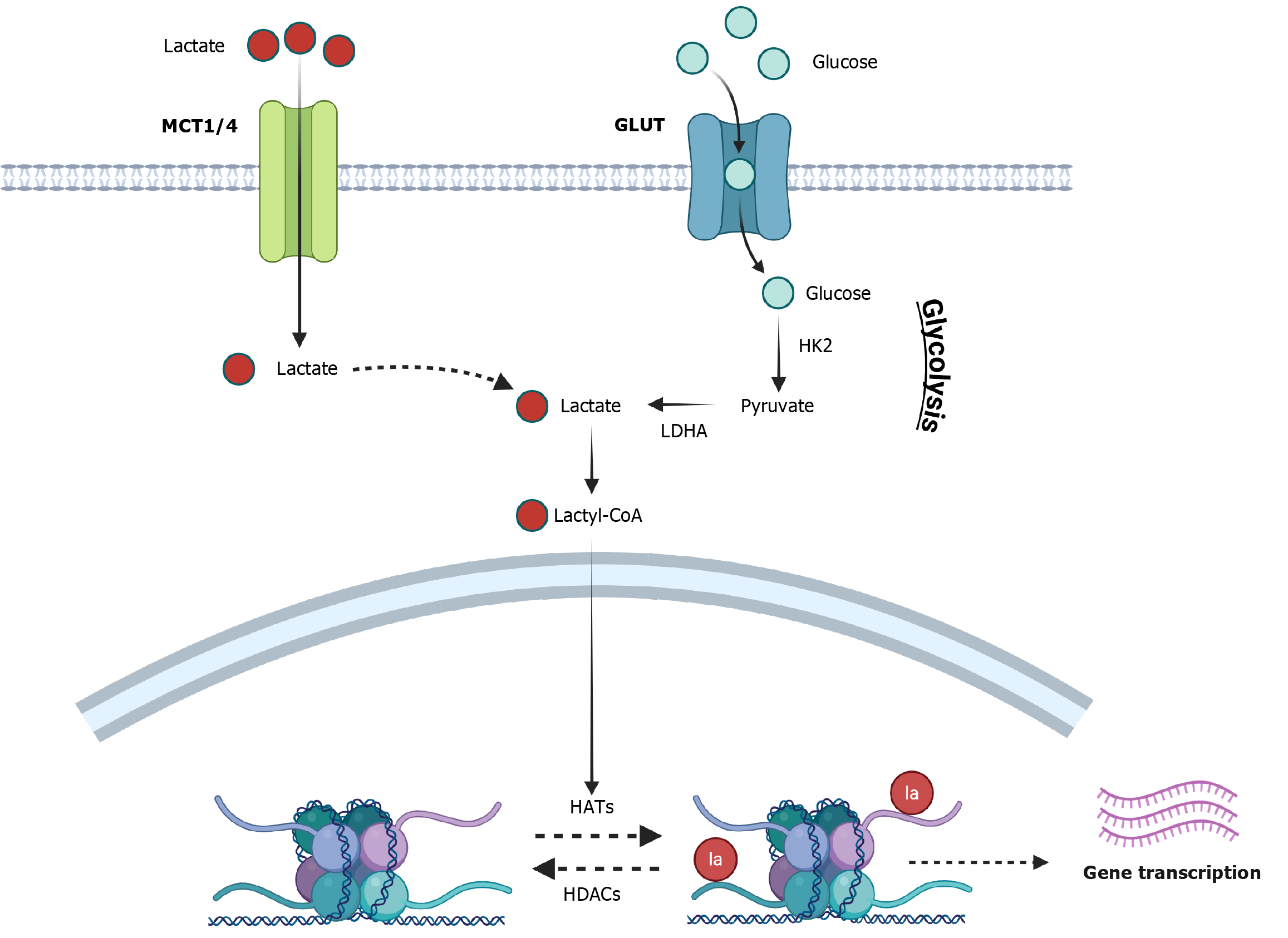
Figure 1 Molecular mechanism of histone lactylation.
Lactate acts as a bio-signaling molecule beyond its metabolic role. Lactate transport from lactate transporters, such as monocarboxylate transporter 1 and 4, (MCT1/4) and its synthesis via glycolysis involving hexokinase 2 (HK2) and lactate dehydrogenase A (LDHA) results in the conversion of lactate into lactyl-coenzyme A. Following this “writers” like p300 facilitate lactylation, while “erasers” such as histone deacetylases (HDACs) 1-3 and sirtuin 1-3 act as delactylases. The lactylation of histone 3 at lysine 18 results in the expression of target genes. GLUT: Glucose transporter; HATs: Histone acetyltransferases; la: Lactyl.
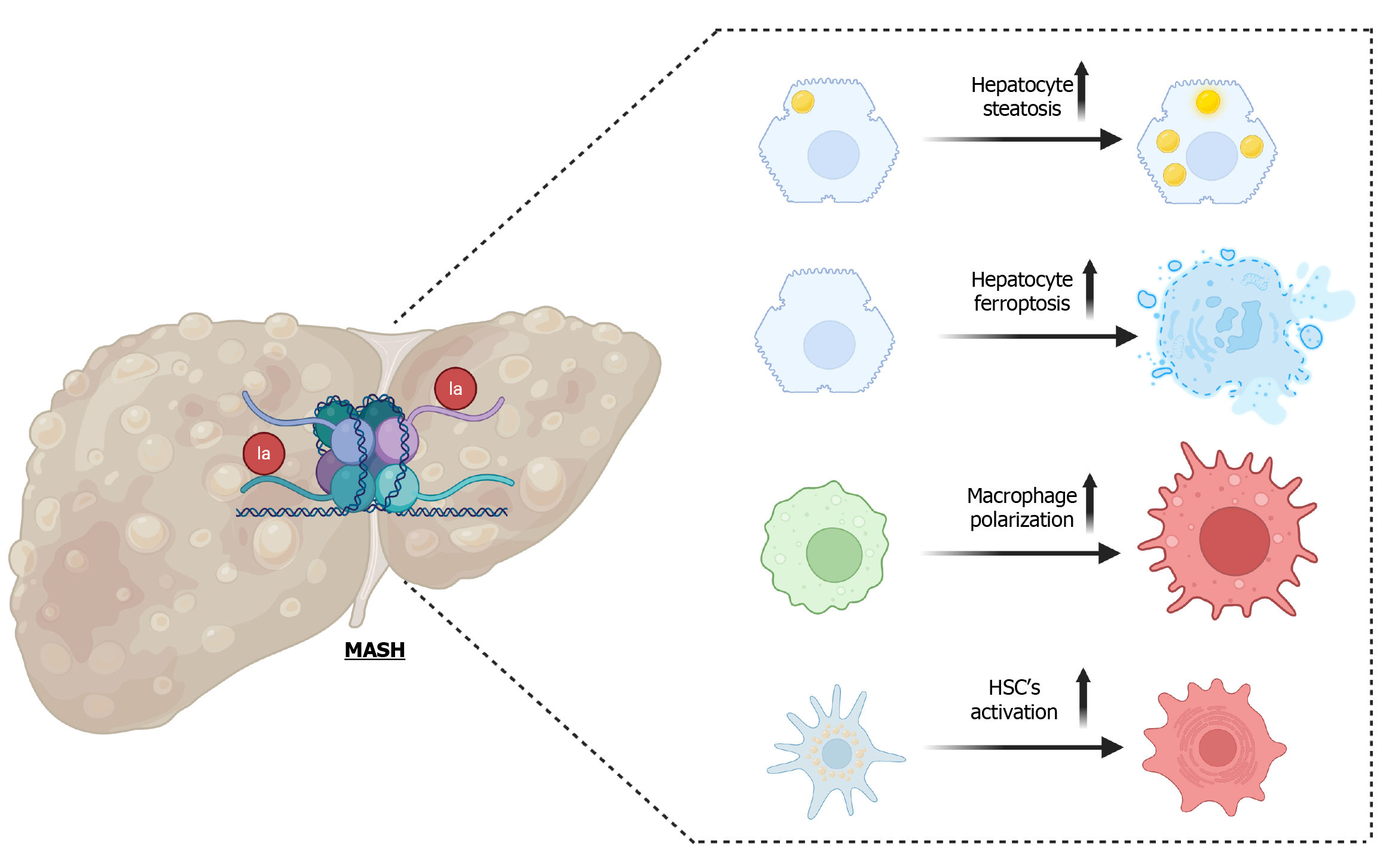
Figure 2 Role of histone lactylation in metabolic dysfunction-associated steatohepatitis pathogenesis.
Preclinical models of metabolic dysfunction-associated steatohepatitis (MASH) have shown increased cellular plasticity in response to histone lactylation in the hepatic cells. In particular, increased hepatocyte steatosis and cell death were associated with fat-induced histone lactylation. Similarly, increased histone lactylation has been linked to hepatic macrophages and hepatic stellate cell activation in MASH. These findings highlight the complex interplay between metabolic reprogramming and epigenetic remodeling in MASH progression and suggest potential therapeutic targets to counter lipogenic, inflammatory, and fibrotic events in MASH.
- Citation: Singh MM, Shah A, Rajak S, Chaturvedi CP, Sinha RA. Histone lactylation: A key epigenetic modulator in the pathogenesis of metabolic dysfunction-associated steatohepatitis and alcoholic steatohepatitis. World J Hepatol 2025; 17(12): 111153
- URL: https://www.wjgnet.com/1948-5182/full/v17/i12/111153.htm
- DOI: https://dx.doi.org/10.4254/wjh.v17.i12.111153