
















©The Author(s) 2026.
World J Stem Cells. Jan 26, 2026; 18(1): 112278
Published online Jan 26, 2026. doi: 10.4252/wjsc.v18.i1.112278
Published online Jan 26, 2026. doi: 10.4252/wjsc.v18.i1.112278
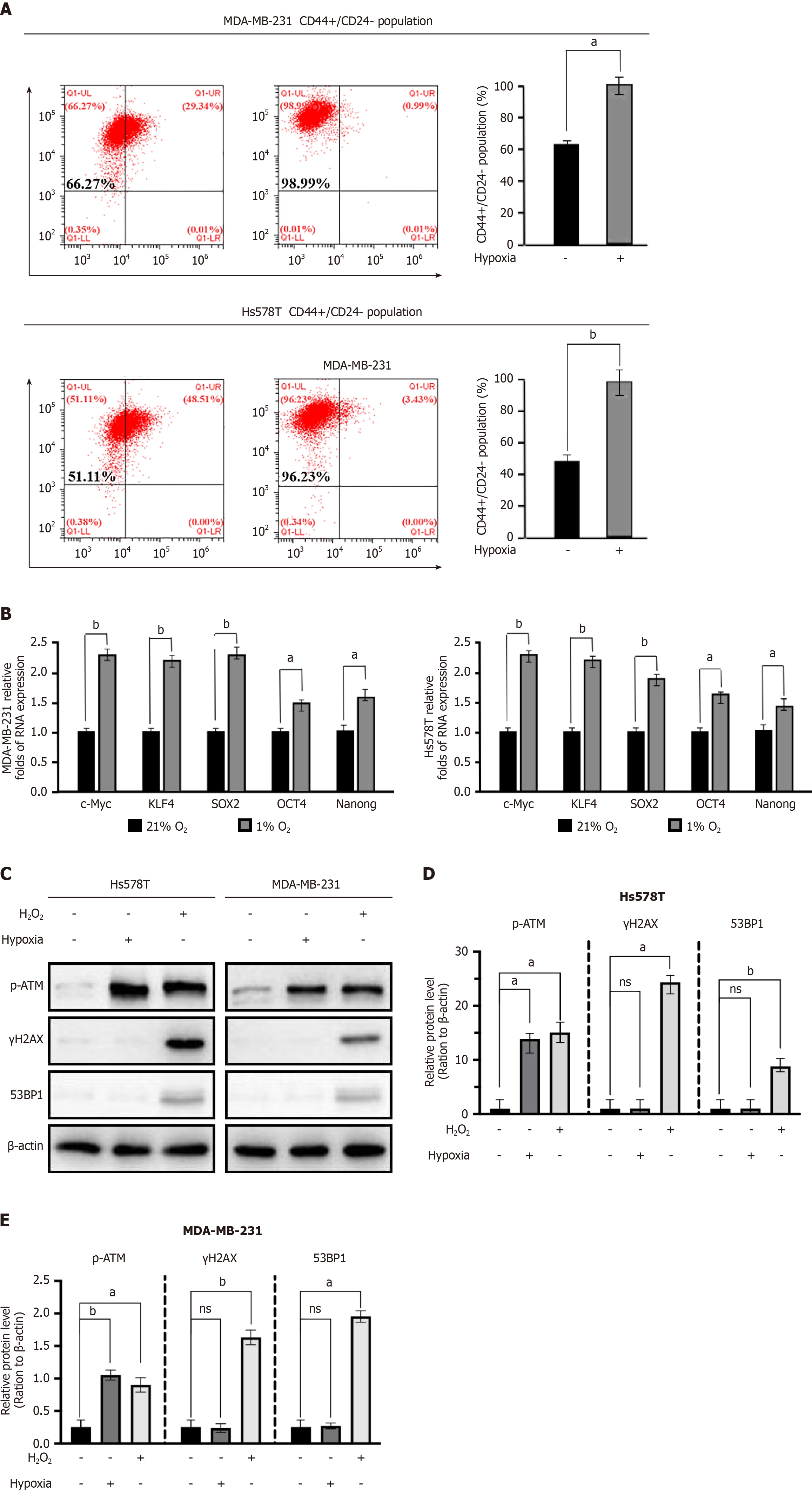
Figure 1 Hypoxia promotes enrichment and DNA damage-independent oxidative activation of ataxia telangiectasia mutated.
A: Flow cytometry analysis of CD44+/CD24- cell populations in Hs578T and MDA-MB-231 cells after exposure to hypoxia or normoxia; B: Quantitative reverse transcriptase polymerase chain reaction analysis of cancer stem cells-associated genes (c-Myc, octamer-binding protein 4, Kruppel-like factor 4, sex-determining region Y-box 2, NANOG) in mammosphere cultures under hypoxia; C-E: Western blot analysis of phosphorylated ataxia telangiectasia mutated, γH2AX, and 53BP1 in Hs578T and MDA-MB-231 cancer stem cells under normoxia, hypoxia, or H2O2 treatment. Data were presented as mean ± SD (n = 3). aP < 0.05; bP < 0.01; ns: not significant. KLF4: Kruppel-like factor 4; SOX2: Sex-determining region Y-box 2; OCT4: Octamer-binding protein 4; p-ATM: Phosphorylated ataxia telangiectasia mutated.
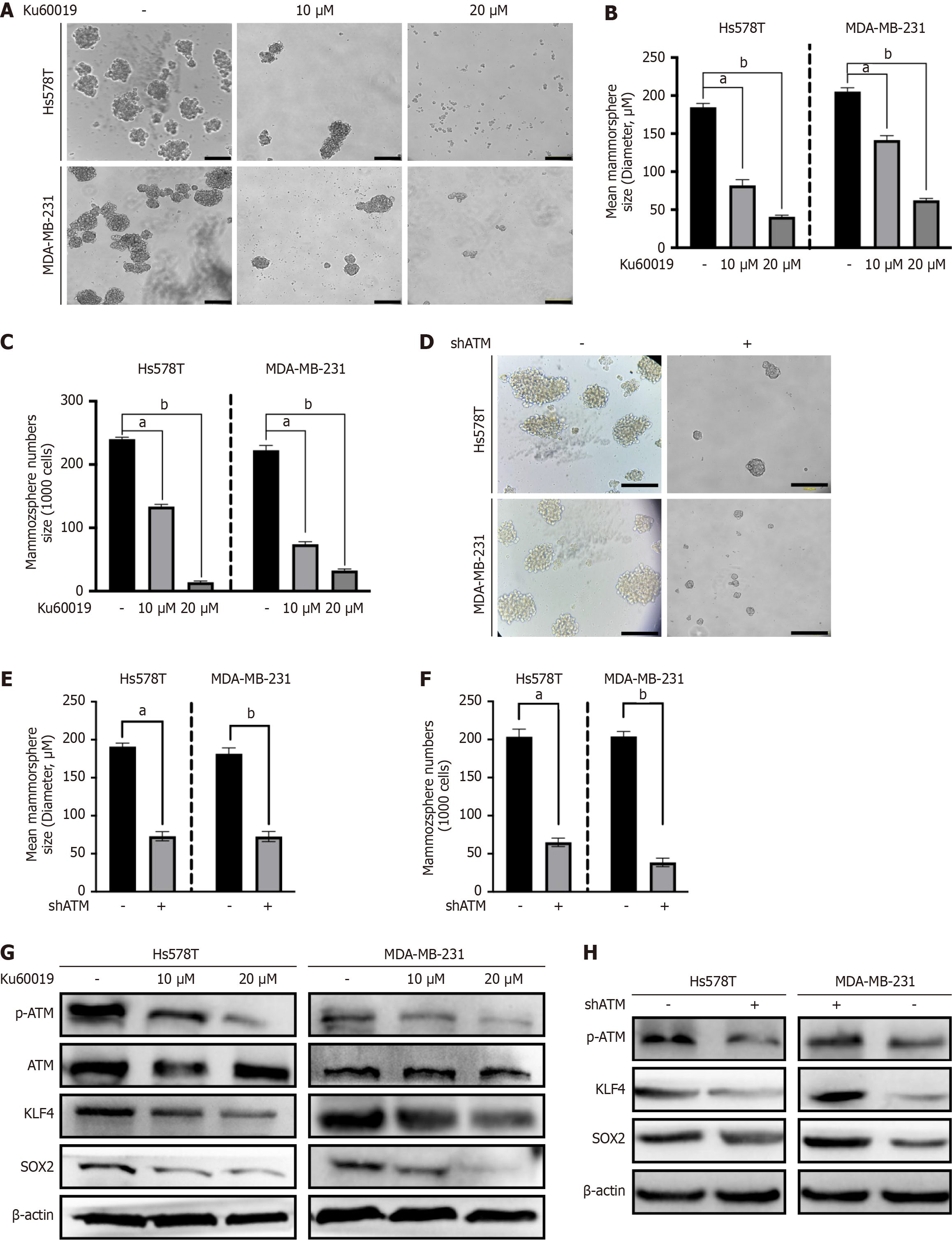
Figure 2 Oxidized ataxia telangiectasia mutated promotes triple-negative breast cancer-cancer stem cells enrichment and stemness maintenance.
A: Representative images showing inhibition of mammosphere formation by the ataxia telangiectasia mutated inhibitor Ku60019; B: Quantification of mammosphere size; C: Quantification of mammosphere number; D-F: Effects of ataxia telangiectasia mutated knockdown on cancer stem cell enrichment (D), mammosphere size (E), and mammosphere number (F); G and H: Western blot analysis of stemness-associated proteins (c-Myc, sex-determining region Y-box 2, Kruppel-like factor 4, octamer-binding protein 4) following Ku60019 treatment (G) or ataxia telangiectasia mutated knockdown (H). Scale bar: 200 μm. Data were presented as mean ± SD (n = 3). aP < 0.05; bP < 0.01. KLF4: Kruppel-like factor 4; SOX2: Sex-determining region Y-box 2; p-ATM: Phosphorylated ataxia telangiectasia mutated; shATM: Ataxia telangiectasia mutated knockdown.
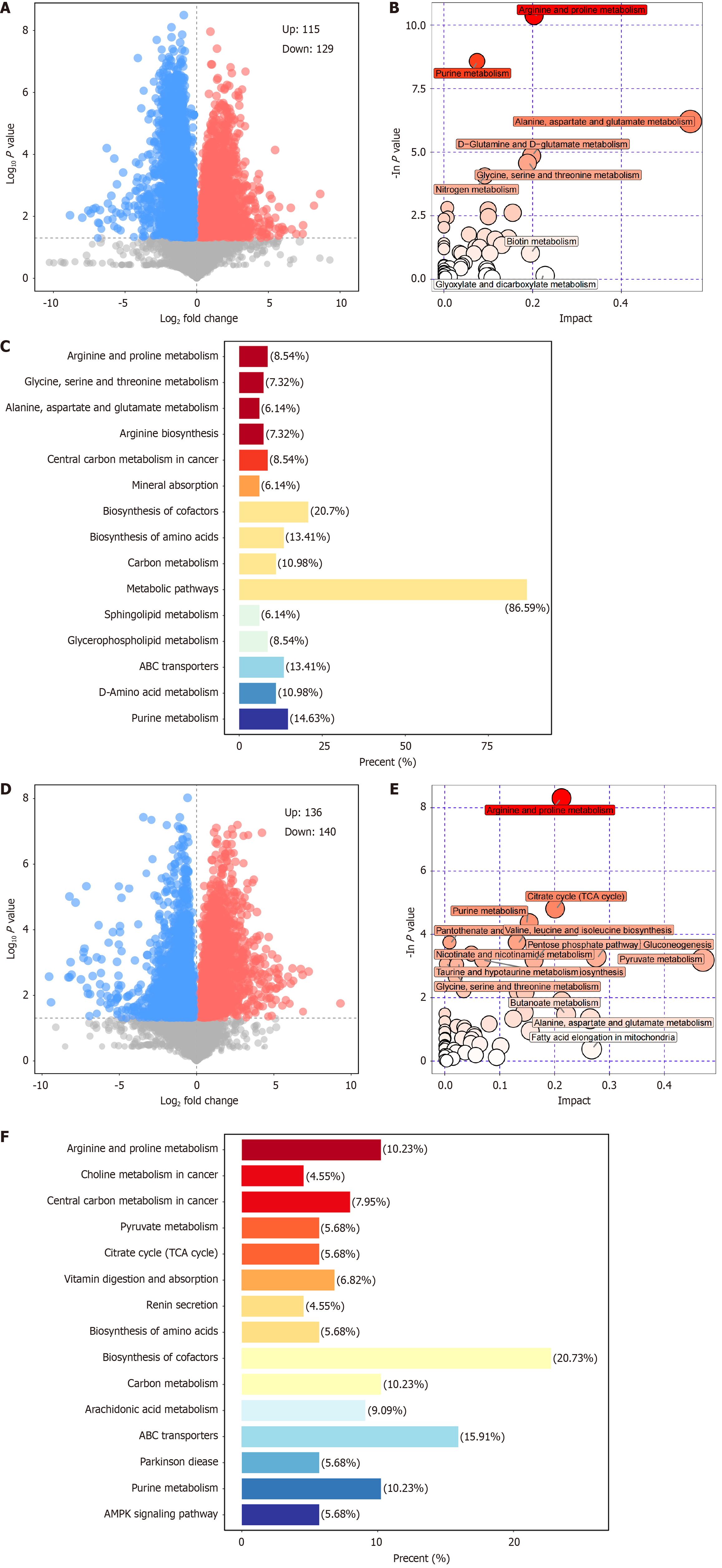
Figure 3 Hypoxia and oxidized ataxia telangiectasia mutated facilitate metabolic remodeling in triple-negative breast cancer-cancer stem cells.
A: Volcano plot showing differentially regulated metabolites (115 upregulated, 129 downregulated) in MDA-MB-231 cancer stem cells under hypoxia compared with normoxia; B: Pathway enrichment analysis of differentially regulated metabolites; C: Kyoto Encyclopedia of Genes and Genomes classification of altered metabolic pathways; D: Volcano plot showing metabolic changes in hypoxic cancer stem cells after Ku60019 treatment; E: Pathway enrichment analysis after Ku60019 treatment; F: Kyoto Encyclopedia of Genes and Genomes classification of altered metabolic pathways after Ku60019 treatment.
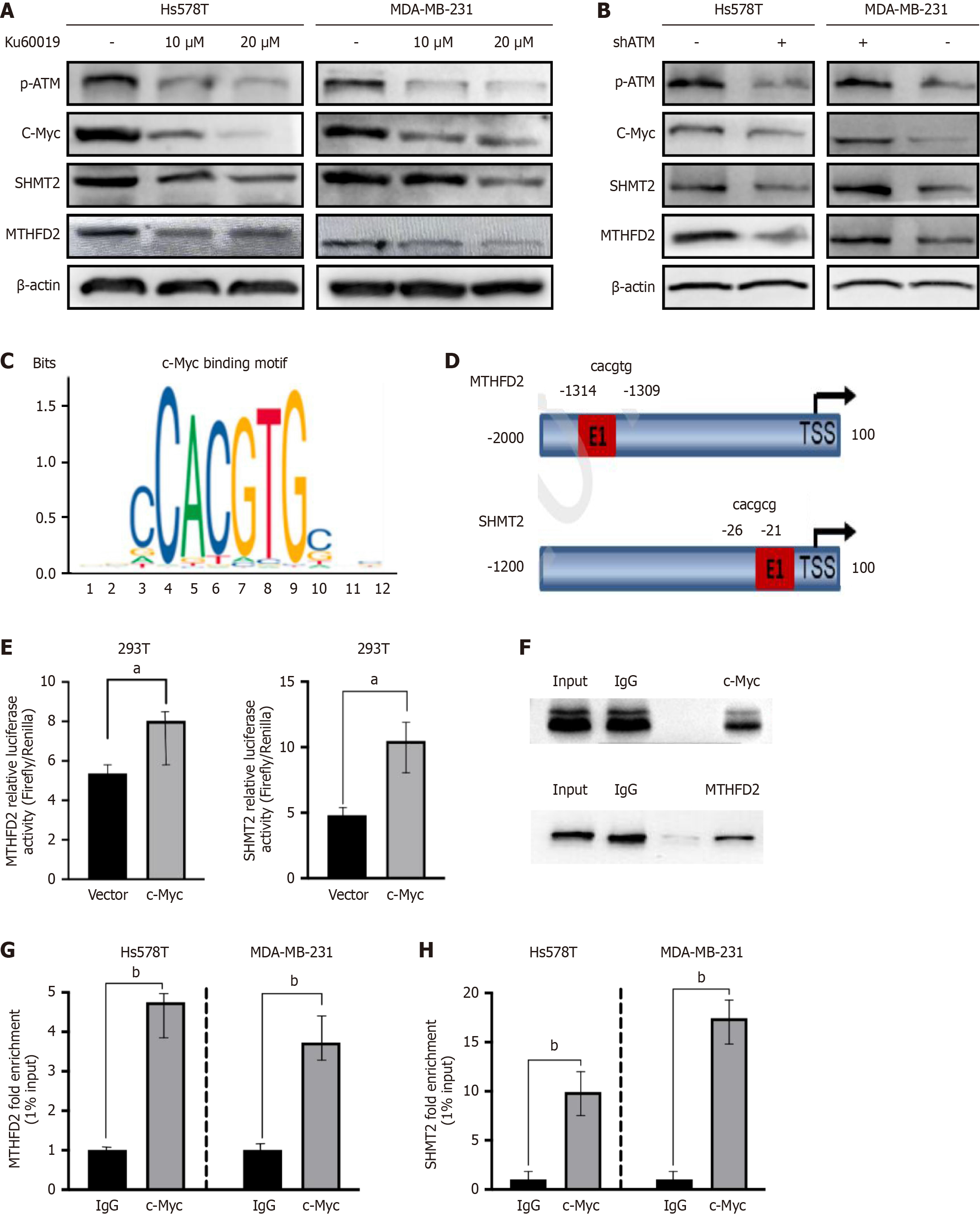
Figure 4 Oxidized ataxia telangiectasia mutated promotes serine hydroxymethyltransferase 2 and methylenetetrahydrofolate dehy
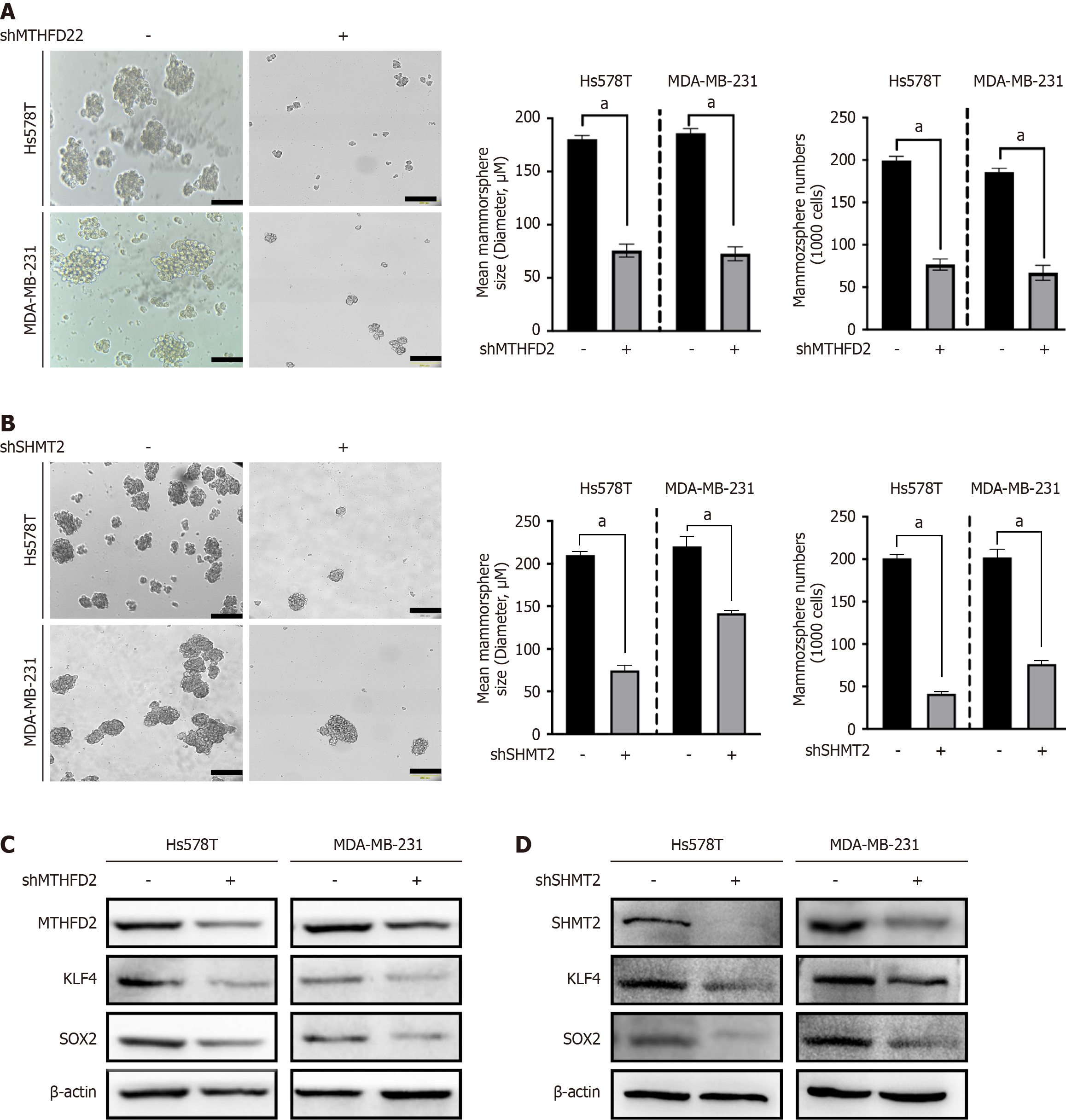
Figure 5 Serine hydroxymethyltransferase 2 and methylenetetrahydrofolate dehydrogenase 2 promote cancer stem cells enrichment and stemness maintenance in triple-negative breast cancer.
A: Effects of serine hydroxymethyltransferase 2 knockdown on mammosphere formation, size, and number in Hs578T and MDA-MB-231 cancer stem cells; B: Effects of methylenetetrahydrofolate dehydrogenase 2 knockdown on mammosphere formation, size, and number; C and D: Western blot analysis of stemness-associated proteins Kruppel-like factor 4 and sex-determining region Y-box 2 after serine hydroxymethyltransferase 2 or methylenetetrahydrofolate dehydrogenase 2 knockdown. Scale bar: 200 μm. Data were presented as mean ± SD (n = 3). aP < 0.05. MTHFD2: Methylenetetrahydrofolate dehydrogenase 2; SHMT2: Serine hydroxymethyltransferase 2; KLF4: Kruppel-like factor 4; SOX2: Sex-determining region Y-box 2.
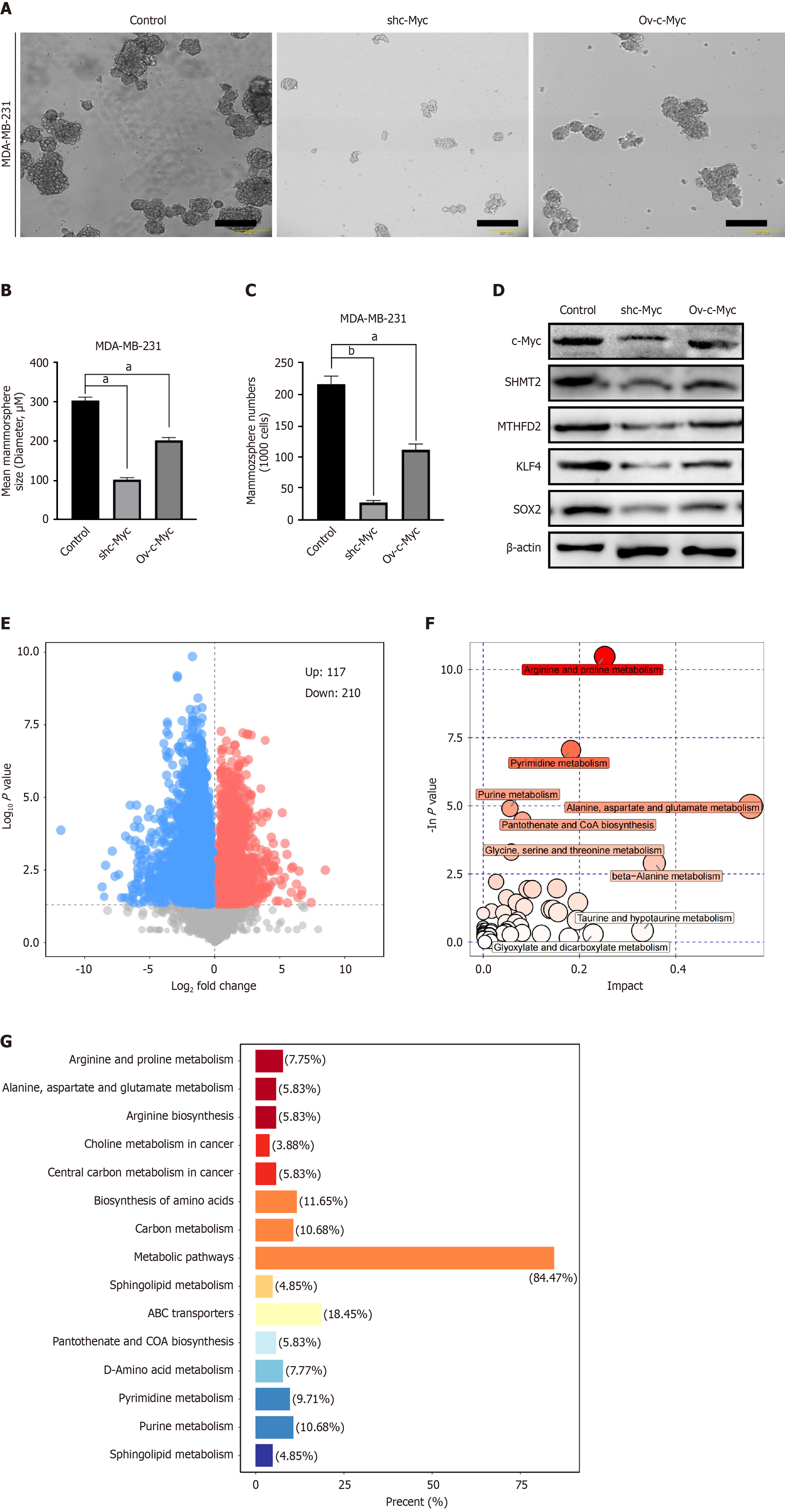
Figure 6 c-Myc regulates serine hydroxymethyltransferase 2 and methylenetetrahydrofolate dehydrogenase 2 expression and cancer stem cell stemness.
A: Representative images of mammospheres formed by MDA-MB-231 cells with control, c-Myc knockdown (shc-Myc), or c-Myc overexpression (ov-c-Myc). Scale bar = 200 μm; B and C: Quantification of mammosphere size (B) and mammosphere number (C); D: Western blot analysis of c-Myc, serine hydroxymethyltransferase 2, methylenetetrahydrofolate dehydrogenase 2, Kruppel-like factor 4, and sex-determining region Y-box 2 in MDA-MB-231 cells after shc-Myc or ov-c-Myc treatment; E: Volcano plot showing global metabolic changes following c-Myc knockdown; F: Pathway enrichment analysis of differential metabolites; G: Kyoto Encyclopedia of Genes and Genomes classification of altered metabolic pathways after c-Myc knockdown. MTHFD2: Methylenetetra
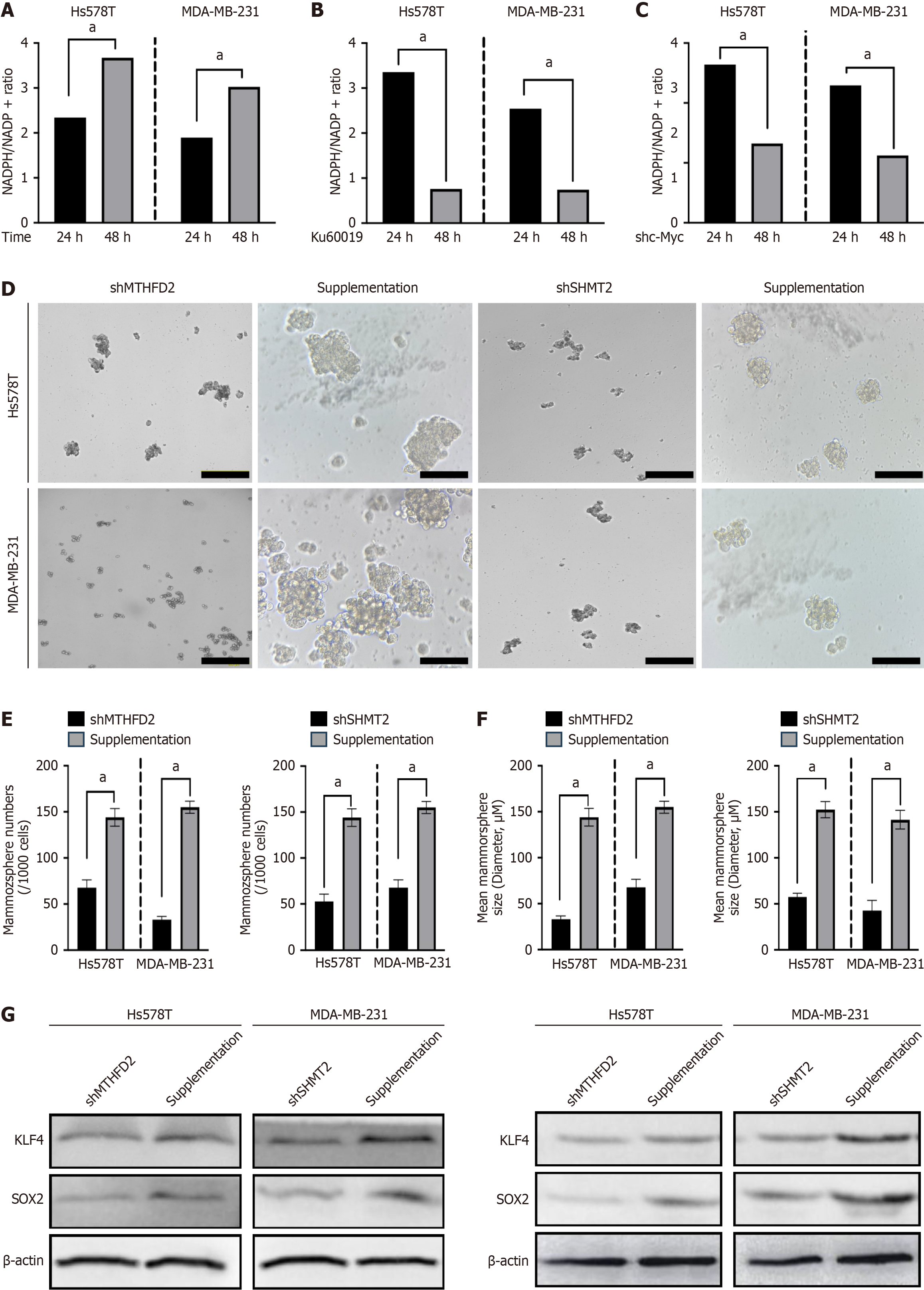
Figure 7 Oxidized ataxia telangiectasia mutated sustains triple-negative breast cancer-cancer stem cells stemness via serine hyd
- Citation: Yang D, Ou YL, Wang SH, Jin HJ, Chen SH, Han R, Zhang H. Hypoxia facilitates triple-negative breast cancer stem cells enrichment and stemness maintenance through oxidized ataxia telangiectasia mutated-induced one-carbon metabolism. World J Stem Cells 2026; 18(1): 112278
- URL: https://www.wjgnet.com/1948-0210/full/v18/i1/112278.htm
- DOI: https://dx.doi.org/10.4252/wjsc.v18.i1.112278