
















Copyright: ©Author(s) 2026.
World J Gastroenterol. May 7, 2026; 32(17): 117479
Published online May 7, 2026. doi: 10.3748/wjg.v32.i17.117479
Published online May 7, 2026. doi: 10.3748/wjg.v32.i17.117479
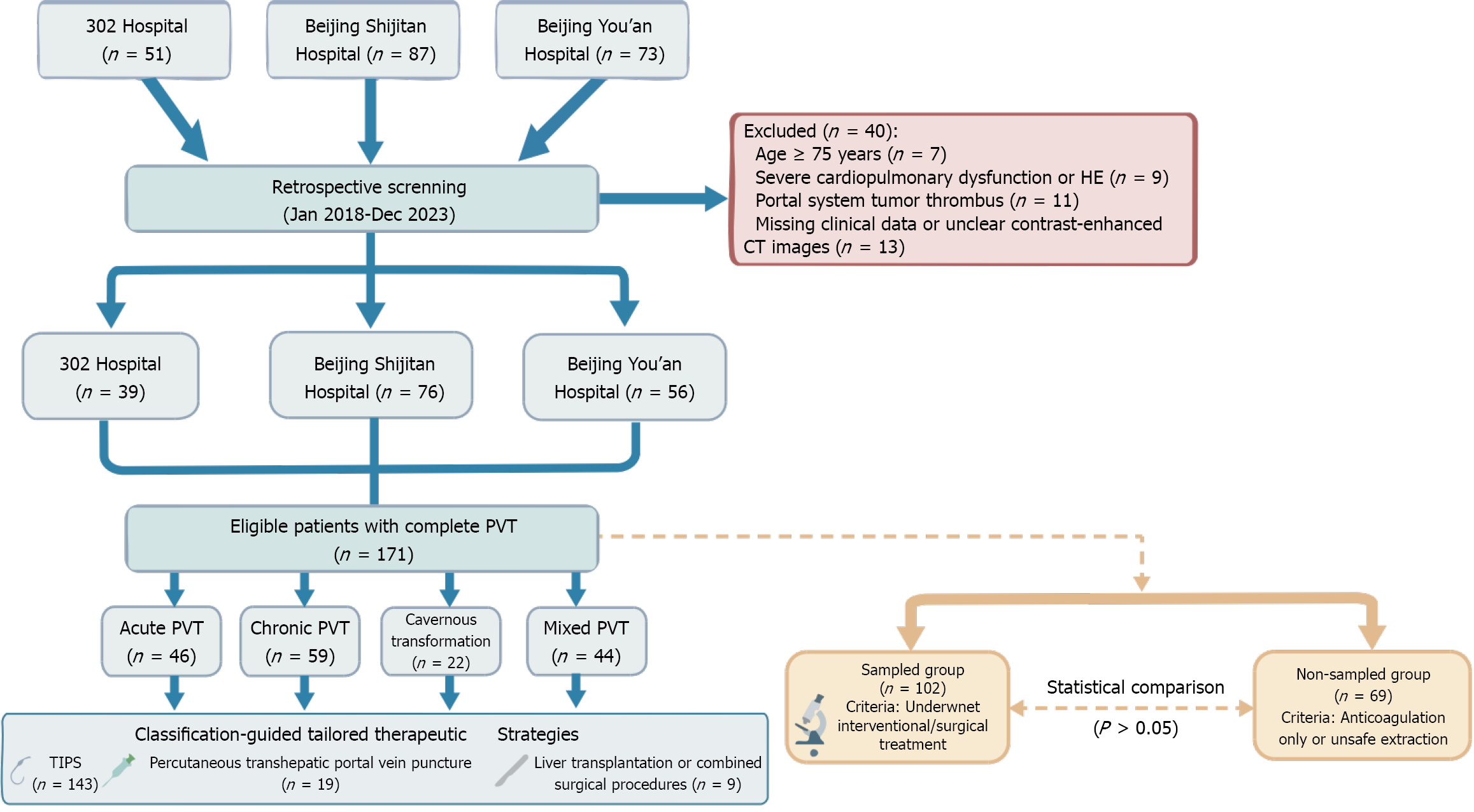
Figure 1 Flow diagram of patient enrollment and group allocation.
HE: Hematoxylin and eosin; CT: Computed tomography; PVT: Portal vein thrombosis; TIPS: Transjugular intrahepatic portosystemic shunts.
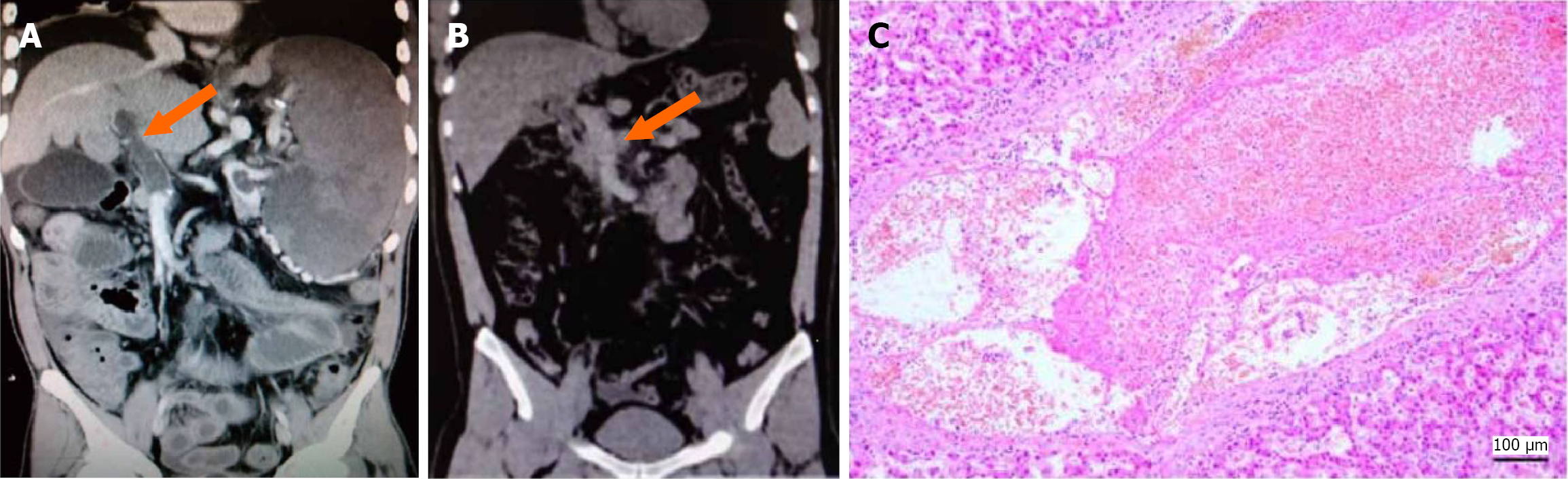
Figure 2 Acute portal vein thrombosis.
A: Contrast-enhanced abdominal computed tomography (CT) (coronal view): A very low-density vascular shadow in the main trunk of the portal vein, with uniform density and consistent vascular morphology. No collateral formation was observed, and the vessel wall did not thicken (orange arrow); B: Unenhanced abdominal CT (coronal view): A high-density vascular shadow in the main trunk of the portal vein, with uniform density and consistency with the vascular morphology (orange arrow); C: Histological analysis with hematoxylin and eosin staining: Consistent with the imaging findings, the vascular lumen shows aggregates of red blood cells without wall thickening (scale bar, 100 μm).
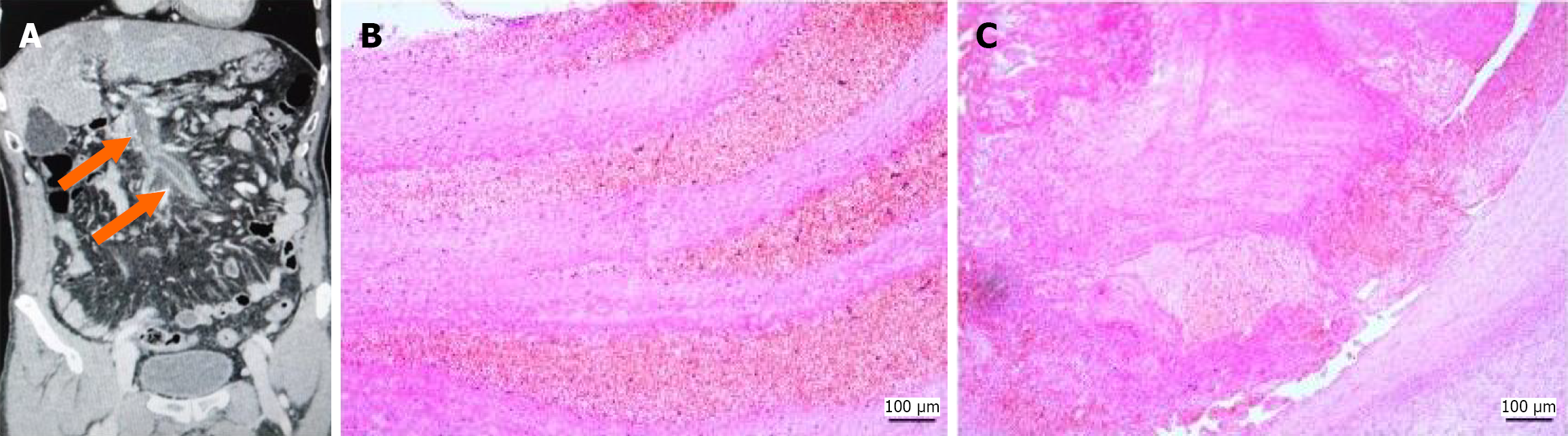
Figure 3 Chronic portal vein thrombosis.
A: Contrast-enhanced abdominal computed tomography (coronal view): A somewhat low-density vascular shadows in the main trunk of the portal vein and the superior mesenteric vein, with relatively uniform density and consistent vascular morphology. Numerous collaterals had formed, and vessel wall thickening was observed (orange arrows); B: Histological analysis with hematoxylin and eosin (HE) staining: Consistent with the imaging findings, alternating layers of red blood cells and fibrin are observed (scale bar, 100 μm); C: Histological analysis with HE staining: Consistent with the imaging findings, collateral vessel formation is evident surrounding the thrombus, accompanied by wall thickening (scale bar, 100 μm).
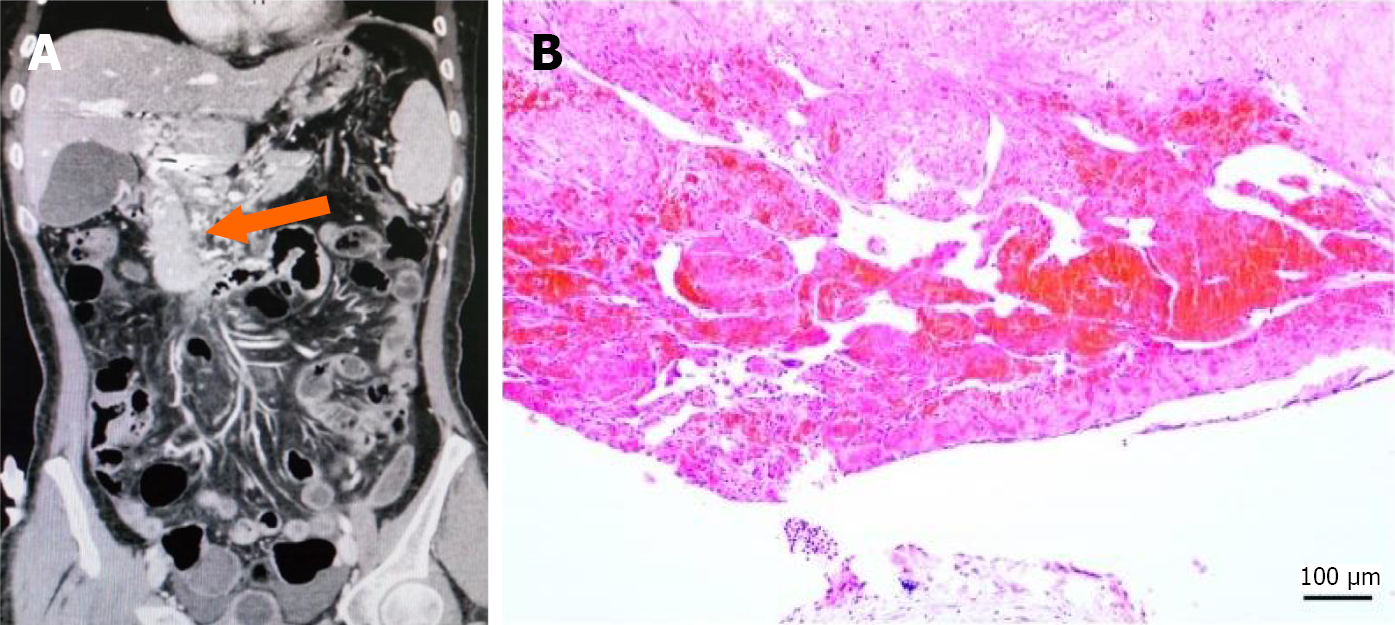
Figure 4 Portal vein cavernous transformation.
A: Contrast-enhanced abdominal computed tomography (coronal view): The complete disappearance of the main portal vein anatomy. Numerous collateral branches had formed at the main portal vein (orange arrow); B: Histological analysis with hematoxylin and eosin staining: Consistent with the imaging findings, the lumen shows aggregates of red blood cells, along with fibrous tissue and prominent proliferation of small vessels (scale bar, 100 μm).
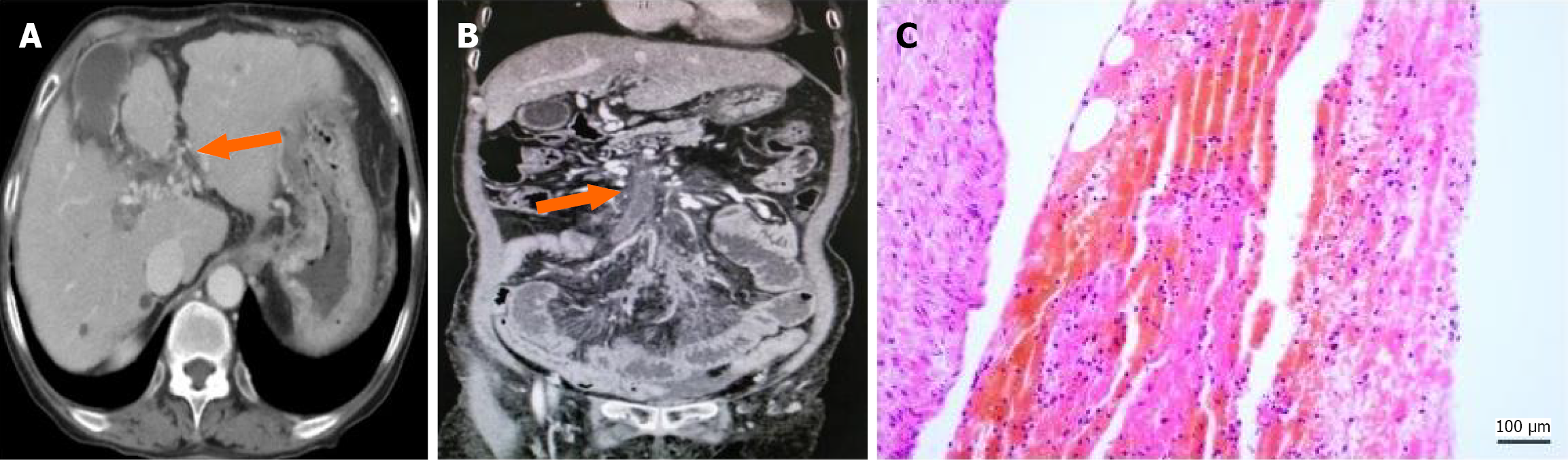
Figure 5 Mixed portal vein thrombosis (cavernous transformation with chronic thrombosis).
A: Contrast-enhanced abdominal computed tomography (CT) (axial view): The proximal main portal vein does not show the normal anatomical structure, with collateral vessels having formed (orange arrow); B: Contrast-enhanced abdominal CT (coronal view): A somewhat low-density vascular shadow on the distal main portal vein and superior mesenteric vein, with relatively homogeneous density consistent with vascular morphology (orange arrow). Increased thickness of the vascular wall with numerous collateral formations in the periphery; C: Histological analysis with hematoxylin and eosin staining: Consistent with the imaging findings, a laminated thrombus is evident microscopically, accompanied by thickening of the vascular wall.
- Citation: Lv YF, Liu BW, Han Y, Meng MM, Li DZ, Tian H, Wang FC, Dong JH, Yang YP, Zhou GD, Ding HG, Zhang YN, Liu FQ, Zhu B. Proposal of a new classification scheme for complete portal vein thrombosis and its clinical significance: A retrospective study. World J Gastroenterol 2026; 32(17): 117479
- URL: https://www.wjgnet.com/1007-9327/full/v32/i17/117479.htm
- DOI: https://dx.doi.org/10.3748/wjg.v32.i17.117479