
















Copyright: ©Author(s) 2026.
World J Gastroenterol. May 7, 2026; 32(17): 116590
Published online May 7, 2026. doi: 10.3748/wjg.v32.i17.116590
Published online May 7, 2026. doi: 10.3748/wjg.v32.i17.116590
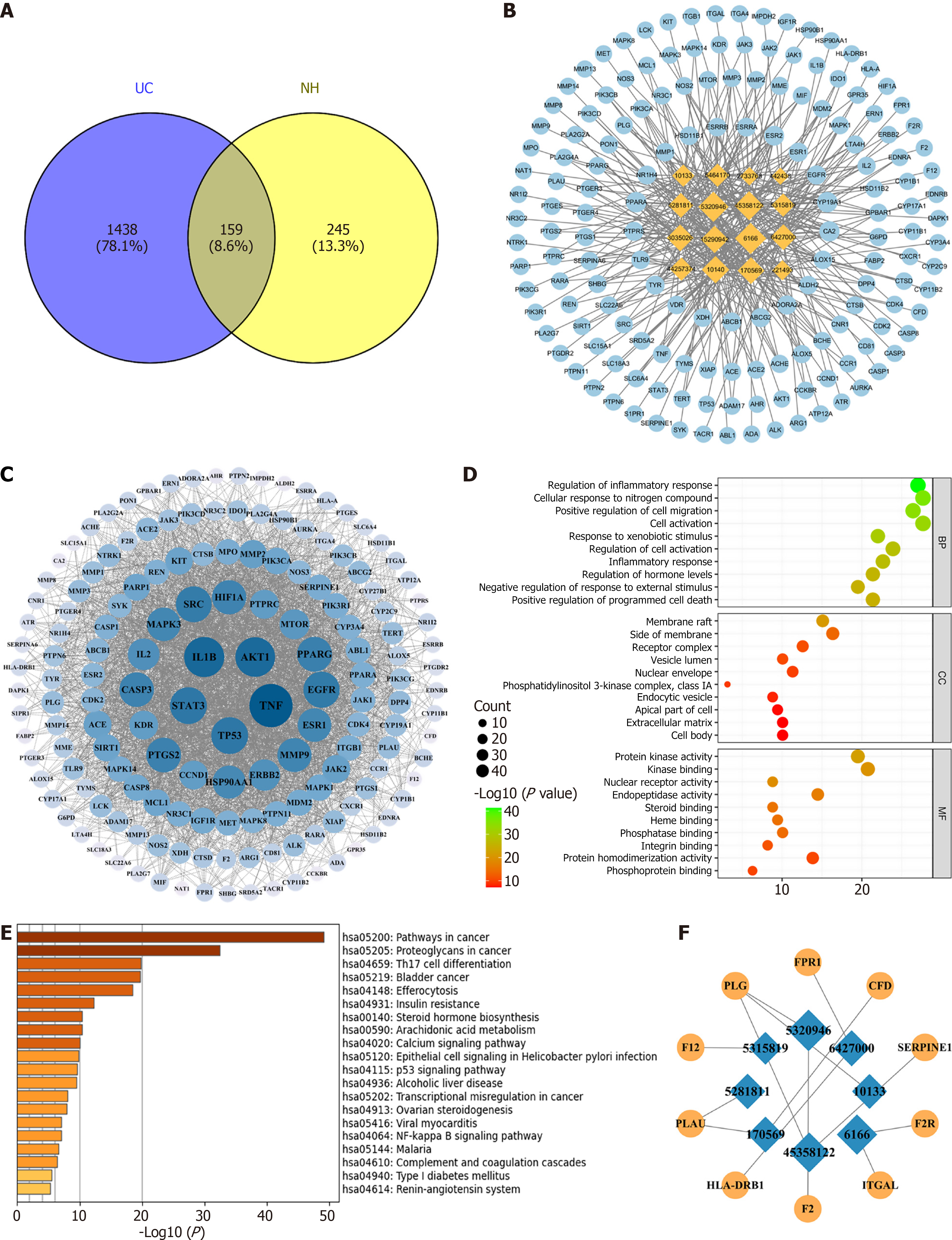
Figure 1 Network pharmacology analysis of Niu Huang in alleviating ulcerative colitis.
A: Venn diagram of Niu Huang in regulating ulcerative colitis; B: Ingredient-target network. The yellow rhombus represents the components of Niu Huang, and the blue nodes represent the core targets; C: Protein-protein interaction network of the core genes. The intensity of the color represents the degree of significance; D: The top 10 biological process, cellular component and molecular function of Gene Ontology enrichment analysis; E: The top 20 pathways of Kyoto Encyclopedia of Genes and Genomes pathways analysis; F: Component-target network for complement and coagulation cascades. NH: Niu Huang; UC: Ulcerative colitis; BP: Biological process; CC: Cellular component; MF: Molecular function.
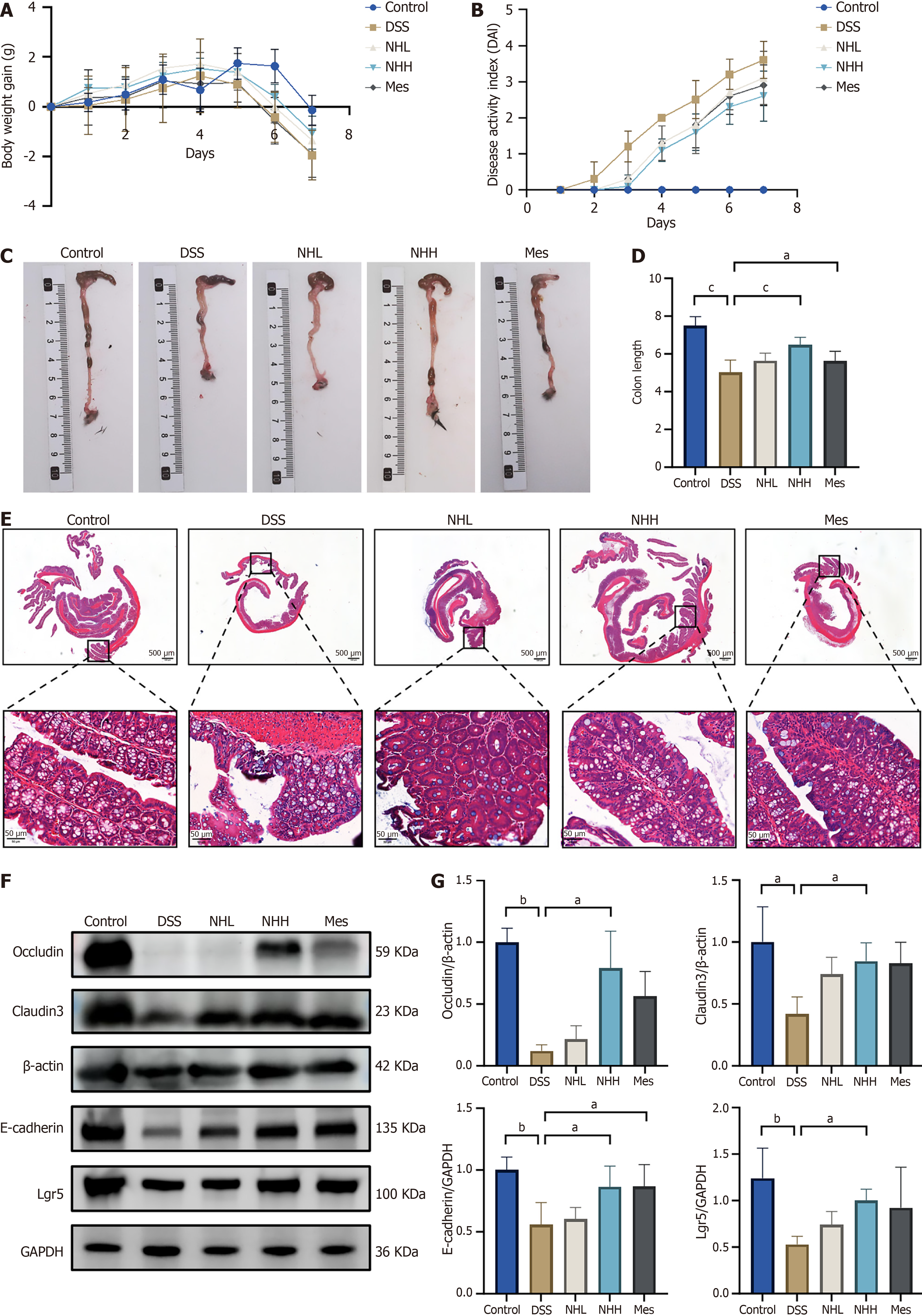
Figure 2 Niu Huang alleviated the symptoms and colon injury in colitis mice.
A: Body weight changes in mice of each group (n = 10 in each group); B: Disease active index; C: Representative images of the colon length; D: Colon length (n = 10 in each group); E: Representative hematoxylin and eosin staining images of colon tissues; F and G: Protein expression levels of occludin, claudin3, E-cadherin and leucine rich repeat containing G protein-coupled receptor 5 in colon tissues (n = 4 in each group). The original blots are presented in Supplementary Figures 2 and 3. aP < 0.05 vs dextran sulfate sodium group, bP < 0.01 vs dextran sulfate sodium group, cP < 0.001 vs dextran sulfate sodium group. DSS: Dextran sulfate sodium; Lgr5: Leucine rich repeat containing G protein-coupled receptor 5; NHL: Low-dose Niu Huang group; NHH: High-dose Niu Huang group; Mes: Mesalamine group; GADPH: Glyceraldehyde 3-phosphate dehydrogenase.
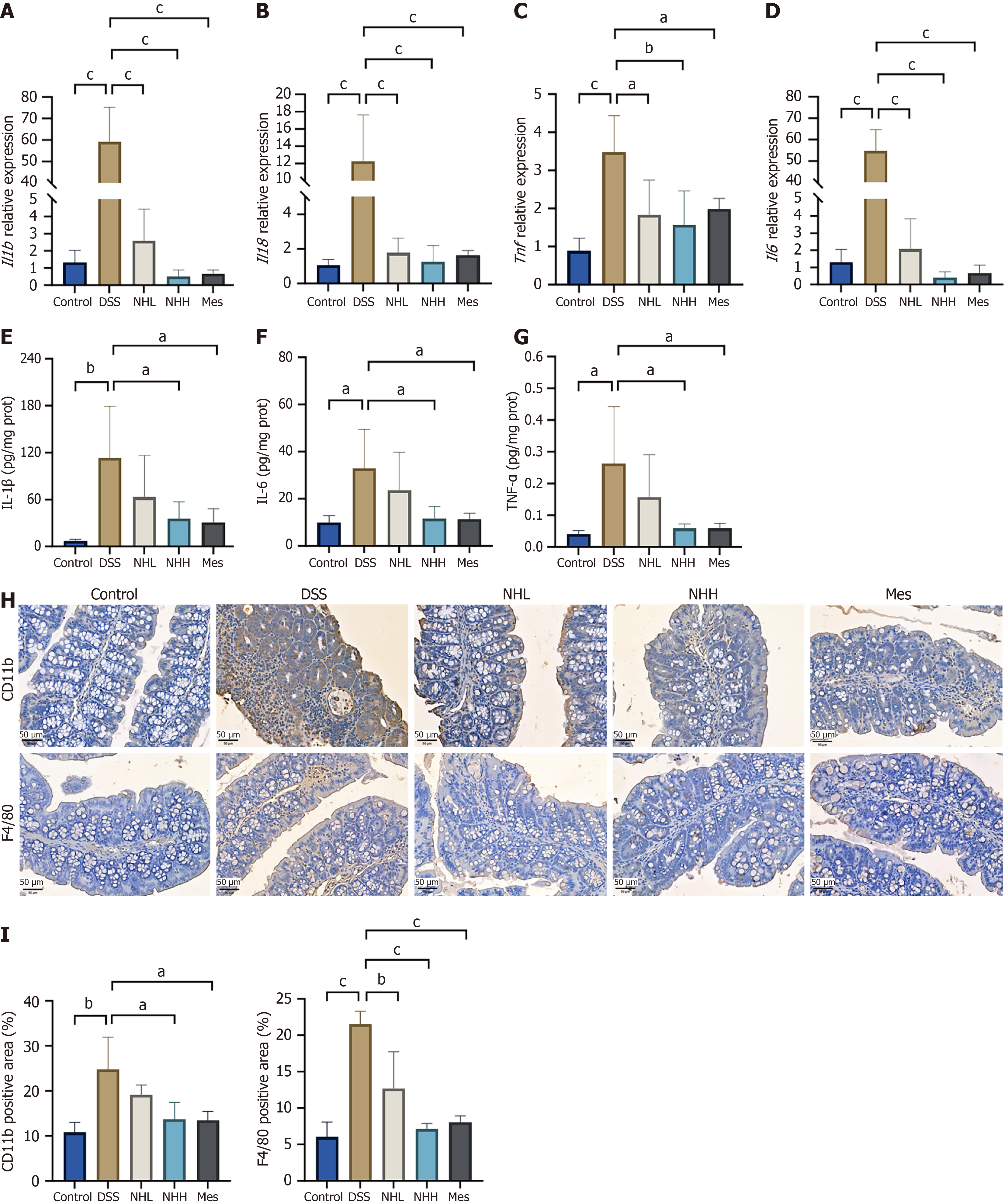
Figure 3 Niu Huang ameliorates dextran sulfate sodium-induced colitis in mice.
A-D: Quantitative polymerase chain reaction analysis of the mRNA expression of interleukin (Il)1b, Il18, tumor necrosis factor and Il6 (n = 4-5 in each group); E-G: Expression level of IL-1β, tumor necrosis factor-α, and IL-6 in colon tissue (n = 5 in each group); H: Representative immunohistochemistry images of CD11b and F4/80 in colon tissues; I: Quantitative analysis of immunohistochemistry results of CD11b and F4/80 (n = 3 in each group). aP < 0.05 vs dextran sulfate sodium group, bP < 0.01 vs dextran sulfate sodium group, cP < 0.001 vs dextran sulfate sodium group. TNF: Tumor necrosis factor; IL: Interleukin; DSS: Dextran sulfate sodium; NHL: Low-dose Niu Huang group; NHH: High-dose Niu Huang group; Mes: Mesalamine group.
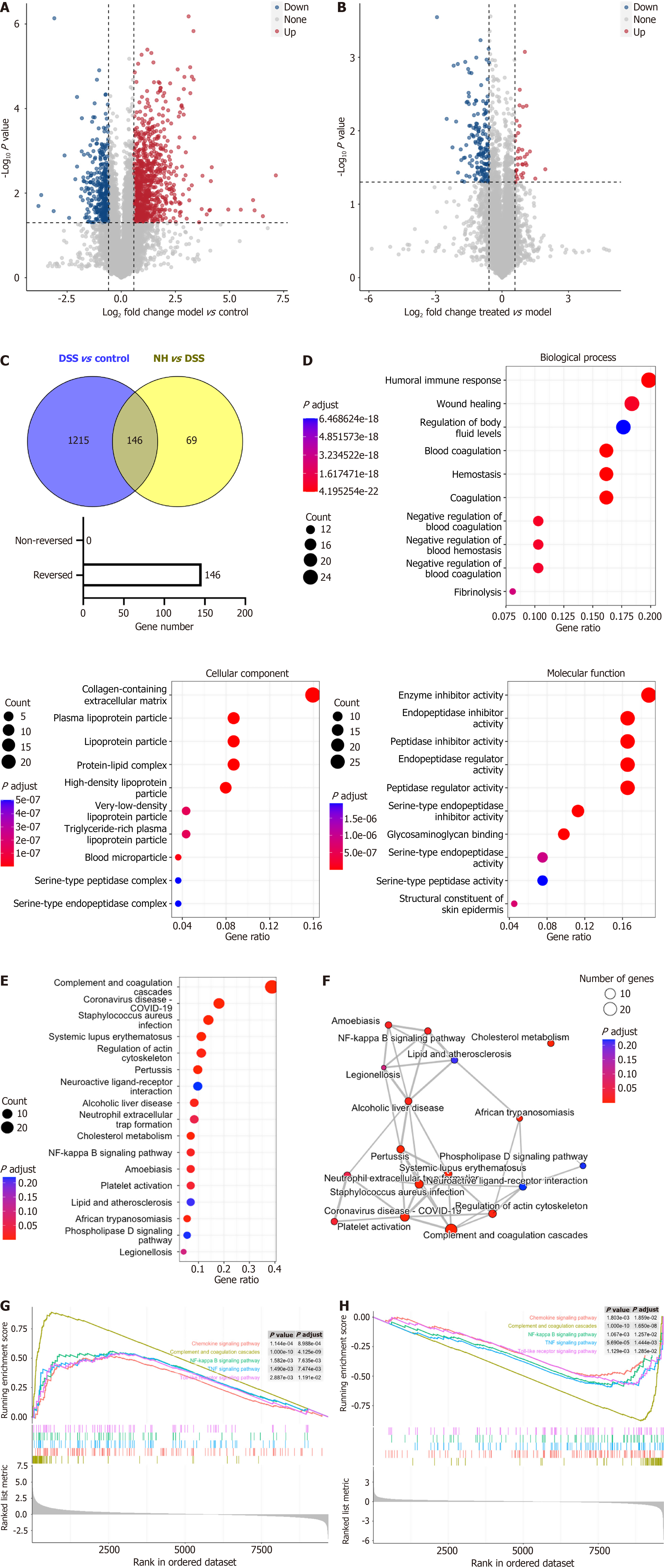
Figure 4 Transcriptomics analysis in colonic tissues.
A: Volcano plots illustrating the differentially expressed genes (DEGs) between the dextran sulfate sodium (DSS) group and control group (n = 3 in each group); B: Volcano plots illustrating the DEGs between the Niu Huang (NH) group and DSS group; C: The common genes observed in the DSS vs control and NH vs DSS groups; D: The Gene Ontology enrichment analysis of DEGs; E: The Kyoto Encyclopedia of Genes and Genomes pathways analysis of DEGs; F: Interactions network among the top 20 pathways; G: Gene set enrichment analysis showed that genes associated with the chemokine signaling pathway, complement and coagulation cascades, nuclear factor kappa B signaling pathway, tumor necrosis factor signaling pathway, and toll-like receptor signaling pathway were upregulated in the DSS group compared with that in the control group; H: Gene set enrichment analysis showed that genes associated with the chemokine signaling pathway, complement and coagulation cascades, nuclear factor kappa B signaling pathway, tumor necrosis factor signaling pathway and toll-like receptor signaling pathway were downregulated in the NH group compared with that in the DSS group. DSS: Dextran sulfate sodium; NH: Niu Huang.
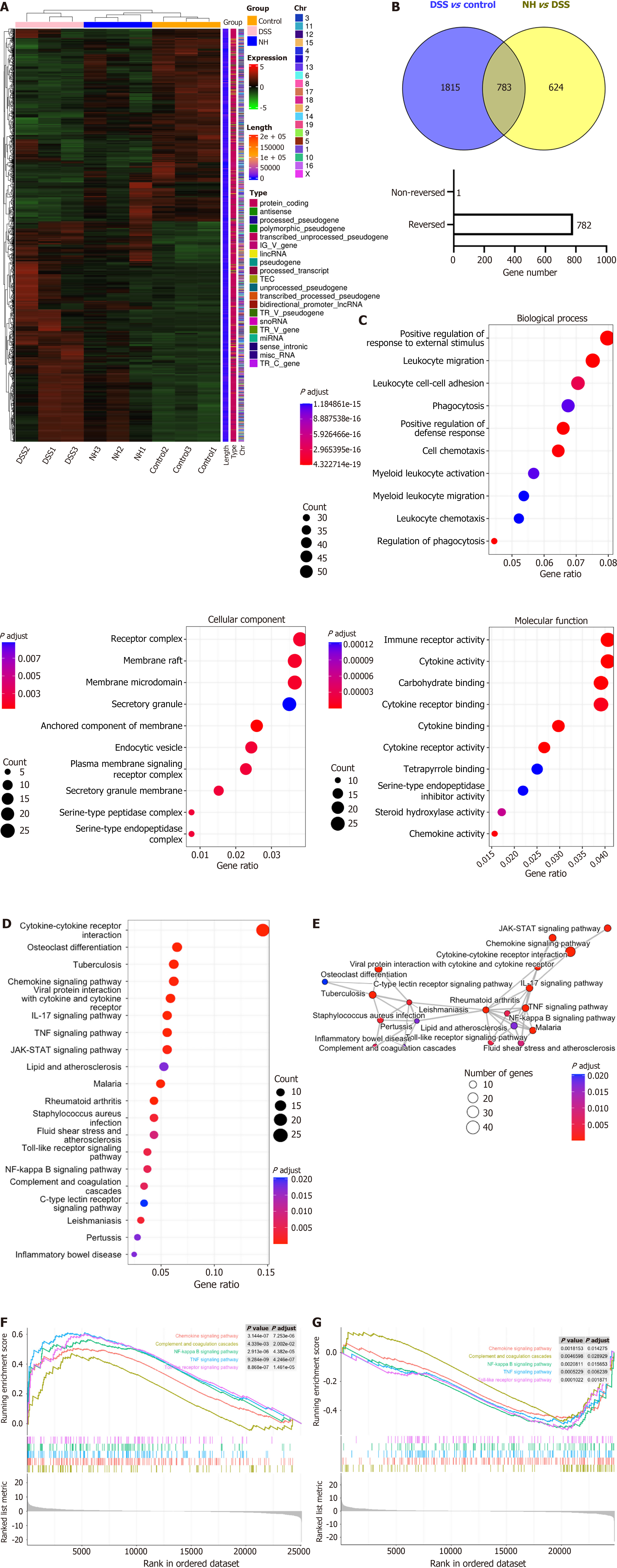
Figure 5 Proteomics analysis in colonic tissues.
A: Heatmap of the differentially expressed proteins (DEPs) (n = 3 in each group); B: Common proteins observed in the dextran sulfate sodium (DSS) vs control and Niu Huang vs DSS groups; C: The Gene Ontology enrichment analysis of DEPs; D: The Kyoto Encyclopedia of Genes and Genomes pathways analysis of DEPs; E: Interactions network among the top 20 pathways; F: Gene set enrichment analysis showed that proteins associated with the chemokine signaling pathway, complement and coagulation cascades, nuclear factor kappa B signaling pathway, tumor necrosis factor signaling pathway, and toll-like receptor signaling pathway were upregulated in the DSS group compared with those in the control group; G: Gene set enrichment analysis showed that proteins associated with the chemokine signaling pathway, complement and coagulation cascades, nuclear factor kappa B signaling pathway, tumor necrosis factor signaling pathway and toll-like receptor signaling pathway were downregulated in the Niu Huang group compared with those in the DSS group. DSS: Dextran sulfate sodium; NH: Niu Huang.
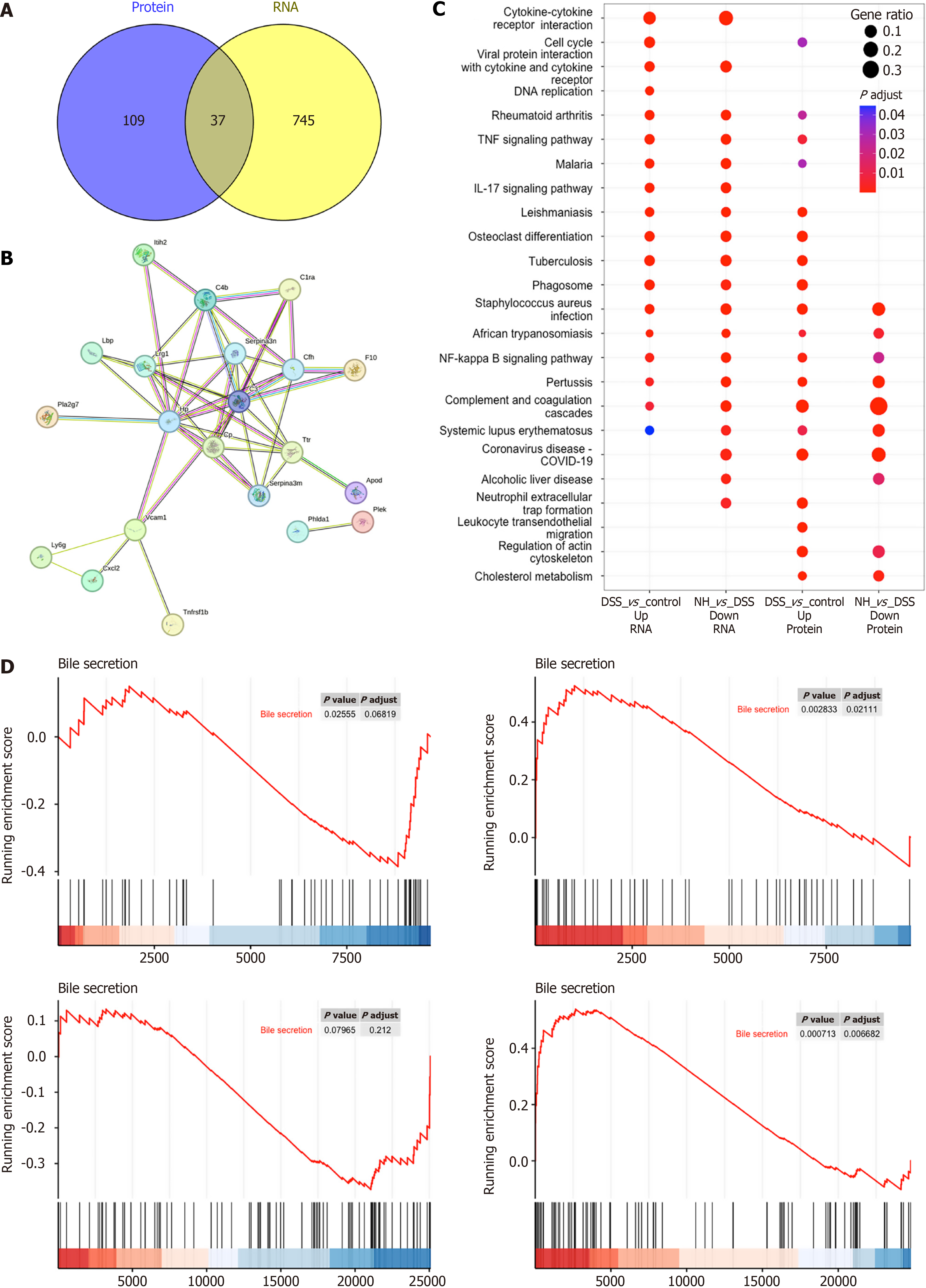
Figure 6 Integrated analysis of transcriptomics and proteomics.
A: The differentially expressed genes showed differences at both the RNA and protein levels; B: Interaction network of the differentially expressed genes; C: The Kyoto Encyclopedia of Genes and Genomes pathways upregulated in the dextran sulfate sodium (DSS) group relative to the control group and downregulated in the Niu Huang group relative to the DSS group at both the RNA and protein levels; D: Gene set enrichment analysis showed that bile secretion was downregulated in the DSS group and upregulated after Niu Huang treatment at both the RNA and protein levels. DSS: Dextran sulfate sodium; NH: Niu Huang.
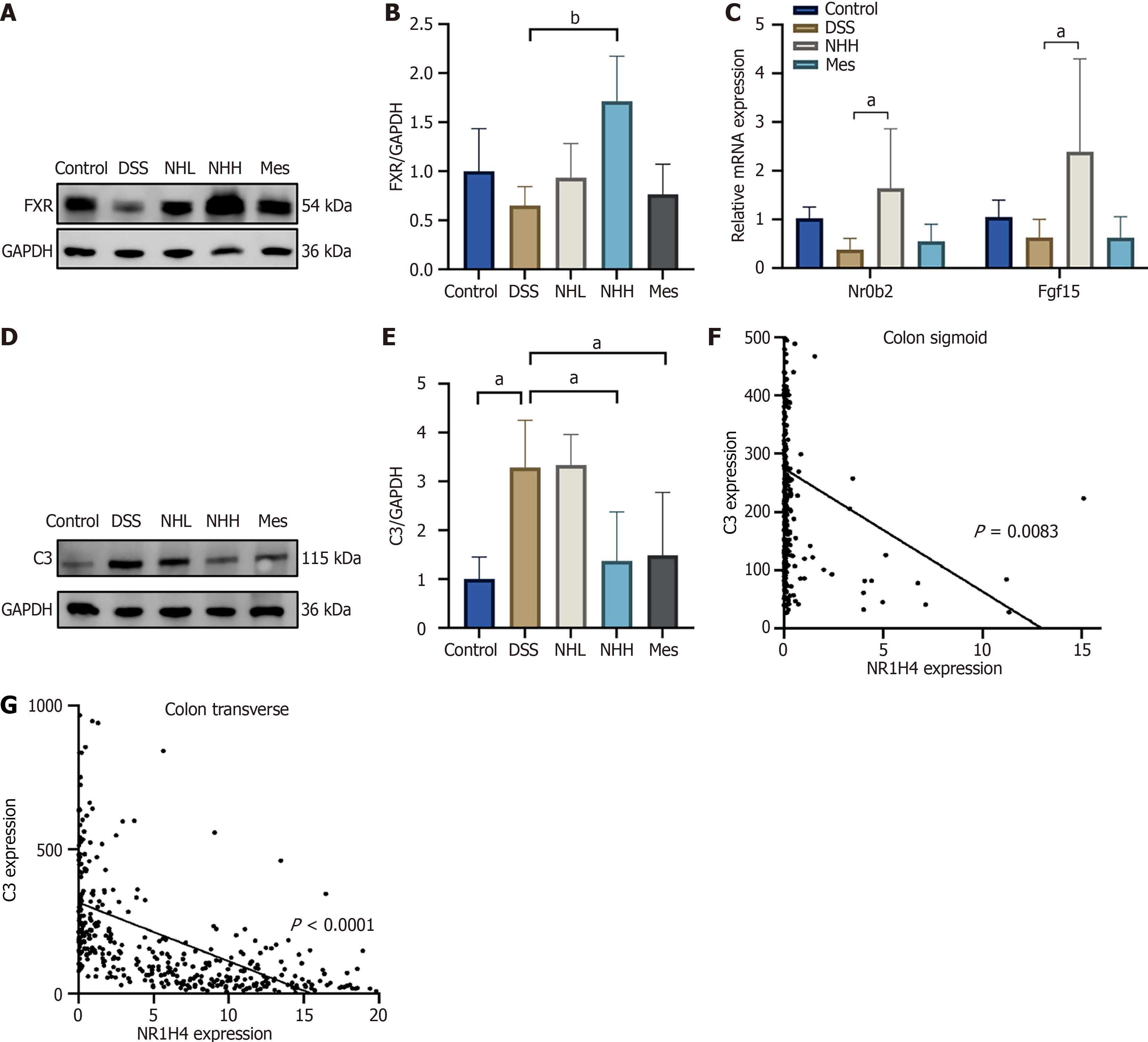
Figure 7 Niu Huang attenuates ulcerative colitis by regulating the farnesoid X receptor activation.
A and B: Protein expression level of farnesoid X receptor in colonic tissues (n = 4 in each group); C: Quantitative polymerase chain reaction analysis of the mRNA expression of Nr0b2 and Fgf15 (n = 5 in each group); D and E: Protein expression level of C3 in colonic tissues (n = 4 in each group); F and G: Pearson correlation analysis between C3 and farnesoid X receptor in the sigmoid colon and transverse colon. aP < 0.05 vs dextran sulfate sodium group, bP < 0.01 vs dextran sulfate sodium group. DSS: Dextran sulfate sodium; NHL: Low-dose Niu Huang group; NHH: High-dose Niu Huang group; Mes: Mesalamine group; GADPH: Glyceraldehyde 3-phosphate dehydrogenase; NR1H4: Nuclear receptor subfamily 1 group H member 4.
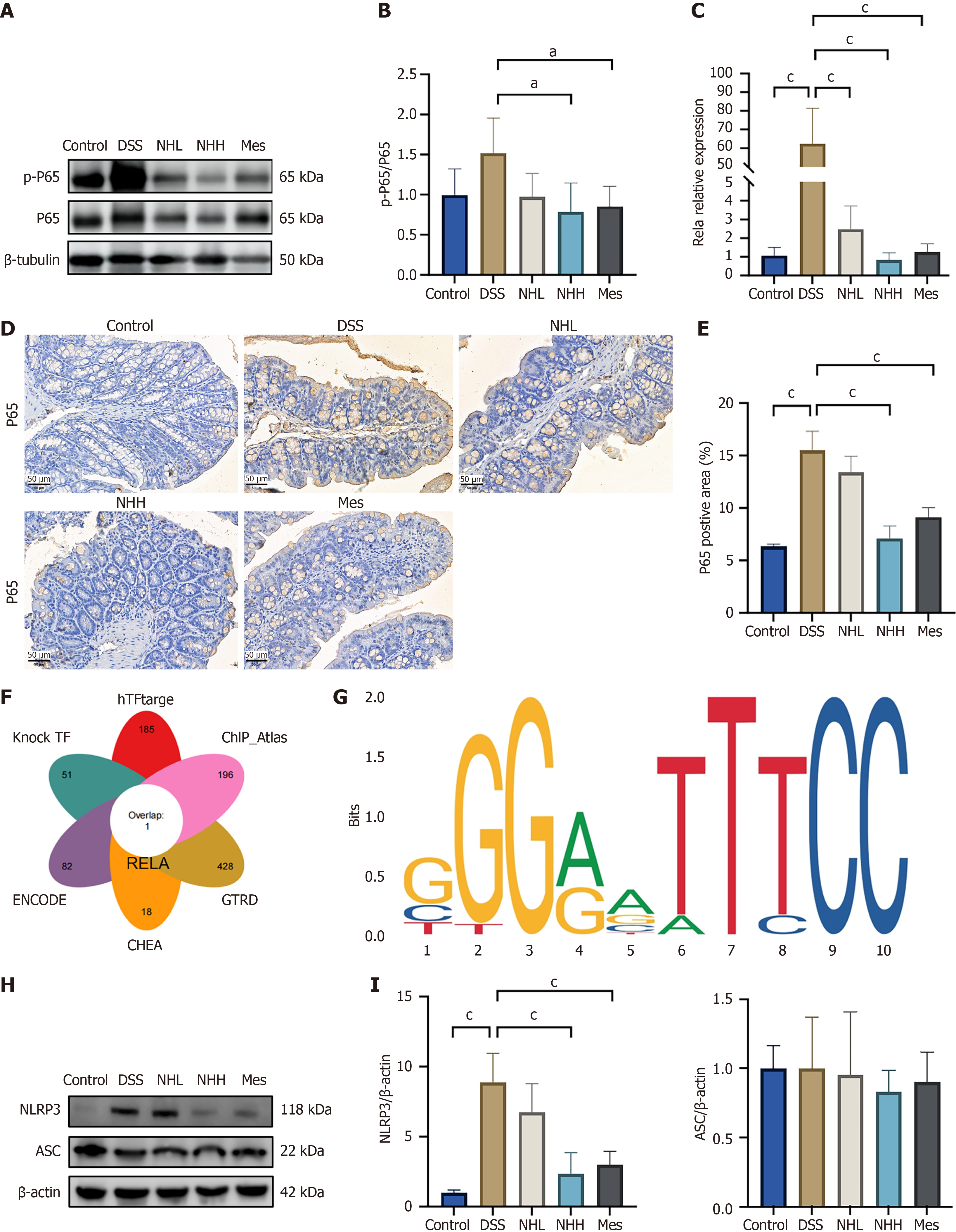
Figure 8 Niu Huang attenuates ulcerative colitis by regulating the nuclear factor kappa-B and complement component 3/NOD-like receptor family pyrin domain containing 3 signaling pathways.
A and B: Protein expression level of p-P65/P65 in colonic tissues (n = 4 in each group); C: Quantitative polymerase chain reaction analysis of the mRNA expression of Rela (n = 4 in each group); D: Representative images of immunohistochemical of P65 in colon tissues; E: Quantitative analysis of the immunohistochemical results of P65 (n = 3 in each group); F: The upstream transcription factors of complement component 3 were screened using several databases; G: Bindings sites of RELA to complement component 3 were predicted by the JASPAR database; H and I: Protein expression levels of NOD-like receptor family pyrin domain containing 3 and apoptosis-associated speck-like protein containing a CARD in colonic tissues (n = 4 in each group). The original blots are presented in Supplementary Figures 4-6. aP < 0.05 vs dextran sulfate sodium group, cP < 0.001 vs dextran sulfate sodium group. DSS: Dextran sulfate sodium; NHL: Low-dose Niu Huang group; NHH: High-dose Niu Huang group; Mes: Mesalamine group; C3: Complement component 3; NLRP3: NOD-like receptor family pyrin domain containing 3; ASC: Apoptosis-associated speck-like protein containing a CARD.
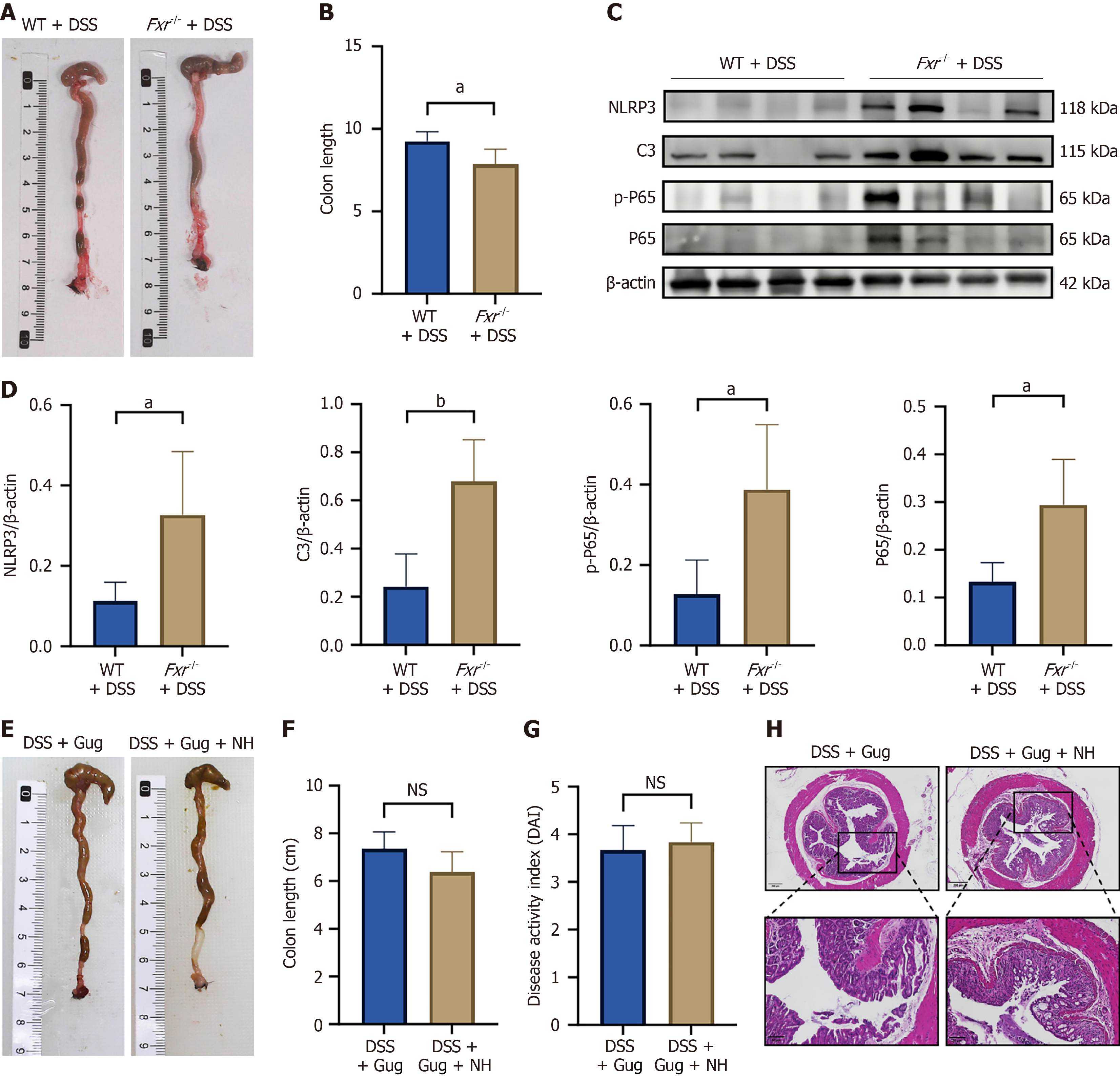
Figure 9 Farnesoid X receptor inhibitor abolishes the therapeutic effects of the Niu Huang.
A: Representative images of the colon length; B: Colon length (n = 4 in each group); C and D: Protein expression levels of NOD-like receptor family pyrin domain containing 3, complement component 3, p-P65 and P65 in colon tissues (n = 4 in each group); E: Representative images of the colon length; F: Colon length (n = 6 in each group); G: Disease active index; H: Representative hematoxylin and eosin staining images of colon tissues. aP < 0.05 vs dextran sulfate sodium group, bP < 0.01 vs dextran sulfate sodium group. WT: Wild type; DSS: Dextran sulfate sodium; FXR: Farnesoid X receptor; C3: Complement component 3; NLRP3: NOD-like receptor family pyrin domain containing 3; Gug: Gug
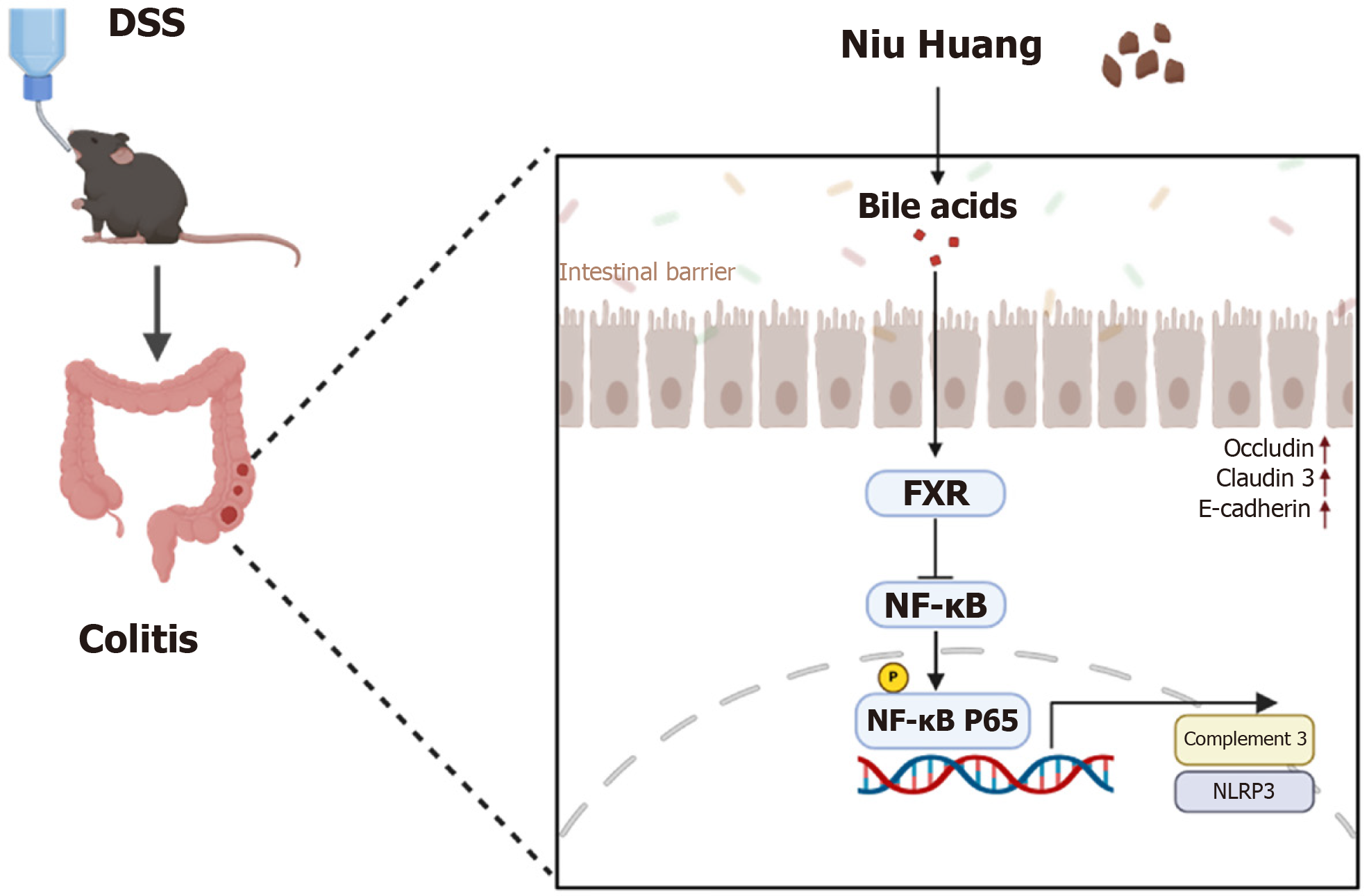
Figure 10 Niu Huang mitigates dextran sulfate sodium-induced colitis by modulating farnesoid X receptor activation and the com
- Citation: Shi J, Ma CY, Zhang XH, Liu KJ, Liu JY, Wang QG, Wang XQ, Cheng FF, Xu T. Niu Huang mitigates dextran sulfate sodium-induced colitis by modulating farnesoid X receptor activation and the complement 3/NLRP3 signaling pathway. World J Gastroenterol 2026; 32(17): 116590
- URL: https://www.wjgnet.com/1007-9327/full/v32/i17/116590.htm
- DOI: https://dx.doi.org/10.3748/wjg.v32.i17.116590