
















Copyright: ©Author(s) 2026.
World J Gastroenterol. Apr 28, 2026; 32(16): 117443
Published online Apr 28, 2026. doi: 10.3748/wjg.v32.i16.117443
Published online Apr 28, 2026. doi: 10.3748/wjg.v32.i16.117443
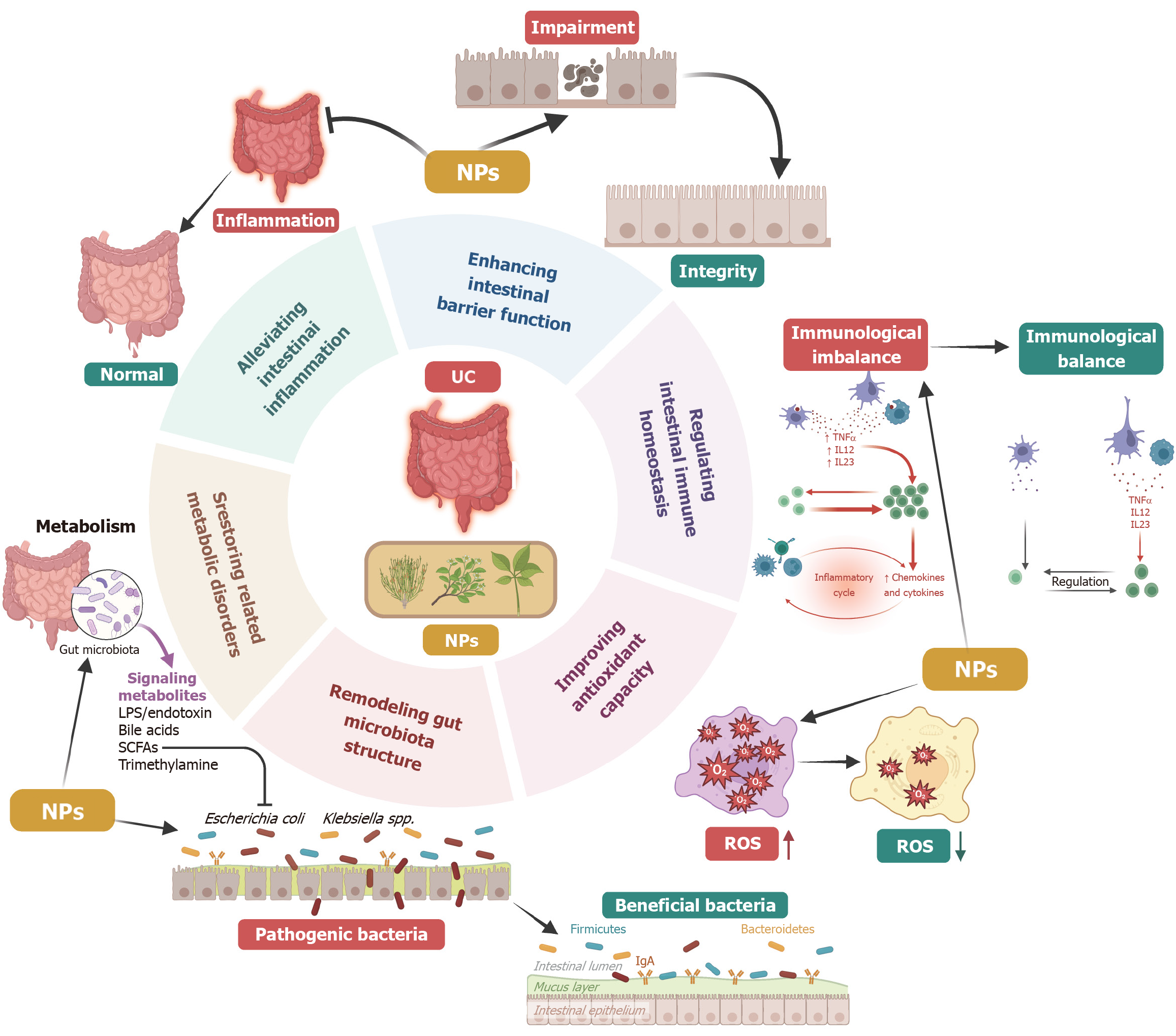
Figure 1 The potential mechanisms of natural products in ameliorating ulcerative colitis through multiple pathways.
This schematic diagram illustrates the pathological characteristics of ulcerative colitis (UC) (including intestinal inflammation, barrier impairment, immunological imbalance, reduction-oxidation imbalance, gut dysbiosis, and metabolic disorders) and the therapeutic effects of natural products (NPs) via six core pathways: (1) Direct anti-inflammatory effect; (2) Enhancing intestinal barrier integrity to reverse mucosal impairment; (3) Regulating immune homeostasis to restore immunological balance; (4) Improving antioxidant capacity to reduce reactive oxygen species-mediated damage; (5) Remodeling gut microbiota structure by inhibiting pathogenic bacteria (e.g., Escherichia coli, Klebsiella spp.) and enriching beneficial bacteria (e.g., Firmicutes, Bacteroidetes); and (6) Restoring metabolic homeostasis by modulating gut microbial metabolites (e.g., lipopolysaccharides, short-chain fatty acids). Collectively, NPs exert synergistic effects on multiple pathological links of UC, ultimately alleviating intestinal inflammation and restoring normal gut function. NPs: Natural products; UC: Ulcerative colitis; TNF: Tumor necrosis factor; IL: Interleukin; ROS: Reactive oxygen species; LPS: Lipopolysaccharides; SCFAs: Short-chain fatty acids.
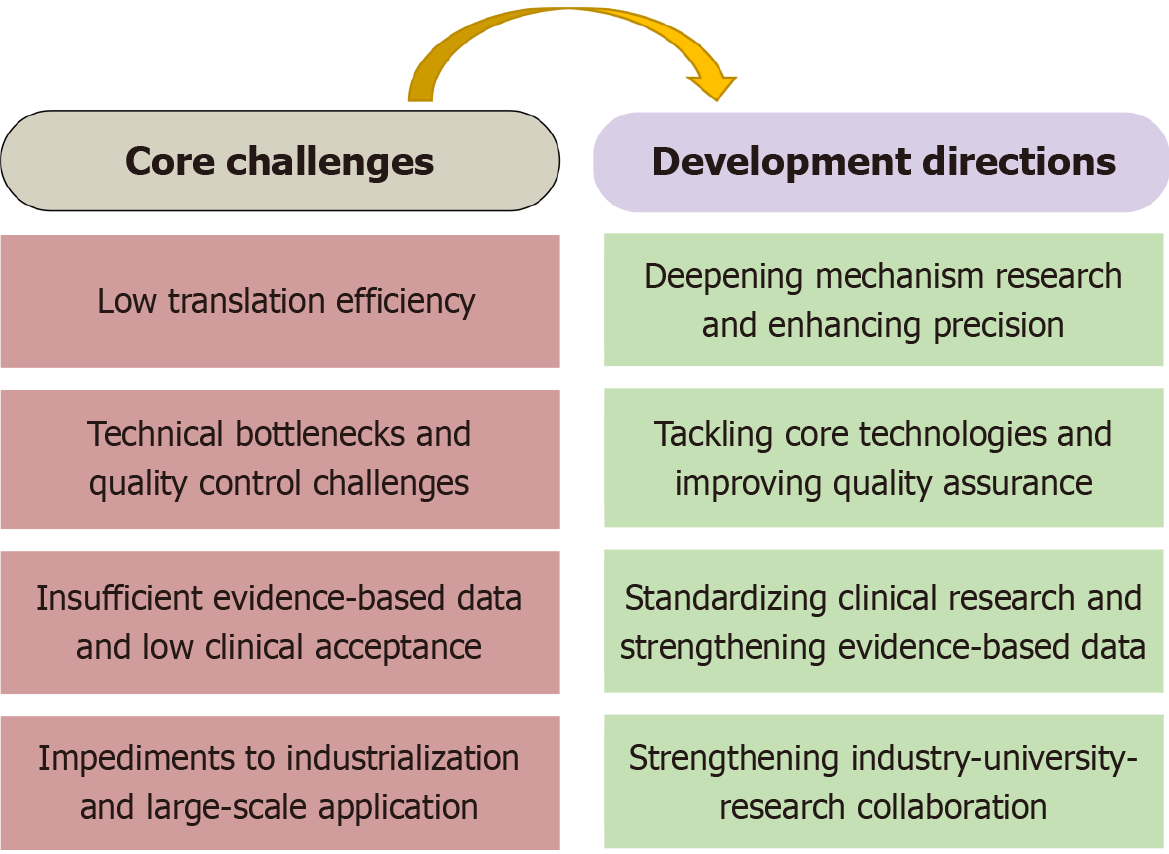
Figure 2 Core challenges and corresponding development directions for the translational application of natural products in ulcerative colitis treatment.
This figure illustrates the one-to-one matching relationship between the core challenges (left light pink panel) and corresponding development directions (right light green panel) regarding the translational application of natural products (NPs) in ulcerative colitis (UC) treatment. The left panel summarizes four key challenges in the current field: Low translation efficiency, technical bottlenecks and quality control difficulties, insufficient evidence-based data coupled with low clinical acceptance, and impediments to industrialization and large-scale application. Corresponding to these challenges (linked by the directional arrow), the right panel puts forward four key development directions: Deepening mechanism research and enhancing precision, tackling core technologies and improving quality assurance, standardizing clinical research and strengthening evidence-based data, and strengthening industry-university-research collaboration. This diagram clarifies the “problem-solution” logical connection in this field, providing a clear guiding framework for subsequent research, technological breakthroughs, and the industrial translation of NPs in UC treatment.
- Citation: Yu X, Zhao CX, Wang C. Research progress in the treatment of ulcerative colitis with natural products. World J Gastroenterol 2026; 32(16): 117443
- URL: https://www.wjgnet.com/1007-9327/full/v32/i16/117443.htm
- DOI: https://dx.doi.org/10.3748/wjg.v32.i16.117443