
















Copyright: ©Author(s) 2026.
World J Gastroenterol. Apr 7, 2026; 32(13): 115758
Published online Apr 7, 2026. doi: 10.3748/wjg.v32.i13.115758
Published online Apr 7, 2026. doi: 10.3748/wjg.v32.i13.115758
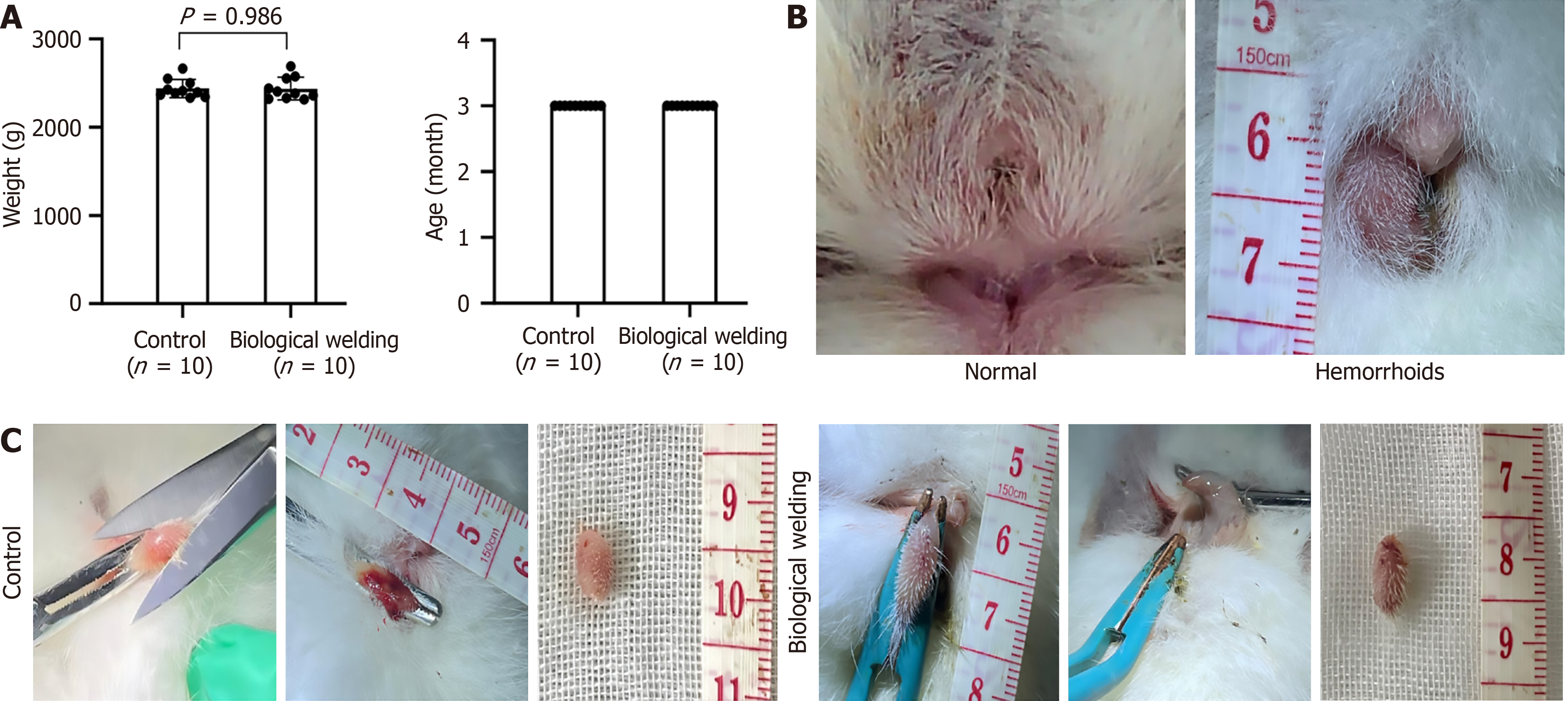
Figure 1 Animal experimental models and surgical procedures.
A: Distribution of age and weight in New Zealand rabbits; B: Hemorrhoid model in the rabbit; C: Image showing the hemorrhoidectomy procedure.
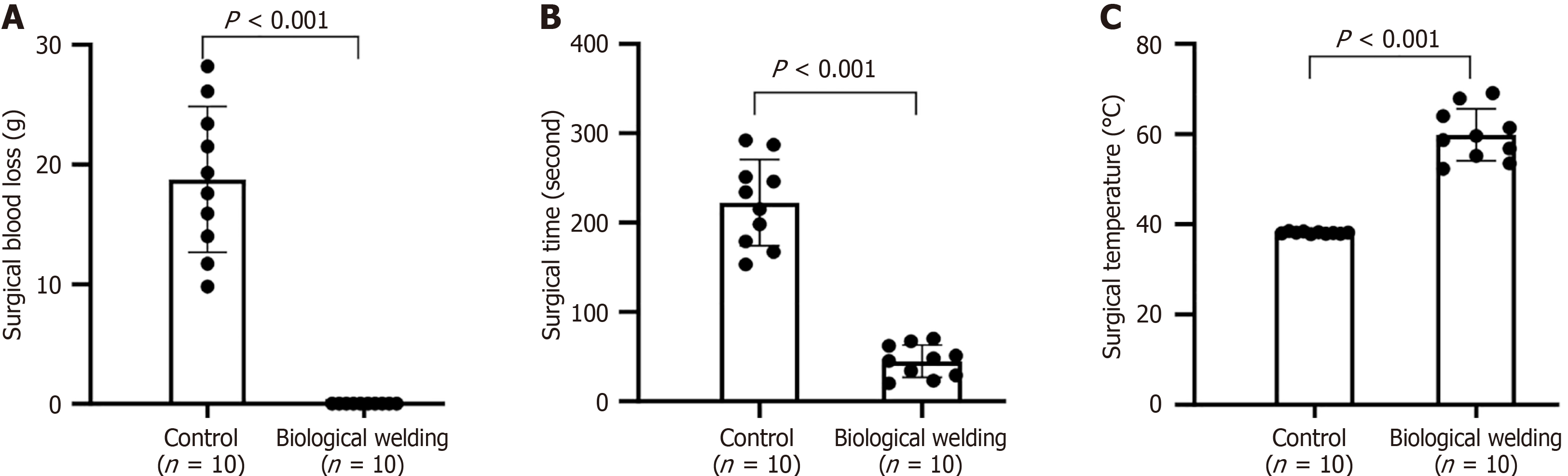
Figure 2 Key parameters during the surgical procedure.
A: Surgical duration; B: Intraoperative blood loss; C: Intraoperative temperature.
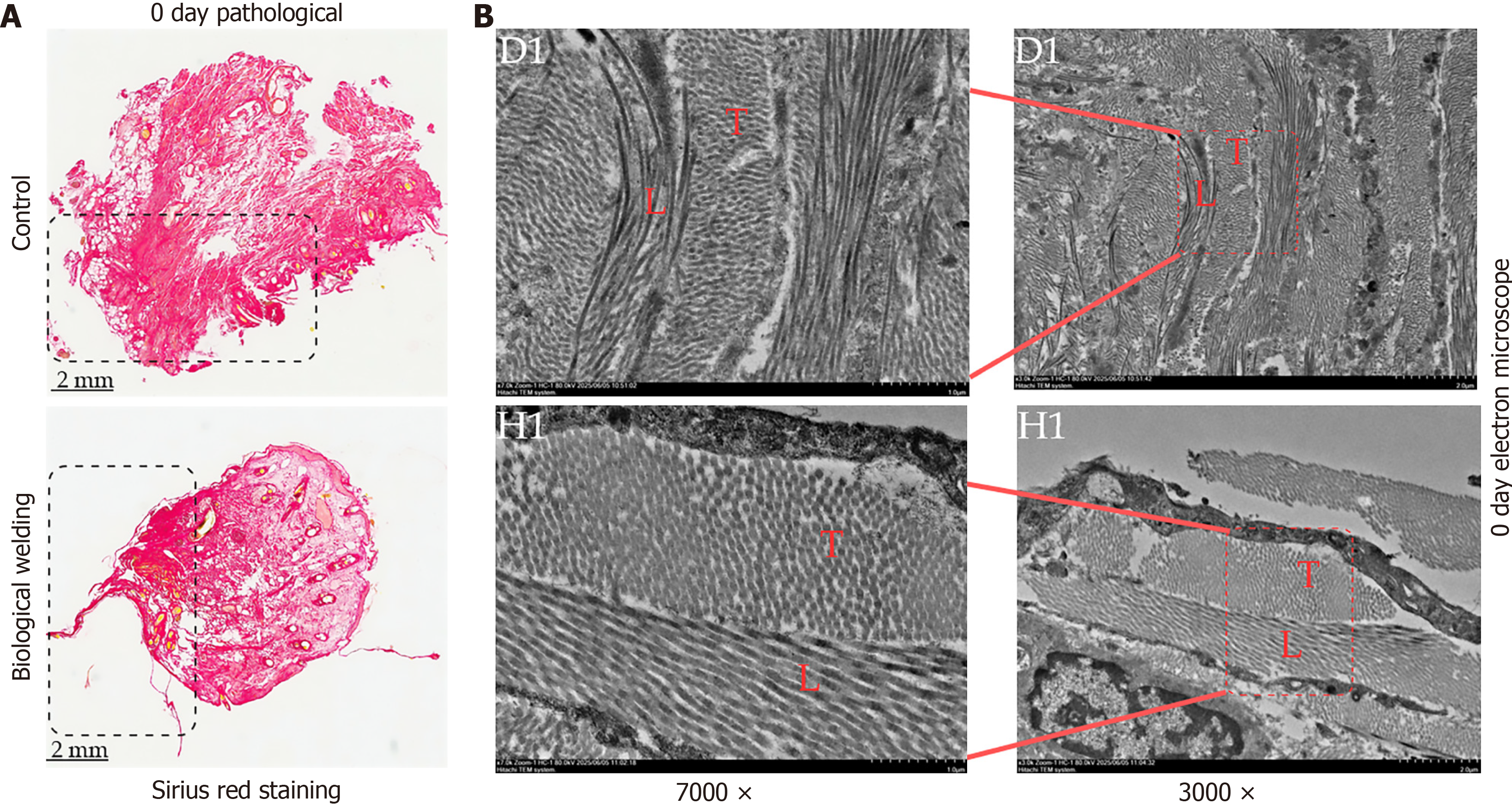
Figure 3 Images of Sirius red staining and electron microscopy.
A: Sirius red staining of anal tissue on the day of surgery; B: Electron microscopy images of anal tissue on the day of surgery (D1: Electron microscopy image of the control group, H1: Electron microscopy image of the biological welding group, T: Cross-section of collagen fibers, L: Longitudinal section of collagen fibers).
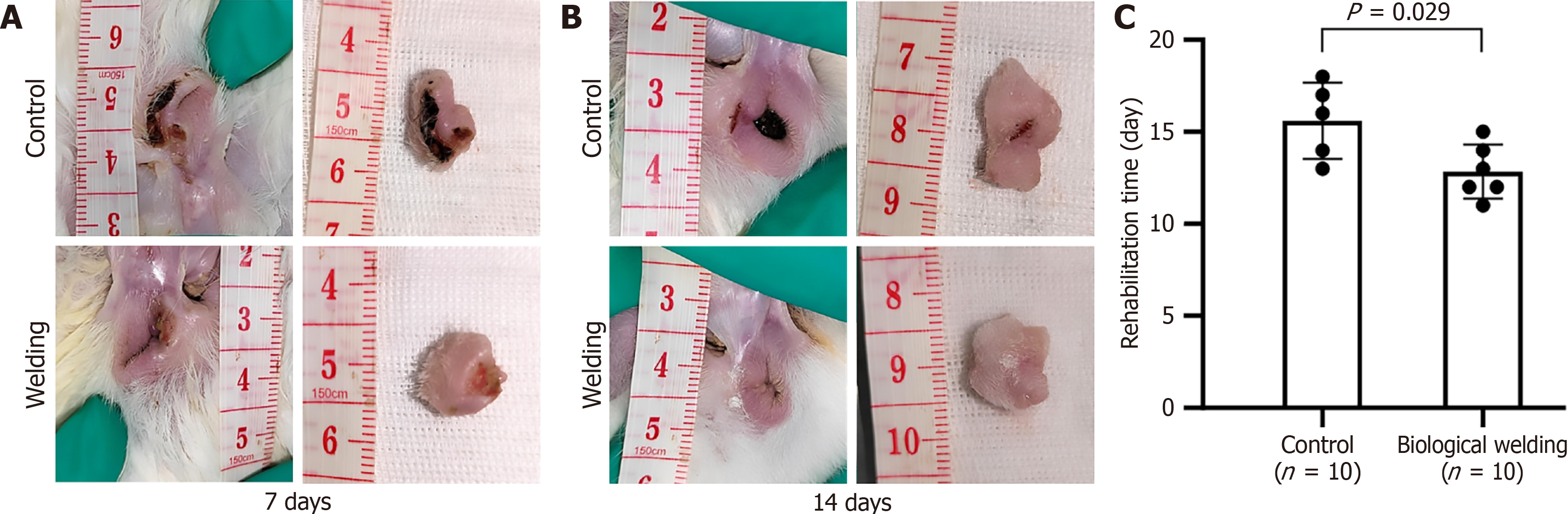
Figure 4 Postoperative observation results following hemorrhoidectomy.
A: Postoperative day 7; B: Postoperative day 14; C: Statistical analysis of recovery time.
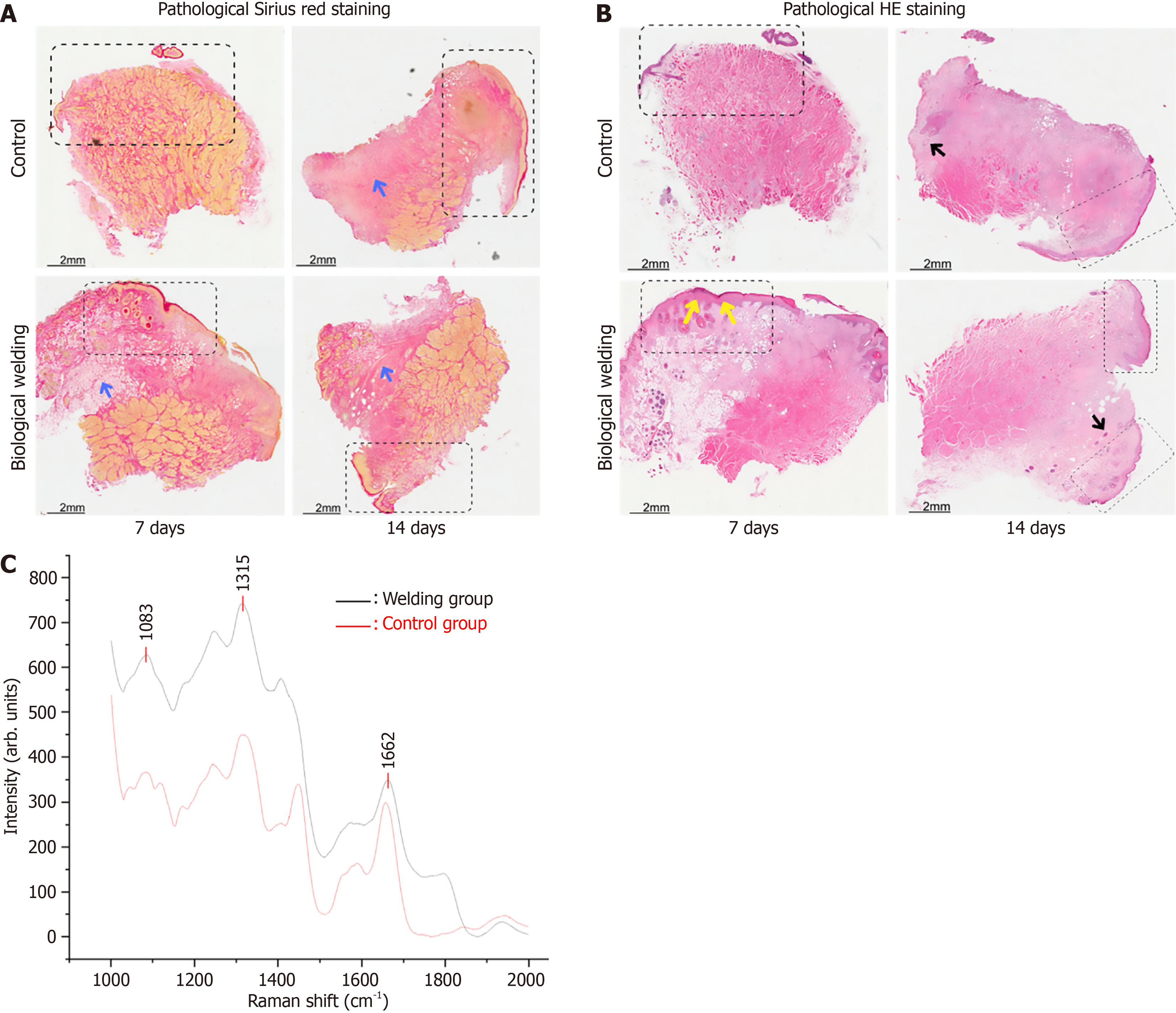
Figure 5 Pathological observation and micro-spectroscopy results following hemorrhoidectomy.
A: Sirius red staining of hemorrhoidal tissue at postoperative days 7 and 14. The blue arrow indicates the restructured collagen fibers; B: Hematoxylin and eosin staining of hemorrhoidal tissue at postoperative days 7 and 14. The black arrow represents the normal tissue blood vessels. The yellow arrow indicates the area of thermal injury; C: Raman micro-spectroscopy results. HE: Hematoxylin and eosin.
- Citation: Chen Y, Zhang QR, Guo MG, Sun ZY, Zeng FC. Biological welding: A rapid and bloodless approach to hemorrhoidectomy. World J Gastroenterol 2026; 32(13): 115758
- URL: https://www.wjgnet.com/1007-9327/full/v32/i13/115758.htm
- DOI: https://dx.doi.org/10.3748/wjg.v32.i13.115758