
















©The Author(s) 2025.
World J Gastroenterol. Dec 28, 2025; 31(48): 114049
Published online Dec 28, 2025. doi: 10.3748/wjg.v31.i48.114049
Published online Dec 28, 2025. doi: 10.3748/wjg.v31.i48.114049
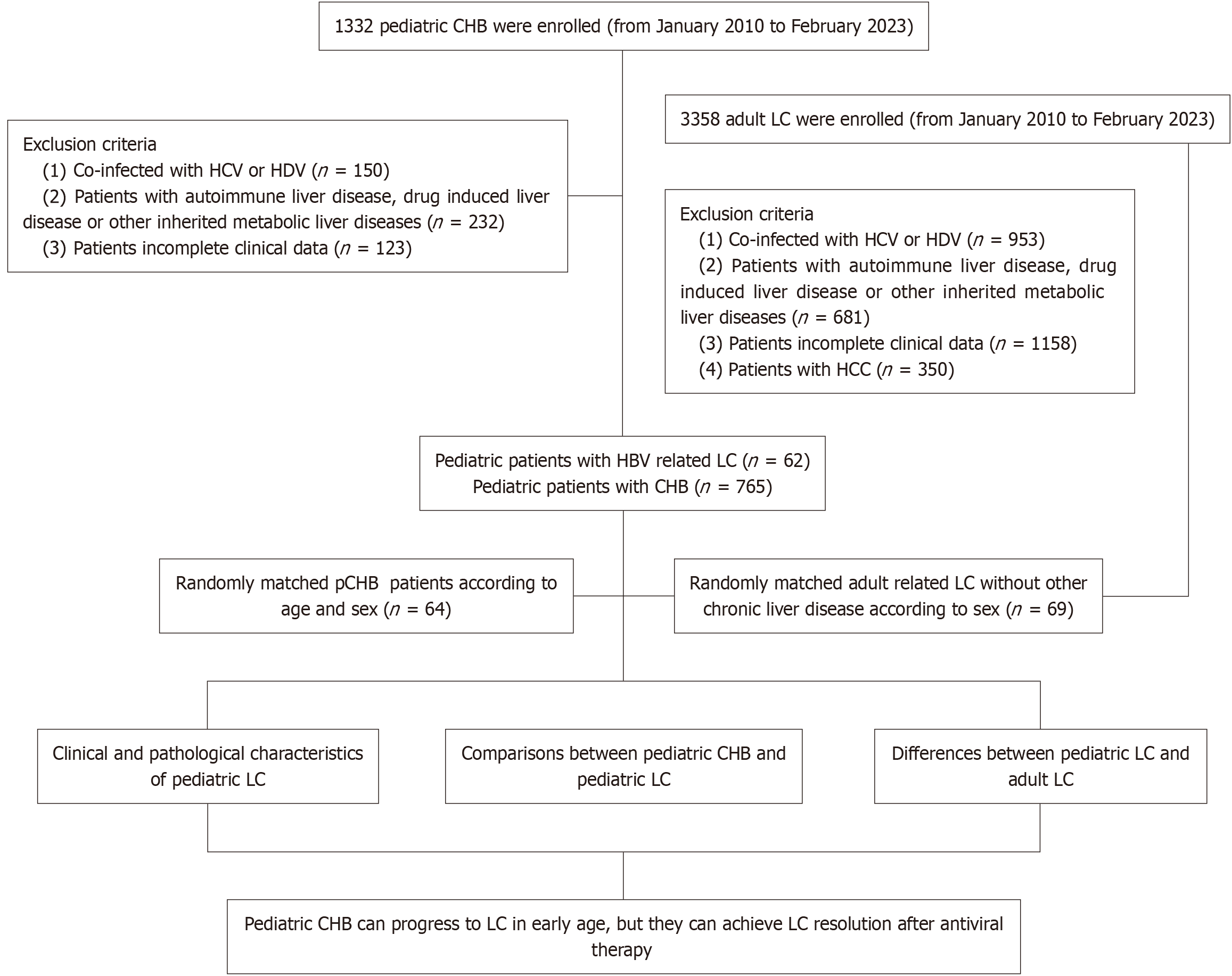
Figure 1 Patient study flow diagram.
A total of 1332 pediatric patients with chronic hepatitis B (CHB) diagnosed at the Fifth Medical Center of PLA General Hospital between January 2010 and February 2023 were enrolled in this study. According to the exclusion criteria, 150 patients were excluded due to co-infection with hepatitis C virus or hepatitis D virus; 232 were excluded for autoimmune liver disease, drug-induced liver disease, or other inherited metabolic liver diseases; and 123 were excluded due to incomplete clinical data. Ultimately, the study included 62 children with hepatitis B virus-related liver cirrhosis (LC) and 765 children with CHB. From the pediatric CHB group, 64 patients were randomly matched by age and sex for comparative analysis. From a concurrent cohort of 3358 adult LC patients, exclusions were applied as follows: 953 due to hepatitis C virus or hepatitis D virus co-infection, 681 due to autoimmune, drug-induced, or metabolic liver diseases, 1158 due to incomplete clinical data, and 350 due to hepatocellular carcinoma. Subsequently, 69 adult patients with LC without other chronic liver diseases were matched by sex for comparative analysis. By characterizing the clinical and pathological features of pediatric LC, comparing pediatric CHB with pediatric LC, and identifying differences between pediatric and adult LC, this study demonstrated that although chronic hepatitis B can progress to cirrhosis early in childhood, antiviral therapy may lead to the reversal of liver cirrhosis. CHB: Chronic hepatitis B; HCV: Hepatitis C virus; HDV: Hepatitis D virus; LC: Liver cirrhosis; HBV: Hepatitis B virus; pCHB: Pediatric chronic hepatitis B; HCC: Hepatocellular carcinoma.
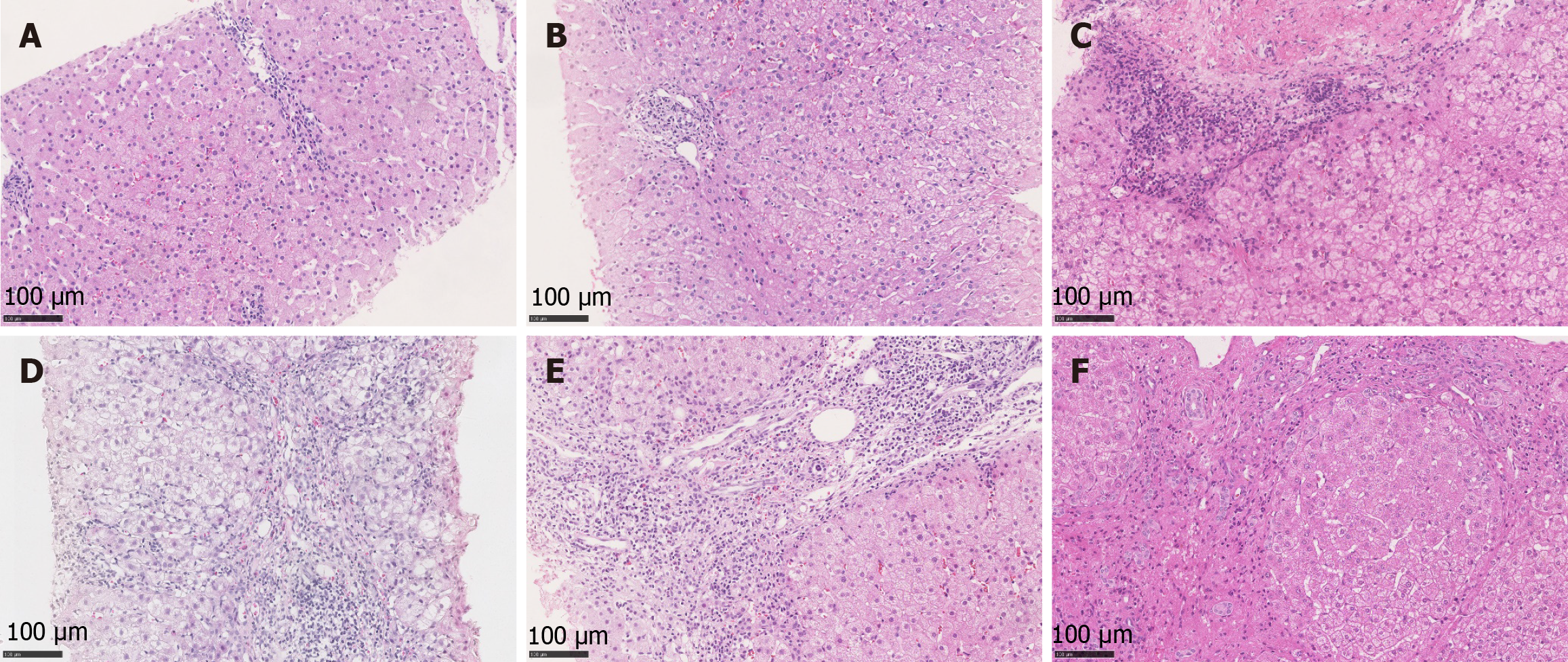
Figure 2 Liver pathology of children and adult.
A: Liver fibrosis F0 in children; B: Liver fibrosis F1 in children; C: Liver fibrosis F2 in children; D: Liver fibrosis F3 in children; E: Liver cirrhosis in children; F: Liver cirrhosis in adult. Scale bar, 100 μm, magnification, 200 ×.
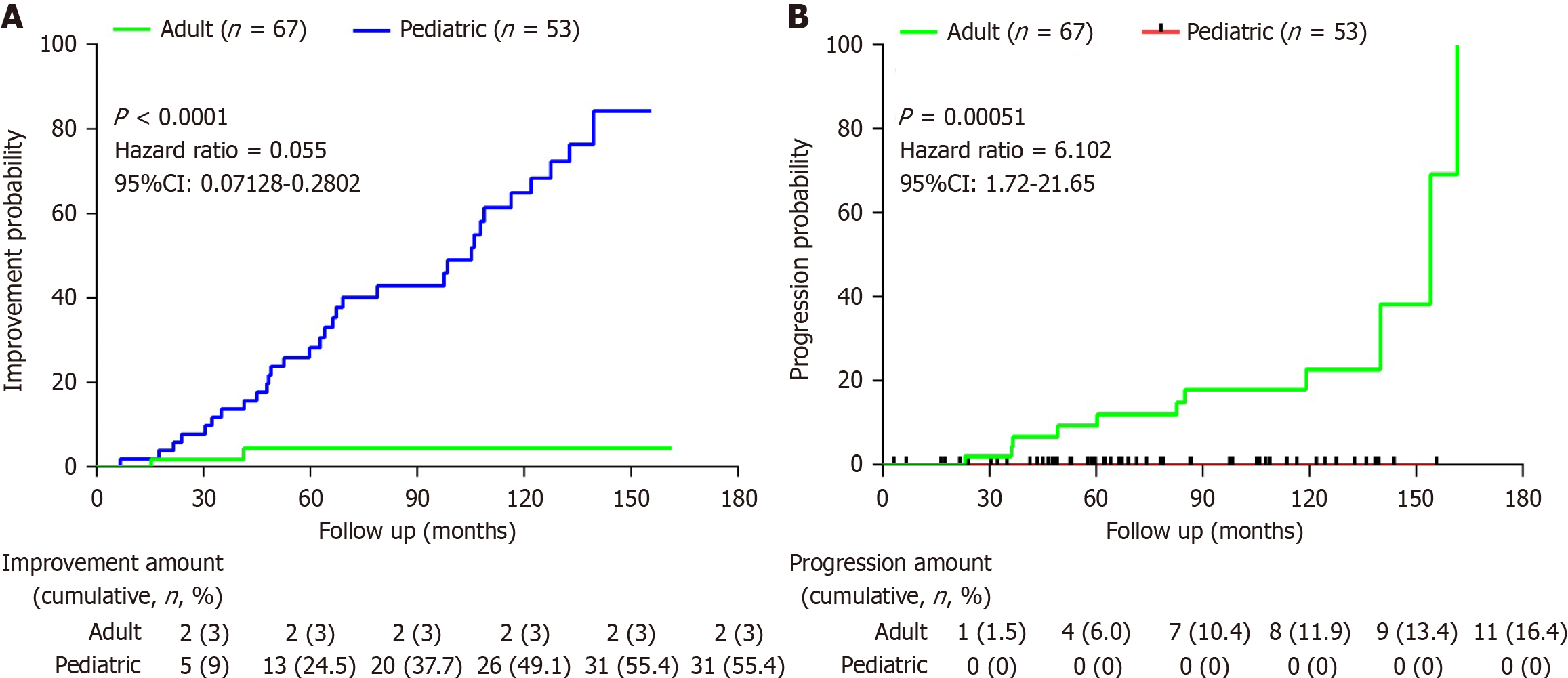
Figure 3 Comparative survival analysis of liver cirrhosis progression and remission in children vs adults following antiviral therapy.
A: Survival analysis of the incidence of progression of cirrhosis in children after antiviral therapy continues to be much lower than that in adults liver cirrhosis (hazard ratio = 6.102, 95% confidence interval: 1.72-21.65, P = 0.00051); B: Survival analysis of the incidence of remission of liver cirrhosis in children after antiviral therapy continues to be much higher than that in adults liver cirrhosis (hazard ratio = 0.055, 95% confidence interval: 0.07128-0.2802, P < 0.0001).
- Citation: Zhao BK, Li Y, Jiang YY, Li ML, Jiang Y, Zhu L, Guo CN, Liu SH, Chen L, Jiang LN, Niu JQ, Zhao JM. Clinical, pathological characteristics and long-term outcomes of hepatitis B virus related cirrhosis in pediatric observational study. World J Gastroenterol 2025; 31(48): 114049
- URL: https://www.wjgnet.com/1007-9327/full/v31/i48/114049.htm
- DOI: https://dx.doi.org/10.3748/wjg.v31.i48.114049