
















Copyright: ©Author(s) 2026.
World J Clin Cases. May 26, 2026; 14(15): 120061
Published online May 26, 2026. doi: 10.12998/wjcc.v14.i15.120061
Published online May 26, 2026. doi: 10.12998/wjcc.v14.i15.120061
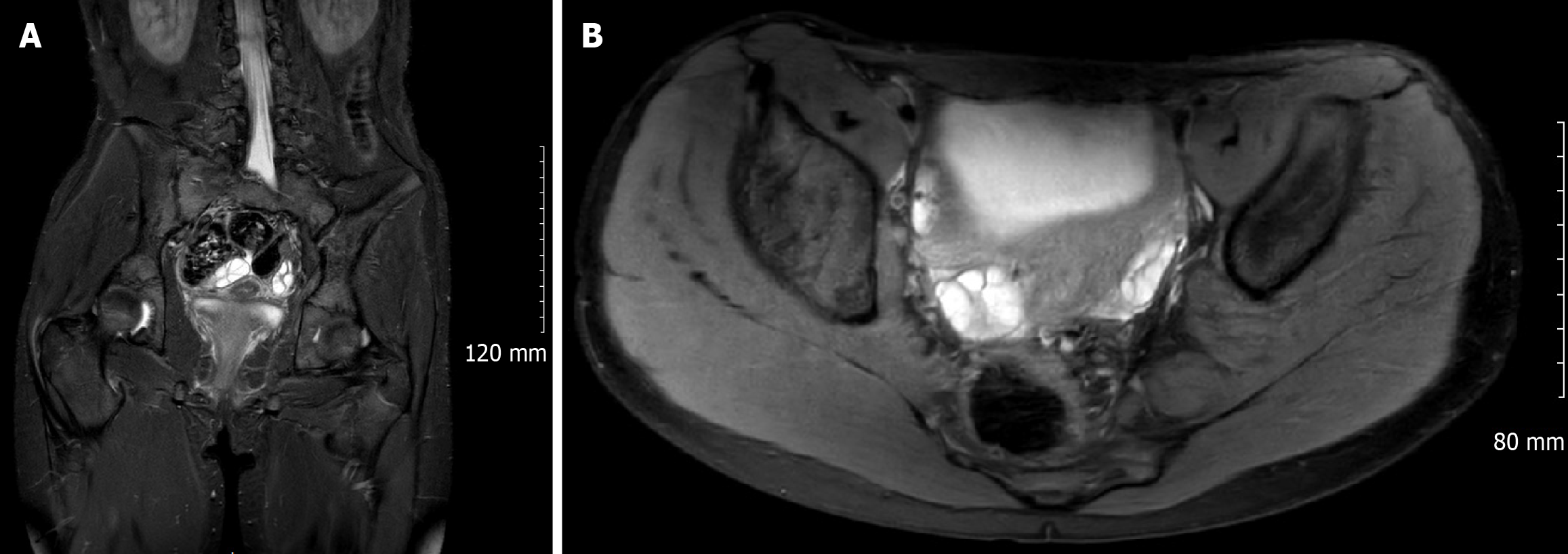
Figure 1 T2-weighted magnetic resonance imaging of the lumbosacral region (August 2024) demonstrating nerve root enlargement due to neuromuscular choristoma.
A: Expansion of the left L4–S2 nerve roots through the pelvis, indicated by arrowheads; B: Axial magnetic resonance imaging view at the level of the sciatic nerve, illustrating markedly hypertrophic left sciatic nerve fascicles (encircled) on the left side. These images confirm the findings of sciatic nerve neuromuscular choristoma without evidence of a discrete mass or malignant change.
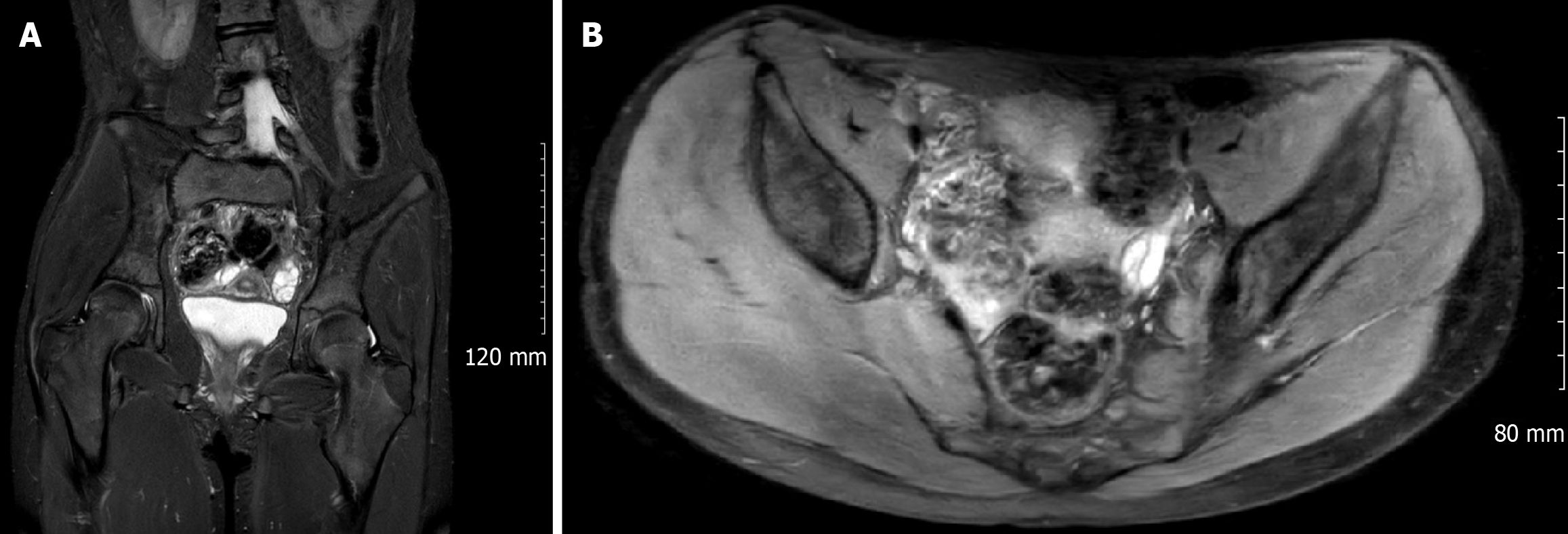
Figure 2 Magnetic resonance imaging of the pelvis (August 2024) focusing on the lumbosacral exit foramina.
The images highlight enlargement of the neural foramina and a thickened left L5 nerve root (seen in cross-section) caused by the choristoma. There is smooth expansion of the nerve root sleeve (outlined) and no destructive bony changes, consistent with a chronic benign process that leads to widening of the nerve root canals without invasive or infiltrative features. A: Axial view; B: Coronal view.
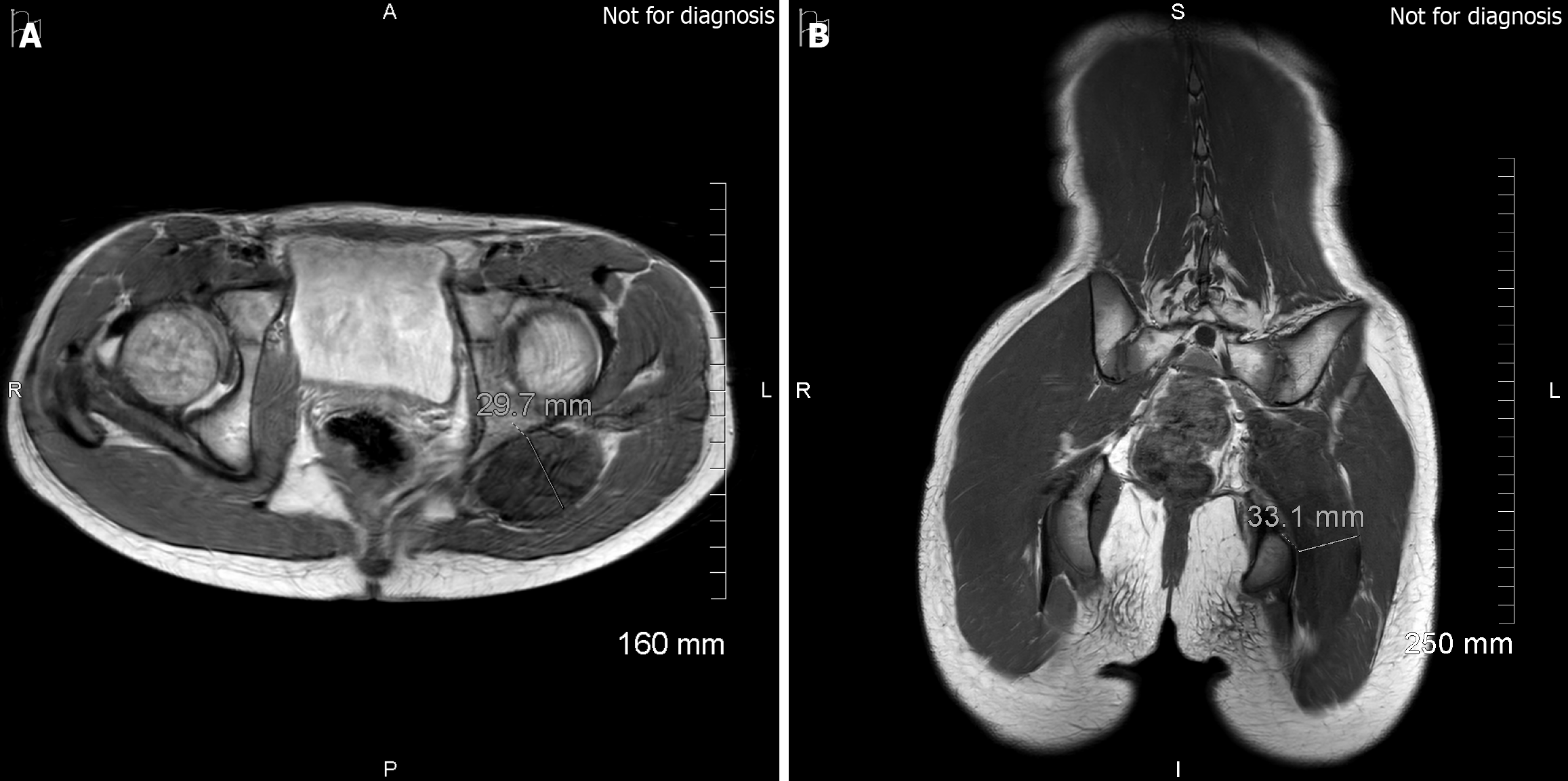
Figure 3 Magnetic resonance imaging of the lumbosacral region from November 2025.
A: Axial image at the level of the ischium showing an anteroposterior sciatic nerve diameter of approximately 3.0 cm; B: Coronal image at the level of the ischial tuberosity showing a transverse diameter of approximately 3.3 cm. Overall appearances were similar to prior studies, with no convincing interval progression in morphology or signal characteristics.
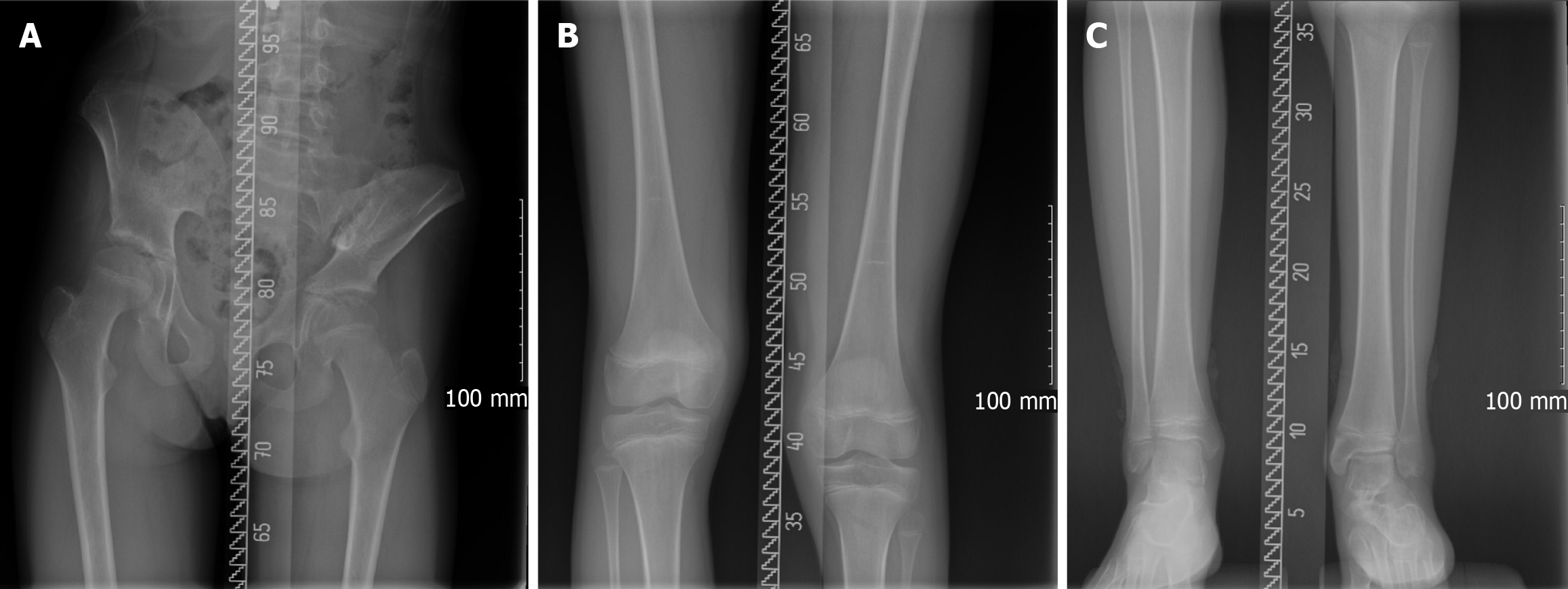
Figure 4 Standing radiographs from December 2024 demonstrating orthopaedic sequelae associated with the sciatic nerve neuro
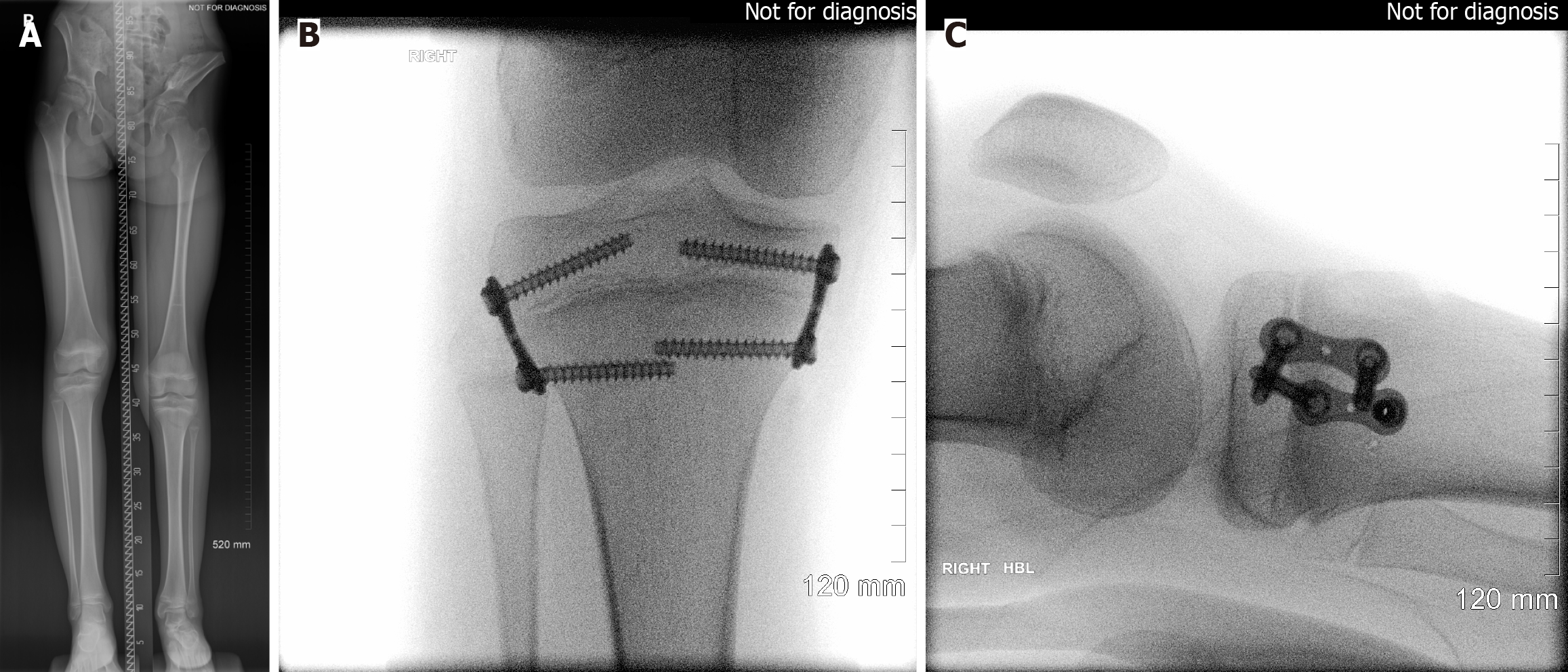
Figure 5 Standing radiographs taken post-operatively in August 2025, after the epiphysiodesis guided growth procedure.
A: Pre-operative full-length anteroposterior radiograph demonstrating leg length discrepancy and compensatory scoliosis, as described in Figure 4A; B: Anteroposterior radiograph showing insertion of two 16 mm, 8-plate guided growth plates that were secured using 32 mm guided growth screws onto the medial and lateral aspects of the proximal tibia; C: Lateral radiograph of the guided growth plates and screws, showing that the screws were clear of chondral surfaces after insertion.
- Citation: Saravanan K, Nagappan PG, Simpson AI. Benign but not inconsequential, paediatric sciatic nerve neuromuscular choristoma and its longitudinal impact: A case report. World J Clin Cases 2026; 14(15): 120061
- URL: https://www.wjgnet.com/2307-8960/full/v14/i15/120061.htm
- DOI: https://dx.doi.org/10.12998/wjcc.v14.i15.120061