
















Copyright: ©Author(s) 2026.
World J Clin Cases. May 16, 2026; 14(14): 120147
Published online May 16, 2026. doi: 10.12998/wjcc.v14.i14.120147
Published online May 16, 2026. doi: 10.12998/wjcc.v14.i14.120147
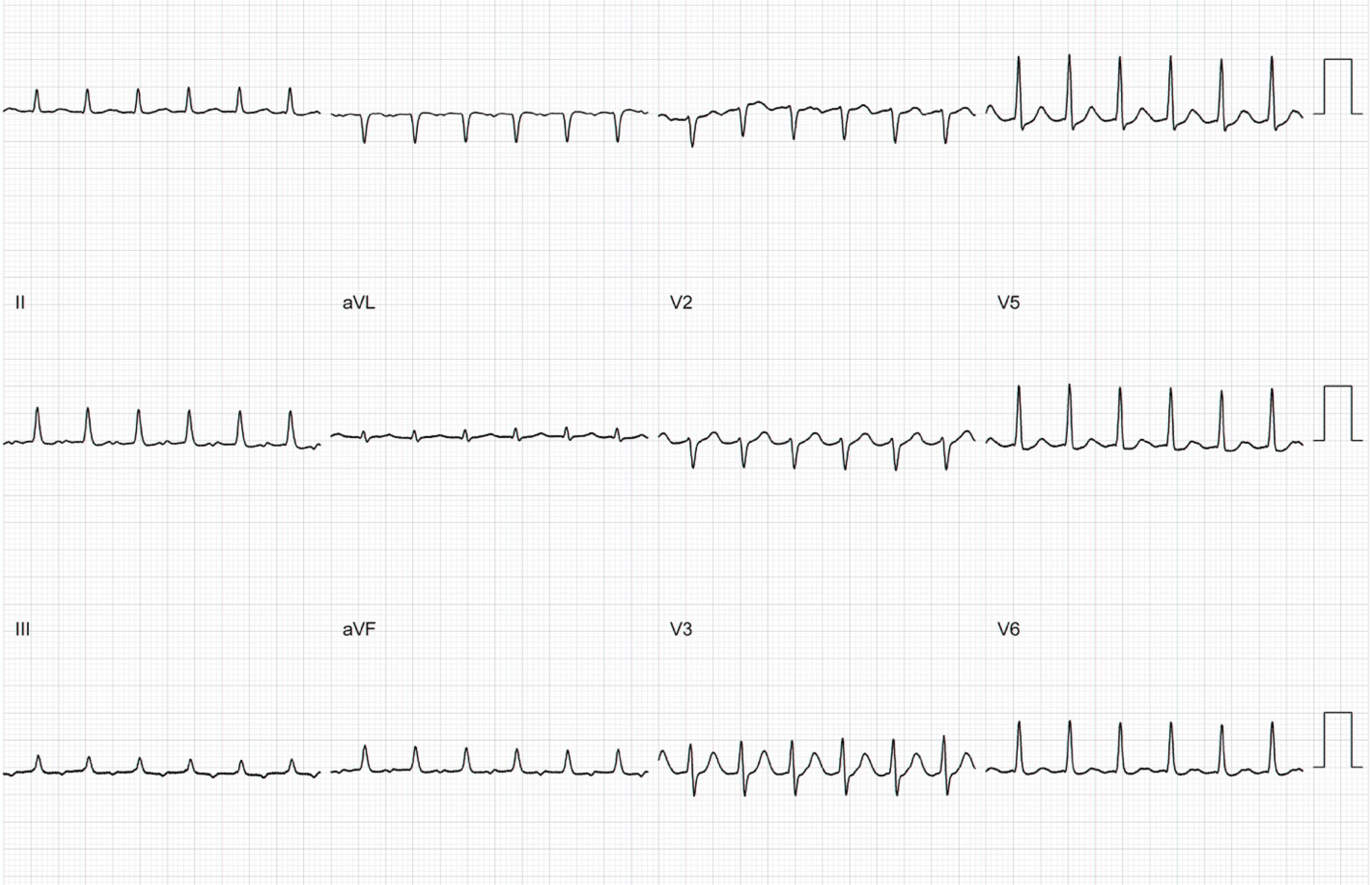
Figure 1 The electrocardiogram shows a 1:1 long RP tachycardia with a heart rate of 150 beats per minute.
The atrial electrogram is biphasic in lead II and predominantly negative in lead III and aVF.
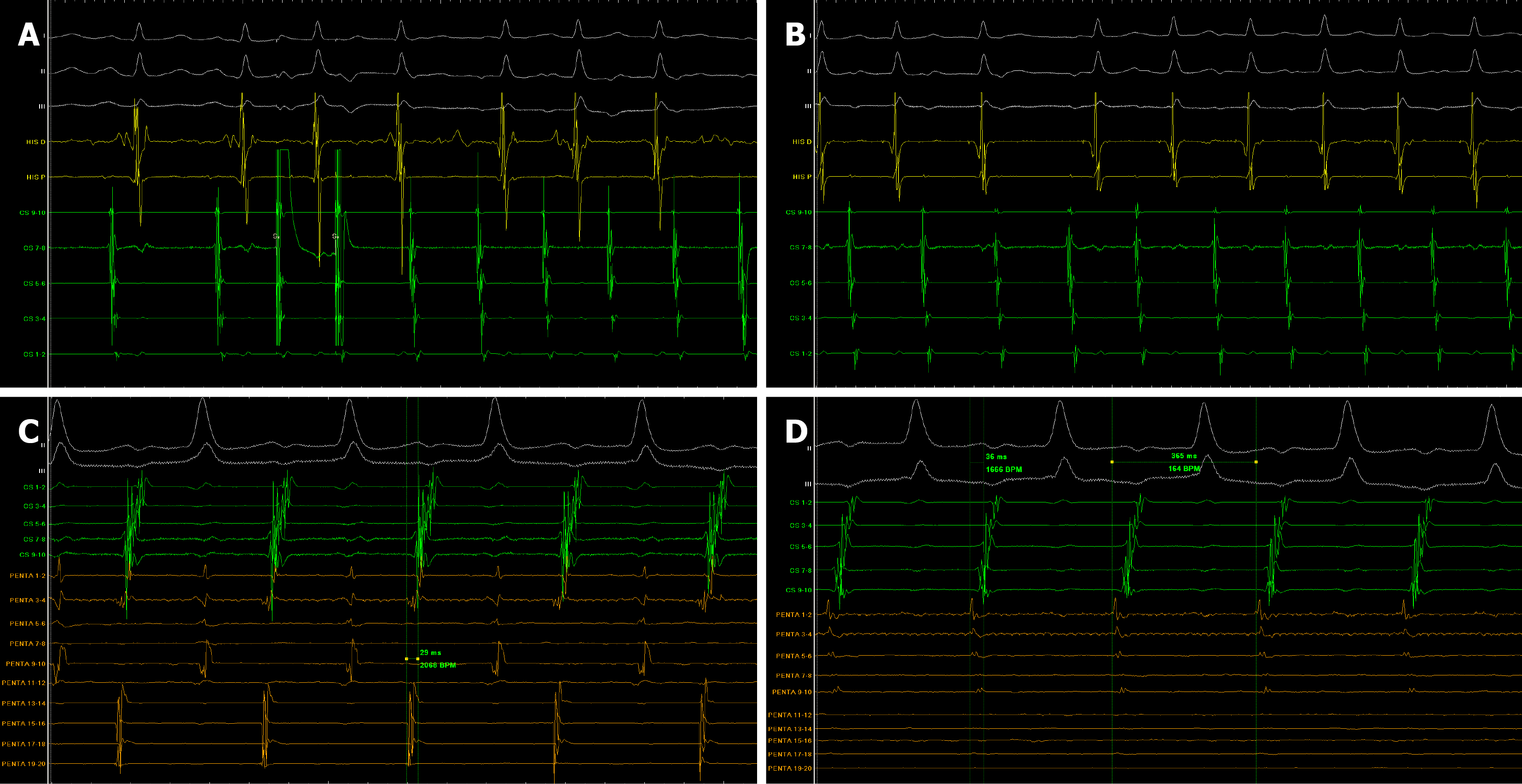
Figure 2 Electrophysiological-related research.
A: Induction of atrial tachycardia by programmed electrical stimulation with sensed premature atrial complexes; B: Phase of transient atrioventricular block during atrial tachycardia; C: Earliest signal from the right side of the atrial septum, with an anticipation of 29 milliseconds to the beginning to the P wave; D: Earliest signal detected from the non-coronary cusp, with an anticipation of 36 milliseconds to the beginning of the P wave.
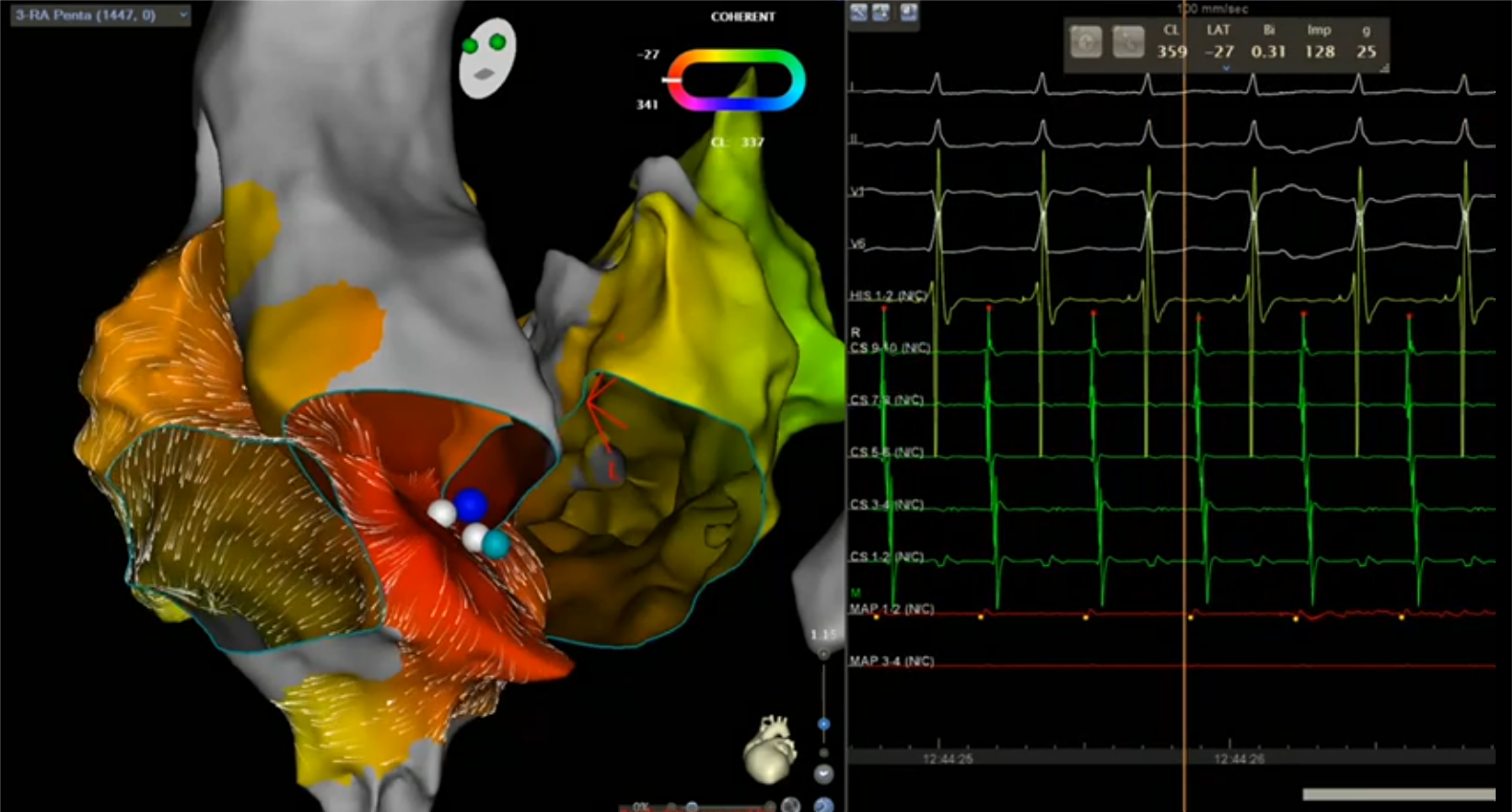
Figure 3 Electroanatomical mapping of the right atrium, left atrium and aortic root.
Activation mapping shows the earliest propagation of signals from the non-coronary cusp, which is anatomically and functionally in close proximity with the right side of the interatrial septum.
- Citation: Porto AG, Zappulla P, Conti S, Sgarito G. When the atrium is not enough, ablation of anteroseptal focal atrial tachycardia from the non-coronary aortic cusp: A case report. World J Clin Cases 2026; 14(14): 120147
- URL: https://www.wjgnet.com/2307-8960/full/v14/i14/120147.htm
- DOI: https://dx.doi.org/10.12998/wjcc.v14.i14.120147