
















Copyright: ©Author(s) 2026.
World J Clin Cases. May 6, 2026; 14(13): 118772
Published online May 6, 2026. doi: 10.12998/wjcc.v14.i13.118772
Published online May 6, 2026. doi: 10.12998/wjcc.v14.i13.118772
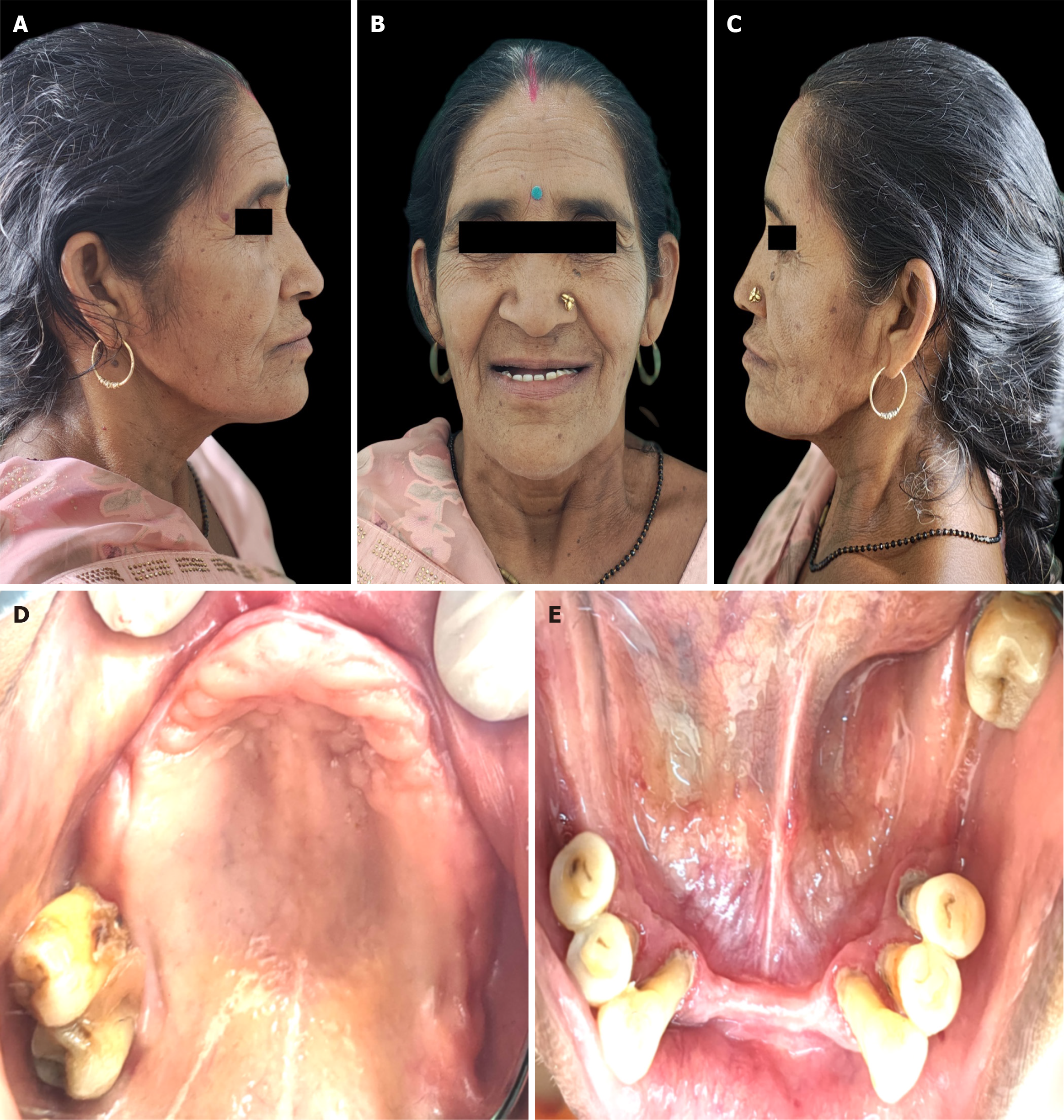
Figure 1 Preoperative extraoral and intraoral clinical photographs of the patient.
A: Right lateral profile; B: Frontal profile; C: Left lateral profile; D: Maxillary arch; E: Mandibular arch.
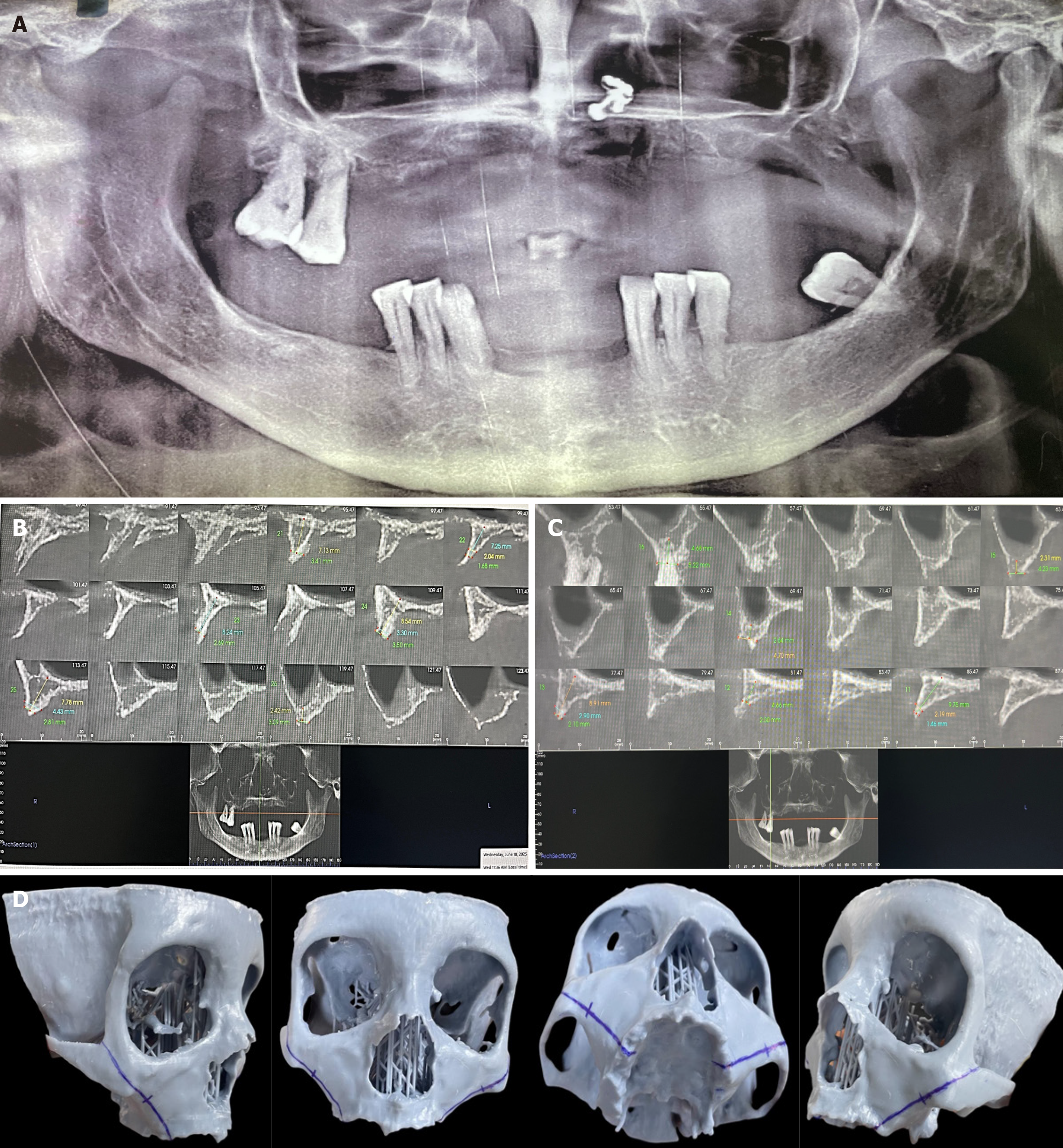
Figure 2 Preoperative radiographic and three-dimensional imaging evaluation.
A: Preoperative orthopantomogram; B: Cone-beam computed tomography (CBCT) cross-sectional images of the left maxillary region; C: CBCT cross-sectional images of the right maxillary region; D: Three-dimensional reconstructed CBCT images.
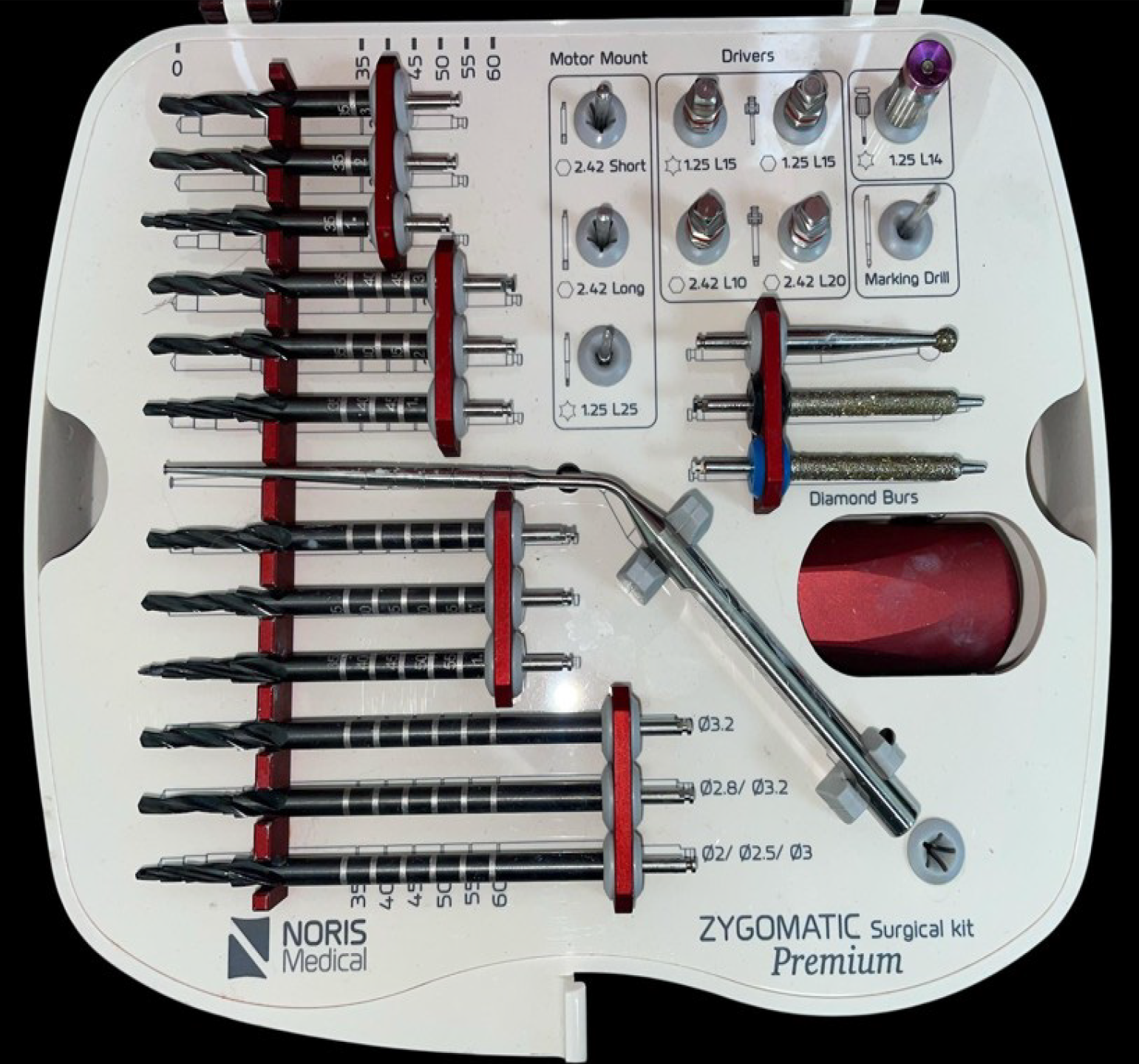
Figure 3 Zygomatic surgical kit.
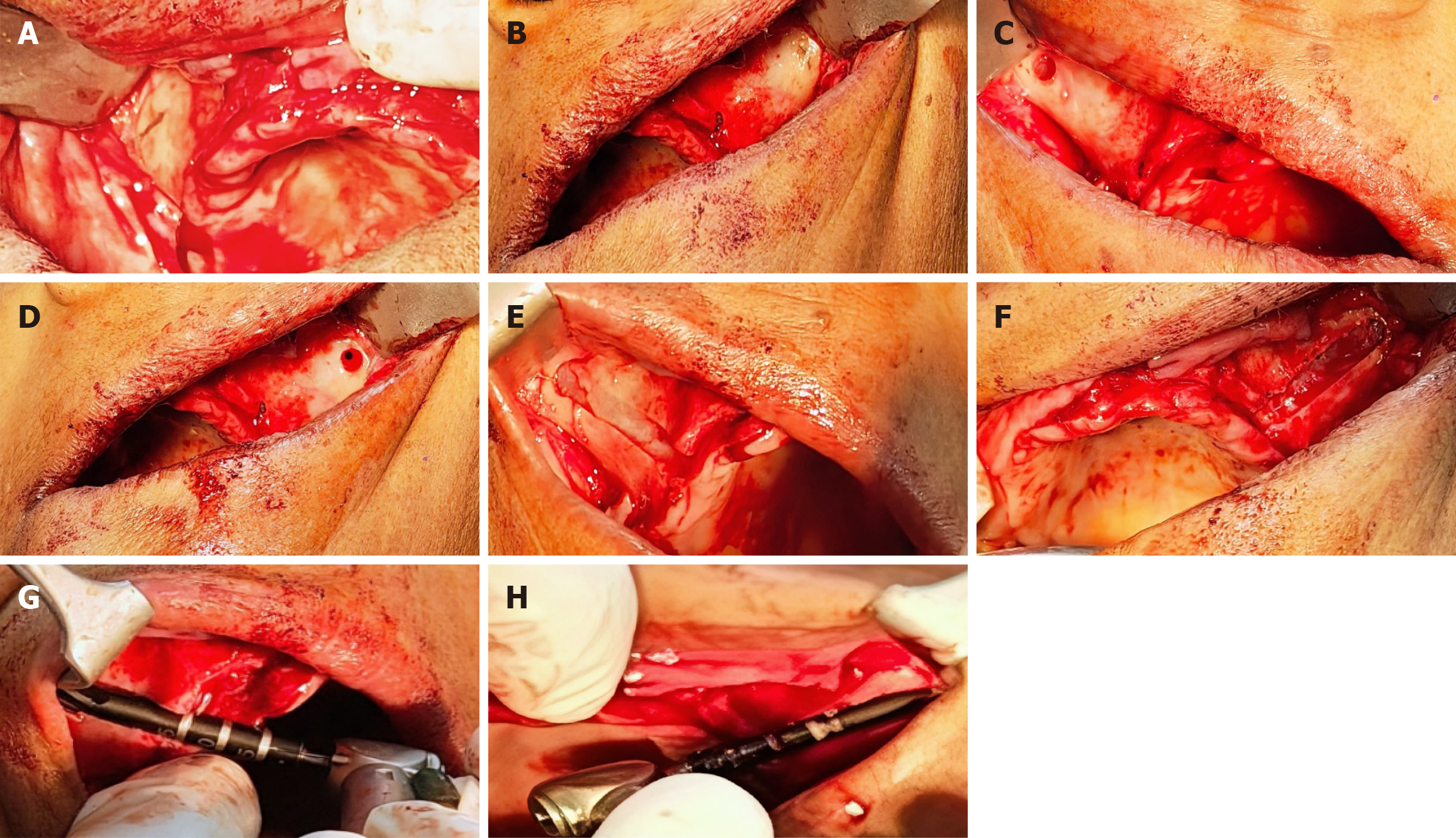
Figure 4 Intraoperative surgical steps for zygomatic implant placement.
A: Full-thickness mucoperiosteal flap raised in the maxillary right quadrant; B: Full-thickness mucoperiosteal flap raised in the maxillary left quadrant; C: Initial osteotomy using a round bur in the maxillary right quadrant; D: Initial osteotomy using a round bur in the maxillary left quadrant; E: Osteotomy using a diamond bur in the maxillary right quadrant; F: Osteotomy using a diamond bur in the maxillary left quadrant; G: Osteotomy using a depth-calibrated bur in the maxillary right quadrant; H: Osteotomy using a depth-calibrated bur in the maxillary left quadrant.
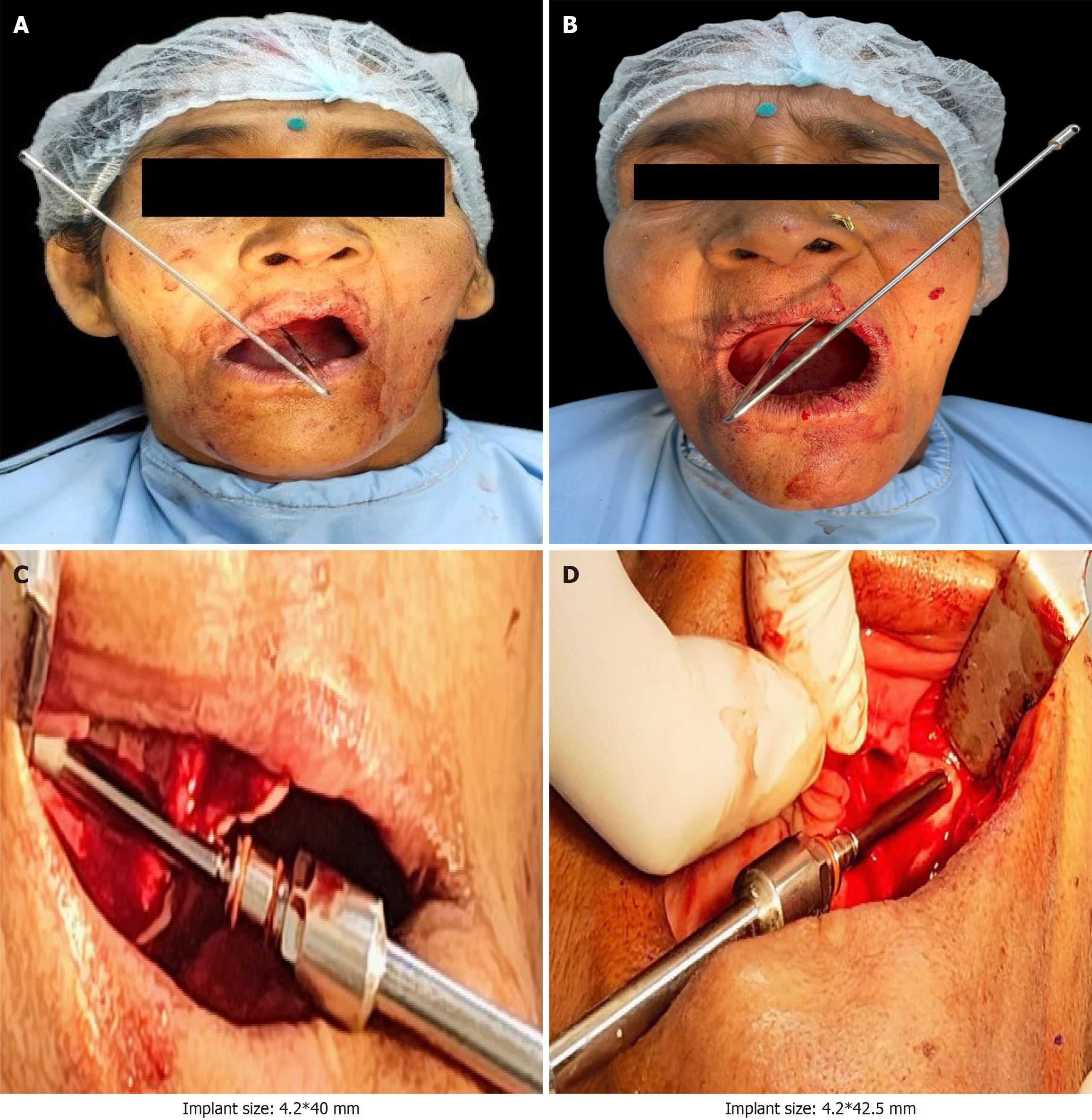
Figure 5 Intraoperative placement of zygomatic implants.
A: Zygomatic pathfinder placement in the right quadrant; B: Zygomatic pathfinder placement in the left quadrant; C: Zygomatic implant placement in the right quadrant; D: Zygomatic implant placement in the left quadrant.
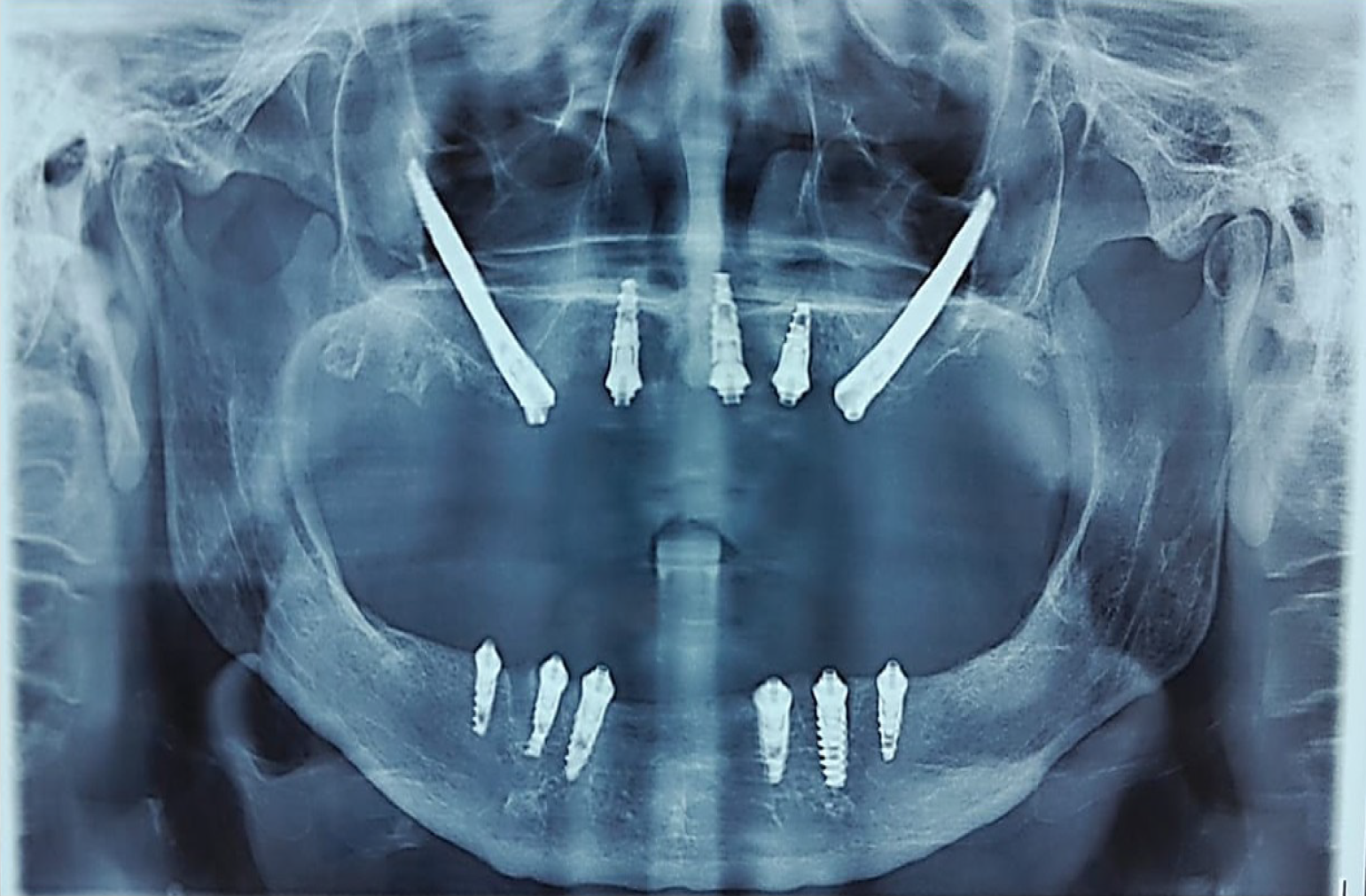
Figure 6 Postoperative radiograph of the patient.
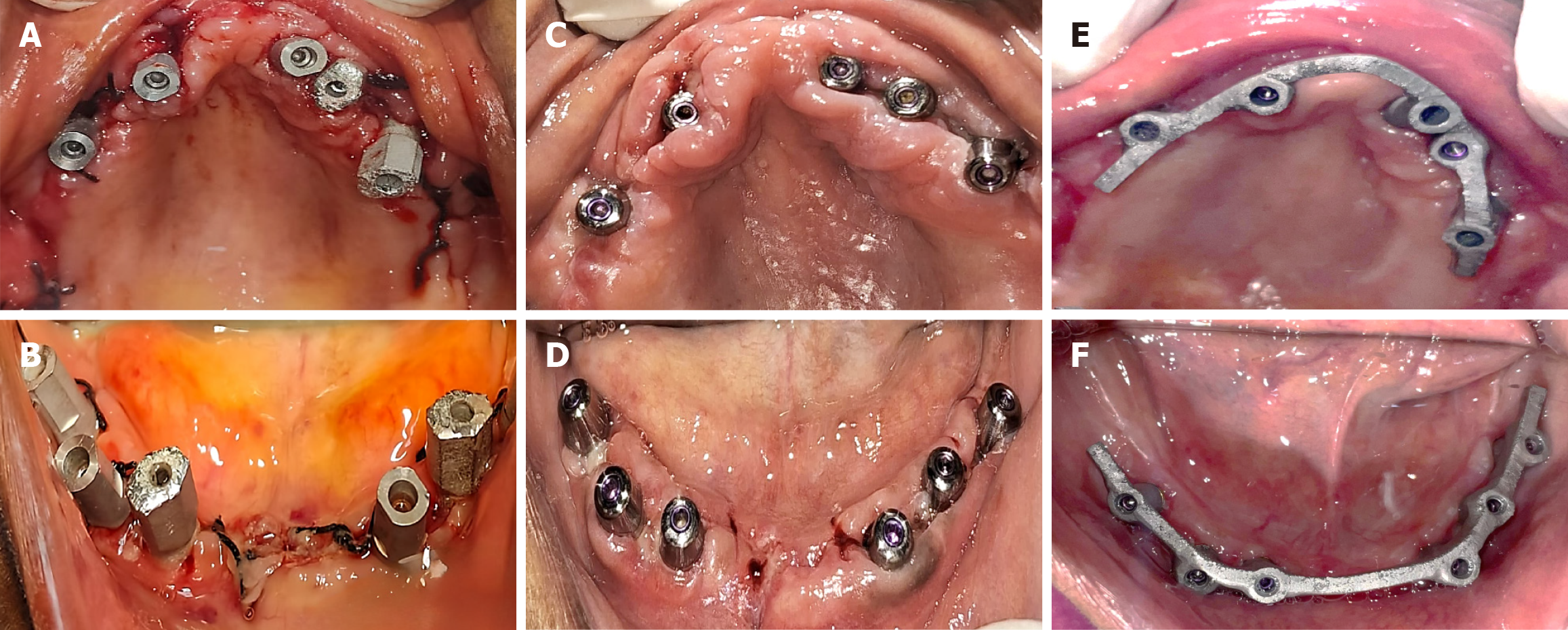
Figure 7 Prosthetic workflow for full-arch implant-supported screw-retained hybrid prosthesis.
A: Placement of scan bodies attached to the implants in the maxillary arch for digital impression using an intraoral scanner; B: Placement of scan bodies attached to the implants in the mandibular arch for digital impression using an intraoral scanner; C: Multi-unit comfort caps placed on the implants in the maxillary arch; D: Multi-unit comfort caps placed on the implants in the mandibular arch; E: Trial placement of the metal framework in the maxillary arch; F: Trial placement of the metal framework in the mandibular arch.
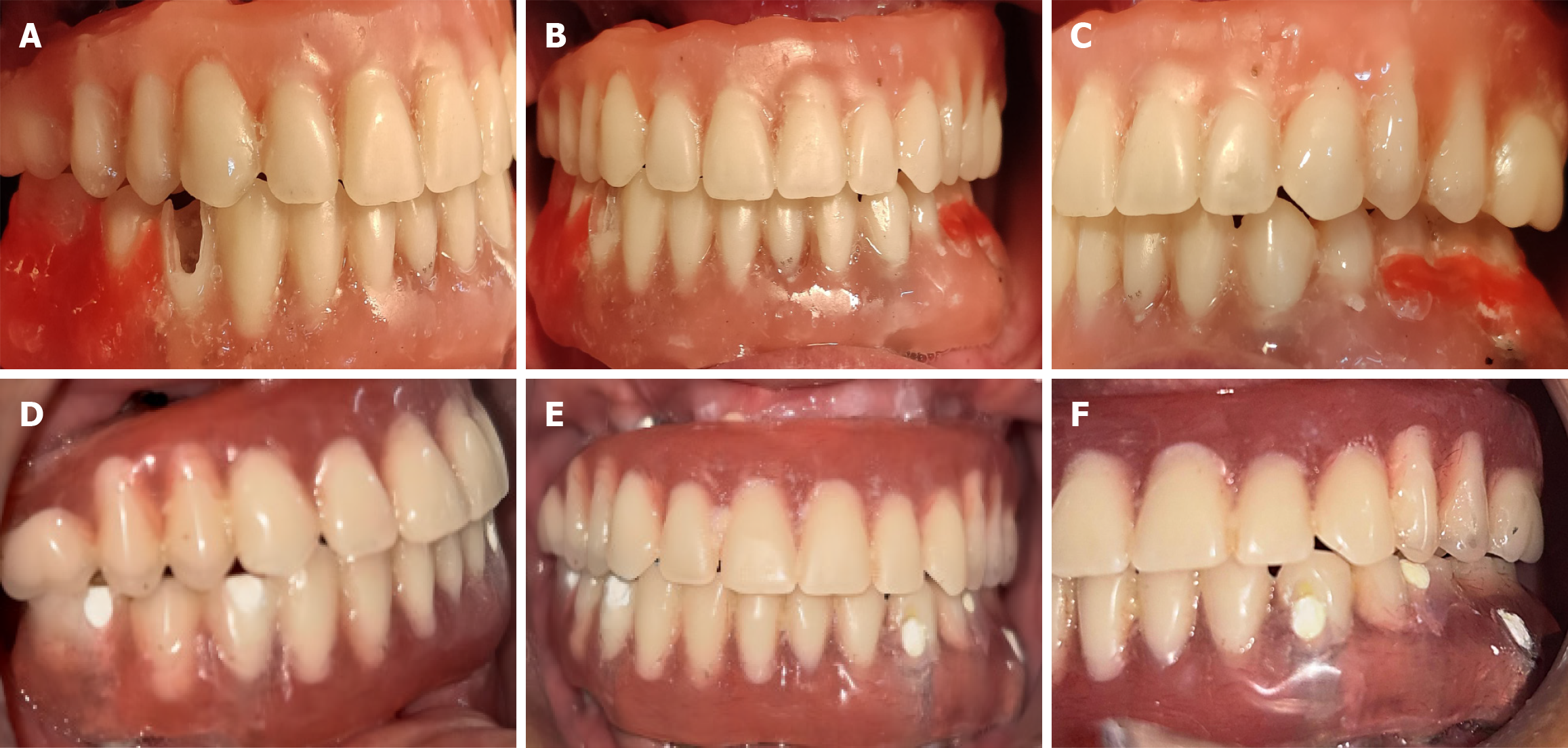
Figure 8 Implant-supported full-arch screw-retained hybrid prosthesis.
A: Right lateral view showing occlusion during hybrid denture try-in; B: Frontal view demonstrating occlusal relationship during prosthesis try-in; C: Left lateral view illustrating occlusion during hybrid denture try-in; D: Right lateral view showing occlusion after insertion of the hybrid denture; E: Frontal view demonstrating the occlusal relationship following prosthesis delivery; F: Left lateral view illustrating stable occlusion with the hybrid prosthesis.
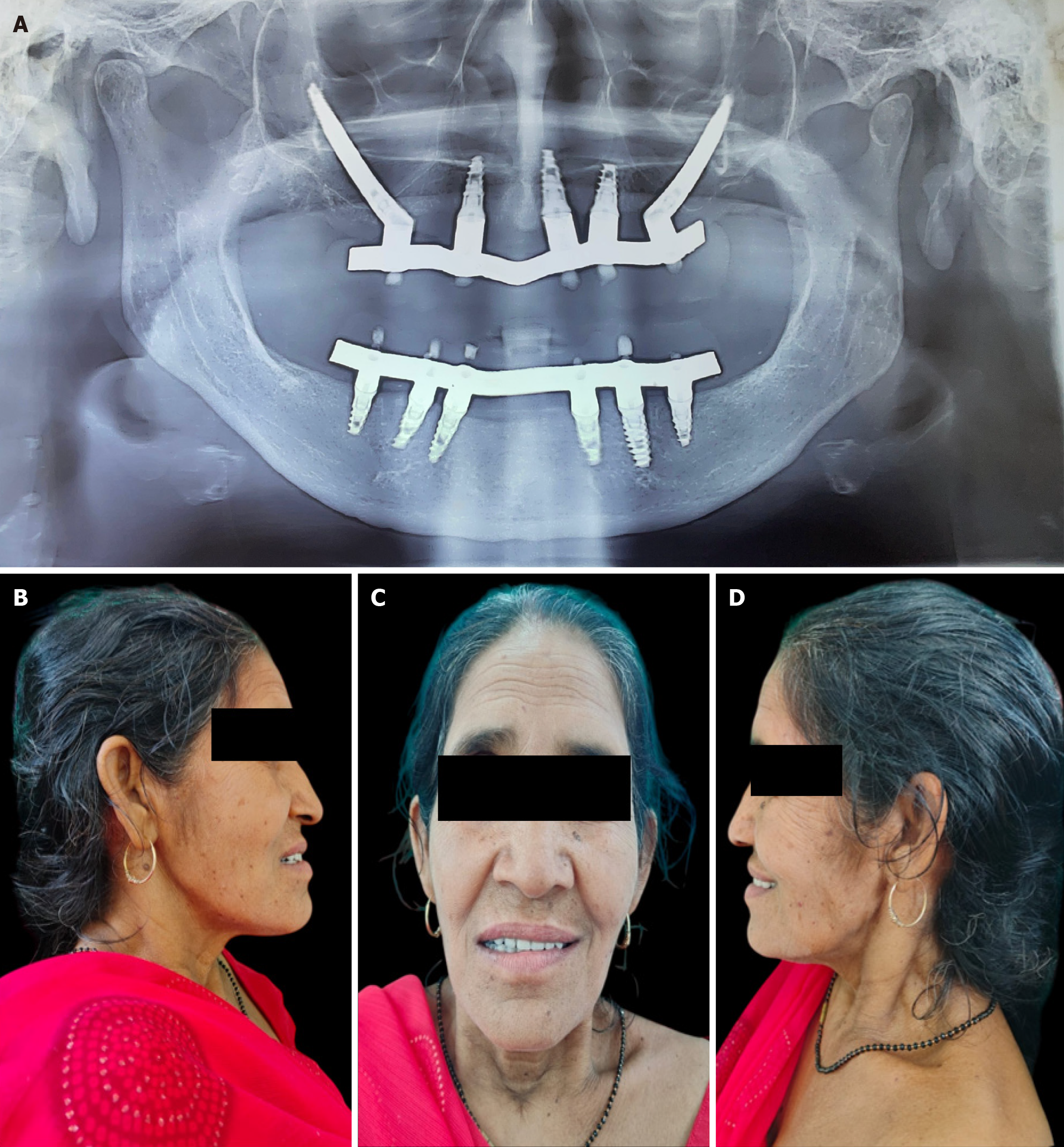
Figure 9 Post-prosthetic radiographic and extraoral clinical views following implant-supported full-arch rehabilitation.
A: Post-prosthetic orthopantomogram; B: Right lateral extraoral view demonstrating improved facial profile after prosthetic rehabilitation; C: Frontal extraoral view showing enhanced esthetics following treatment; D: Left lateral extraoral view illustrating improved facial support and smile profile after implant-supported prosthetic rehabilitation.
- Citation: Sarkar D, Srivastava SK, Srivastava S, Shekhar A, Sikdar C, Rana A. Immediate loading full-mouth rehabilitation using zygomatic and nasalis implants with conventional mandibular implants: A case report. World J Clin Cases 2026; 14(13): 118772
- URL: https://www.wjgnet.com/2307-8960/full/v14/i13/118772.htm
- DOI: https://dx.doi.org/10.12998/wjcc.v14.i13.118772