
















Copyright: ©Author(s) 2026.
World J Clin Cases. Apr 26, 2026; 14(12): 120247
Published online Apr 26, 2026. doi: 10.12998/wjcc.v14.i12.120247
Published online Apr 26, 2026. doi: 10.12998/wjcc.v14.i12.120247
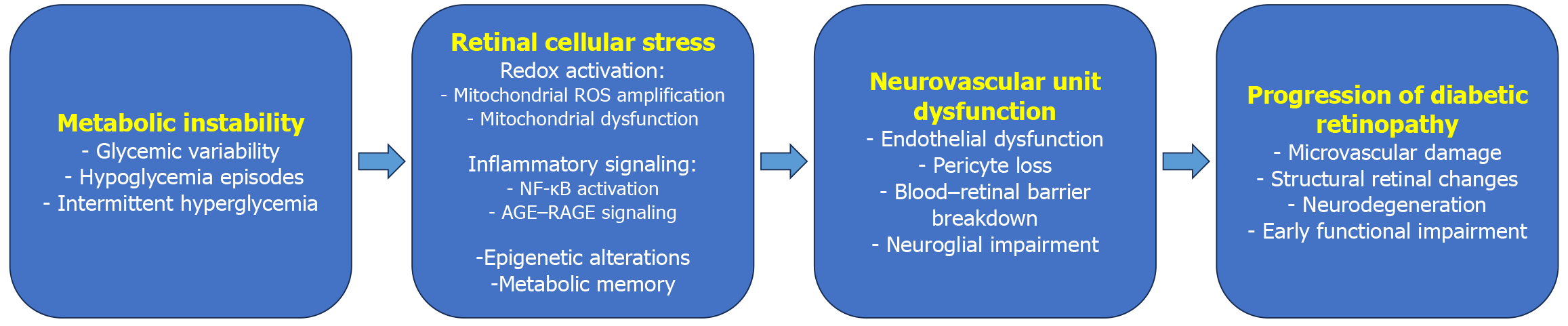
Figure 1 Influence of metabolic instability on the etiology of diabetic retinopathy.
Variable glucose exposure, encompassing glycemic variability, intermittent hyperglycemia, hypoglycemia, and reduced time in range, induces retinal cellular stress characterized by oxidative damage, mitochondrial dysfunction, inflammatory activation, and epigenetic alterations associated with metabolic memory. These processes compromise the retinal neurovascular unit, resulting in endothelial dysfunction, pericyte depletion, disruption of the blood-retinal barrier, and neuroglial damage. The combined effects of these pathways lead to progressive microvascular and neuronal damage in the retina. NF-κB: Nuclear factor kappa B; AGE: Advanced glycation end product; ROS: Reactive oxygen species; RAGE: Receptor for advanced glycation end-products.
- Citation: Cappellani F, Capobianco M, Leonforte F, Avitabile A, Visalli F, Khouyyi M, Giglio R, Inferrera L, Tognetto D, D’Esposito F, Gagliano C, Zeppieri M. Underlying cause of diabetic retinopathy: Metabolic instability. World J Clin Cases 2026; 14(12): 120247
- URL: https://www.wjgnet.com/2307-8960/full/v14/i12/120247.htm
- DOI: https://dx.doi.org/10.12998/wjcc.v14.i12.120247