
















©The Author(s) 2026.
World J Methodol. Mar 20, 2026; 16(1): 109784
Published online Mar 20, 2026. doi: 10.5662/wjm.v16.i1.109784
Published online Mar 20, 2026. doi: 10.5662/wjm.v16.i1.109784
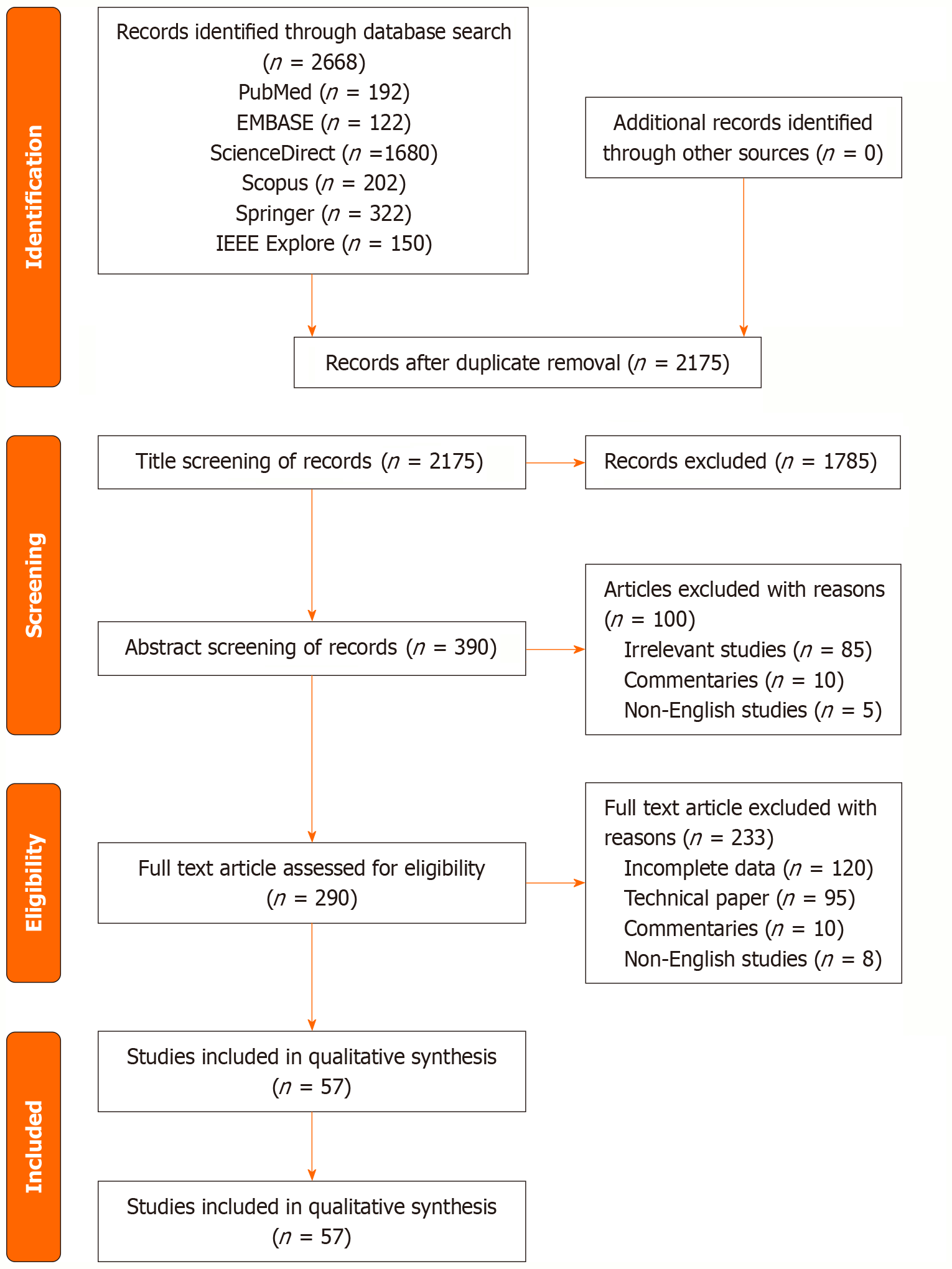
Figure 1 PRISMA extension for scoping reviews flowchart for selection of studies.
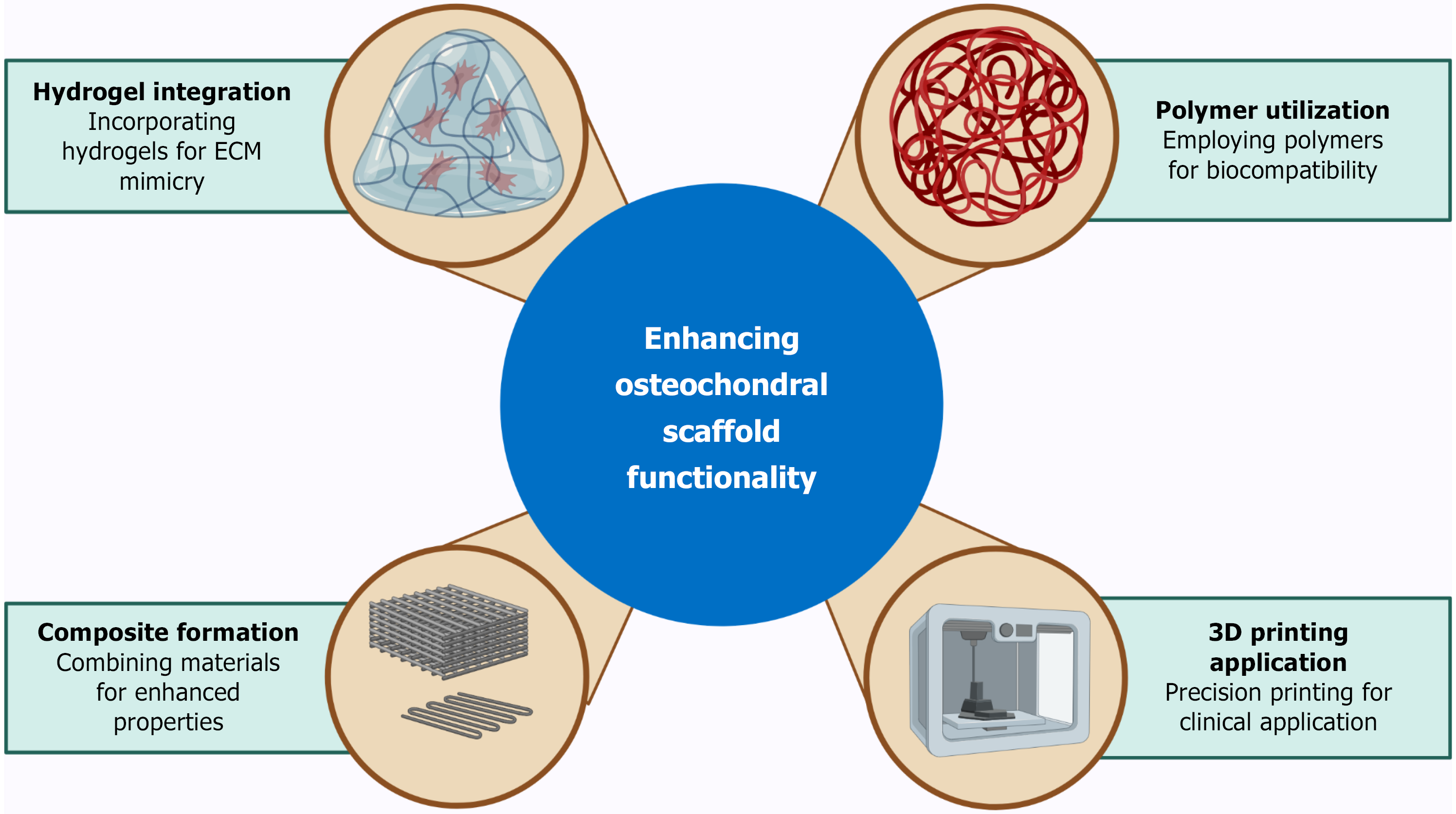
Figure 2 Schematic overview of strategies employed to enhance osteochondral scaffold functionality, including material composition (hydrogels, composites), printing technologies (inkjet, laser-assisted, extrusion-based), and biological cues (growth factors, cytokines).
ECM: Extracellular matrix.
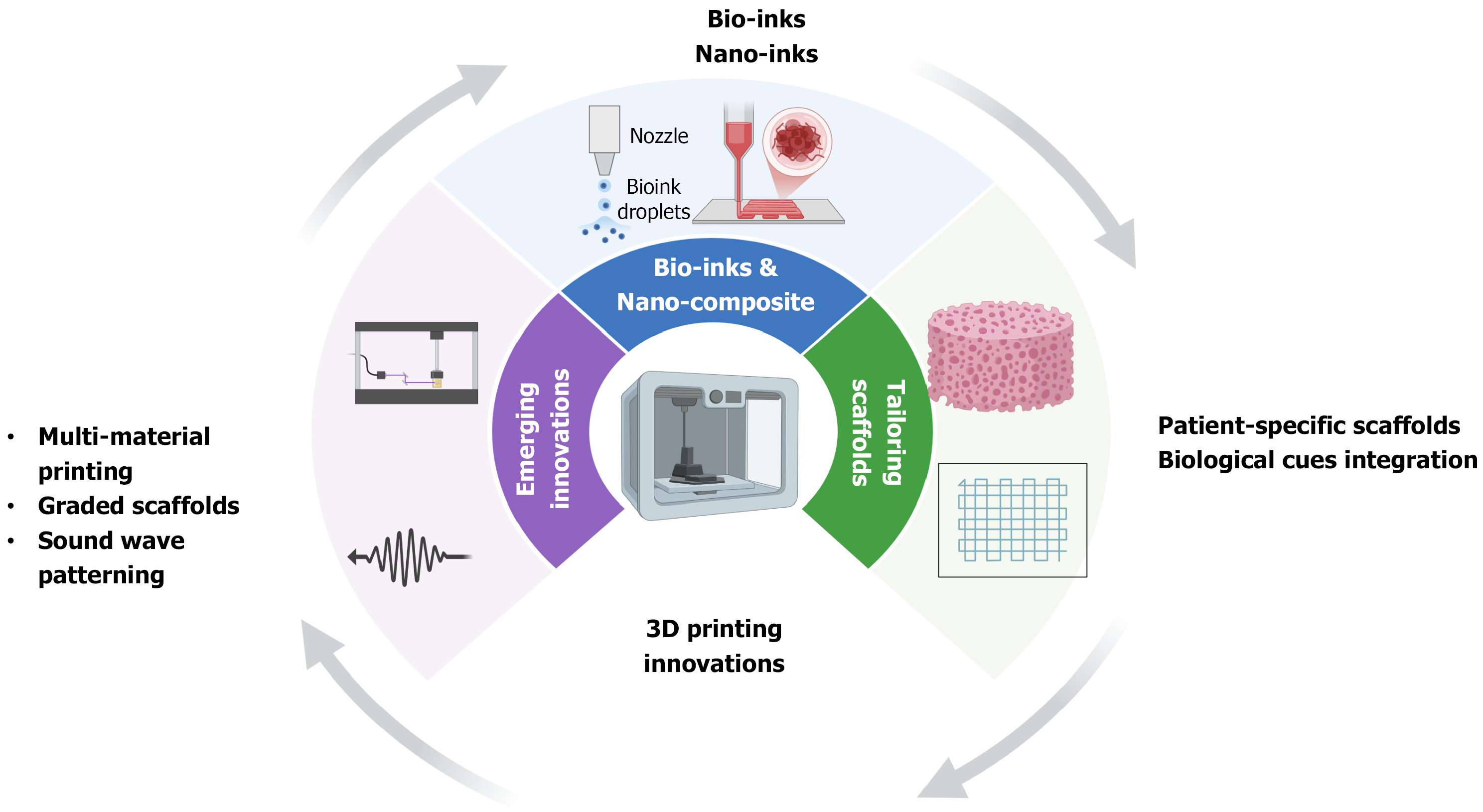
Figure 3 Schematic overview of emerging innovations in osteochondral tissue engineering.
This figure illustrates advanced fabrication strategies such as graded scaffolds for layer-specific regeneration, multi-material 3D bioprinting for replicating the complex cartilage-bone interface, and soundwave-based patterning technology for high cell viability and spatial accuracy.
- Citation: Jeyaraman M, Jeyaraman N, Nallakumarasamy A, Murugan S, Muthu S. Innovative prospects in 3D printed bio-scaffolds for osteochondral tissue engineering: A systematic review. World J Methodol 2026; 16(1): 109784
- URL: https://www.wjgnet.com/2222-0682/full/v16/i1/109784.htm
- DOI: https://dx.doi.org/10.5662/wjm.v16.i1.109784