
















Copyright: ©Author(s) 2026.
World J Nephrol. Mar 25, 2026; 15(1): 113212
Published online Mar 25, 2026. doi: 10.5527/wjn.v15.i1.113212
Published online Mar 25, 2026. doi: 10.5527/wjn.v15.i1.113212
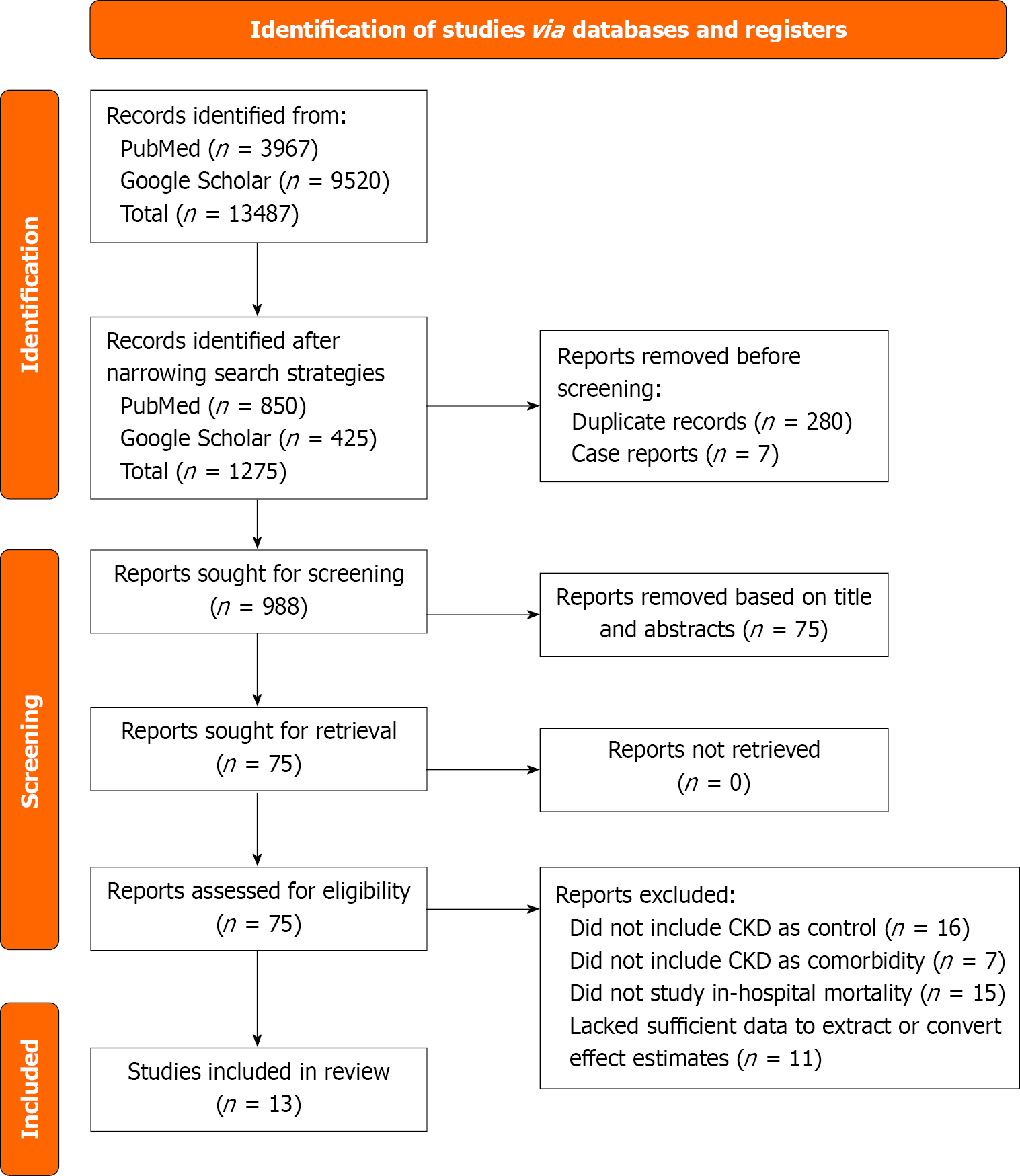
Figure 1 Preferred Reporting Items for Systematic Reviews and Meta-Analyses diagram: Study selection.
The literature search identified 13487 records from PubMed and Google Scholar. After refining search strategies, 1275 records remained, of which 280 duplicates and 7 case reports were removed. Following title and abstract screening, 75 full-text articles were assessed for eligibility. Among these, 49 studies were excluded for the following reasons: Absence of chronic kidney disease as a control (n = 16), absence of chronic kidney disease as a comorbidity (n = 7), lack of in-hospital mortality data (n = 15), or insufficient data to extract or convert effect estimates (n = 11). Ultimately, 13 studies were included in the systematic review and meta-analysis. CKD: Chronic kidney disease.
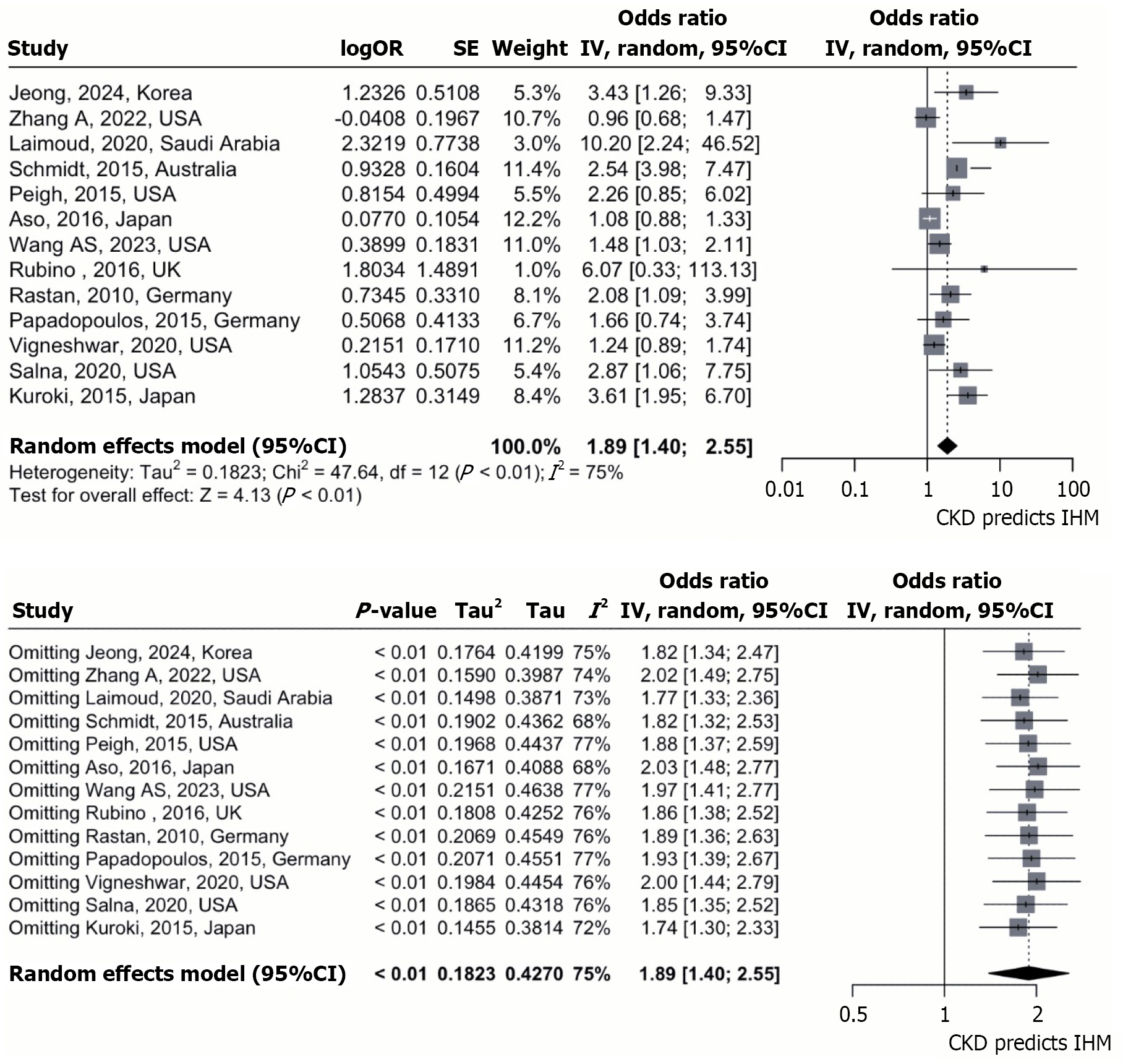
Figure 2 Pooled analysis evaluating impact of chronic kidney disease on in-hospital mortality in cardiogenic shock patients being managed with extracorporeal membrane oxygenation.
The forest plot (top) demonstrates that chronic kidney disease is significantly associated with increased odds of in-hospital mortality (pooled odds ratio = 1.89, 95% confidence interval: 1.40-2.55, P < 0.01) under a DerSimonian-Laird random-effects model. Between-study heterogeneity was moderate (I2 = 75%). The influence analysis (bottom) shows that exclusion of any single study did not substantially alter the pooled estimate, indicating robustness of the association. OR: Odds ratio; CI: Confidence interval; CKD: Chronic kidney disease; IHM: In-hospital mortality.
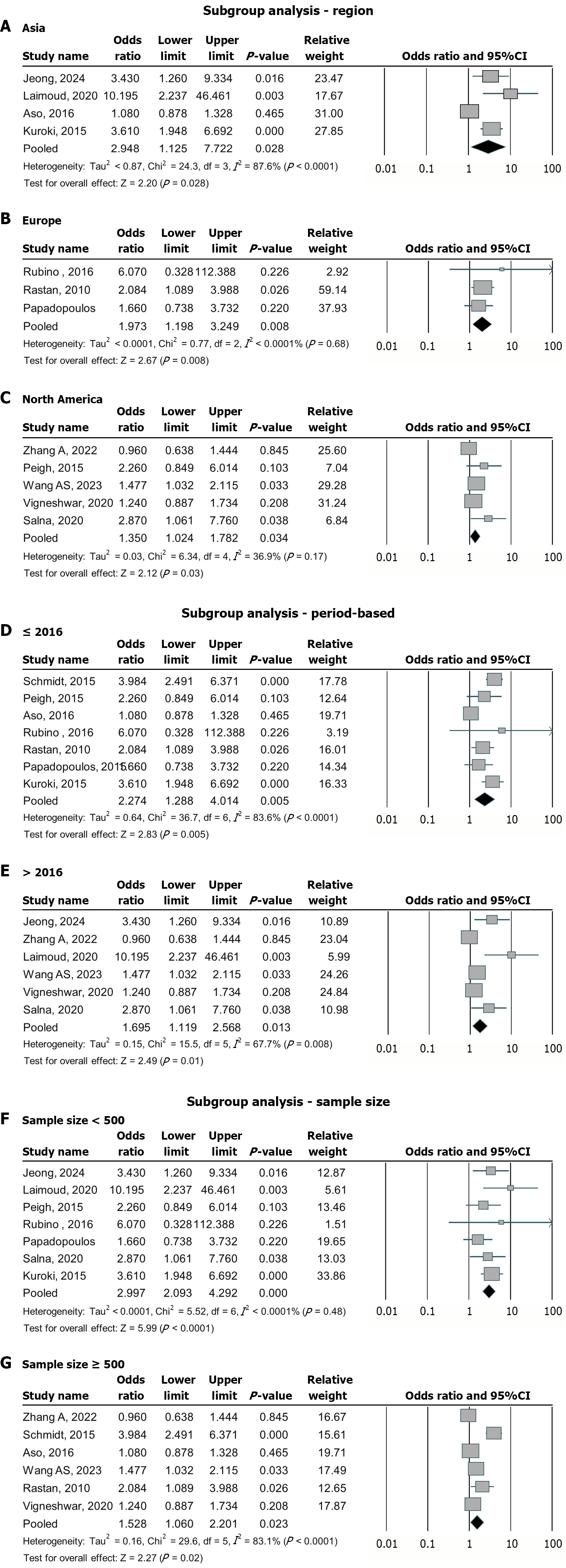
Figure 3 Forest plot illustrating the chronic kidney disease-in-hospital mortality association in veno-arterial extracorporeal membrane oxygenation cardiogenic shock.
A-C: Subgroup analyses by region; D and E: Subgroup analyses by publication period; F and G: Subgroup analyses by study sample size. Squares: Study odds ratios (effect size); bars: 95% confidence intervals; diamonds: Pooled random-effects estimates. X-axis: Log-scaled; odds ratio > 1 indicates higher mortality with chronic kidney disease. Heterogeneity shown as τ2, χ2, I2, P. Effects are consistently positive across subgroups, larger in Asian cohorts, earlier (≤ 2016) studies, and smaller studies (< 500 patients). CI: Confidence interval.
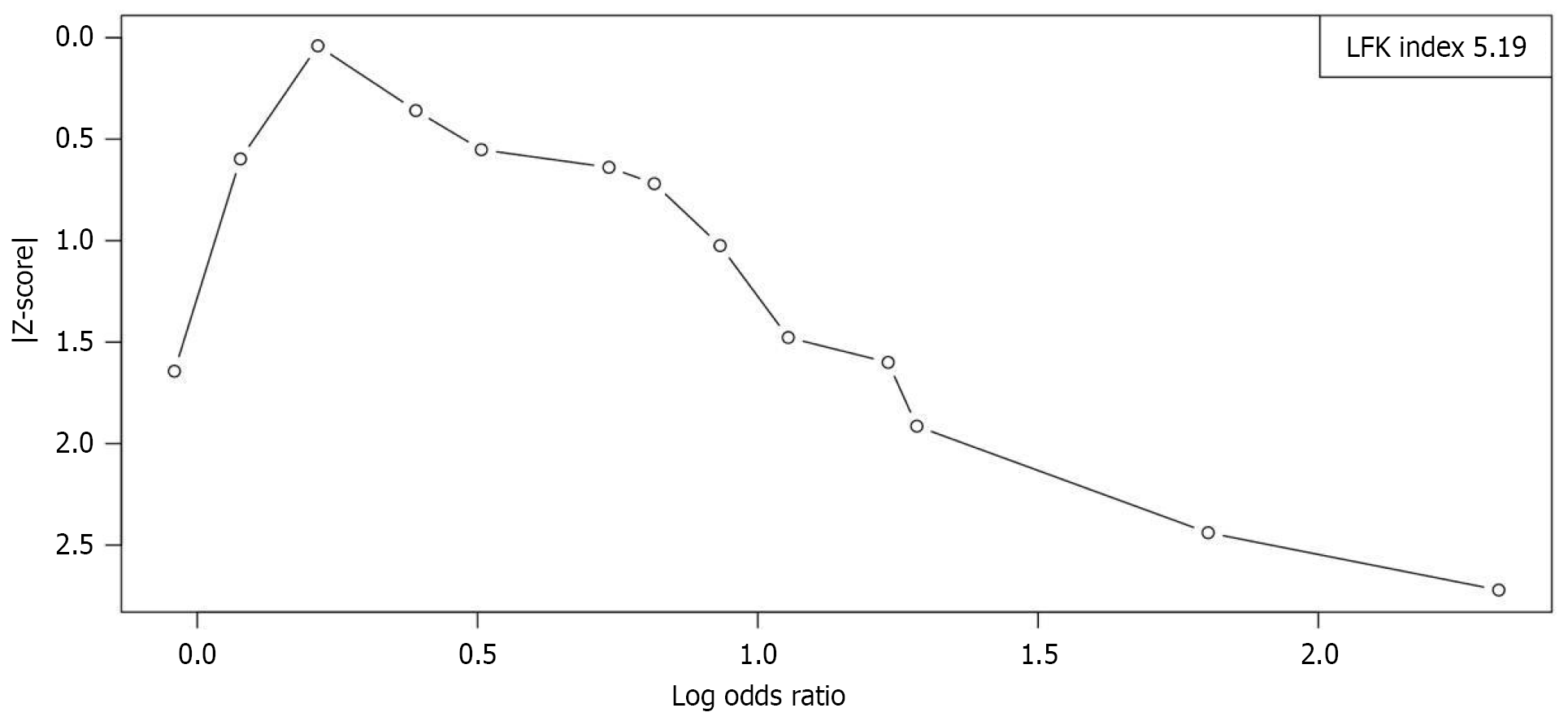
Figure 4 Doi plot evaluating publication bias.
The Doi plot shows marked asymmetry with a Luis Furuya-Kanamori index of +5.19, indicating major publication bias or small-study effects. Deviation of the curve from symmetry around the vertical axis suggests potential overrepresentation of smaller studies with stronger positive associations. LFK: Luis Furuya-Kanamori.
- Citation: Vadiyala MR, Varghese J, Chilingarashvili G, Ahluwalia V, Sharma S, Raza SMM, Sura H, Pingili A, Desai R. Association of chronic kidney disease with in-hospital mortality of cardiogenic shock patients undergoing veno-arterial extracorporeal membrane oxygenation. World J Nephrol 2026; 15(1): 113212
- URL: https://www.wjgnet.com/2220-6124/full/v15/i1/113212.htm
- DOI: https://dx.doi.org/10.5527/wjn.v15.i1.113212