
















Copyright: ©Author(s) 2026.
World J Psychiatry. May 19, 2026; 16(5): 113822
Published online May 19, 2026. doi: 10.5498/wjp.v16.i5.113822
Published online May 19, 2026. doi: 10.5498/wjp.v16.i5.113822
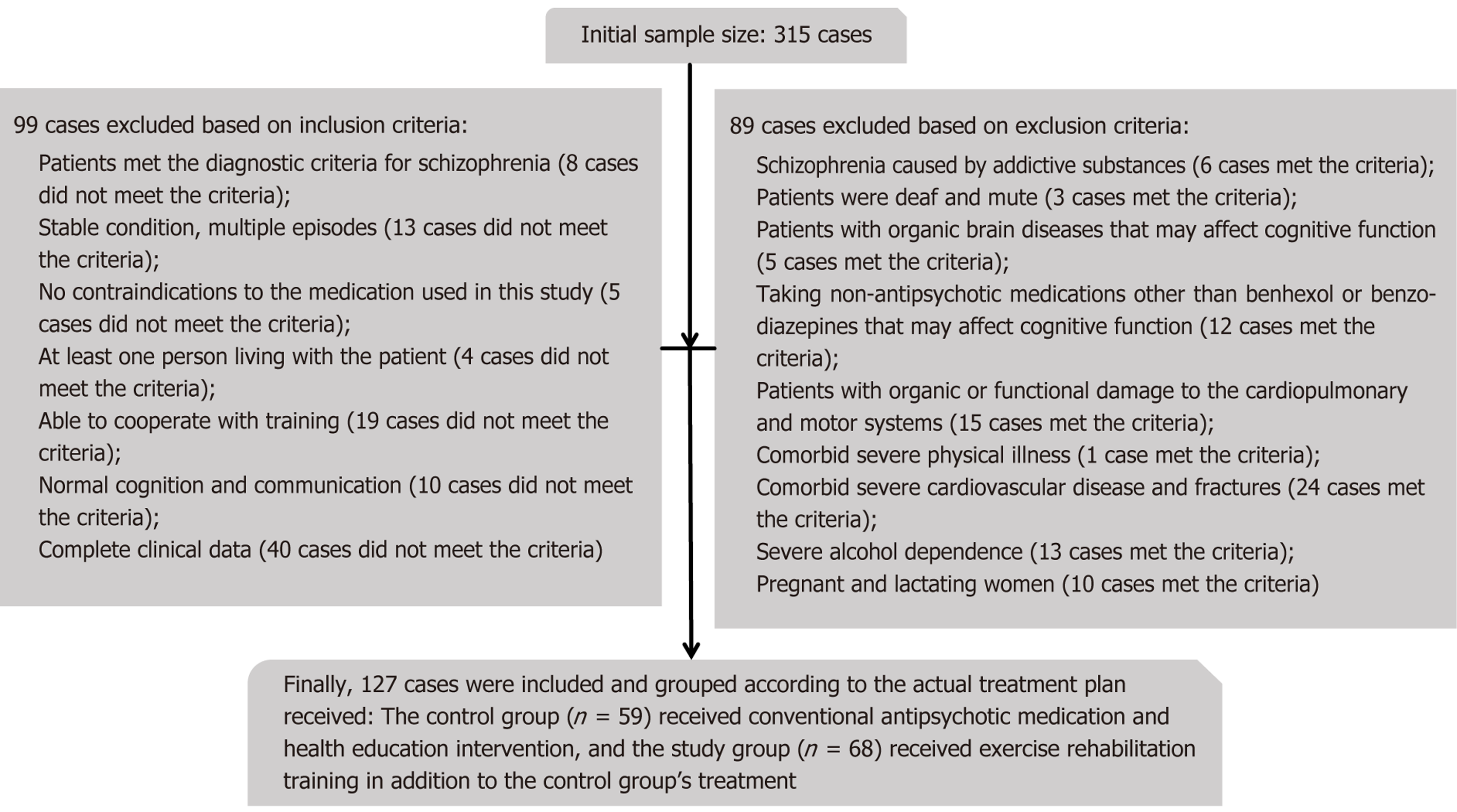
Figure 1 Flowchart of patient inclusion and exclusion.
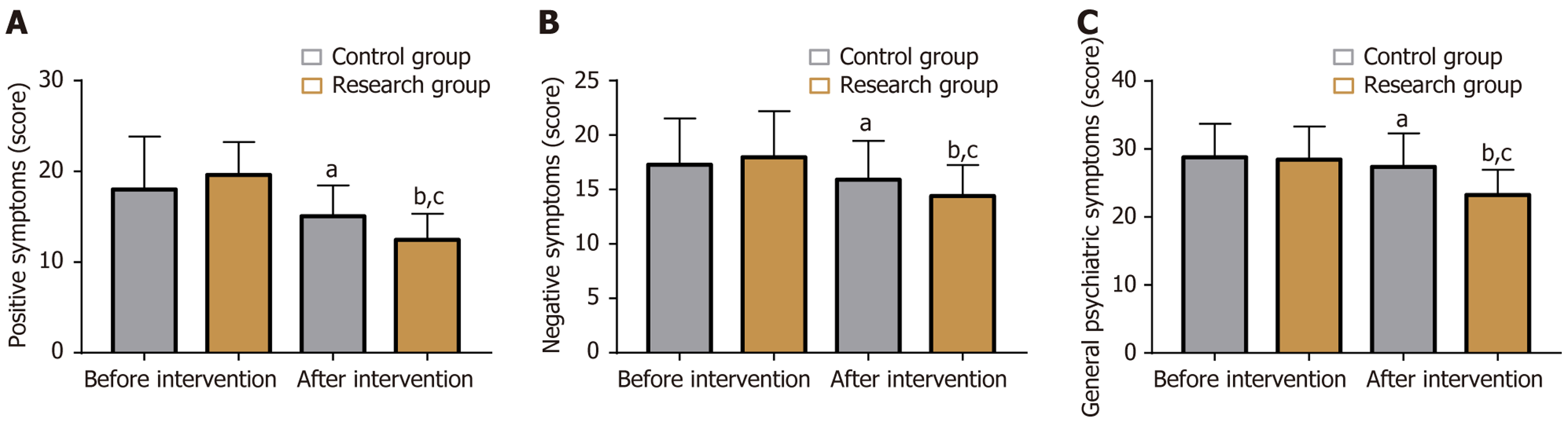
Figure 2 Comparison of symptom improvement profiles.
aP < 0.05, bP < 0.01 (intra-group vs baseline); cP < 0.05 (inter-group comparison at matched time points). A: Positive symptom scores (PANSS) pre/post intervention; B: PANSS scores (negative symptoms) pre- and post-intervention across groups; C: Modi
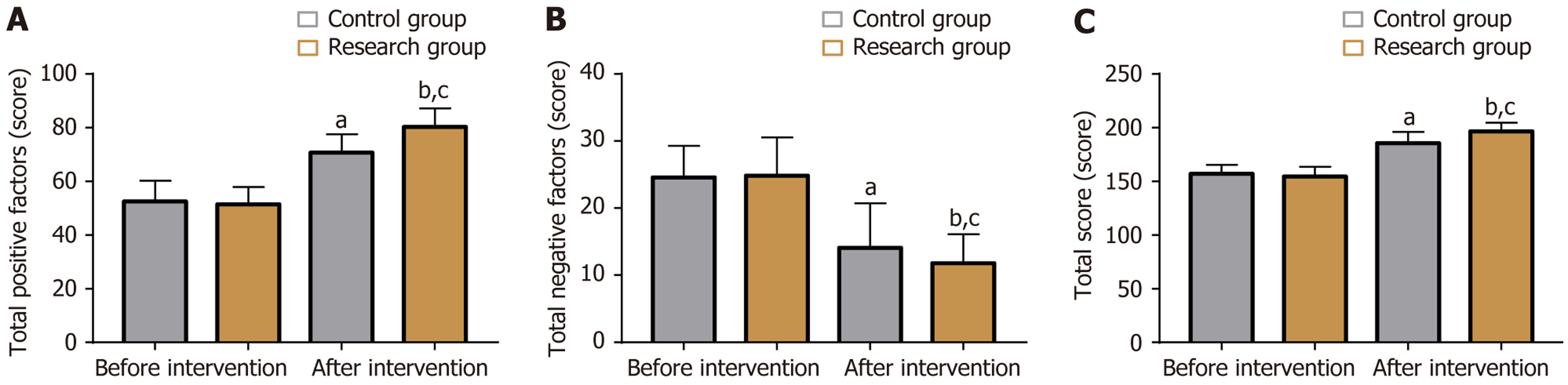
Figure 3 Comparative analysis of Nurses’ Observation Scale for Inpatient Evaluation assessments.
aP < 0.05, bP < 0.01 (intra-group vs baseline); cP < 0.05 (inter-group at equivalent timepoints). A: Changes in positive symptom scores (pre- vs post-intervention); B: Changes in negative symptom scores (pre- vs post-intervention); C: Total score variations across study periods.
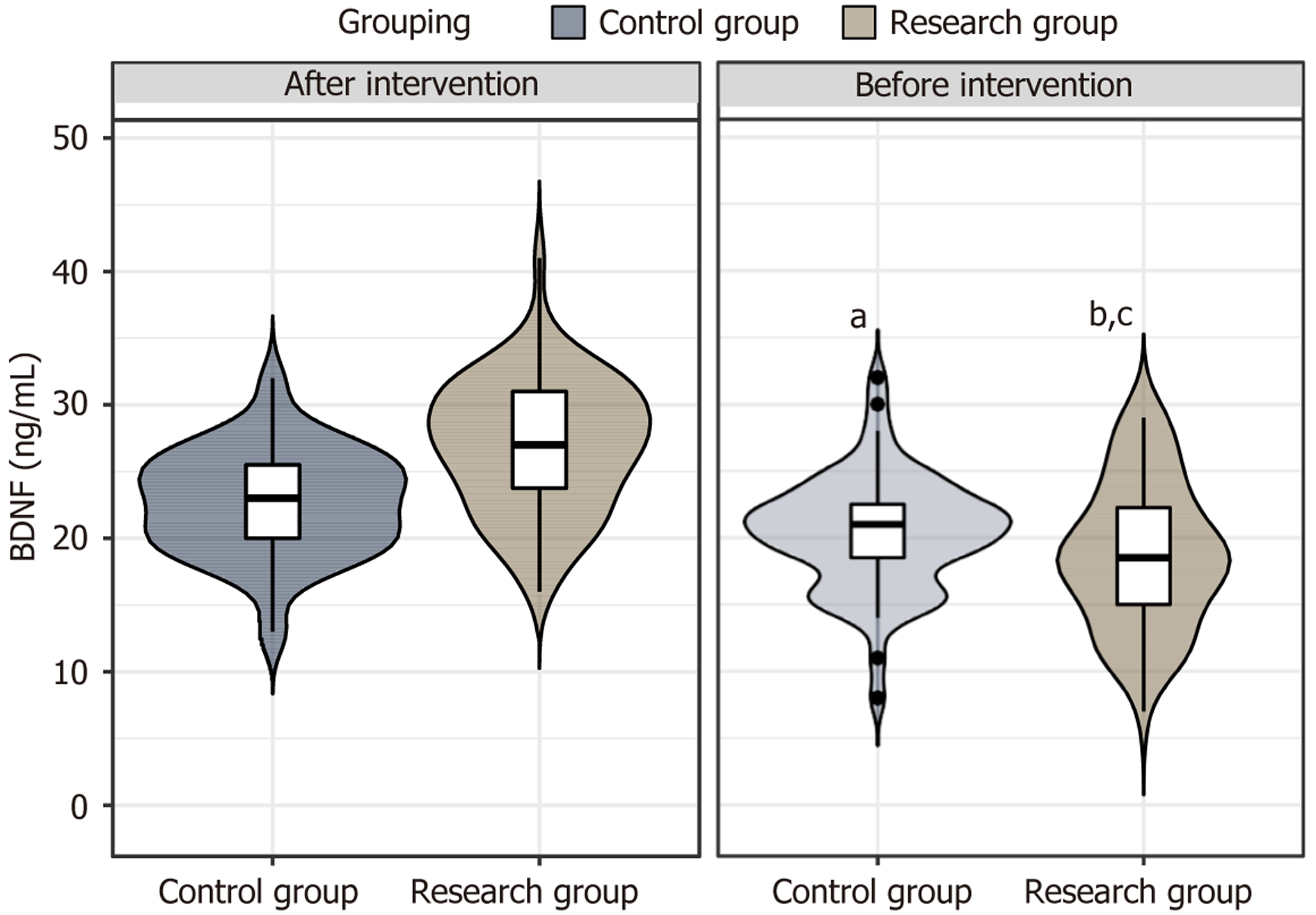
Figure 4 Serum brain-derived neurotrophic factor concentration comparison.
aP < 0.05, bP < 0.01 (intra-group vs baseline); cP < 0.05 (inter-group at equivalent timepoints). BDNF: Brain-derived neurotrophic factor.
- Citation: Wang FL, Sima CX, Zhang SJ, Hou TF. Effects of exercise-based rehabilitation training in schizophrenia patients. World J Psychiatry 2026; 16(5): 113822
- URL: https://www.wjgnet.com/2220-3206/full/v16/i5/113822.htm
- DOI: https://dx.doi.org/10.5498/wjp.v16.i5.113822