















Copyright: ©Author(s) 2026.
World J Psychiatry. Apr 19, 2026; 16(4): 115520
Published online Apr 19, 2026. doi: 10.5498/wjp.v16.i4.115520
Published online Apr 19, 2026. doi: 10.5498/wjp.v16.i4.115520
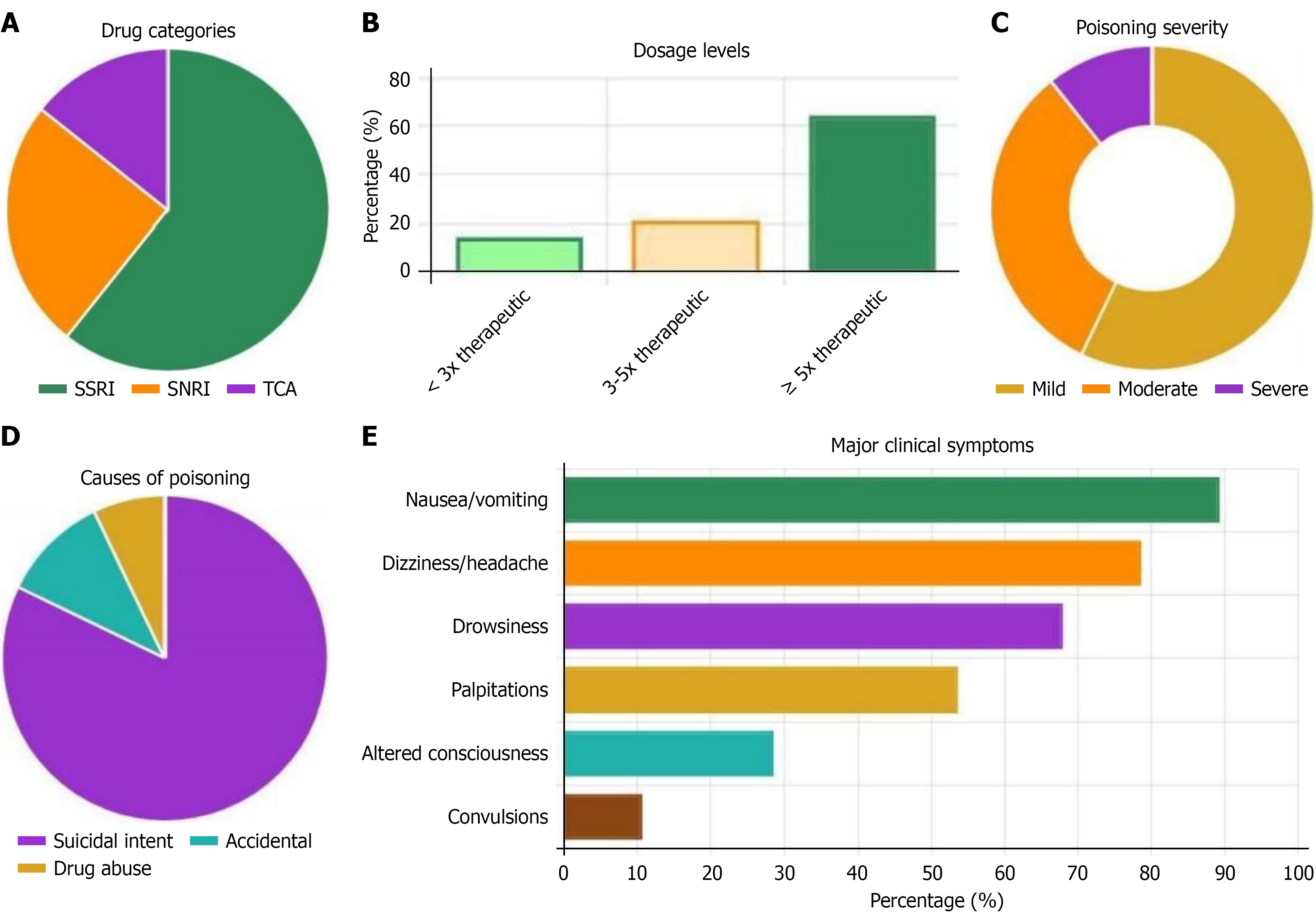
Figure 1 Clinical characteristics of antidepressant poisoning in adolescents (n = 28).
This figure presents five panels summarizing antidepressant poisoning cases in 28 adolescent patients. A: Drug categories shows the distribution of antidepressant types, with selective serotonin reuptake inhibitors comprising the majority of cases, followed by serotonin-norepinephrine reuptake inhibitors and tricyclic antidepressants; B: Dosage levels indicates that approximately 65% of cases involved ingestion of ≥ 5 times the therapeutic dose, while smaller proportions involved 3-5 times and < 3 times therapeutic doses; C: Poisoning severity demonstrates that most cases were classified as mild severity, with moderate cases representing about one-third and a small proportion categorized as severe; D: Causes of poisoning reveals that suicidal intent accounted for the vast majority of cases, with accidental exposure and drug abuse representing minor contributing factors; E: Major clinical symptoms displays the frequency of presenting symptoms, with nausea/vomiting being most common (> 90%), followed by dizziness/headache (approximately of 80%), drowsiness (approximately of 70%), palpitations (approximately of 55%), altered consciousness (approximately of 30%), and convulsions (< 10%).
- Citation: Yu W, Wang F. Analysis of emergency adolescent antidepressant poisoning incidence and family psychological environment influencing factors. World J Psychiatry 2026; 16(4): 115520
- URL: https://www.wjgnet.com/2220-3206/full/v16/i4/115520.htm
- DOI: https://dx.doi.org/10.5498/wjp.v16.i4.115520