















©Author(s) (or their employer(s)) 2026.
World J Psychiatry. Mar 19, 2026; 16(3): 113825
Published online Mar 19, 2026. doi: 10.5498/wjp.v16.i3.113825
Published online Mar 19, 2026. doi: 10.5498/wjp.v16.i3.113825
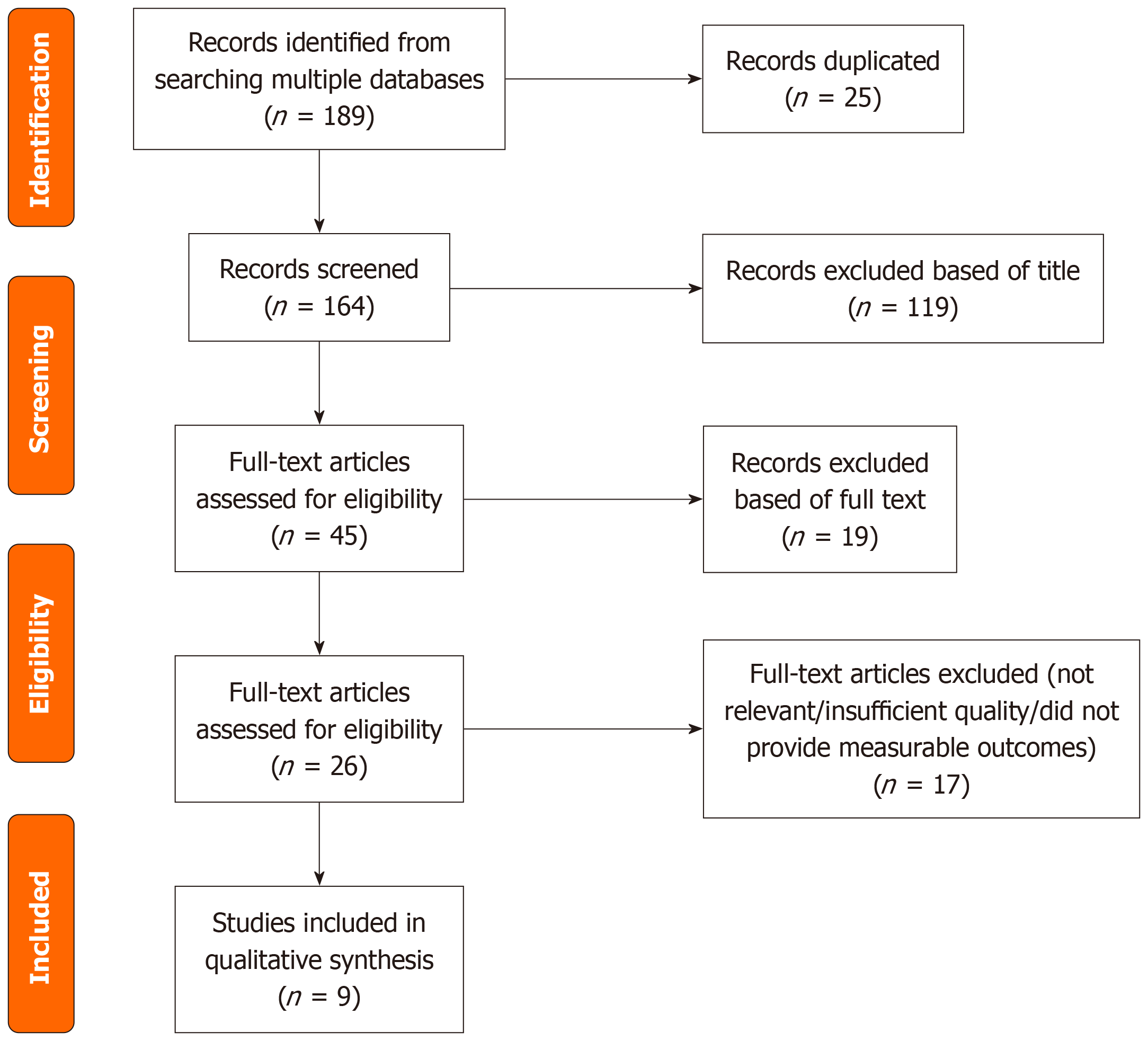
Figure 1 PRISMA flow diagram of the study selection process.
The initial search revealed 189 results. After screening, full-text review and study selection, 9 articles were finally included in the review.
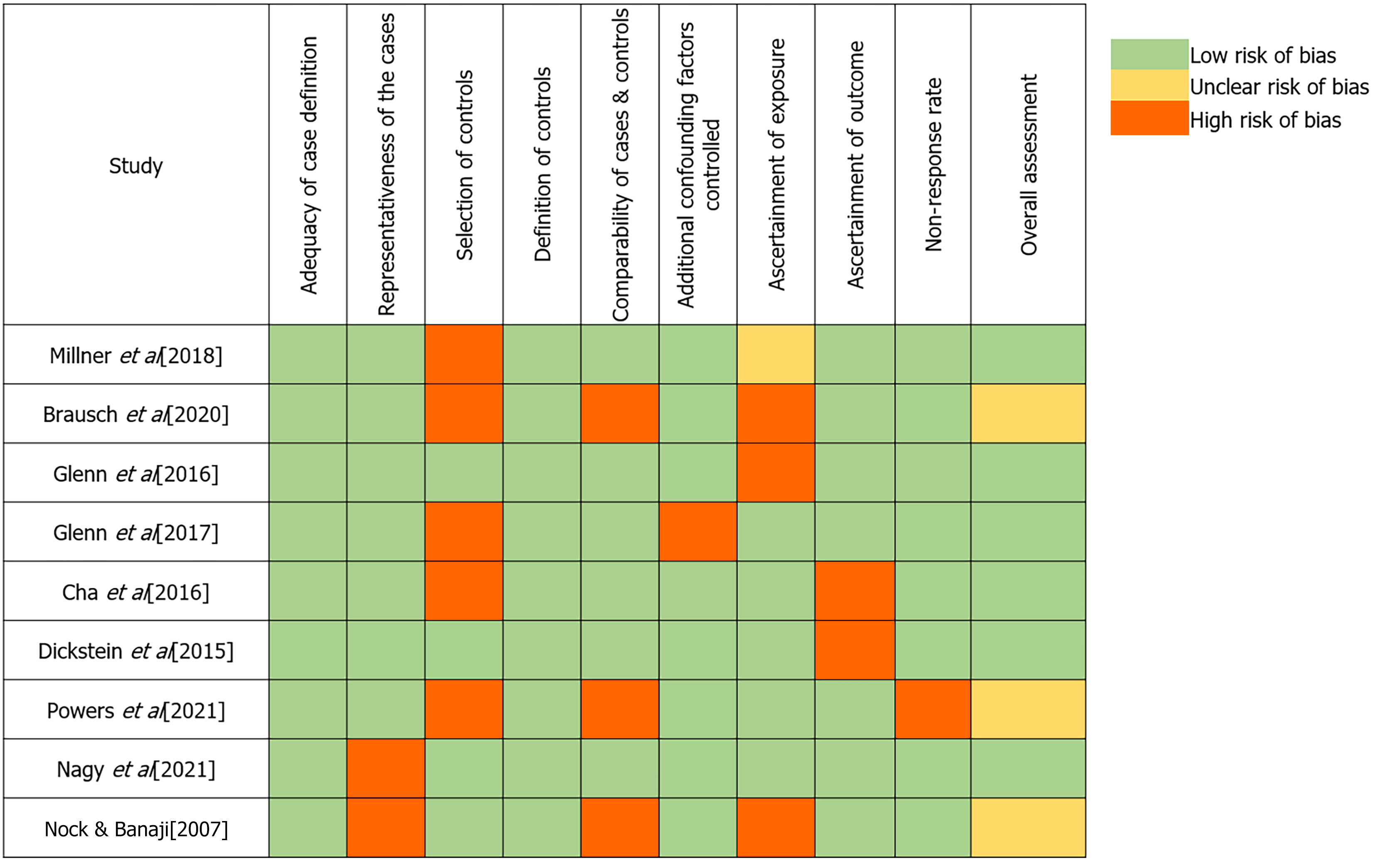
Figure 2 Quality assessment of included studies according to the Newcastle-Ottawa Scale.
The quality of the included studies, as assessed by the Newcastle-Ottawa Scale is summarized. Of the 9 studies: 6 studies were rated as “high quality” (≥ 7 stars), with strong scores in participant selection and outcome assessment. 3 studies were rated as “moderate quality” (4-6 stars), primarily due to limited adjustment for confounders (e.g., comorbid mental health conditions) or shorter follow-up periods. No studies were rated as “low quality” (≤ 3 stars), indicating that the included literature generally meets high methodological standards.
- Citation: Ji YJ, Chen XC, Zheng Q, Liu Q, Zhang CY, Zhang TT, Li LJ. Implicit cognition tests for the prediction of suicide risk of non-suicidal self-injury in individuals: A systematic review. World J Psychiatry 2026; 16(3): 113825
- URL: https://www.wjgnet.com/2220-3206/full/v16/i3/113825.htm
- DOI: https://dx.doi.org/10.5498/wjp.v16.i3.113825