
















©Author(s) (or their employer(s)) 2026.
World J Psychiatry. Mar 19, 2026; 16(3): 113125
Published online Mar 19, 2026. doi: 10.5498/wjp.v16.i3.113125
Published online Mar 19, 2026. doi: 10.5498/wjp.v16.i3.113125
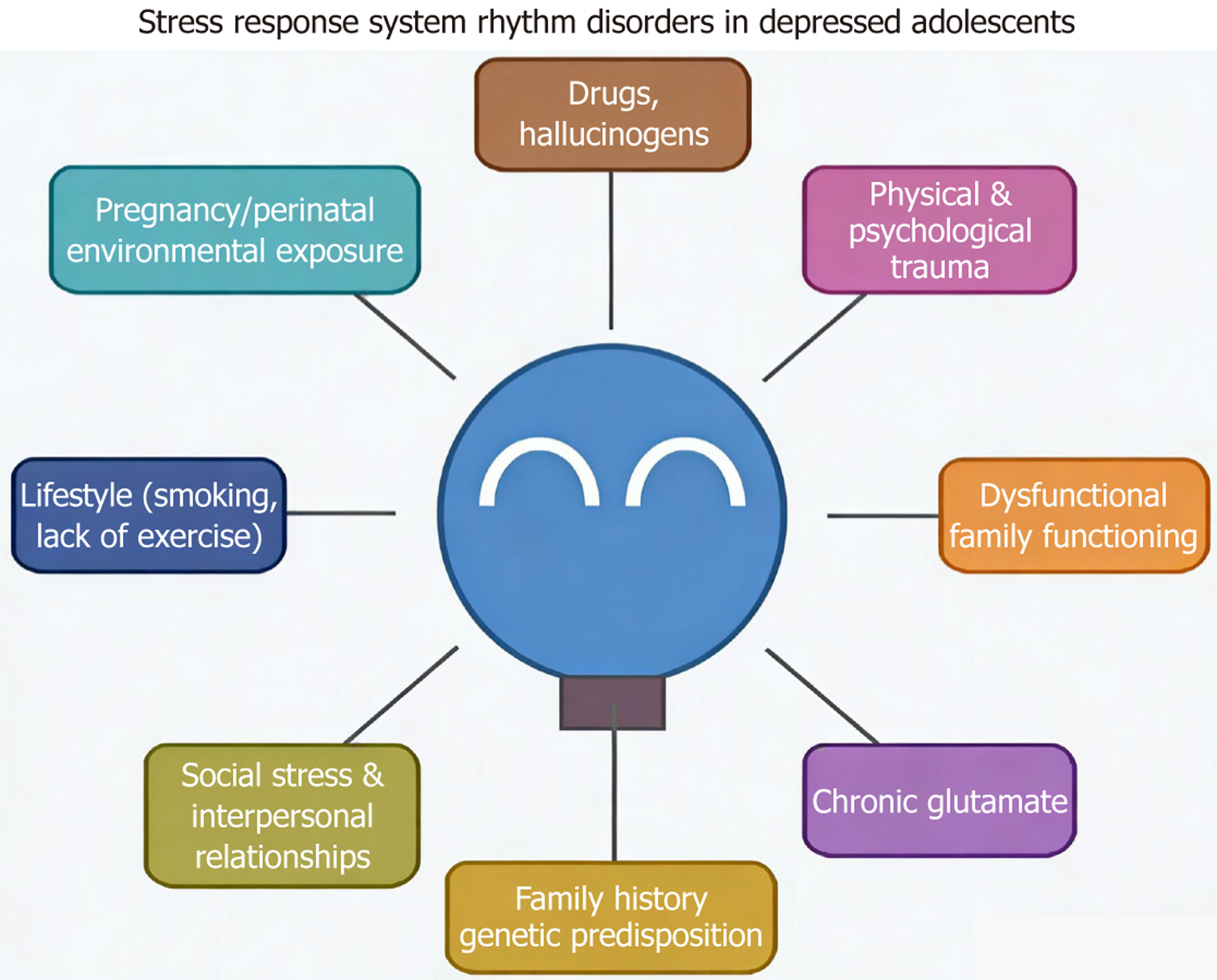
Figure 1 Multifactorial contributors to stress response system rhythm disorders in adolescent depression: An integrative model.
This diagram illustrates the multiple risk factors contributing to stress response system rhythm disorders in depressed adolescents, with a central figure representing a distressed individual surrounded by nine key contributing factors including family history, disease/inflammation, social stress, sleep disorders, lifestyle factors, dysfunctional family functioning, pregnancy/postpartum issues, adolescent developmental changes, and substance use. All these factors are shown with arrows pointing toward the individual, indicating their combined impact on disrupting normal stress response and circadian rhythm patterns in vulnerable adolescents.
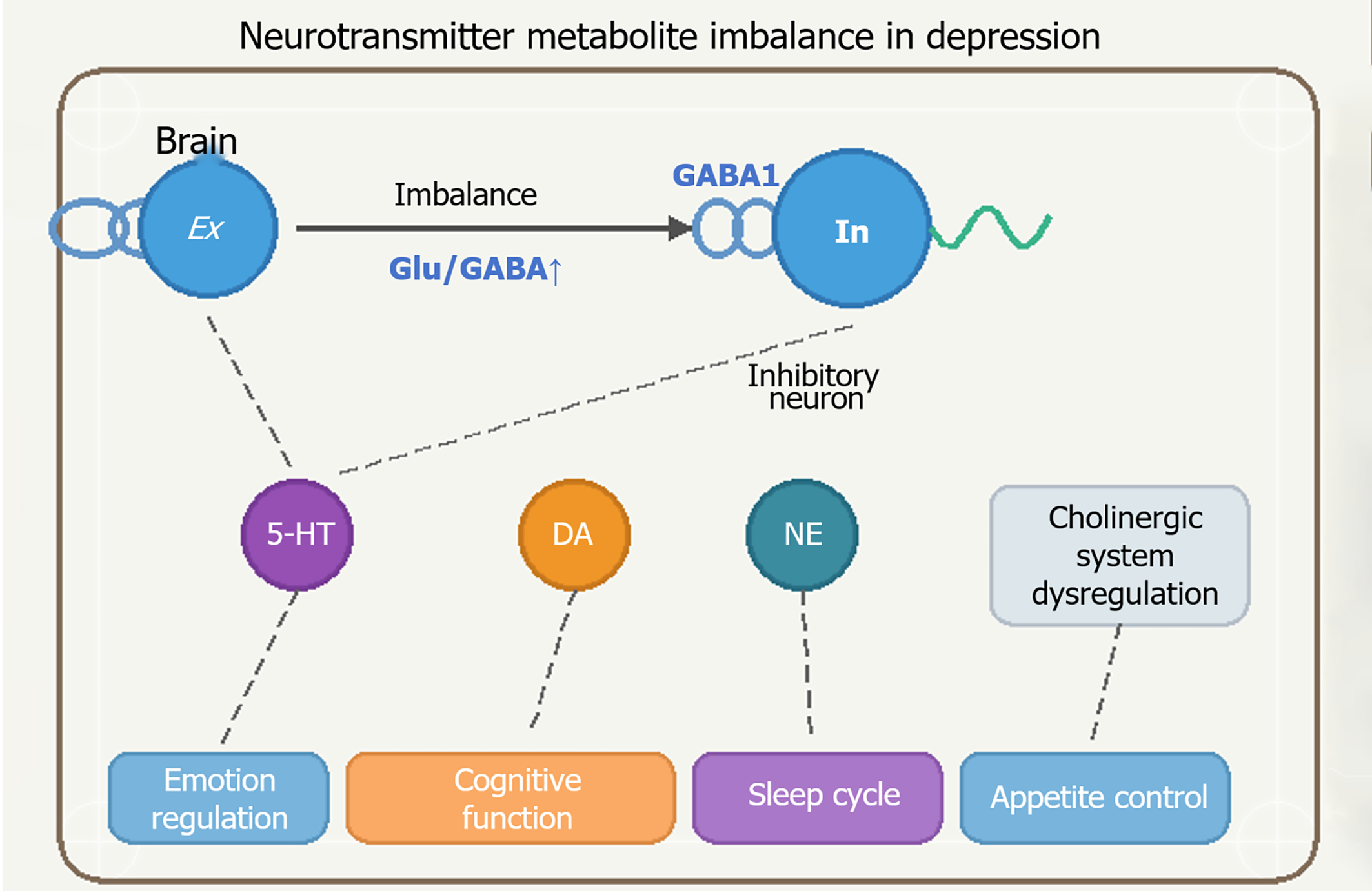
Figure 2 Neurotransmitter metabolite imbalance in depression: Excitatory/inhibitory dysregulation and monoamine deficiency model.
This diagram illustrates the neurotransmitter imbalance characteristic of depression, showing elevated glutamate and decreased GABA resulting in disrupted excitatory/inhibitory balance, alongside reduced monoamines (5-hydroxy tryptamine, dopamine, norepinephrine) with increased metabolites. These neurotransmitter dysregulations create a multidimensional dysfunction affecting emotion regulation, cognitive function, sleep cycles, and appetite control, demonstrating the complex neurobiological mechanisms underlying depression. DA: Dopamine; Glu: Glutamate; NE: Norepinephrine; 5-HT: 5-hydroxy tryptamine.
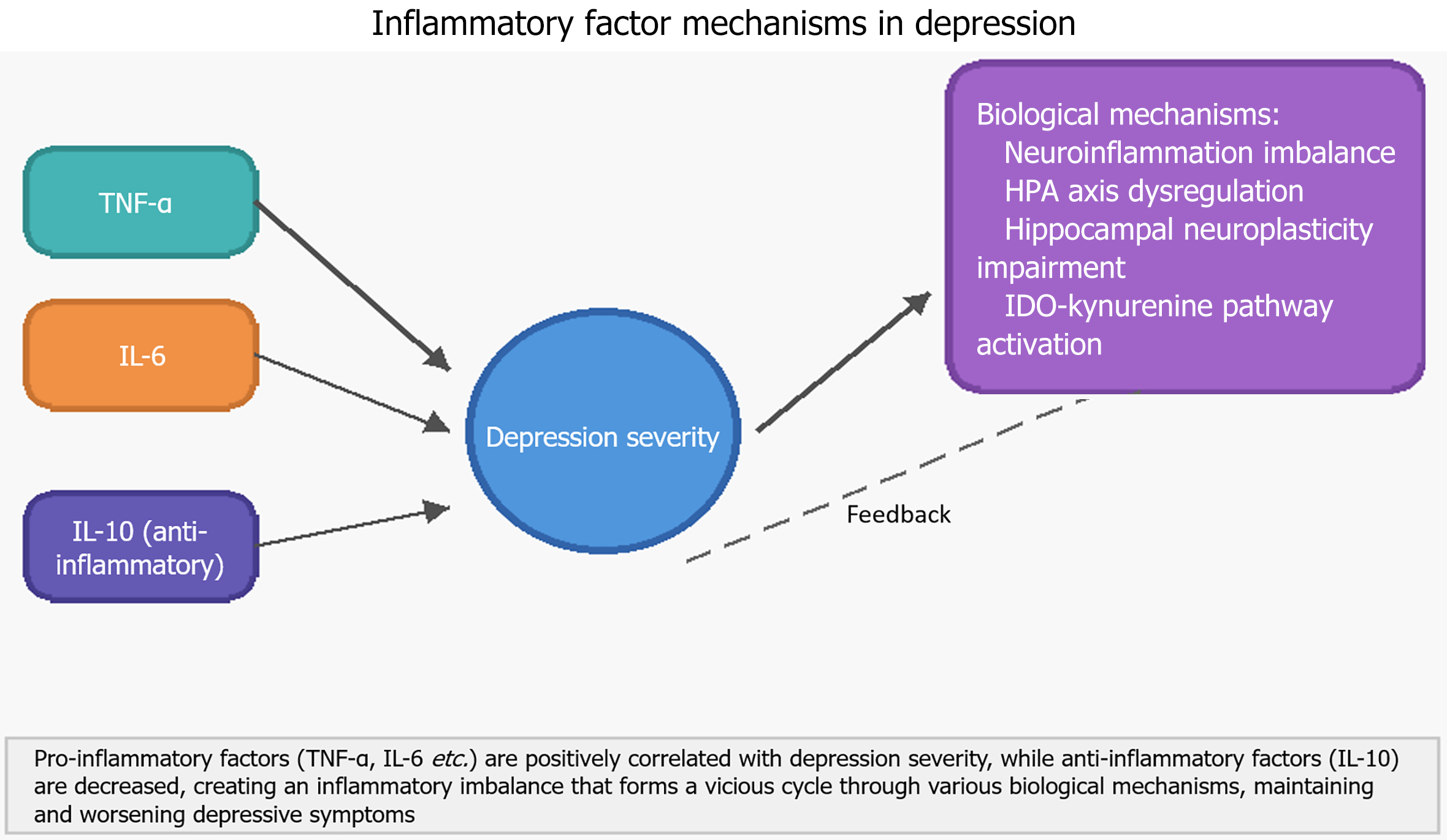
Figure 3 Inflammatory factor mechanisms in depression: A vicious cycle model.
This diagram illustrates the relationship between inflammatory factors and depression severity, showing that pro-inflammatory cytokines (tumor necrosis factor-alpha and interleukin-6) are positively correlated with depression symptoms while anti-inflammatory factor (interleukin-10) is significantly decreased. These inflammatory imbalances create a vicious cycle through various biological mechanisms including neurotransmitter dysregulation and hypothalamic-pituitary-adrenal axis dysfunction, ultimately maintaining and worsening depressive symptoms. IL: Interleukin; TNF-α: Tumor necrosis factor-alpha; HPA: Hypothalamic-pituitary-adrenal.
- Citation: Ma YL, Fu X, Chen Y, Zeng SX. Contemporary adolescent depression: Multidimensional analysis from neurobiological, psychological, and social integrative perspectives. World J Psychiatry 2026; 16(3): 113125
- URL: https://www.wjgnet.com/2220-3206/full/v16/i3/113125.htm
- DOI: https://dx.doi.org/10.5498/wjp.v16.i3.113125