
















©The Author(s) 2025.
World J Psychiatry. Dec 19, 2025; 15(12): 111754
Published online Dec 19, 2025. doi: 10.5498/wjp.v15.i12.111754
Published online Dec 19, 2025. doi: 10.5498/wjp.v15.i12.111754
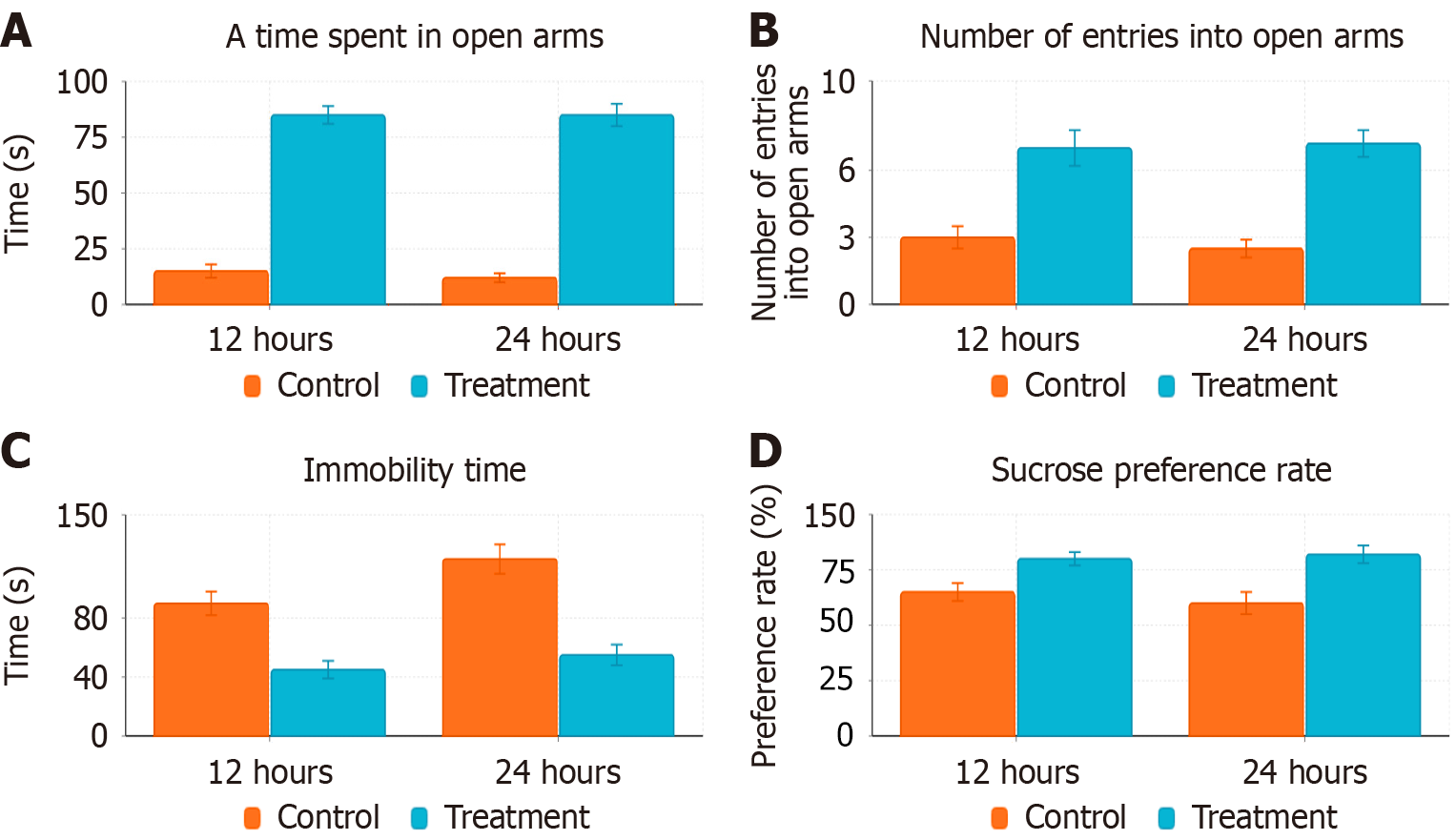
Figure 1 Emotional behavioral test results in subarachnoid hemorrhage model rats.
A and B: Elevated plus maze test shows that subarachnoid hemorrhage (SAH) group rats exhibited significant anxiety-like behavior, with reduced time spent in open arms (A) and decreased number of entries into open arms (B); C: Forced swimming test shows that SAH group rats exhibited significant depression-like behavior, with prolonged immobility time; D: Sucrose preference test shows that SAH group rats exhibited obvious anhedonia. Compared with the sham operation group (cyan bars), the SAH group (orange bars) displayed anxiety and depression symptoms that appeared at 12 hours after hemorrhage and further worsened at 24 hours. Data are presented as mean ± SD, compared with the sham operation group.
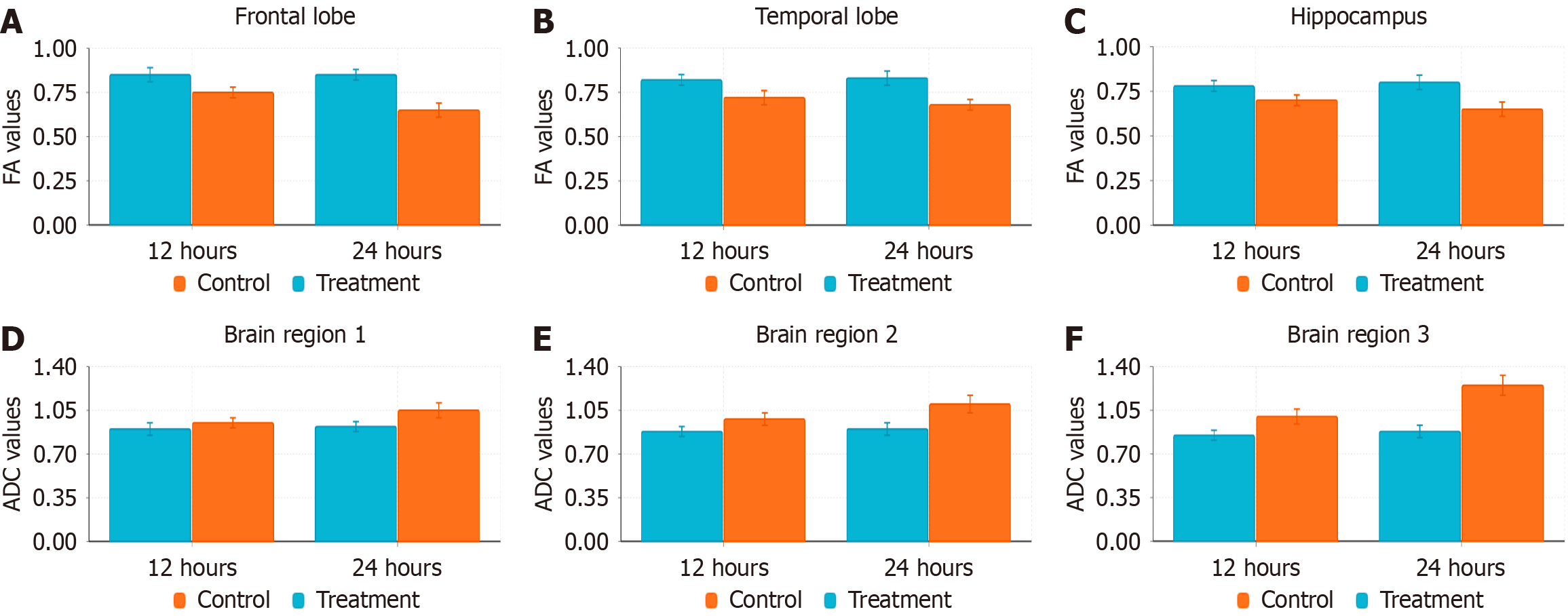
Figure 2 Changes in diffusion tensor imaging parameters in the frontal lobe, temporal lobe, and hippocampus of rats after subarachnoid hemorrhage.
A-C: Fractional anisotropy values in the frontal lobe (A), temporal lobe (B), and hippocampus (C) gradually decreased after subarachnoid hemorrhage (SAH), reflecting damage to white matter fiber integrity; D-F: Apparent diffusion coefficient values in the frontal lobe (D), temporal lobe (E), and hippocampus (F) gradually increased after SAH, suggesting cellular edema and tissue damage. Compared with the control group (cyan bars), the SAH group (orange bars) showed the most significant changes in diffusion tensor imaging parameters in the hippocampus, especially at the 24 hours time point. Data are presented as mean ± SD. FA: Fractional anisotropy; ADC: Apparent diffusion coefficient.
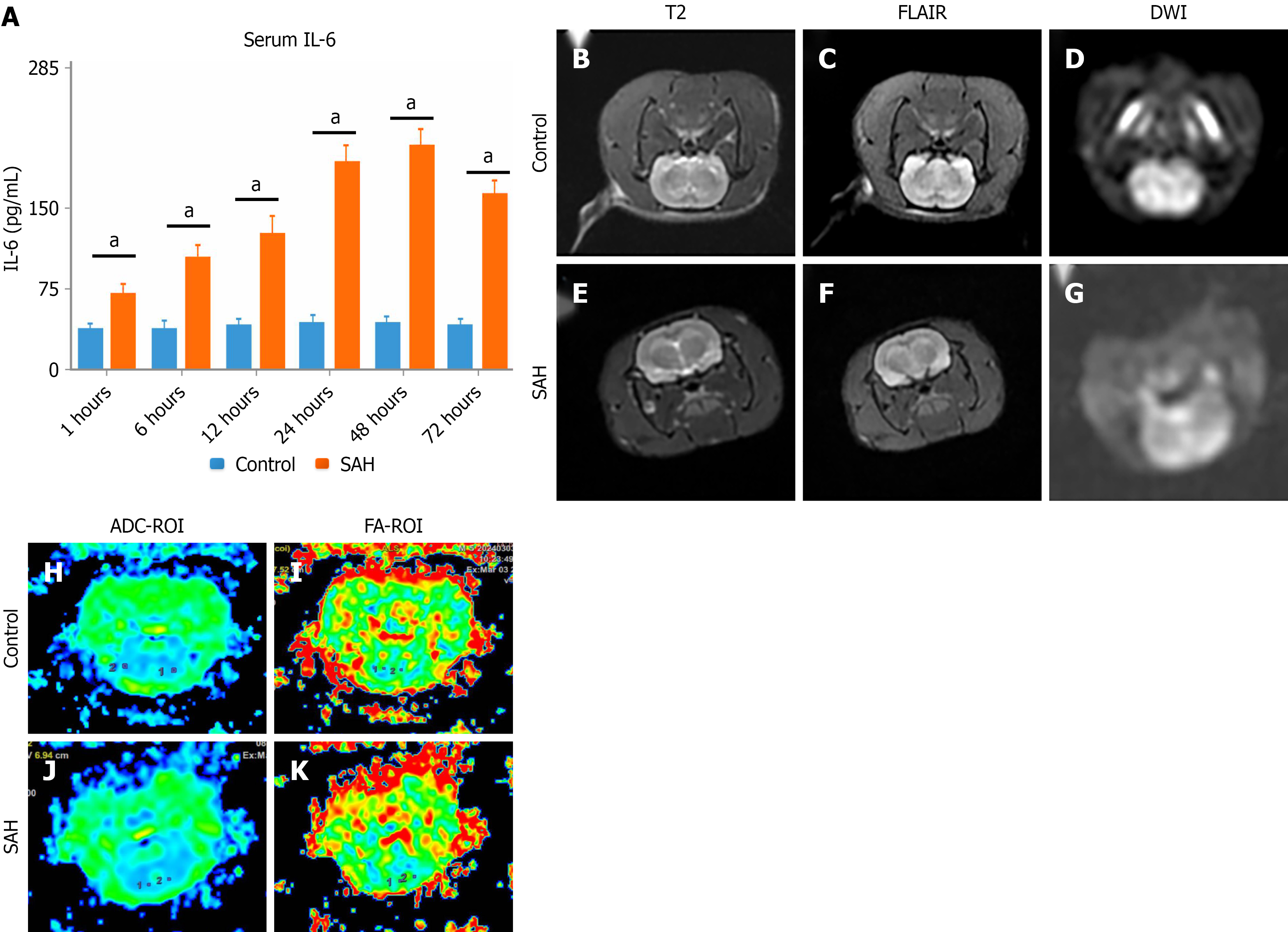
Figure 3 Correlation analysis of cerebral imaging changes and inflammatory response.
A: Serum interleukin-6 levels comparison between control (blue) and subarachnoid hemorrhage (SAH) groups (orange) showing significantly elevated inflammatory markers in SAH patients; B-D: Representative T2-weighted (B), fluid-attenuated inversion-recovery (C), and diffusion weighted imaging (D) sequences from control subjects demonstrating normal brain parenchyma; E-G: Representative T2-weighted (E), fluid-attenuated inversion-recovery (F), and diffusion weighted imaging (G) sequences from SAH patients revealing hyperintense signal changes indicative of tissue edema and inflammatory infiltration; H-K: Diffusion tensor imaging analysis with apparent diffusion coefficient-region of interest (H and J) and fractional anisotropy-region of interest (I and K) color-coded maps. Control group (H and I) exhibits uniform signal distribution, while SAH group (J and K) shows heterogeneous patterns reflecting white matter microstructural damage. Color scale represents diffusion parameters with warmer colors indicating higher values. SAH: Subarachnoid hemorrhage; IL-6: Interleukin-6; T2: T2-weighted; FLAIR: Fluid-attenuated inversion-recovery; DWI: Diffusion weighted imaging; ADC: Apparent diffusion coefficient; FA: Fractional anisotropy; ROI: Region of interest.
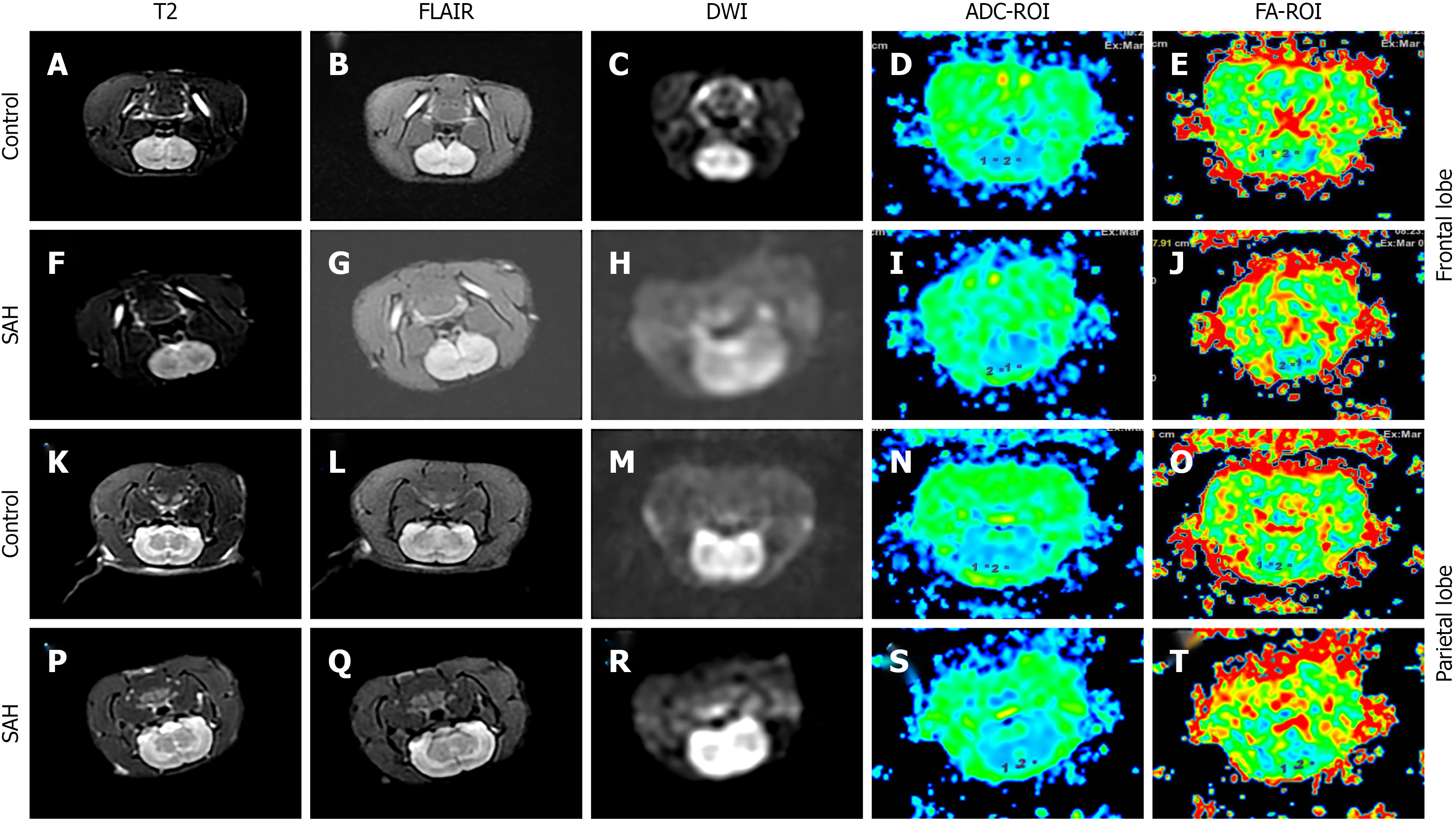
Figure 4 Regional brain injury assessment by multi-sequence magnetic resonance imaging in experimental subarachnoid hemorrhage.
A-E: Frontal lobe imaging in control rats showing normal T2-weighted (A), fluid-attenuated inversion-recovery (B), diffusion weighted imaging (C), apparent diffusion coefficient-region of interest (D), and fractional anisotropy-region of interest (E) appearances; F-J: Corresponding frontal lobe sequences in subarachnoid hemorrhage rats demonstrating hyperintense signals and altered diffusion parameters; K-O: Parietal lobe imaging in control rats with normal signal characteristics across all sequences; P-T: Parietal lobe imaging in subarachnoid hemorrhage rats showing pathological changes including tissue edema and white matter microstructural damage. Color scale in diffusion tensor imaging maps represents diffusion parameters with blue indicating lower values and red-orange indicating higher values. Both frontal and parietal regions exhibit similar injury patterns with regional variations in severity. SAH: Subarachnoid hemorrhage; T2: T2-weighted; FLAIR: Fluid-attenuated inversion-recovery; DWI: Diffusion weighted imaging; ADC: Apparent diffusion coefficient; ROI: Region of interest; FA: Fractional anisotropy.
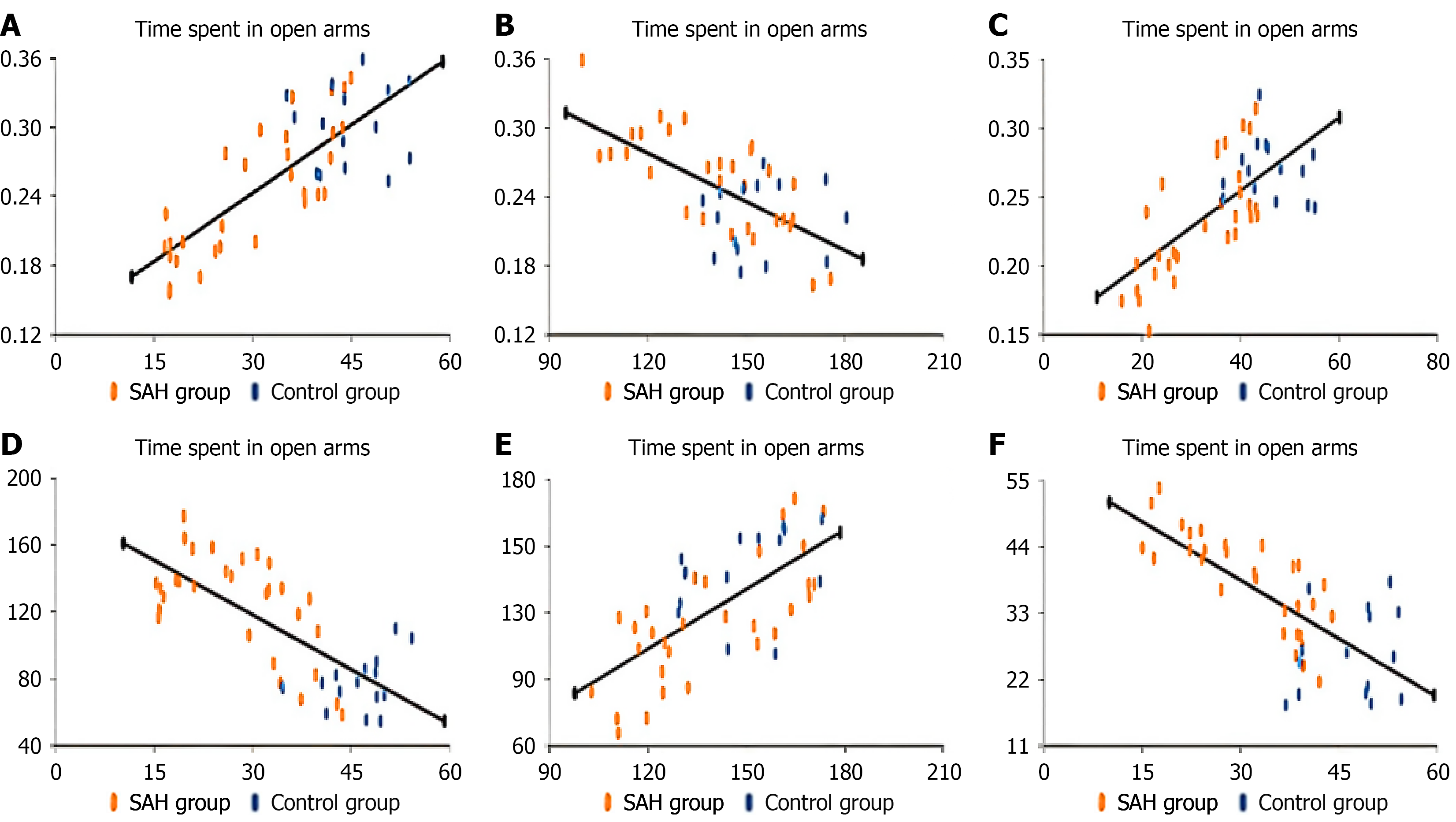
Figure 5 Correlation analysis between behavioral indicators, diffusion tensor imaging parameters, and inflammatory factors after subarachnoid hemorrhage.
A-C: Correlation between diffusion tensor imaging parameters and anxiety-depression behaviors, including positive correlation between time spent in open arms and hippocampal-prefrontal fractional anisotropy (FA) values (A), negative correlation between immobility time in forced swimming and hippocampal-prefrontal FA values (B), and positive correlation between time spent in open arms and amygdala-prefrontal FA values (C); D-F: Correlation between inflammatory factor levels and anxiety-depression behaviors, including negative correlation between time spent in open arms and serum interleukin-6 (IL-6) (D), positive correlation between immobility time in forced swimming and serum IL-6 (E), and stronger negative correlation between time spent in open arms and cerebrospinal fluid IL-1β (F). Orange dots represent the subarachnoid hemorrhage group, blue dots represent the control group, and black lines represent correlation regression lines. These results suggest that reduced white matter integrity and elevated inflammation levels jointly contribute to the development of emotional disorders after subarachnoid hemorrhage. SAH: Subarachnoid hemorrhage.
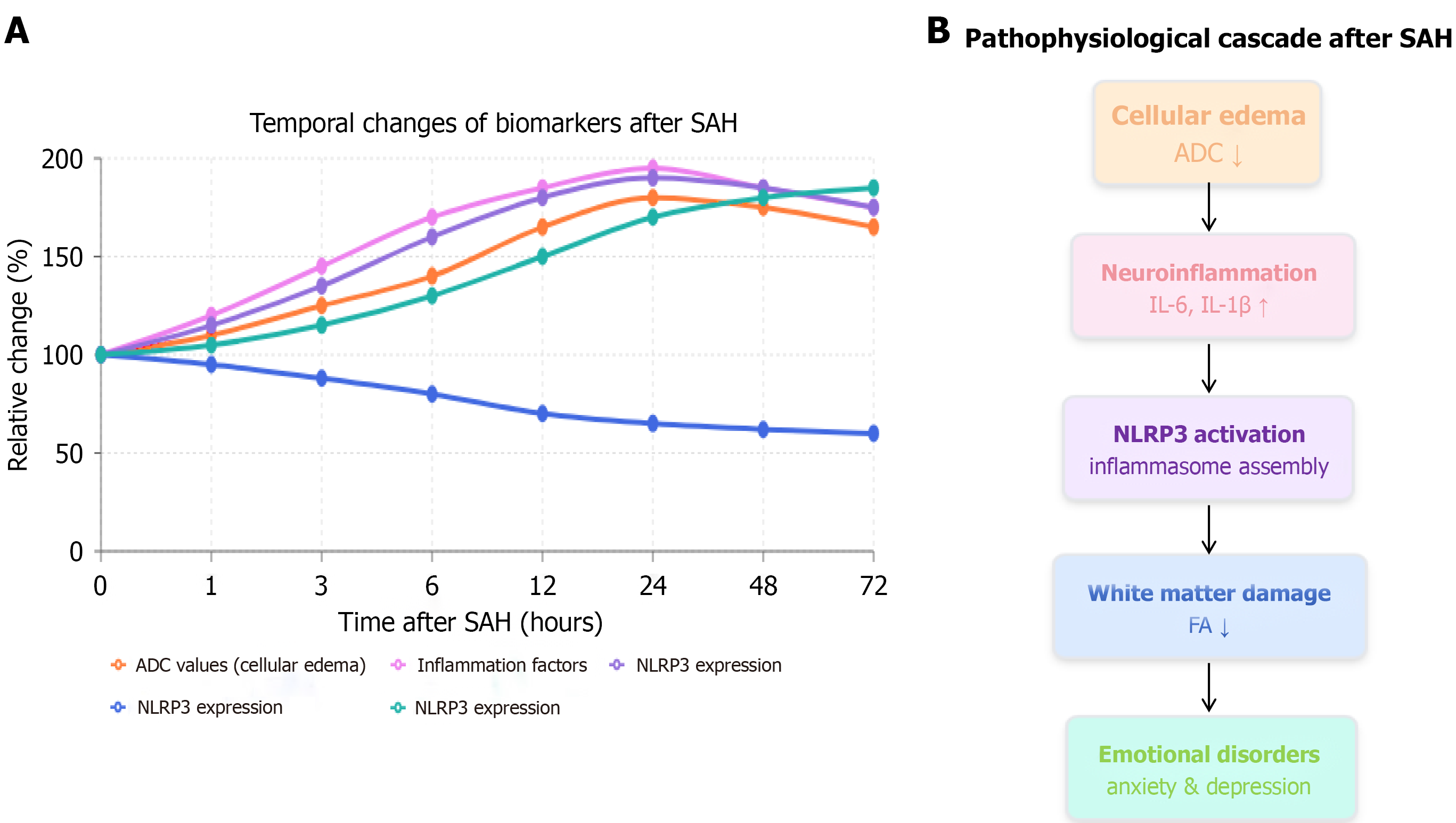
Figure 6 Temporal dynamic analysis and pathophysiological cascade process after subarachnoid hemorrhage.
A: Time-course curves of various indicators after subarachnoid hemorrhage (SAH), showing that cellular edema appears earliest (1 hour), followed by elevation of inflammatory factors (6-12 hours), increased NOD-like receptor protein 3 expression (12-24 hours), decreased fractional anisotropy values (24-48 hours), and aggravated anxiety-depression behavior (24-72 hours); B: Proposed pathophysiological cascade model of “cellular edema → neuroinflammation → NOD-like receptor protein 3 activation → white matter fiber bundle damage → emotional disorders”, revealing the potential mechanistic link between early cellular changes and later behavioral manifestations after SAH. These temporal sequence characteristics provide important clues for understanding the mechanism of anxiety-depression disorders after SAH. SAH: Suba
- Citation: Qin L, Wang K, Jiang LP, Xiao Z, Luo S. Correlation between anxiety-depression disorders and brain structural connectivity abnormalities after subarachnoid hemorrhage. World J Psychiatry 2025; 15(12): 111754
- URL: https://www.wjgnet.com/2220-3206/full/v15/i12/111754.htm
- DOI: https://dx.doi.org/10.5498/wjp.v15.i12.111754