
















Copyright: ©Author(s) 2026.
World J Clin Oncol. May 24, 2026; 17(5): 119443
Published online May 24, 2026. doi: 10.5306/wjco.v17.i5.119443
Published online May 24, 2026. doi: 10.5306/wjco.v17.i5.119443
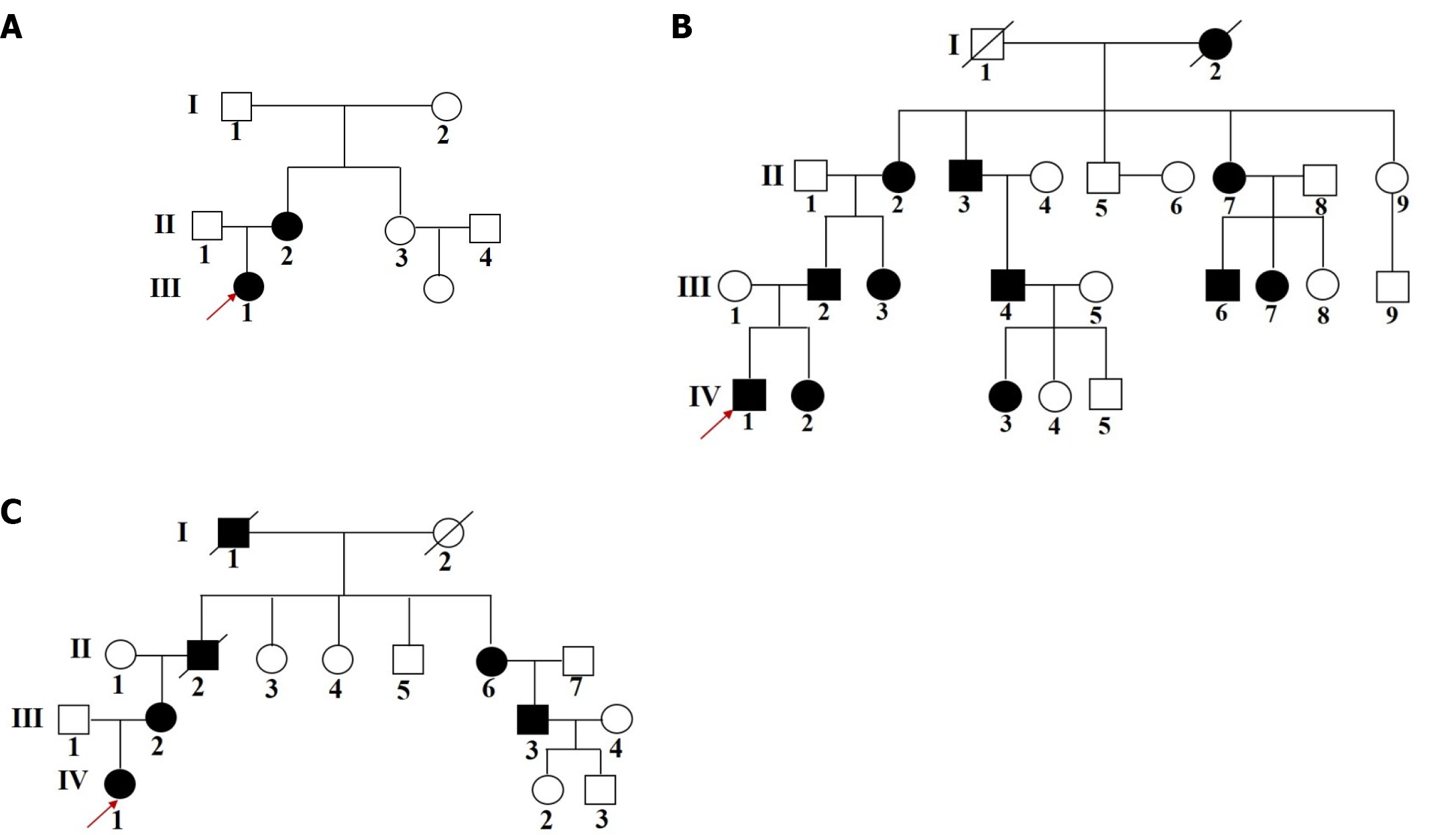
Figure 1 Family pedigrees of patients with hereditary gingival fibromatosis (patient 1, 2, and 3).
A: Patient 1 and her mother presented with similar generalized gingival hyperplasia (arrow); B: Patient 2: More than ten family members exhibited similar characteristics (arrow); C: Family members of patient 3, including her mother, grandfather, grandfather’s sister, and cousin, showed generalized gingival hyperplasia (arrow).
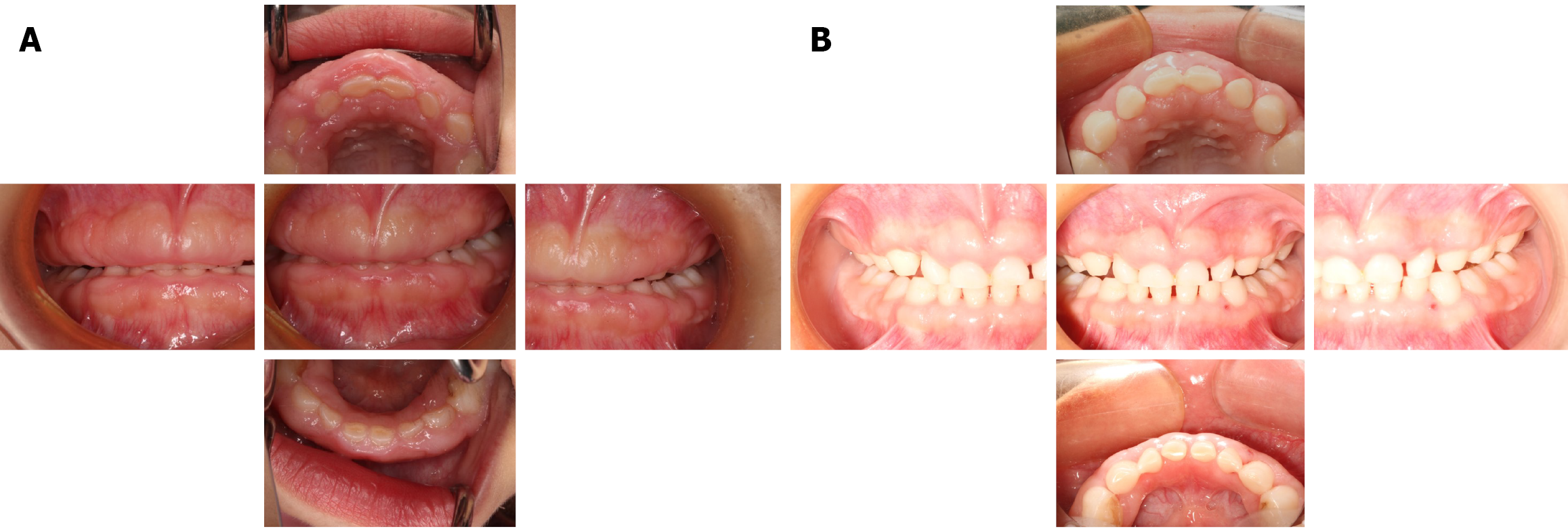
Figure 2 Intraoral photographs of patient 1.
A: Initial visit showing severe generalized gingival enlargement covering almost the entire deciduous dentition; B: Follow-up at 6 months after periodontal surgery, with primary dentition exposed.
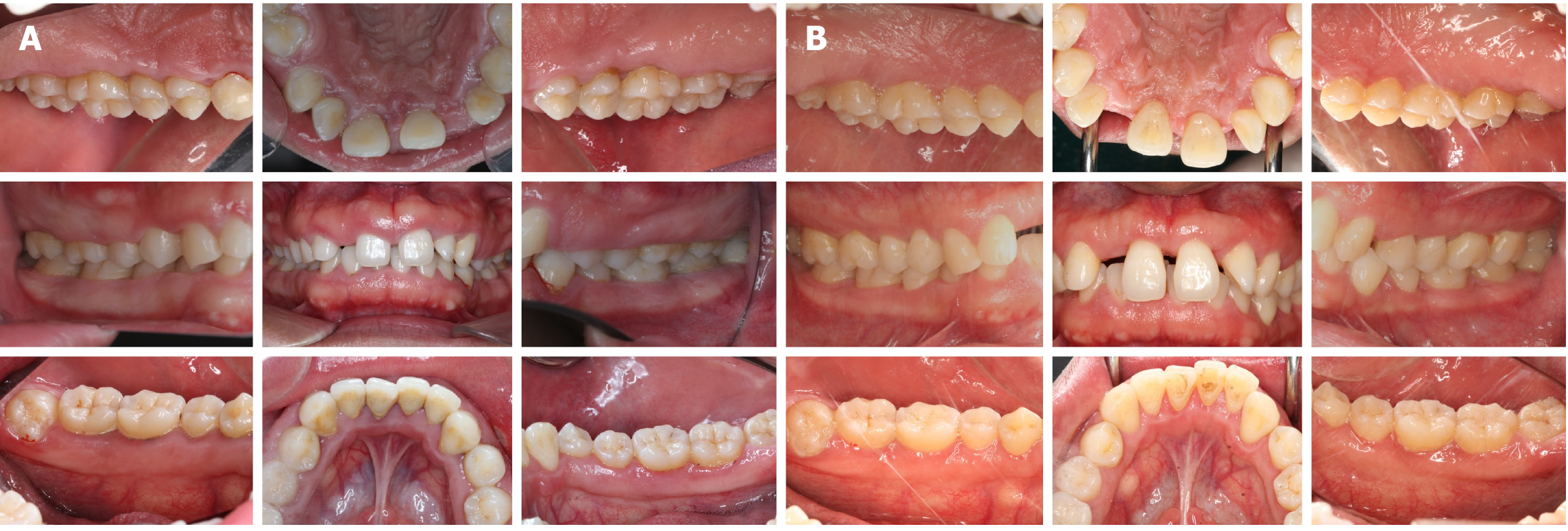
Figure 3 Intraoral photographs of patient 2.
A: Initial visit showing poor oral hygiene with obvious supra- and subgingival calculus; the gingiva was slightly red and swollen, and hyperplastic gingiva covered approximately one-third of the clinical crowns; B: Three-year follow-up after periodontal surgery showing significant exposure of clinical crowns without recurrence of gingival enlargement.
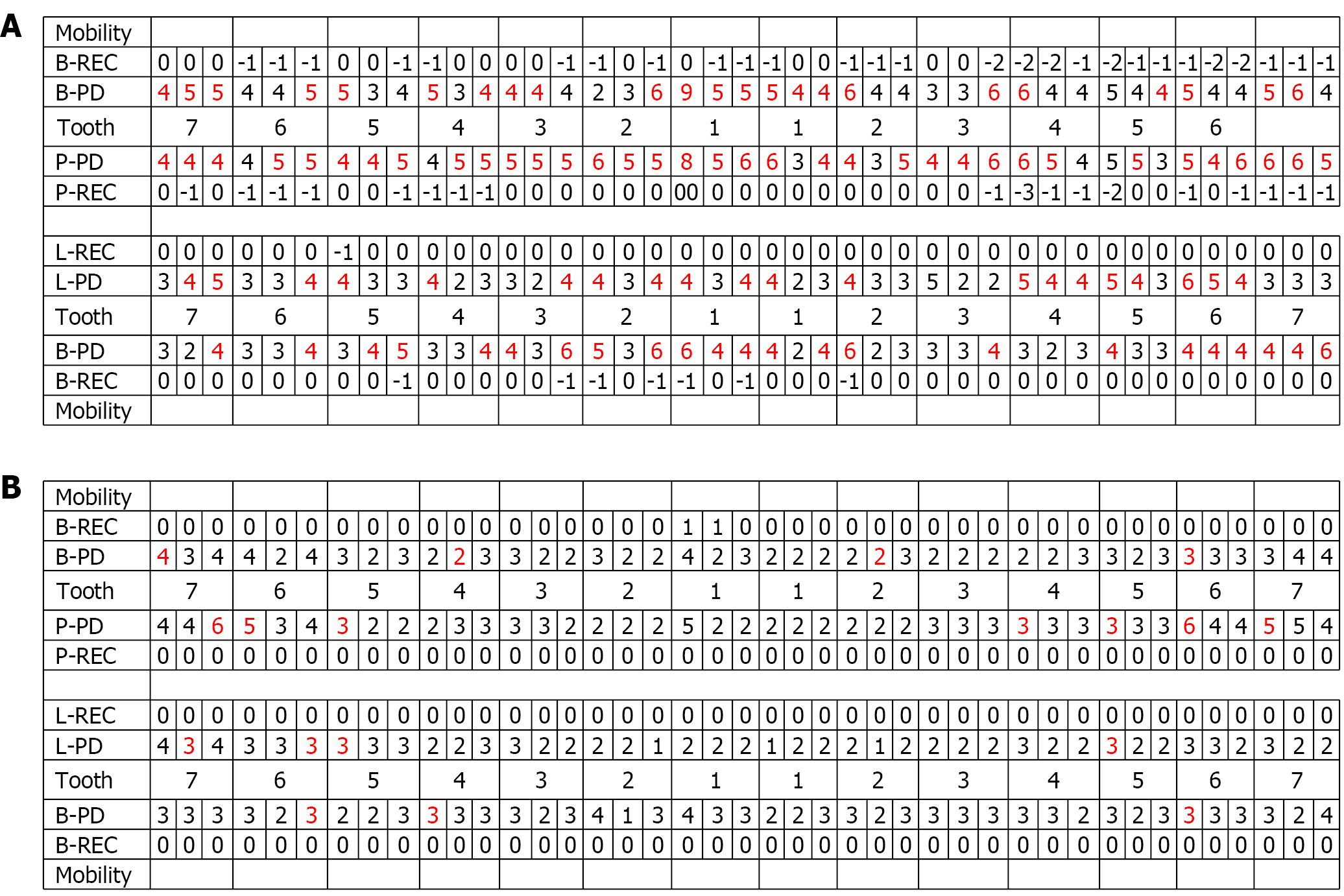
Figure 4 Periodontal examination of patient 2.
A: Initial periodontal examination revealing periodontal pockets and inflammation (red font indicates bleeding on probing); B: Periodontal examination at 3-year follow-up after periodontal surgery showing significant improvement in all periodontal parameters. B-REC: Buccal recession; B-PD: Buccal probing depth; P-PD: Palatal probing depth; P-REC: Palatal recession; L-REC: Lingual recession; L-PD: Lingual probing depth.
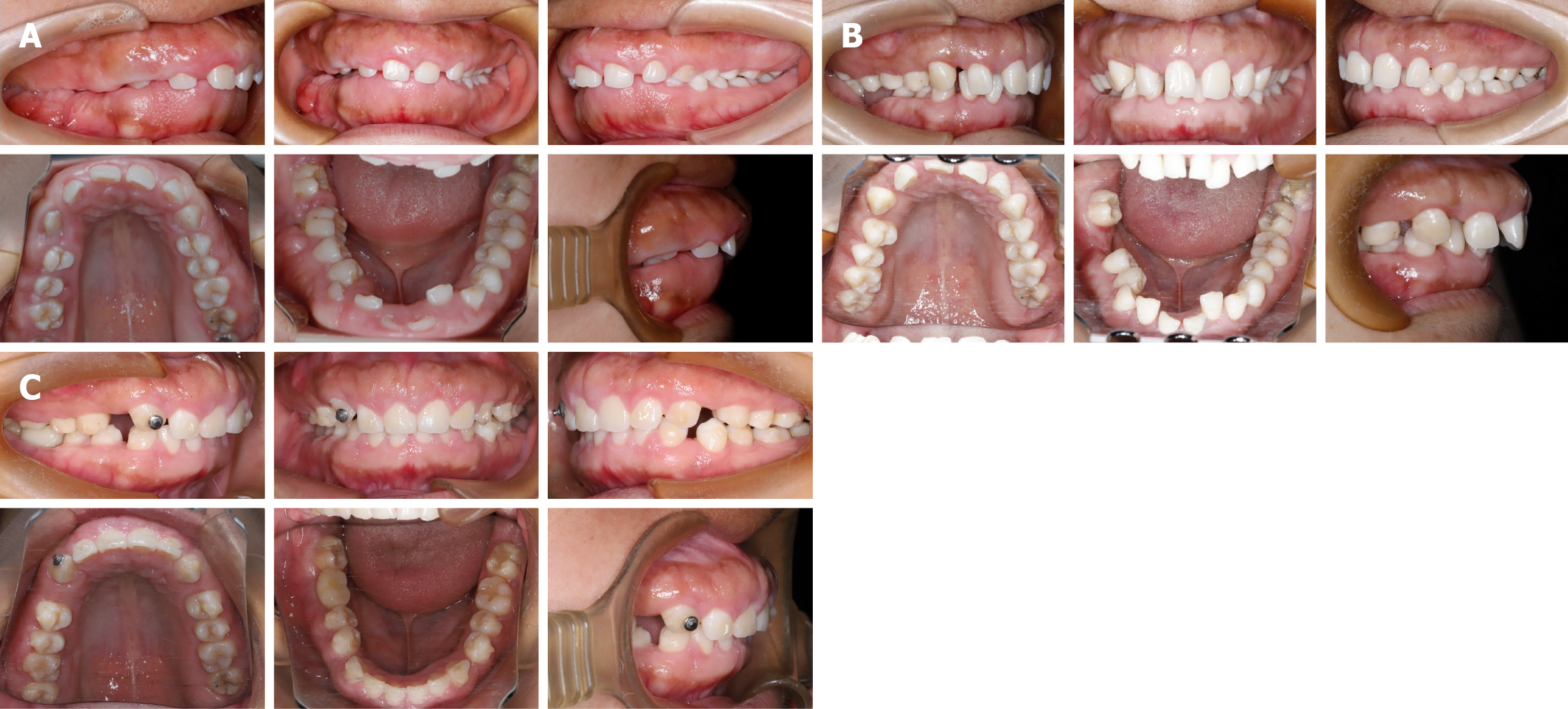
Figure 5 Intraoral photographs of patient 3.
A: Initial visit showing poor oral hygiene, sparse dentition, and gingival overgrowth covering more than half of the clinical crowns; tooth # 46 was in linguoversion, and occlusal assessment revealed a neutral relationship with class III underbite and increased overjet; B: Follow-up at 3 months after periodontal surgery, with reestablished gingival contours and exposed dental crowns; C: Follow-up at 2 years after orthodontic treatment showing improved occlusal relationship without recurrence of gingival hyperplasia.
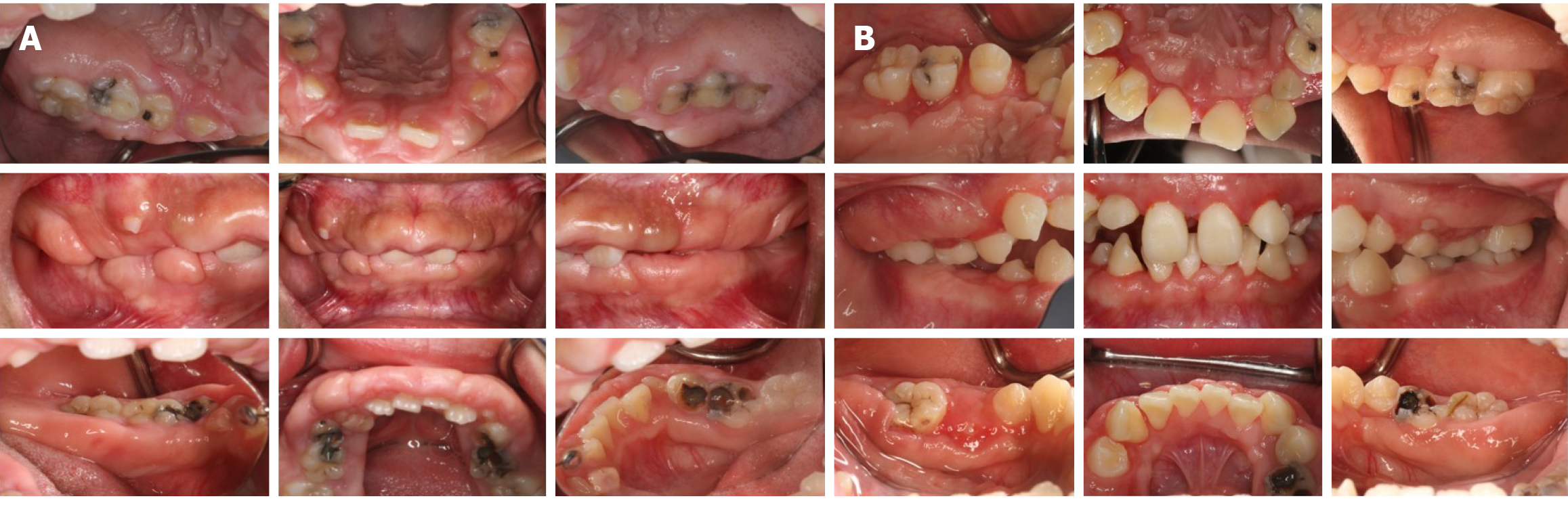
Figure 6 Intraoral photographs of patient 4.
A: Initial visit showing severe gingival hyperplasia covering most of the clinical crowns, with multiple caries in the mixed dentition; B: Follow-up at 1 month after periodontal surgery.
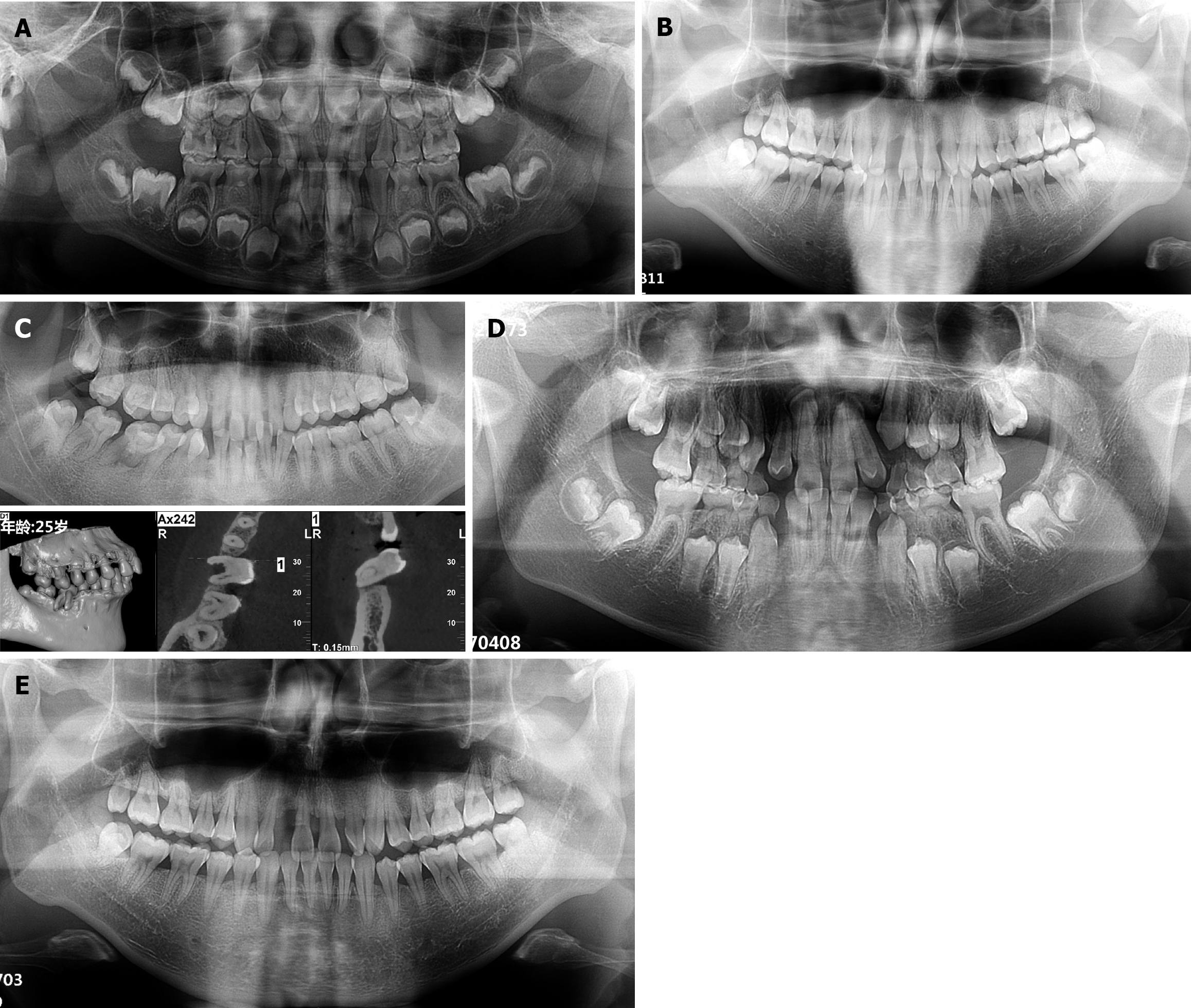
Figure 7 Imaging findings.
A: Orthopantomogram (OPG) of patient 1 showing all permanent tooth buds present without alveolar bone loss; B: OPG of patient 2 showing extensive alveolar bone resorption, particularly in the maxillary anterior region; C: OPG and cone-beam computed tomography of patient 3 showing # 46 in linguoclination with severe alveolar bone resorption; D: OPG of patient 4 showing mixed dentition without alveolar bone loss; permanent teeth # 12-22, 32-42, 16, 26, 36, and 46 had erupted, while deciduous teeth # 53-55, 63-65, 74, 75, 84 and 85 were still present; E: OPG of patient 2 at 3-year follow-up after periodontal surgery showing no further alveolar bone loss.
- Citation: Cheng Y, Zhao J, Yang J, Lin LY, Wu J. Clinical presentation and management of hereditary gingival fibromatosis: Four case reports. World J Clin Oncol 2026; 17(5): 119443
- URL: https://www.wjgnet.com/2218-4333/full/v17/i5/119443.htm
- DOI: https://dx.doi.org/10.5306/wjco.v17.i5.119443