
















Copyright: ©Author(s) 2026.
World J Clin Oncol. May 24, 2026; 17(5): 119163
Published online May 24, 2026. doi: 10.5306/wjco.v17.i5.119163
Published online May 24, 2026. doi: 10.5306/wjco.v17.i5.119163
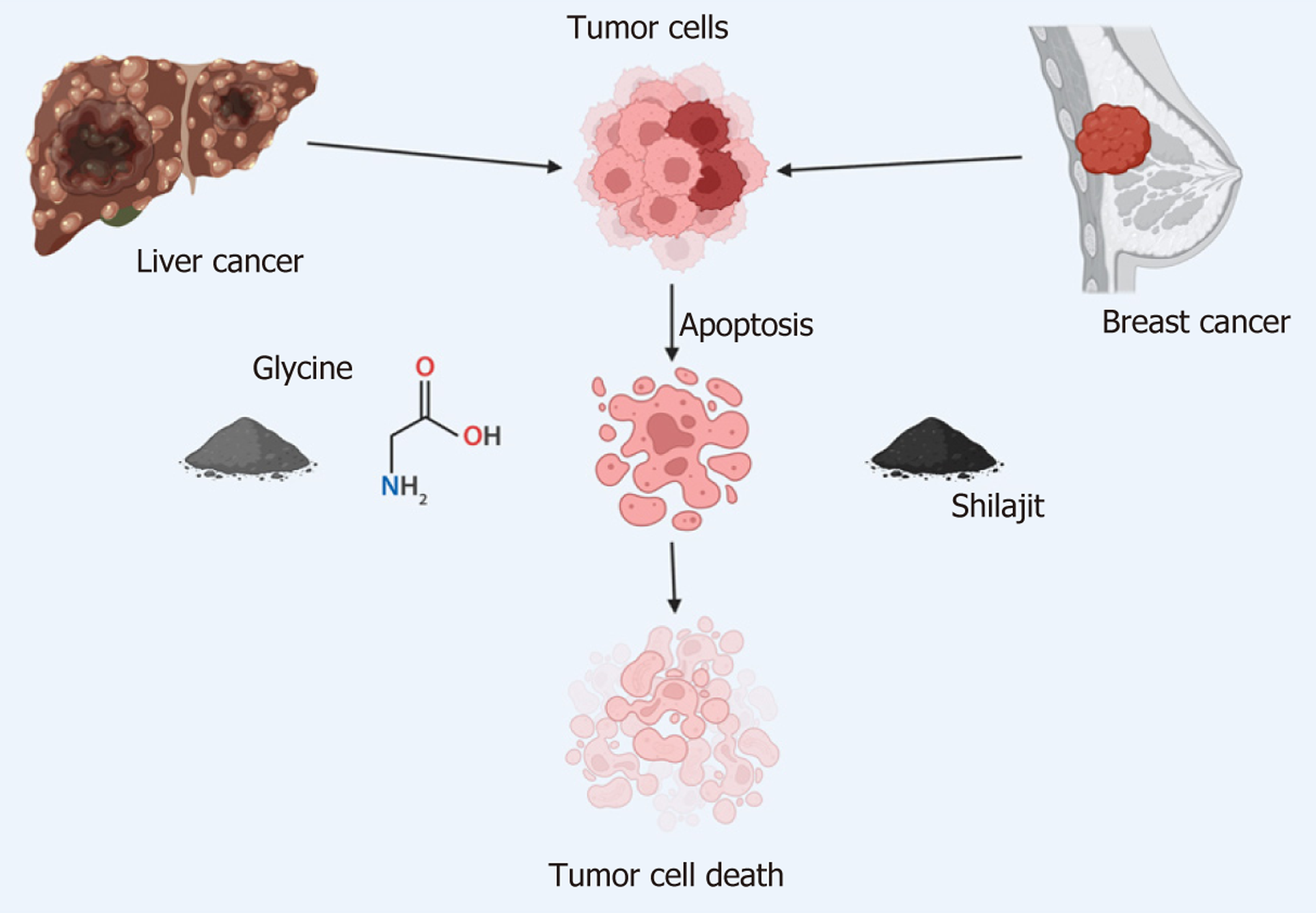
Figure 1 Shilajit and glycine-induced apoptosis in breast and liver cancer cells.
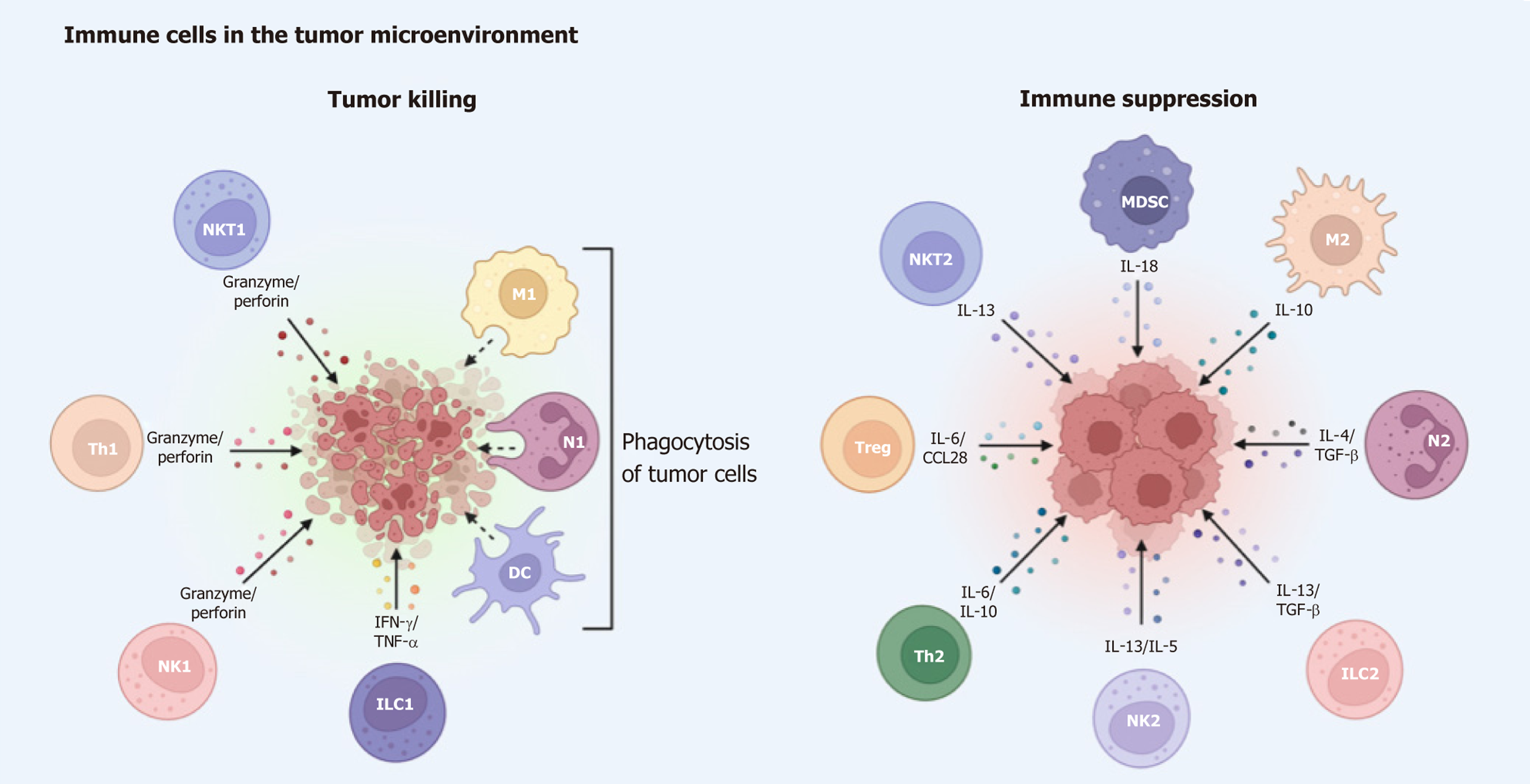
Figure 2 Immune cells in the tumor microenvironment.
NKM1: Natural killer cell, type 1; Th1: T helper cell, type 1; ILC1: Group 1 innate lymphoid cell; IFN: Interferon; TNF: Tumor necrosis factor; DC: Dendritic cell; N1: Neutrophil, type 1; M1: Macrophage, type 1; MDSC: Myeloid-derived suppressor cell; IL: Interleukin; CCL: CC chemokine ligand; TGF: Transforming growth factor.
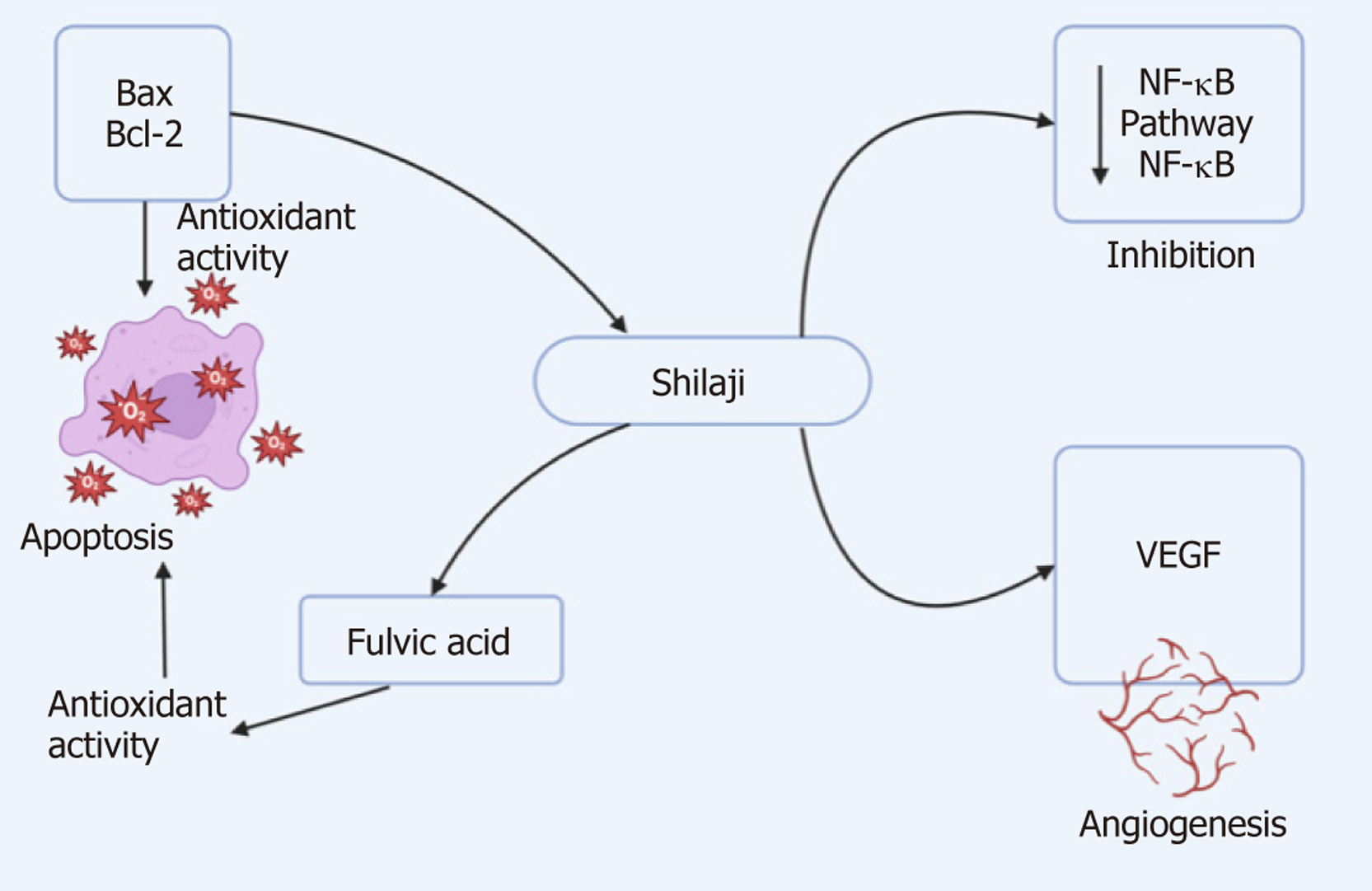
Figure 3 Molecular mechanisms of shilajit in cancer modulation.
Bax: B-cell lymphoma/Leukemia-2 family-associated X protein; Bcl-2: B-cell lymp
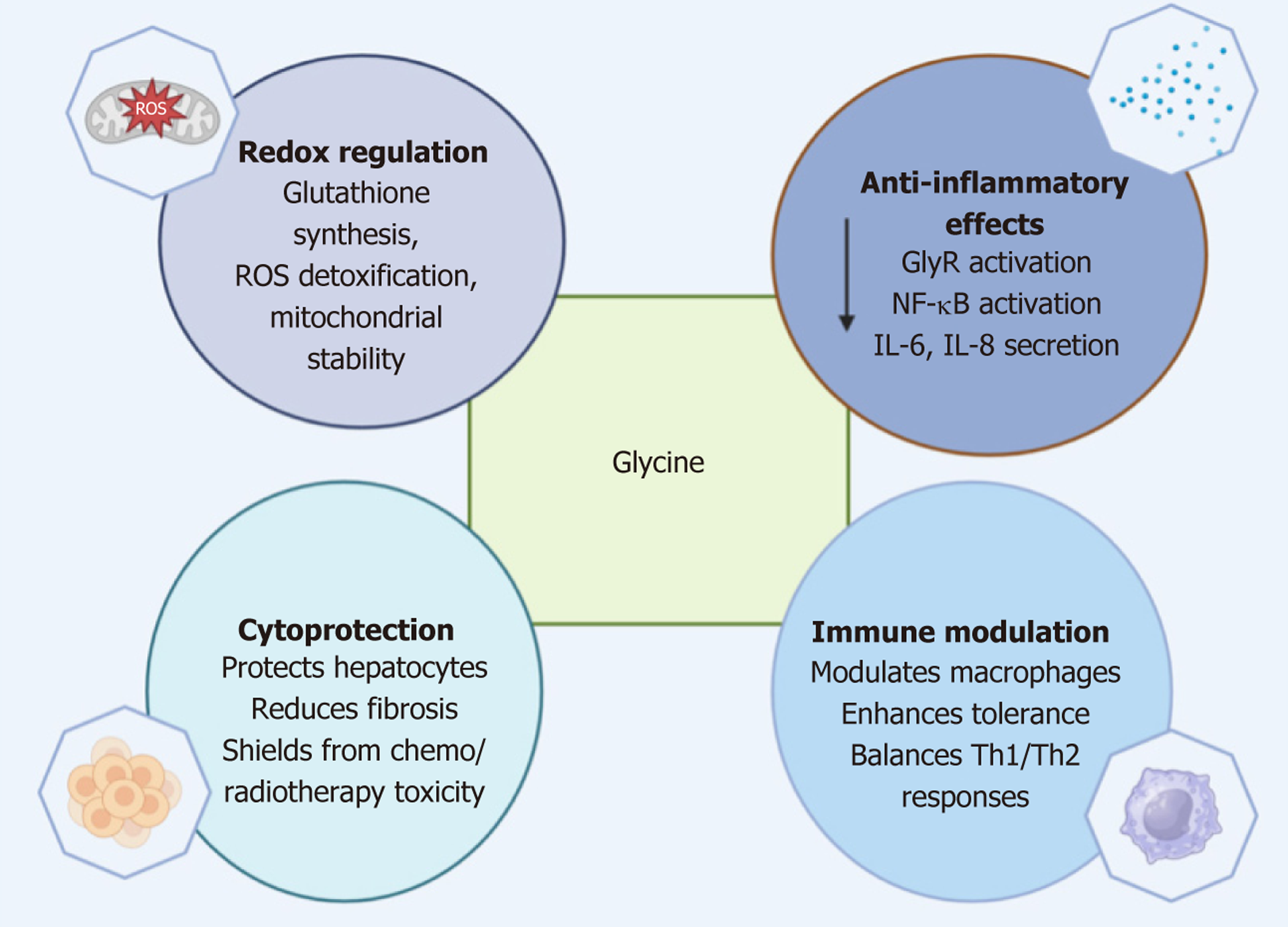
Figure 4 Glycine’s roles in redox balance, cytoprotection, and immune regulation.
NF-κB: Nuclear factor-kappa B; Th1/2: T helper cell, type 1/2; IL: Interleukin.
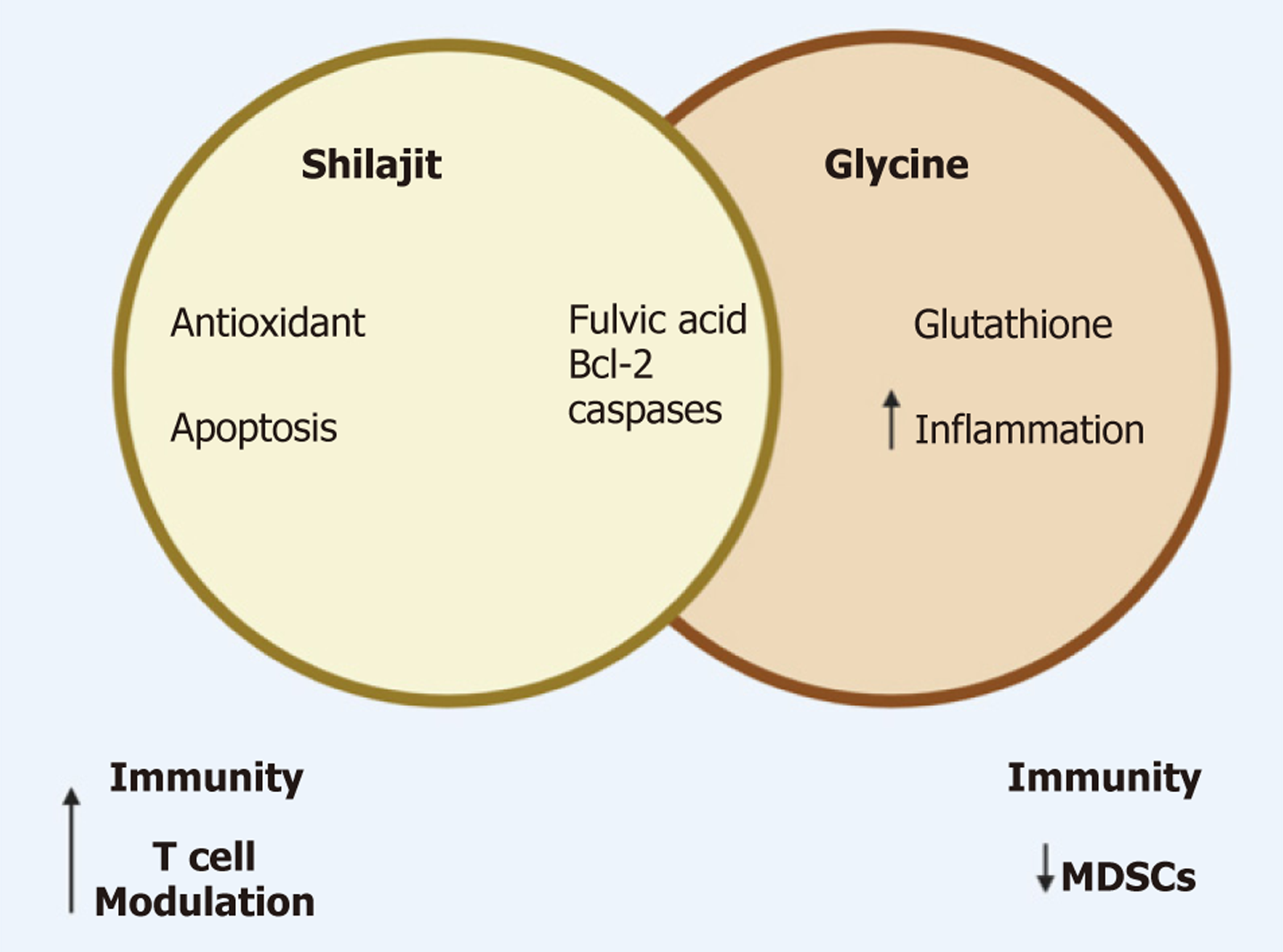
Figure 5 Comparative and overlapping mechanisms of shilajit and glycine in cancer modulation.
MDSC: Myeloid-derived suppressor cell; Bcl-2: B-cell lymphoma/Leukemia-2 family.
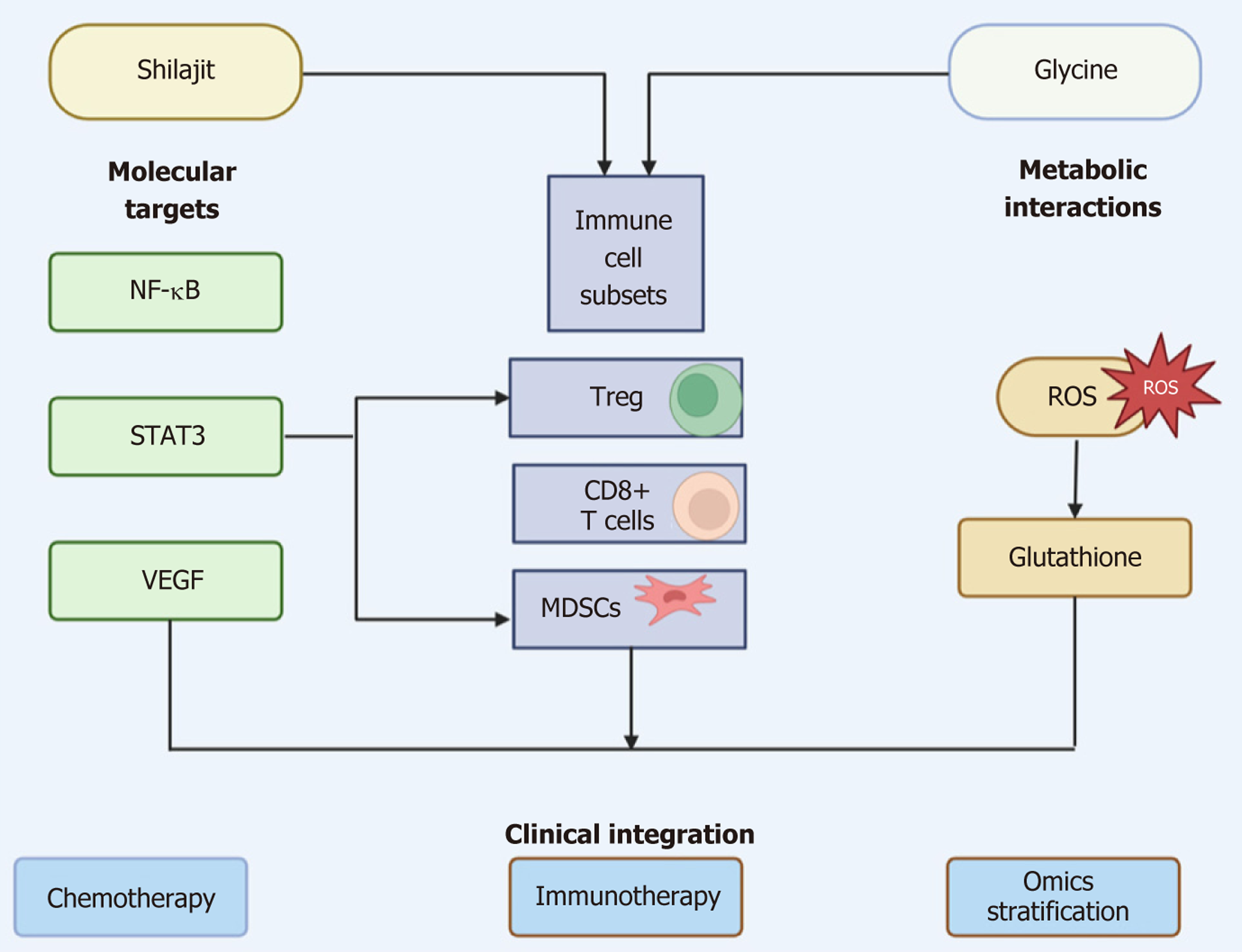
Figure 6 Integrative mechanisms of shilajit and glycine in cancer therapy.
NF-κB: Nuclear factor-kappa B; VEGF: Vascular endothelial growth factor; STAT3: Signal transducer and activator of transcription 3; MDSC: Myeloid-derived suppressor cell; ROS: Reactive oxygen species.
- Citation: Basbrain TA, Zabermawi NM, Alrahimi JS, Zaher KA. Immunomodulatory and antitumor effects of shilajit and glycine: Natural metabolic modulators targeting breast and liver cancer. World J Clin Oncol 2026; 17(5): 119163
- URL: https://www.wjgnet.com/2218-4333/full/v17/i5/119163.htm
- DOI: https://dx.doi.org/10.5306/wjco.v17.i5.119163