
















Copyright: ©Author(s) 2026.
World J Clin Oncol. May 24, 2026; 17(5): 117168
Published online May 24, 2026. doi: 10.5306/wjco.v17.i5.117168
Published online May 24, 2026. doi: 10.5306/wjco.v17.i5.117168
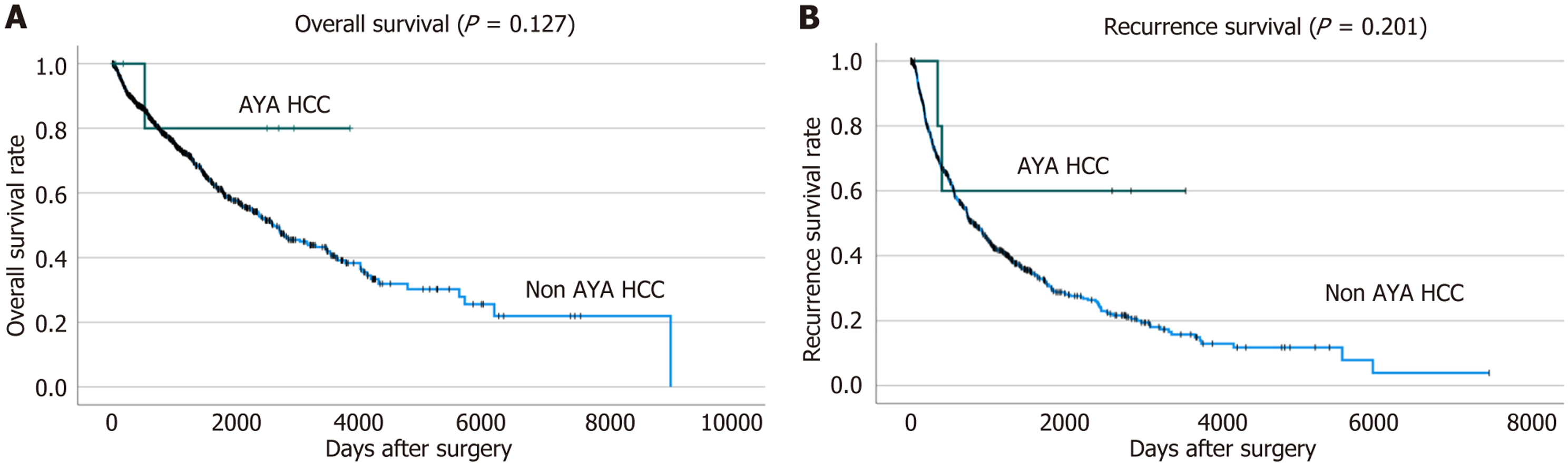
Figure 1 Survival curves of the adolescent and young adult (AYA) and non-AYA groups.
A: Overall survival curve for patients in the adolescent and young adult (AYA) and non-AYA groups; B: Recurrence-free survival curve for patients in the AYA and non-AYA groups. AYA: Adolescent and young adult; HCC: Hepatocellular carcinoma.
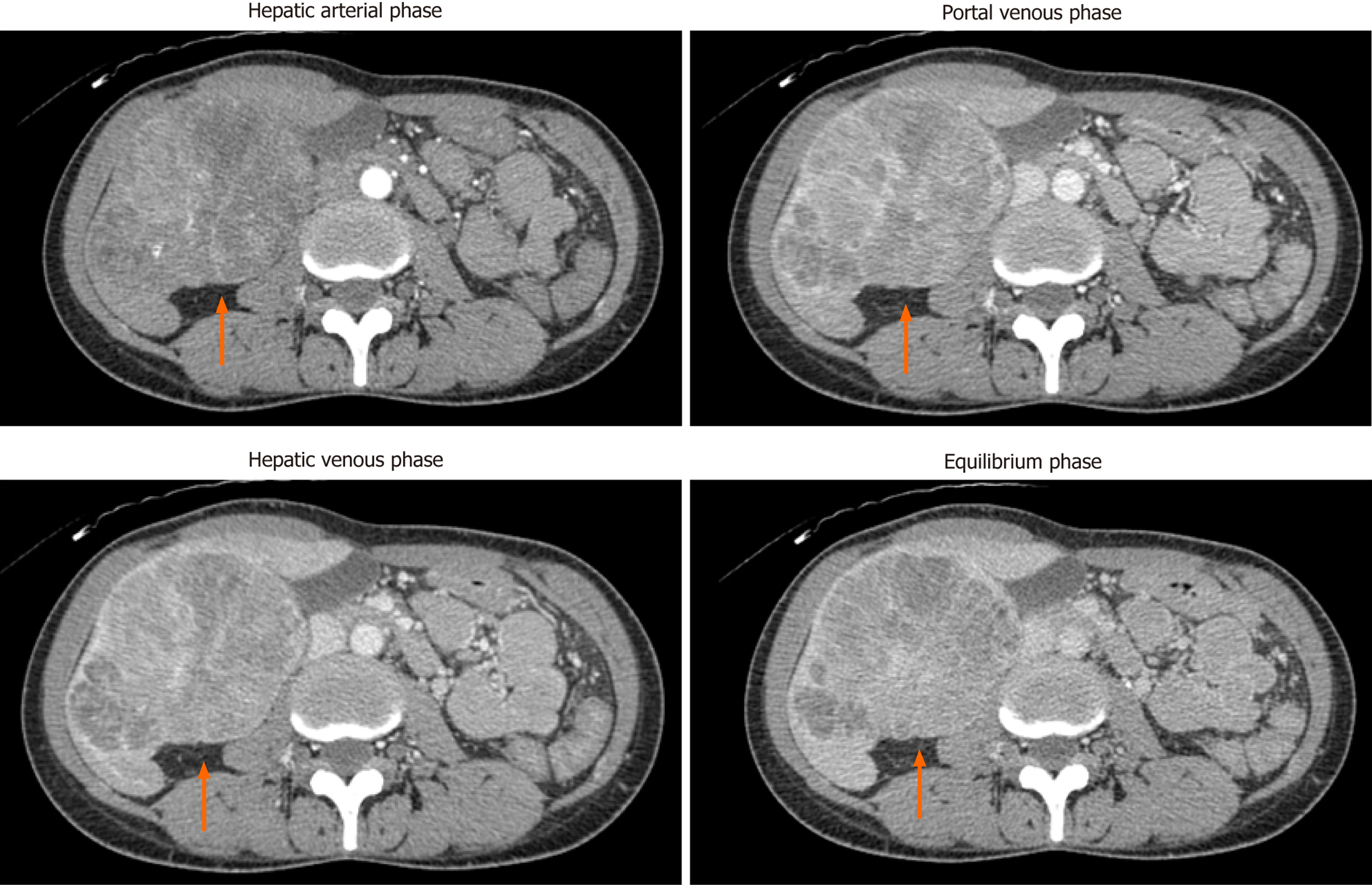
Figure 2 Abdominal computed tomography images demonstrating a 10-cm tumor in segment 6 of the liver.
A slightly strong uptake of the contrast agent was observed in the hepatic arterial phase, and the lesion became isodense during the portal venous, hepatic venous, and equilibrium phases (arrows).
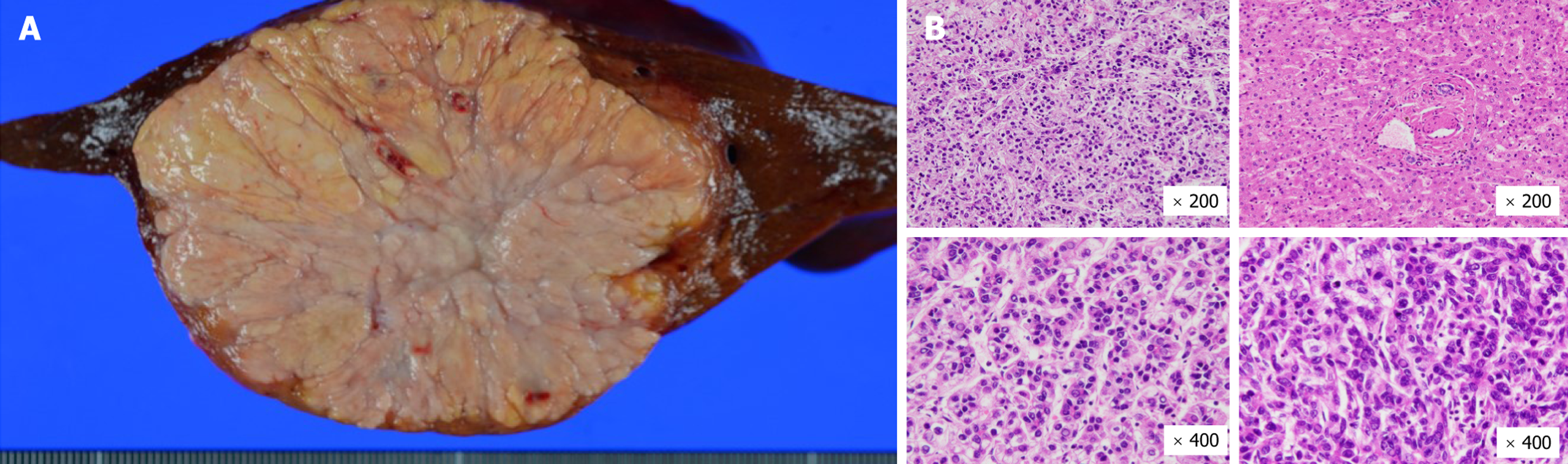
Figure 3 Pathological findings of the resected tumor.
A: Gross specimen showing a 100-mm × 80-mm lesion with expansive growth; B: Histological examination revealing moderately differentiated hepatocellular carcinoma without vascular invasion (pT1bN0M0, pathological stage IB; Union for International Cancer Control, 8th edition).
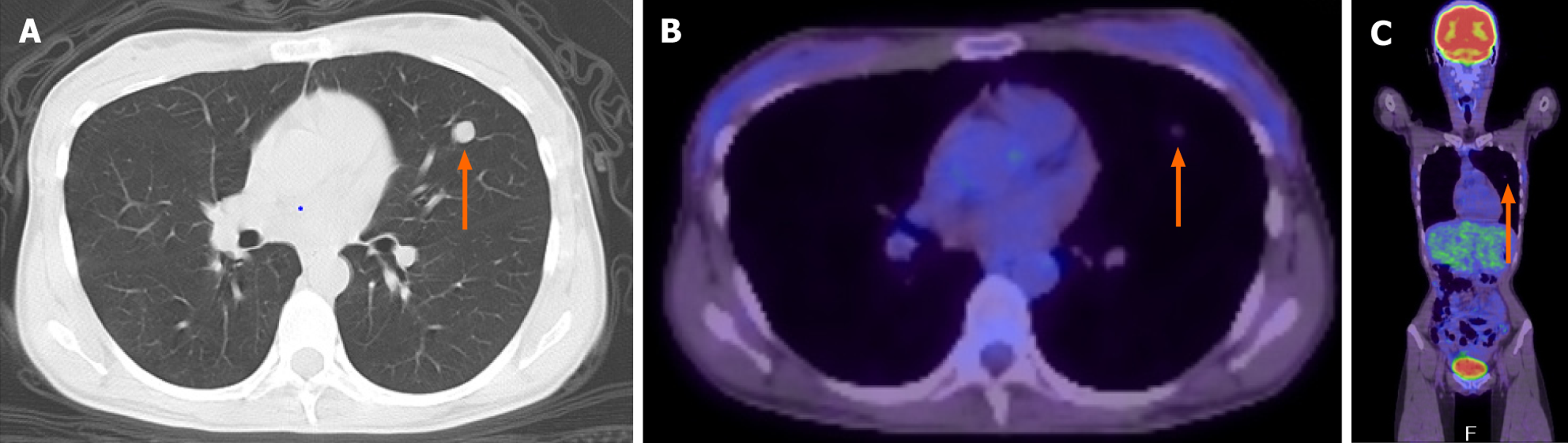
Figure 4 Positron emission tomography findings demonstrating pulmonary metastasis (arrow).
A: Plane computed tomography (CT) image; B: Positron emission tomography (PET)-CT axial image; C: Coronal PET-CT image.
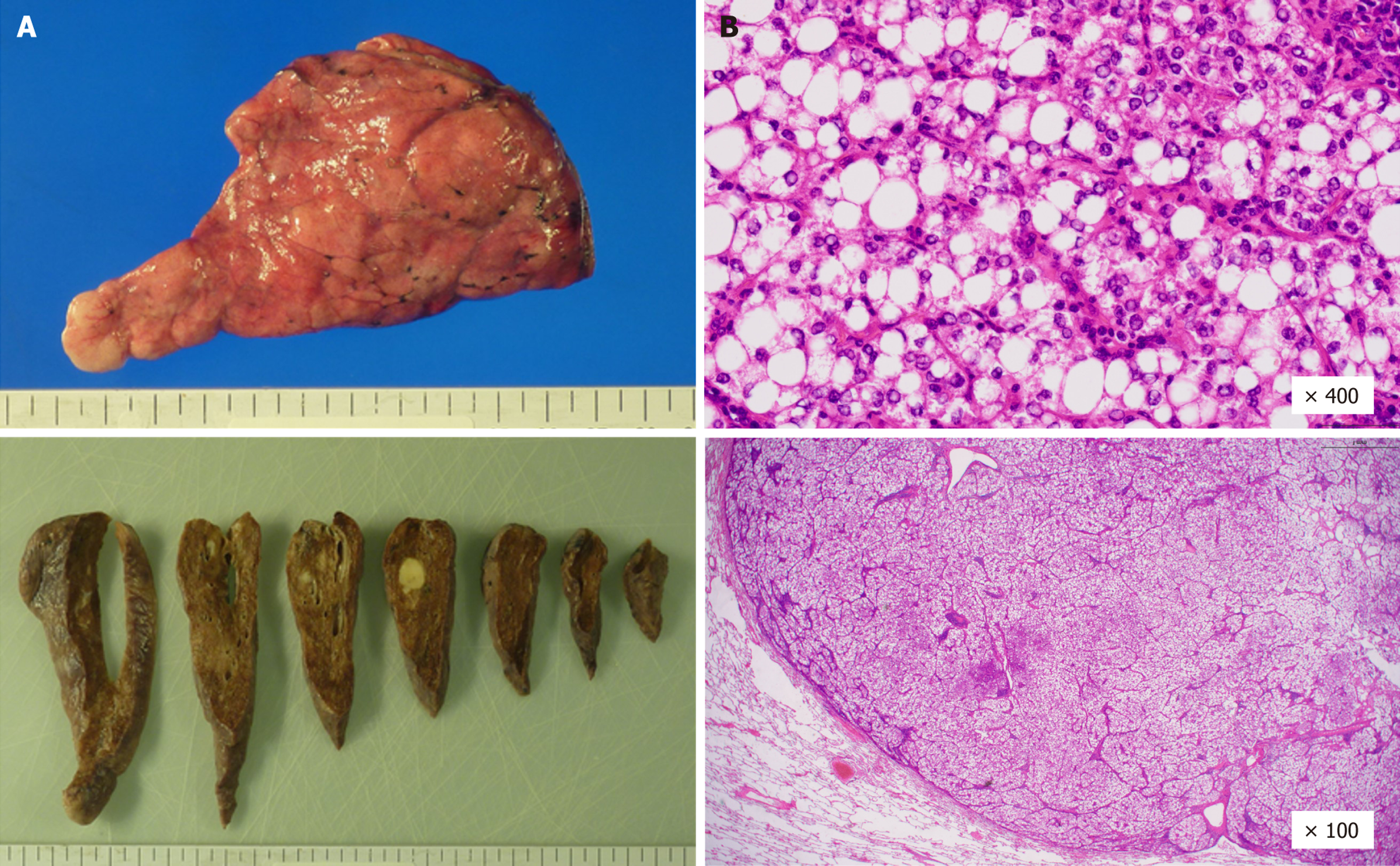
Figure 5 Pathological findings of the pulmonary lesion.
A: Resected lung specimen; B: Histopathological examination confirming pulmonary metastasis from hepatocellular carcinoma.
- Citation: Ueda J, Taniai N, Yoshioka M, Matsushita A, Mizutani S, Kawano Y, Shimizu T, Kanda T, Murokawa T, Takata H, Furuki H, Aoki Y, Kawashima M, Irie T, Ono T, Haruna T, Yoshimori D, Endo K, Hamaguchi A, Yoshida H. Hepatic resection in adolescent and young adult patients with hepatocellular carcinoma. World J Clin Oncol 2026; 17(5): 117168
- URL: https://www.wjgnet.com/2218-4333/full/v17/i5/117168.htm
- DOI: https://dx.doi.org/10.5306/wjco.v17.i5.117168