
















Copyright: ©Author(s) 2026.
World J Radiol. Apr 28, 2026; 18(4): 119319
Published online Apr 28, 2026. doi: 10.4329/wjr.v18.i4.119319
Published online Apr 28, 2026. doi: 10.4329/wjr.v18.i4.119319
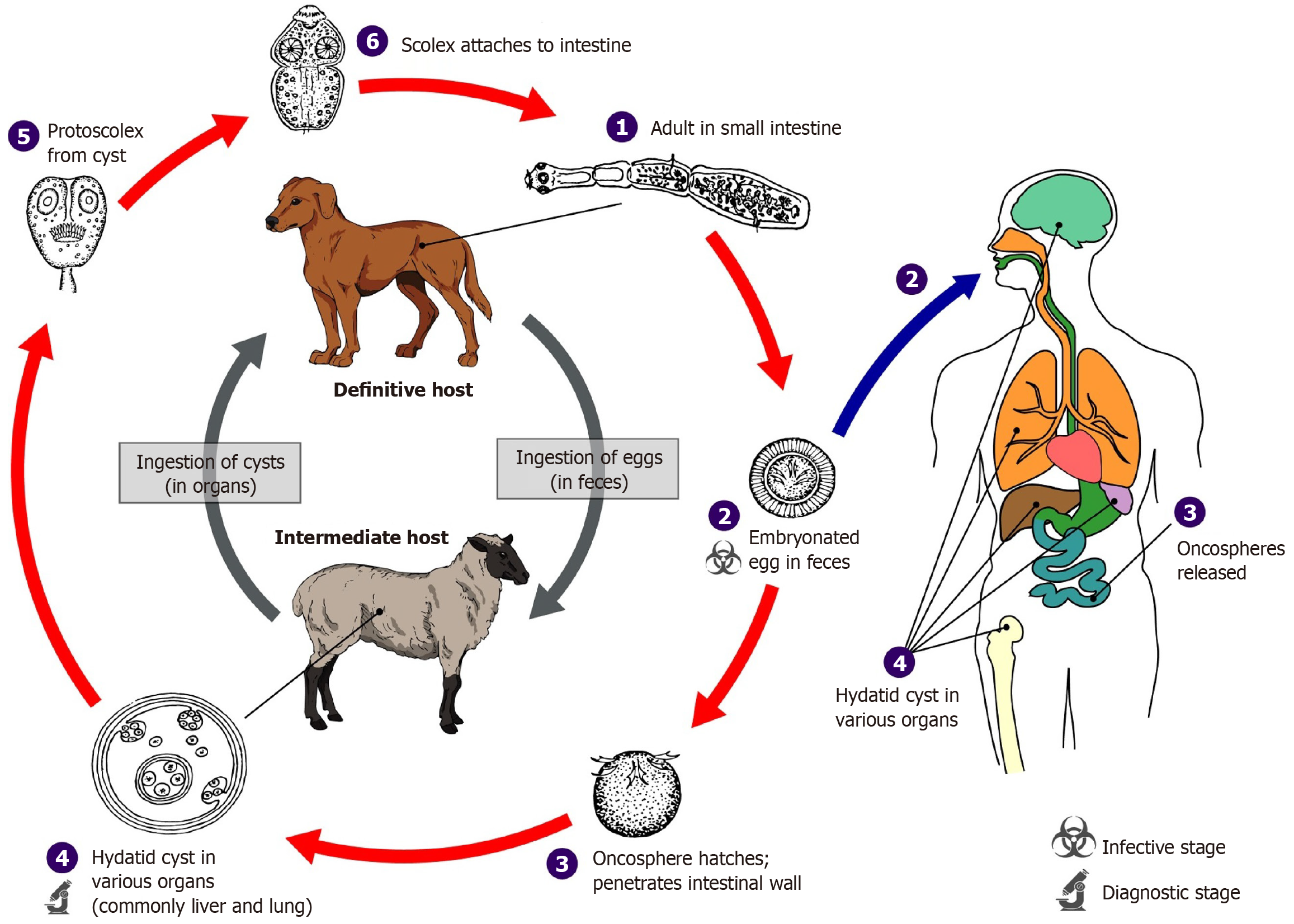
Figure 1 Life cycle of Echinococcus granulosus.
Public domain image adapted from the Centers for Disease Control and Prevention. Available from: https://www.cdc.gov/dpdx/echinococcosis/index.html.
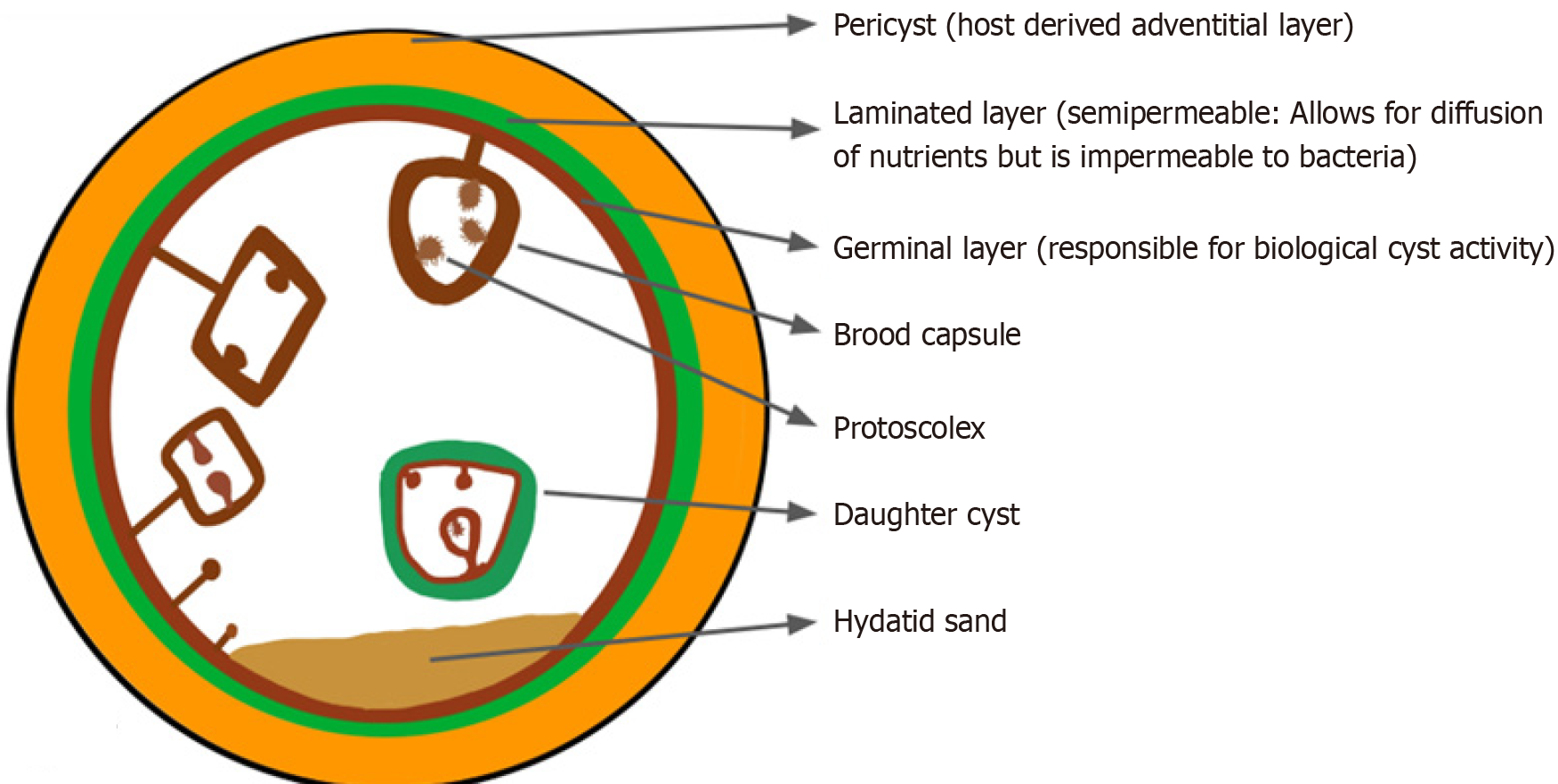
Figure 2
Schematic diagram depicting the structure of a hydatid cyst.
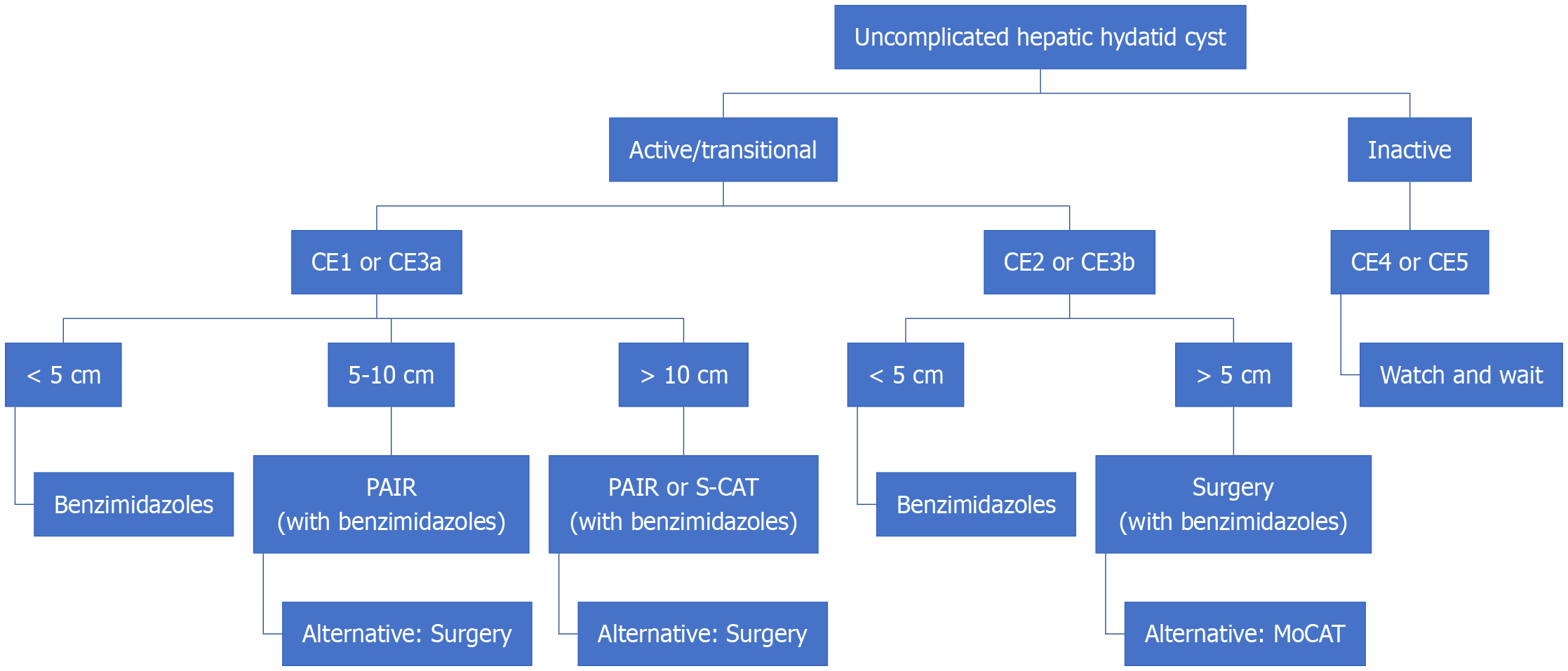
Figure 3 Overview of the management recommendations for the various cyst types of hepatic hydatid cyst according to the World Health Organization classification.
In case of patients with multiple cysts with different cyst types, treatment has to be individualized. CE: Cystic echinococcus; PAIR: Puncture-aspiration-injection-reaspiration; S-CAT: Standard catheterization technique; MoCAT: Modified catheterization technique.
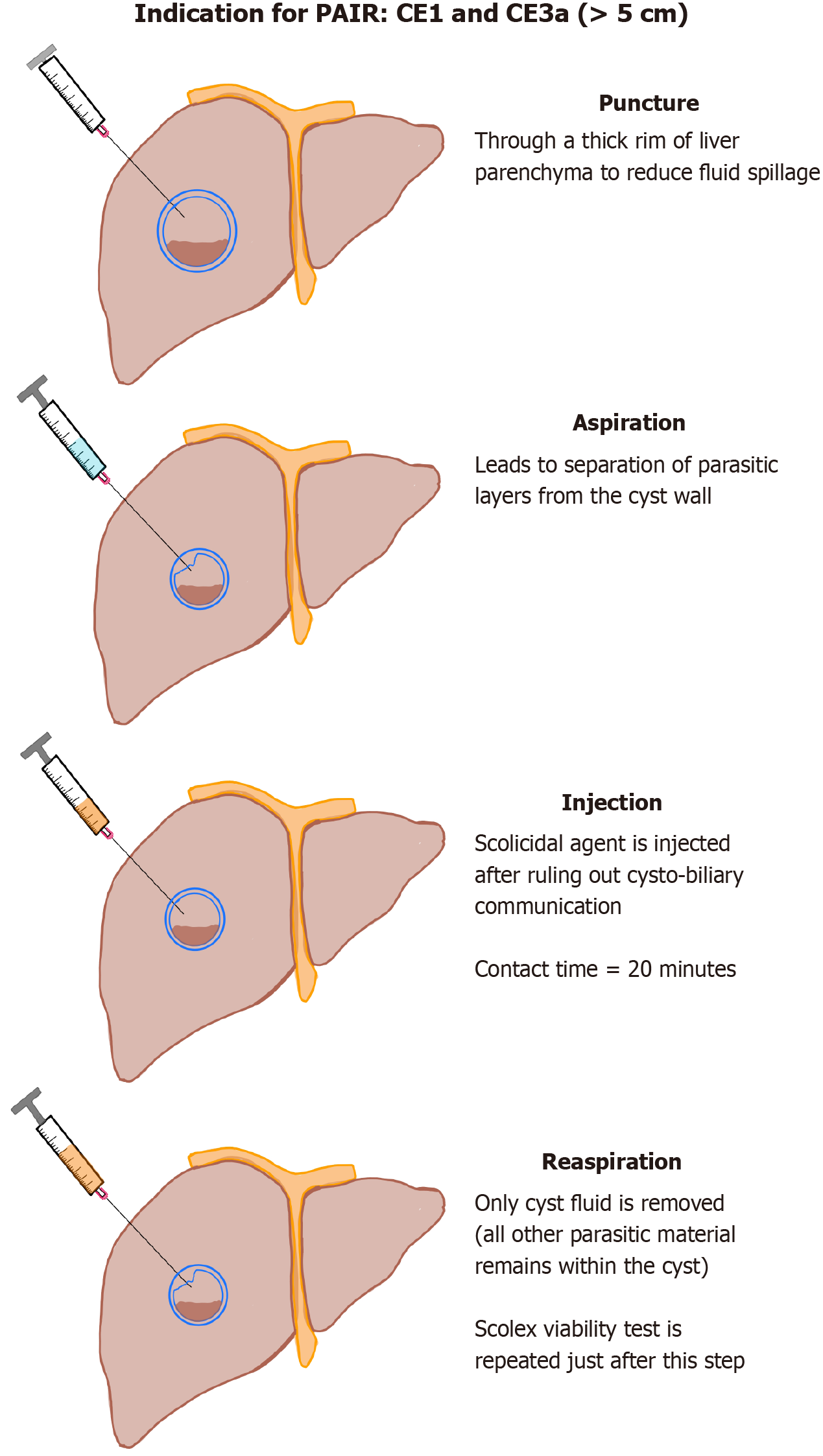
Figure 4 Schematic diagram depicting the sequential steps of the puncture-aspiration-injection-reaspiration procedure.
CE: Cystic echinococcus.
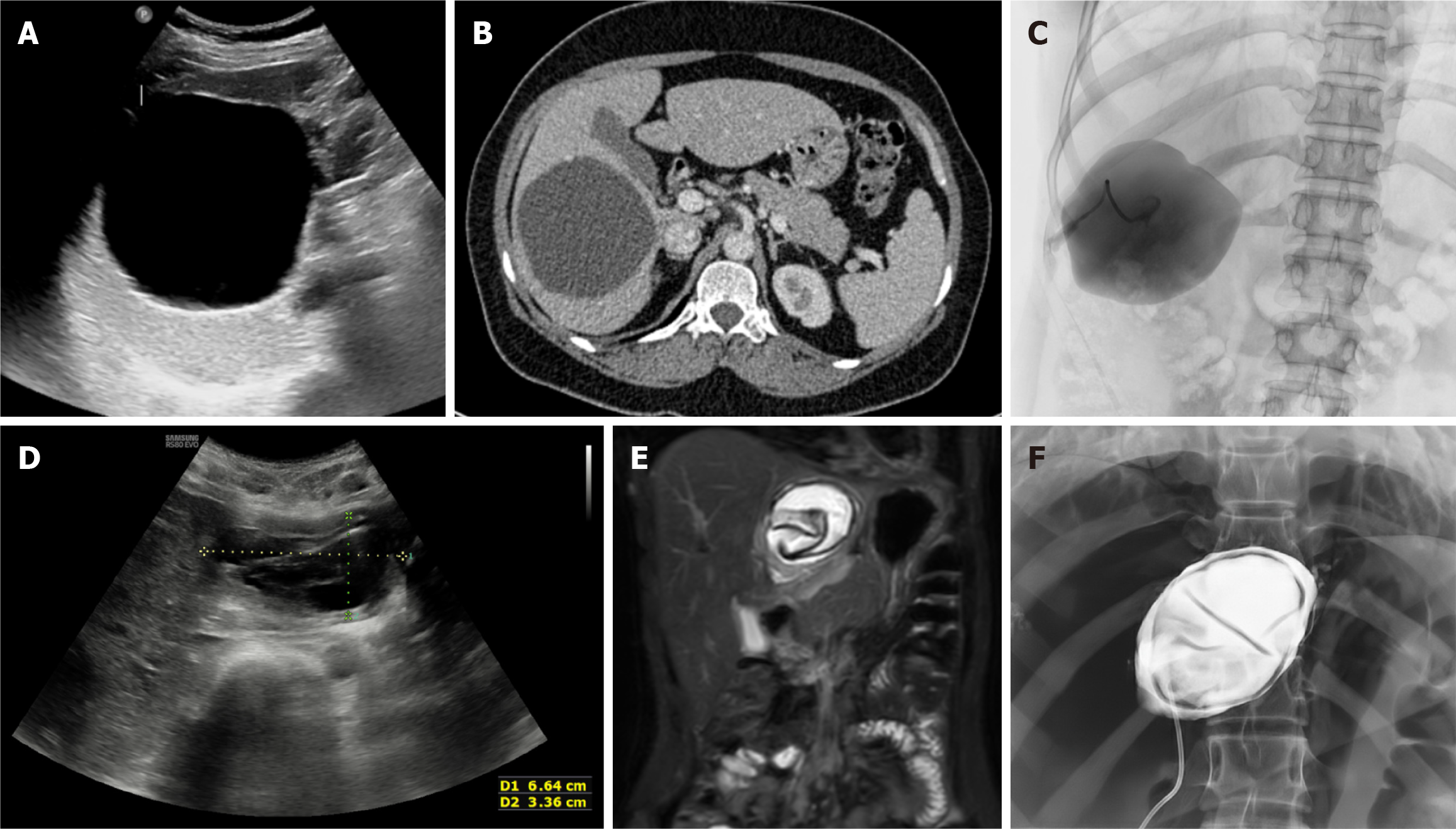
Figure 5 Puncture-aspiration-injection-reaspiration procedure.
A-C: Ultrasound (A) and axial computed tomography image (B) depict a cystic echinococcus 1 hydatid cyst in the right lobe of the liver. Fluoroscopic spot image (C) shows opacification of the cyst cavity following contrast injection, confirming correct intracystic placement with no evidence of cysto-biliary communication; D-F: Axial ultrasound (D) and coronal T2-weighted magnetic resonance imaging image (E) in a different patient depicts a cystic echinococcus 3a hydatid cyst in the left lobe of the liver. Fluoroscopic spot image (F) obtained during the puncture-aspiration-injection-reaspiration procedure shows opacification of the cyst cavity, with the floating membranes visualized as curvilinear filling defects, with no evidence of cysto-biliary communication.
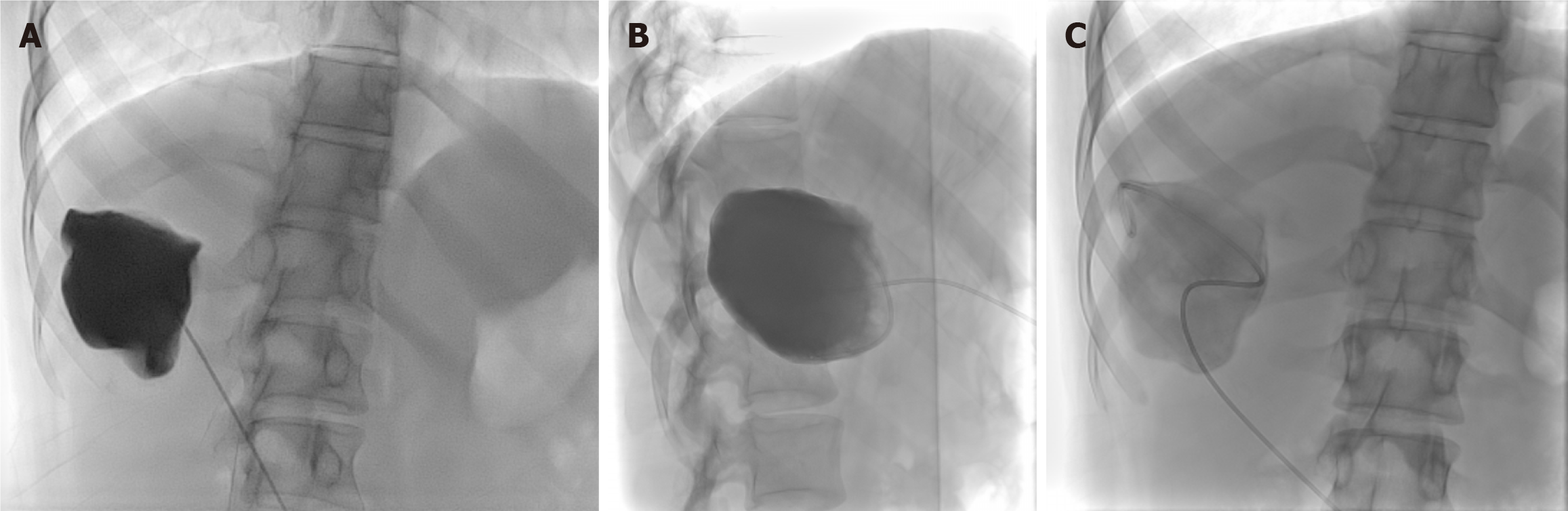
Figure 6 Puncture-aspiration-injection-reaspiration procedure.
A-C: Frontal fluoroscopic spot image (A) demonstrates intracystic injection of contrast, with no evidence of cysto-biliary communication. Lateral fluoroscopic spot image (B) after aspiration of the previously injected contrast from the hydatid cyst. Frontal fluoroscopic spot image (C) after instillation of scolicidal agent into the cyst cavity.
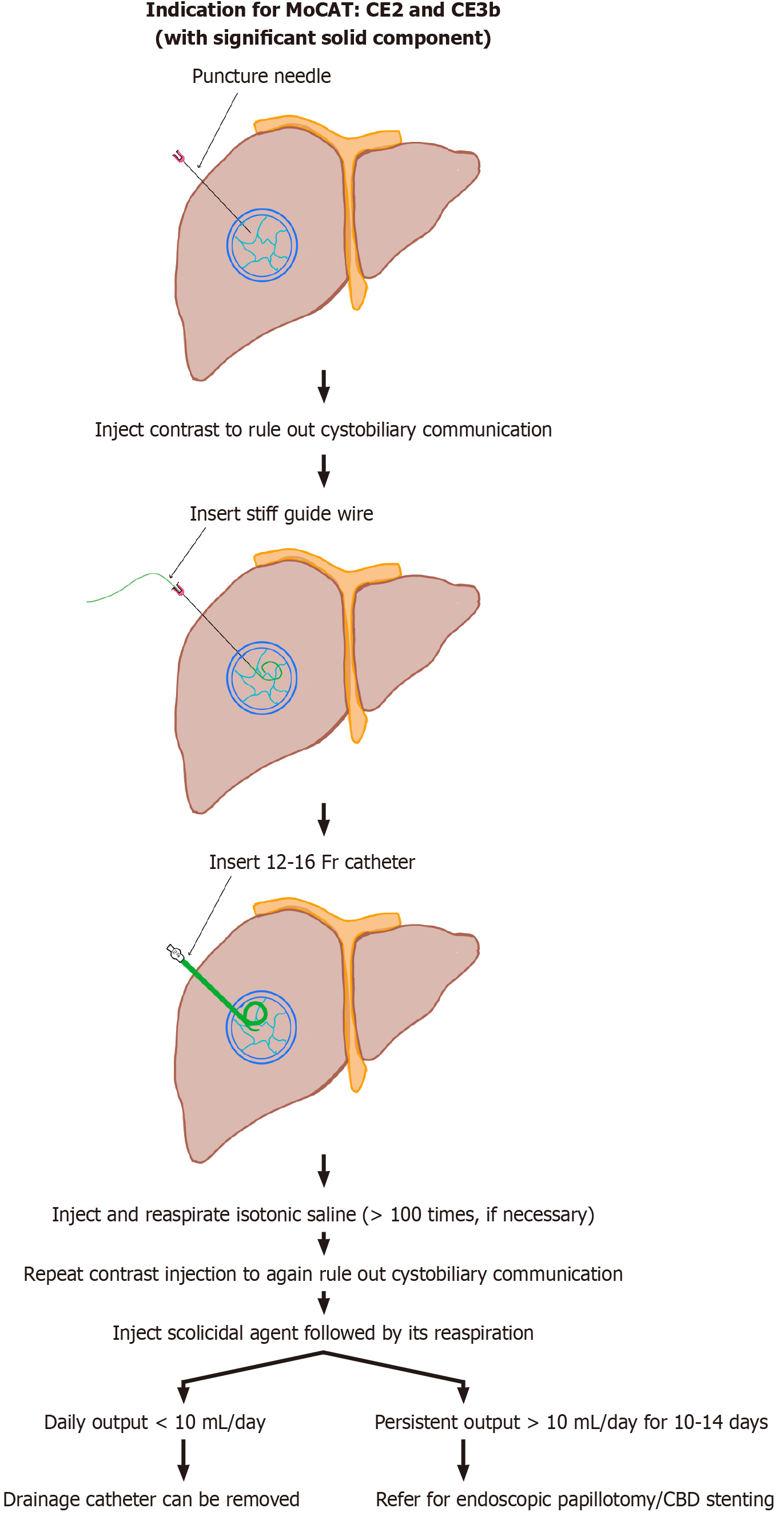
Figure 7 Schematic diagram depicting the sequential steps of the modified catheterization technique.
MoCAT: Modified catheterization technique; CE: Cystic echinococcus; CBD: Common bile duct.
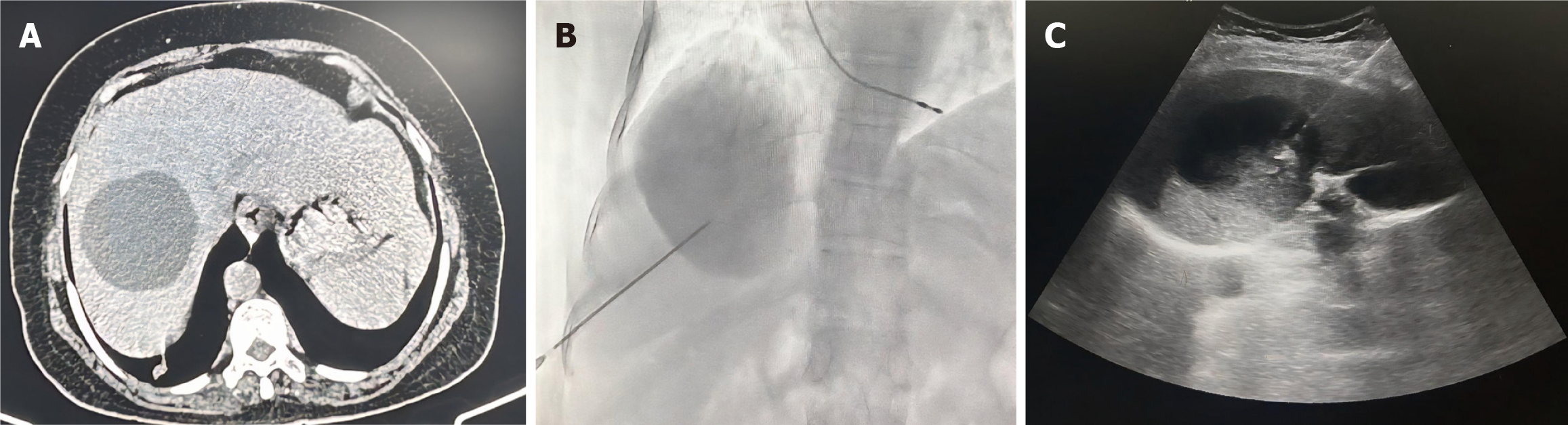
Figure 8 Örmeci technique.
A: Axial computed tomography image shows a hydatid cyst in the right lobe of the liver; B: Fluoroscopic spot image during Örmeci procedure: Contrast is injected through the puncture needle, which fills the cyst cavity with no opacification of biliary radicles, ruling out cysto-biliary communication; C: Ultrasound image depicting puncture needle in situ within the hydatid cyst.
- Citation: Agarwal D, Gadwal SK, Aswani Y, Das CJ. Role of interventional radiology in the management of hepatic hydatid disease. World J Radiol 2026; 18(4): 119319
- URL: https://www.wjgnet.com/1949-8470/full/v18/i4/119319.htm
- DOI: https://dx.doi.org/10.4329/wjr.v18.i4.119319