
















Copyright: ©Author(s) 2026.
World J Cardiol. Mar 26, 2026; 18(3): 116661
Published online Mar 26, 2026. doi: 10.4330/wjc.v18.i3.116661
Published online Mar 26, 2026. doi: 10.4330/wjc.v18.i3.116661
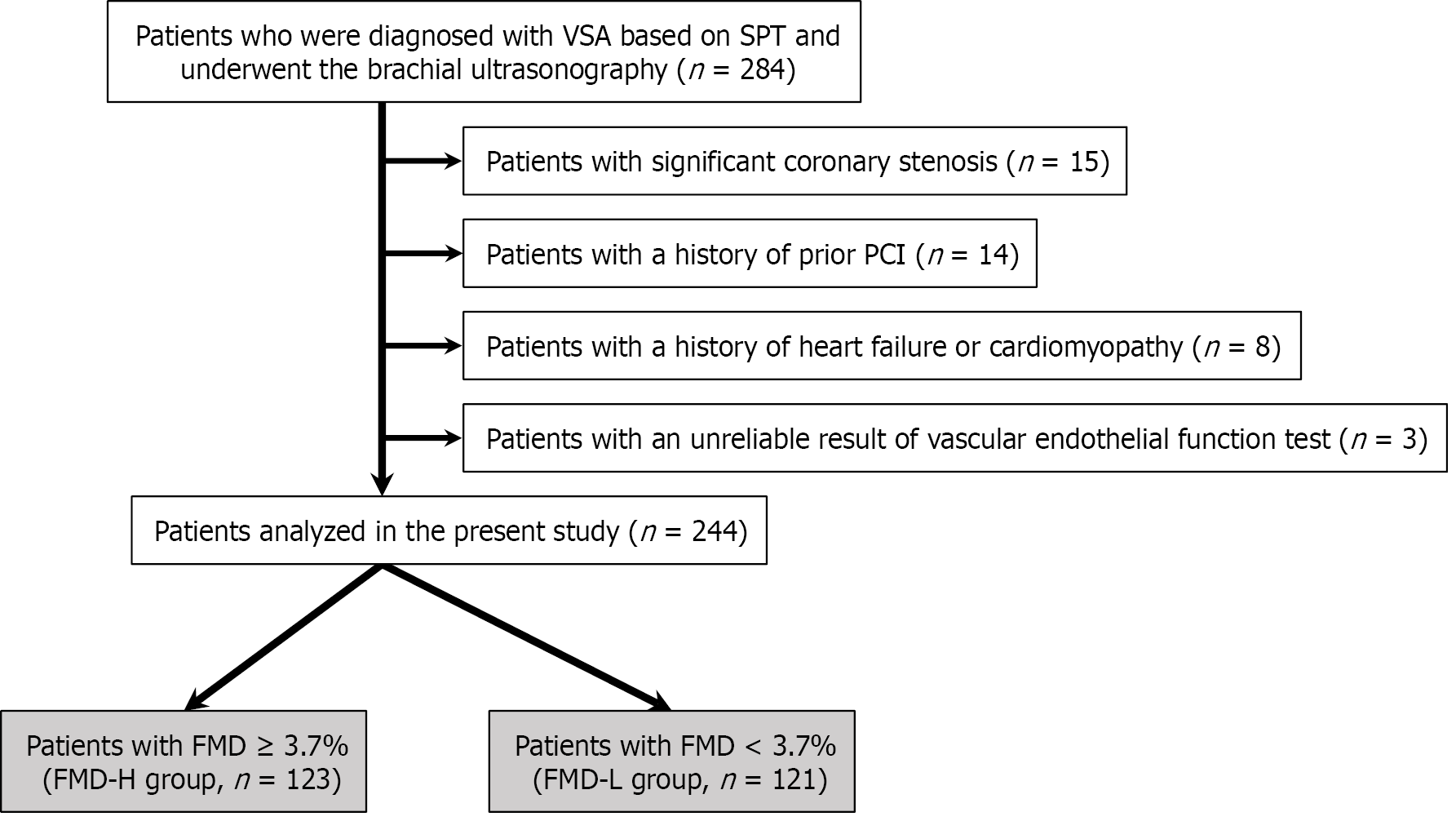
Figure 1 Flowchart of the present study.
VSA: Vasospastic angina; SPT: Spasm provocation test; PCI: Percutaneous coronary intervention; FMD: Flow-mediated dilation; FMD-H: High-flow-mediated dilation; FMD-L: Low-flow-mediated dilation.
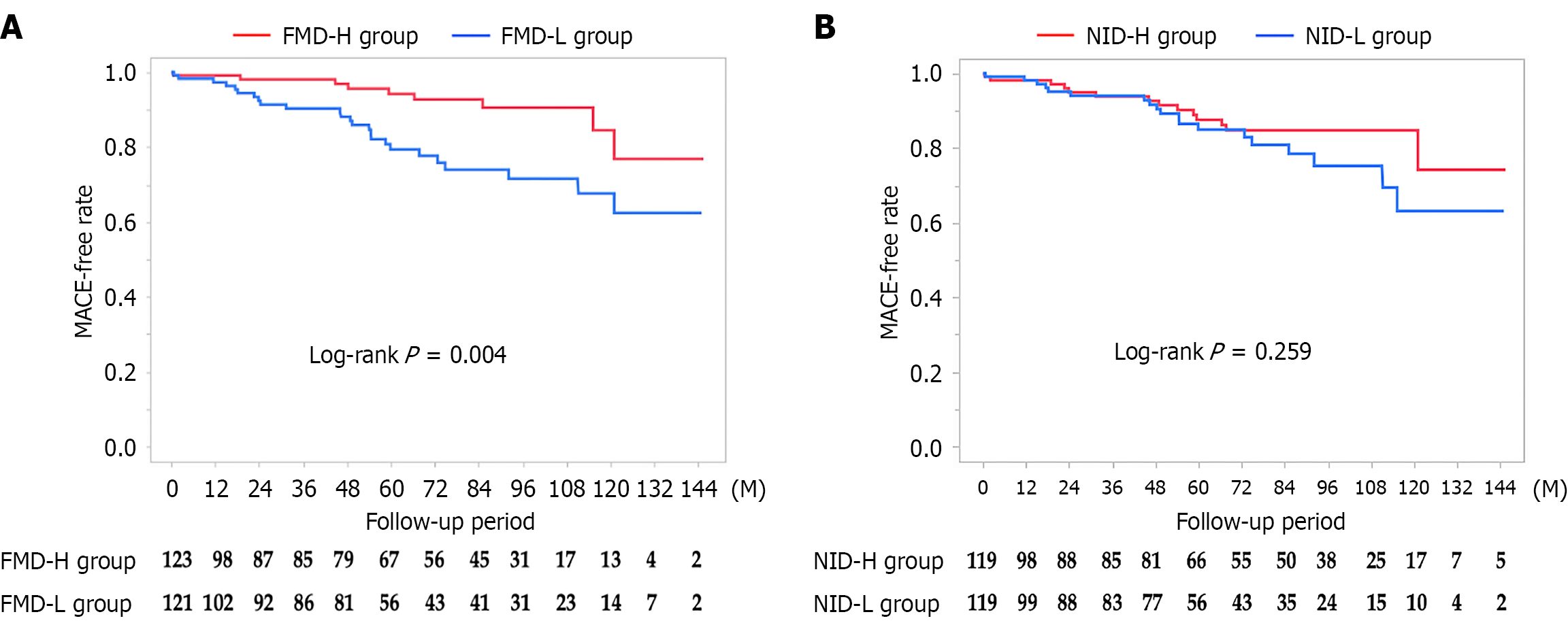
Figure 2 Kaplan-Meier curve for major adverse cardiovascular event-free survival during the follow-up period.
A: The high-flow-mediated dilation and low-flow-mediated dilation groups; B: The high-nitroglycerin-induced dilation and low-nitroglycerin-induced dilation groups. MACE: Major adverse cardiovascular event; FMD-H: High-flow-mediated dilation; FMD-L: Low-flow-mediated dilation; NID-H: High-nitroglycerin-induced dilation; NID-L: Low-nitroglycerin-induced dilation.
- Citation: Teragawa H, Hashimoto Y, Tsuchiya A, Nomura S. Prognostic significance of vascular endothelial dysfunction in patients with vasospastic angina. World J Cardiol 2026; 18(3): 116661
- URL: https://www.wjgnet.com/1949-8462/full/v18/i3/116661.htm
- DOI: https://dx.doi.org/10.4330/wjc.v18.i3.116661