
















©The Author(s) 2025.
World J Cardiol. Dec 26, 2025; 17(12): 112389
Published online Dec 26, 2025. doi: 10.4330/wjc.v17.i12.112389
Published online Dec 26, 2025. doi: 10.4330/wjc.v17.i12.112389
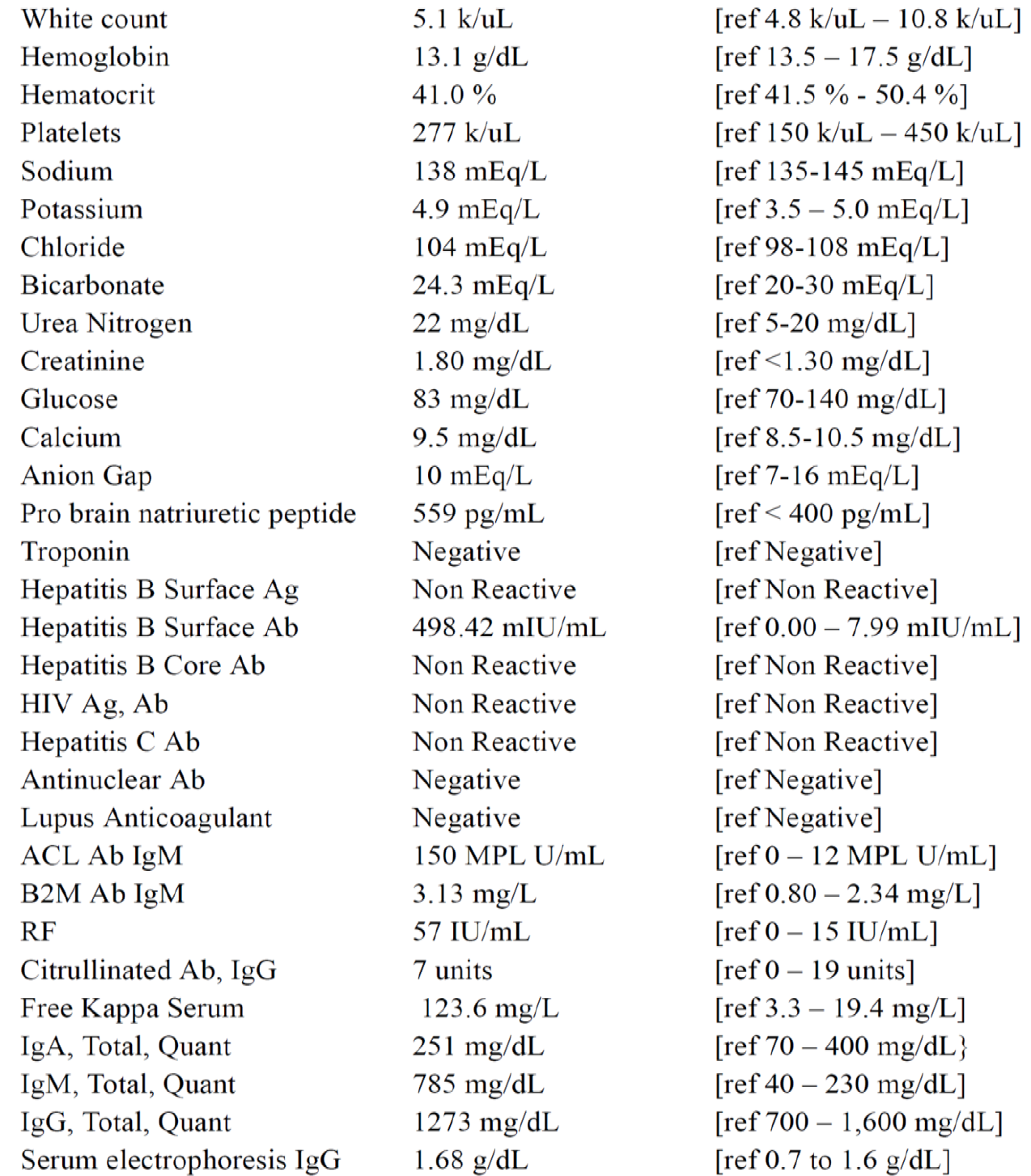
Figure 1 Laboratory testing.
Complete set of labs including blood cell count, complete metabolic profile, cardiac testing, infectious testing, and rheumatologic testing.
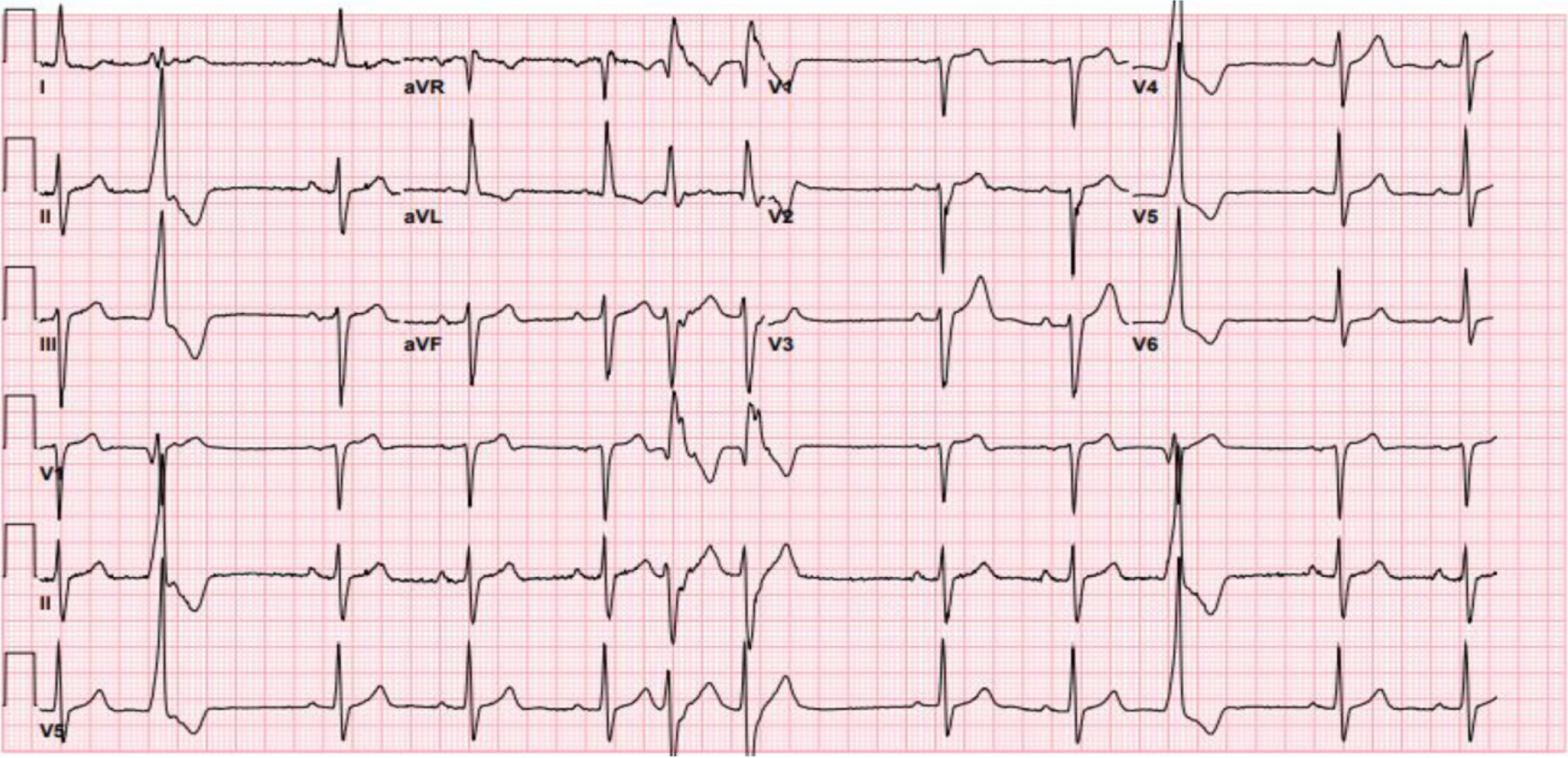
Figure 2 Admission electrocardiogram.
Normal sinus rhythm with frequent premature ventricular complexes. T wave repolarization changes in leads I and aVL.
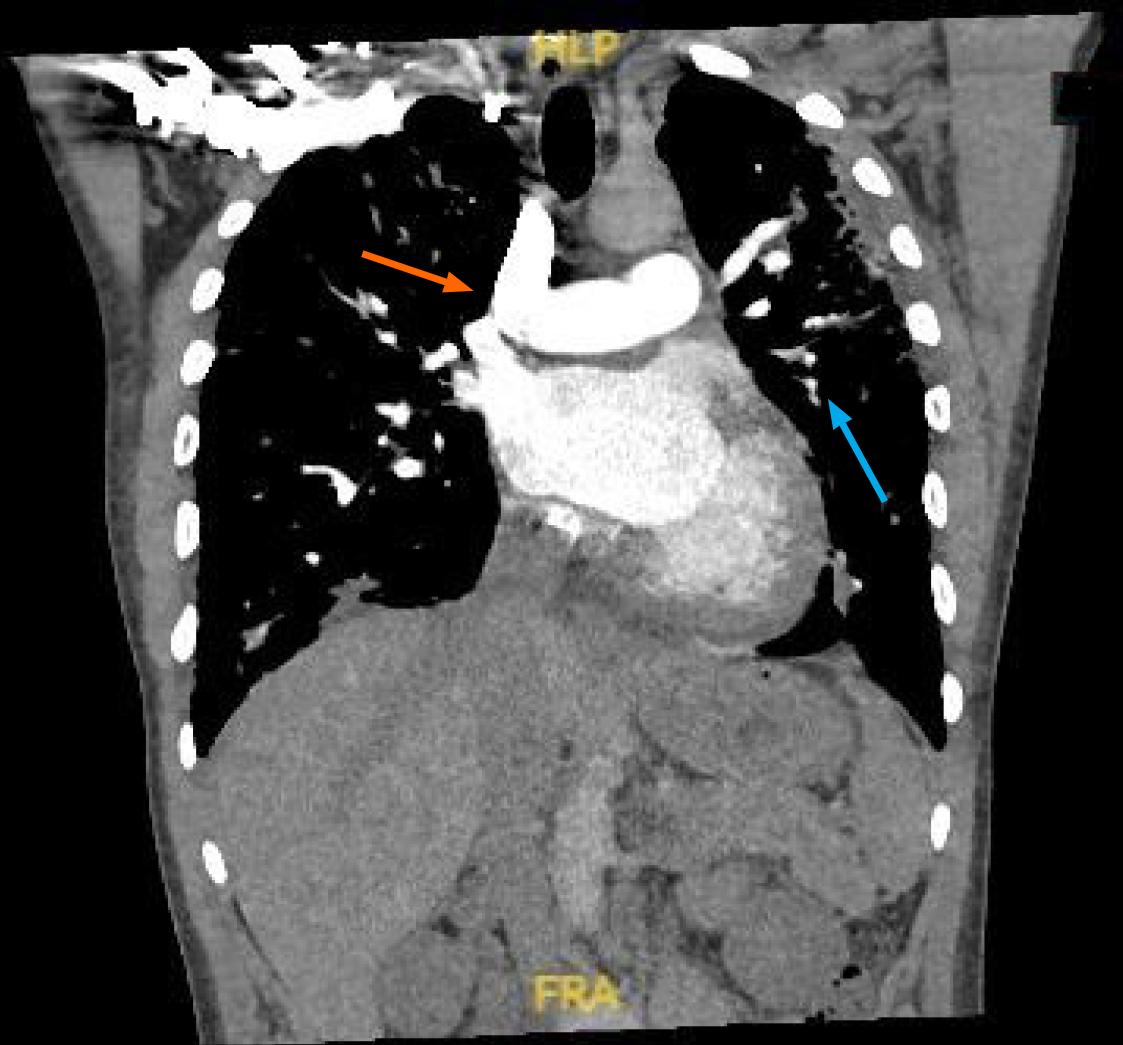
Figure 3 Admission chest computed tomography.
Note diffuse pulmonary nodules in all lung lobes and dilated main pulmonary trunk (blue arrow and orange arrow respectively).
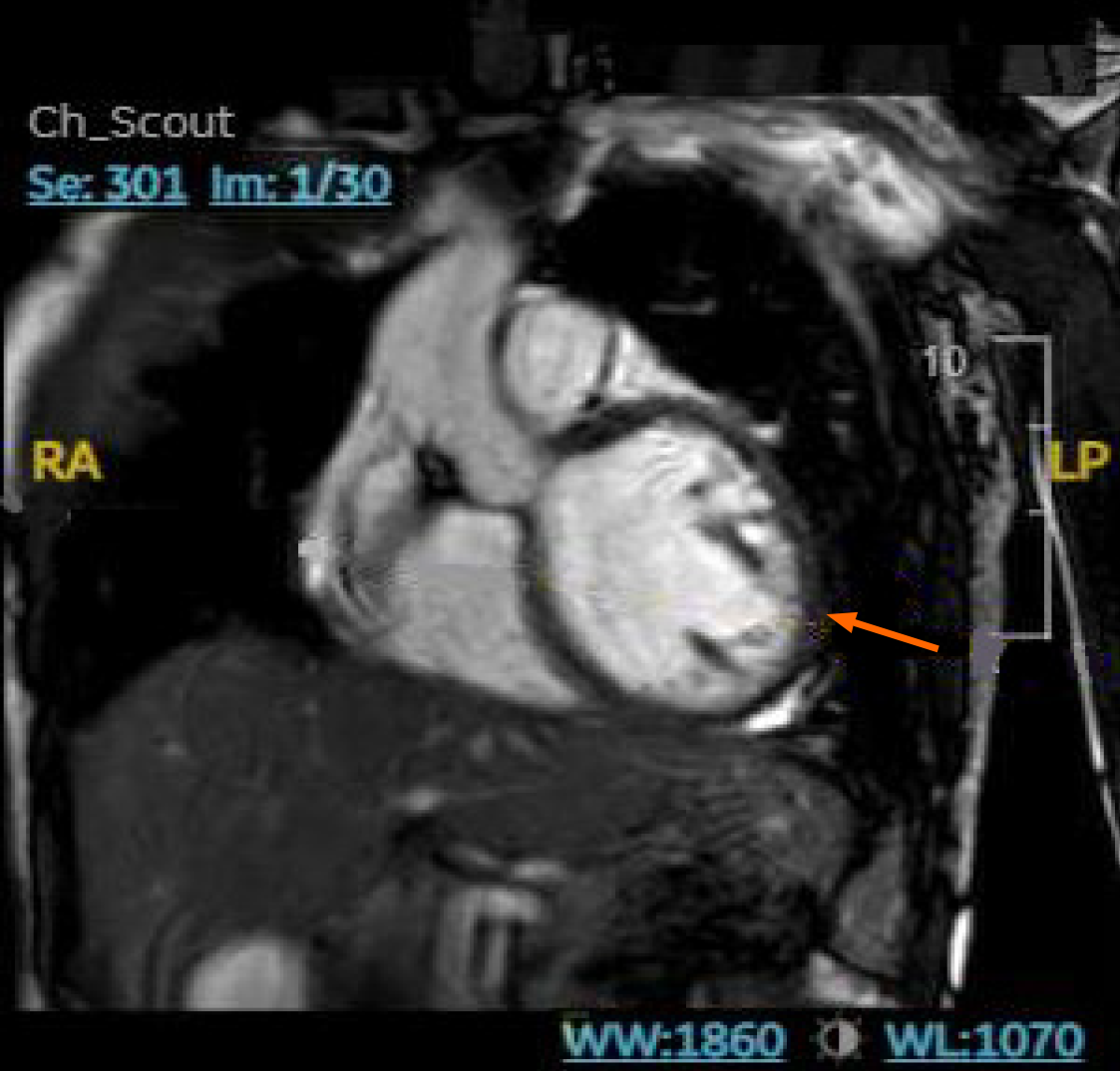
Figure 4 Admission cardiac magnetic resonance imaging.
Left ventricular (LV) dilation (arrows). Late gadolinium enhancement (LGE) in the basal to mid inferior segments of the LV and patchy mid-wall LGE in the basal inferolateral segment of the LV.
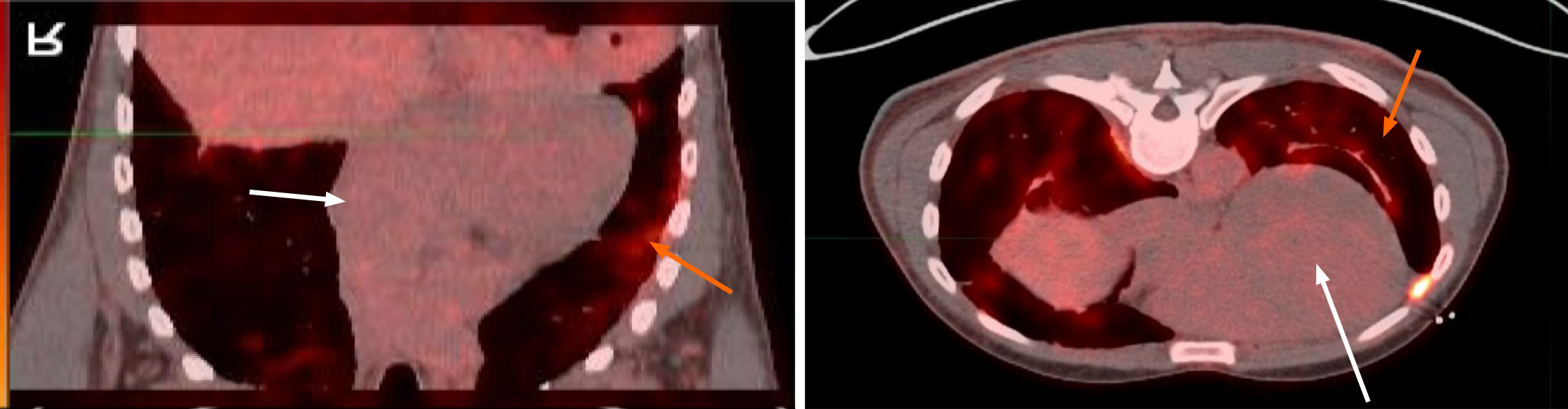
Figure 5 Positron emission tomography.
Scans of heart and lungs. Variation in inflammation is demonstrable by fluorodeoxyglucose uptake differences. Uptake + in lungs (orange arrow) and – in heart (white arrow).
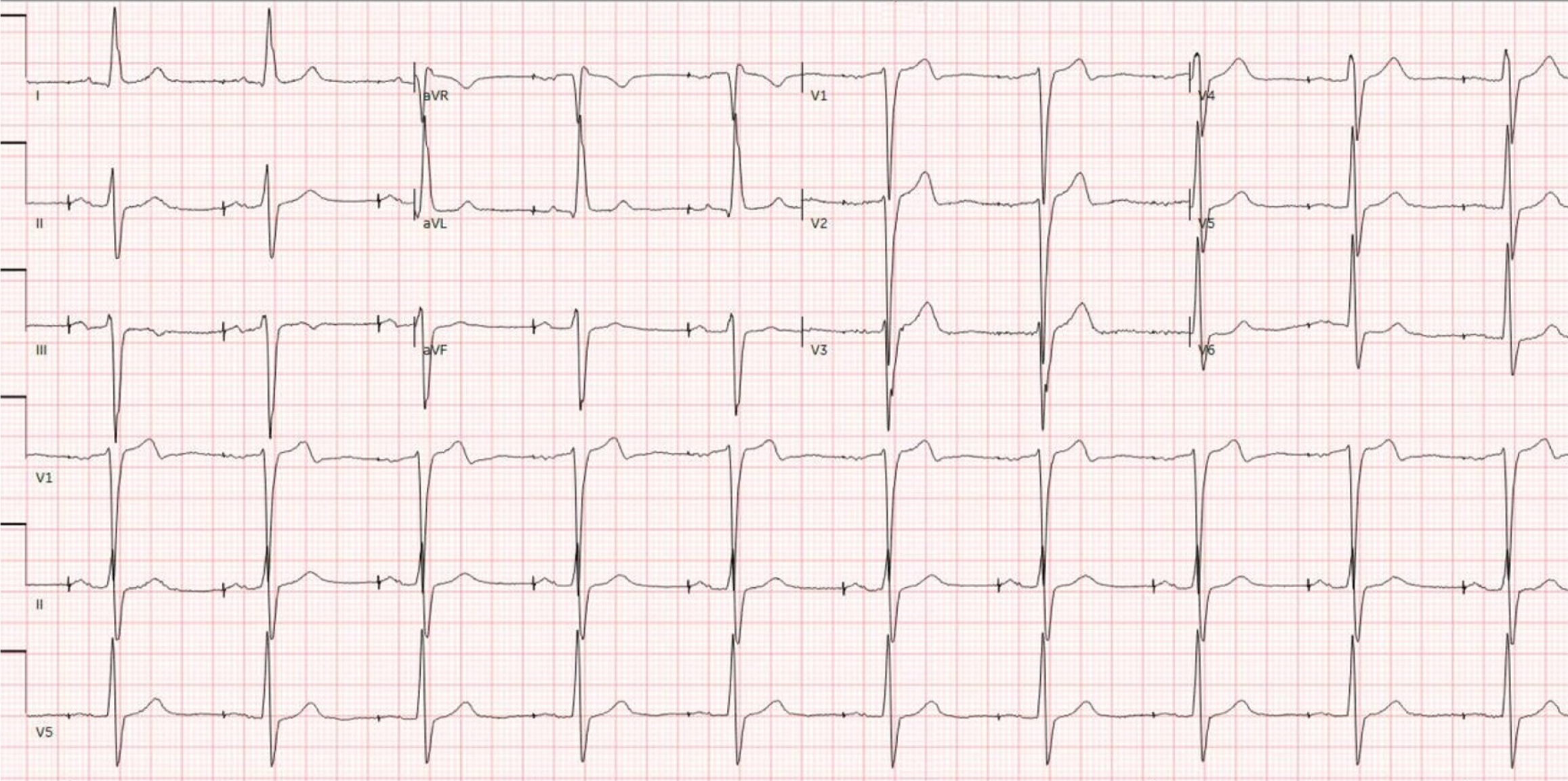
Figure 6 Follow up electrocardiogram.
Electrocardiogram at 1.5 year after admission demonstrates resolution of arrhythmias since initial admission.
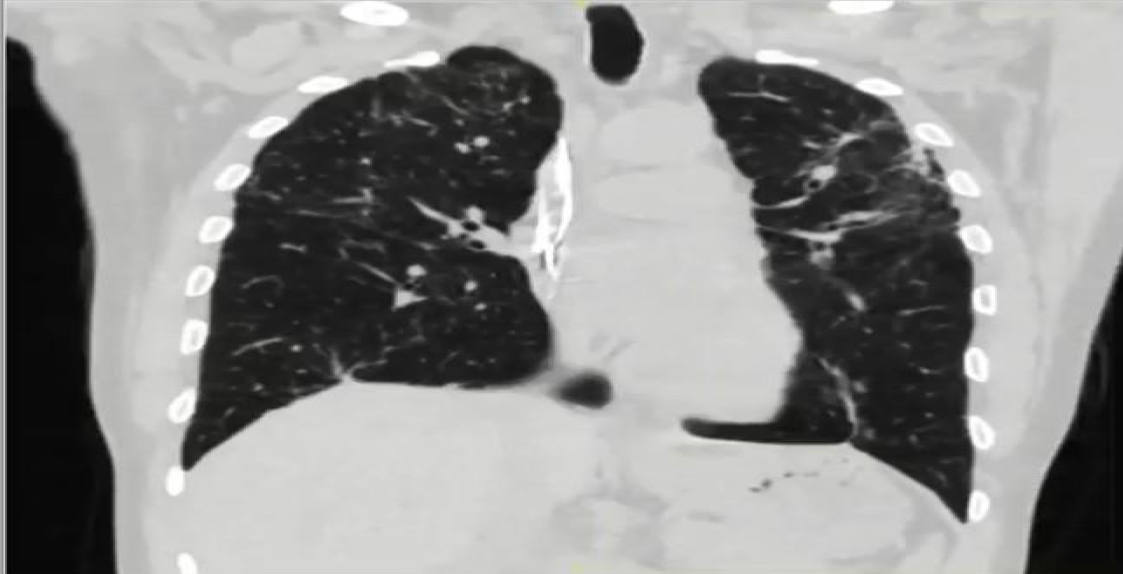
Figure 7 Follow up chest computed tomography.
Chest computed tomography at 1 year after admission shows pulmonary nodules are improved since initial admission.
- Citation: Khasnavis S, Sakul S, Novakovic M, Adinugraha P, Mehta D. Cardiac sarcoidosis with a twist - active and fibrotic sarcoid with antiphospholipid positivity: A case report. World J Cardiol 2025; 17(12): 112389
- URL: https://www.wjgnet.com/1949-8462/full/v17/i12/112389.htm
- DOI: https://dx.doi.org/10.4330/wjc.v17.i12.112389