
















©The Author(s) 2025.
World J Cardiol. Dec 26, 2025; 17(12): 112047
Published online Dec 26, 2025. doi: 10.4330/wjc.v17.i12.112047
Published online Dec 26, 2025. doi: 10.4330/wjc.v17.i12.112047
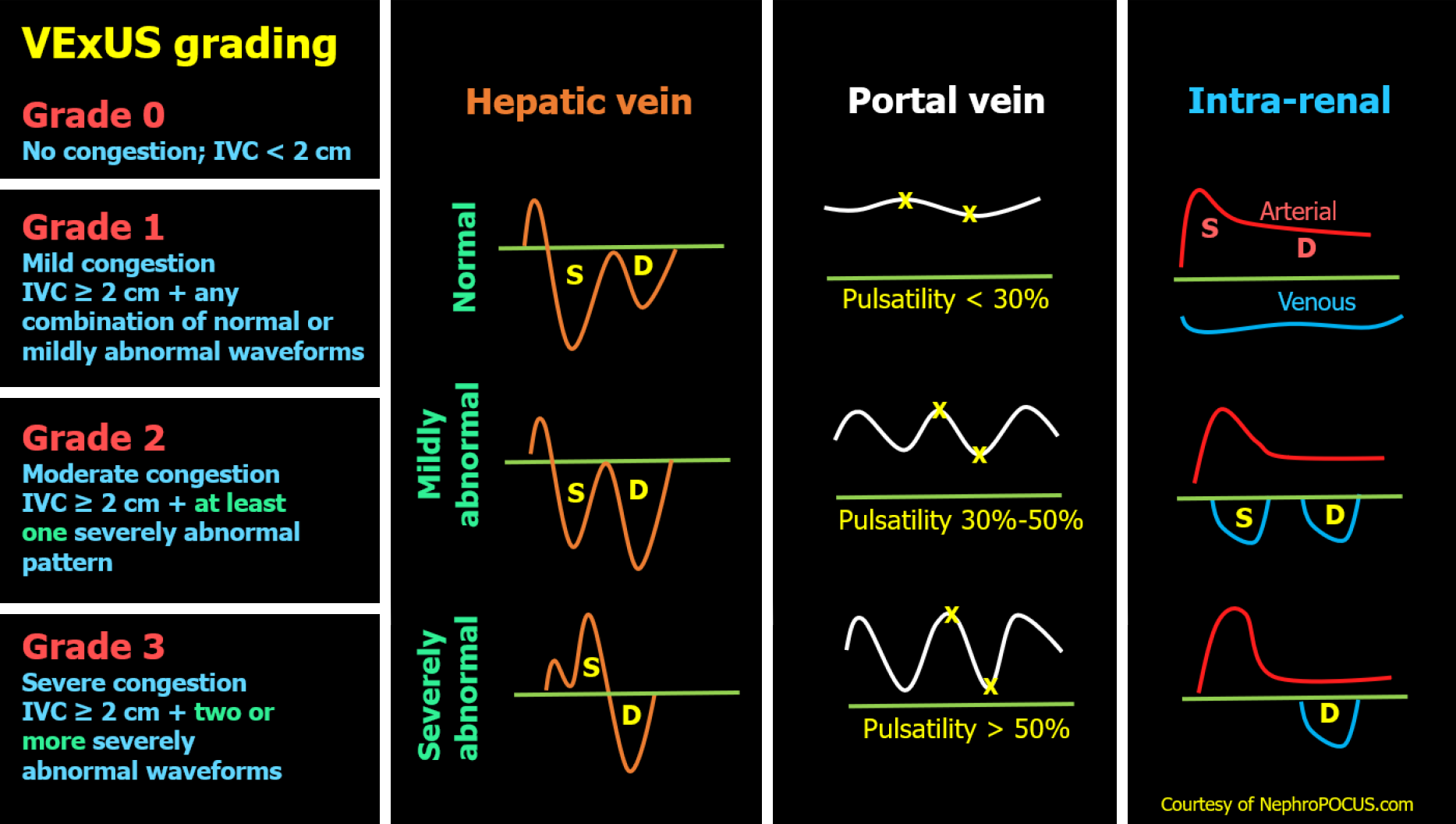
Figure 1 Venous excess ultrasound Grading System: When the inferior vena cava diameter exceeds 2 cm, further evaluation of the hepatic, portal, and intrarenal venous Doppler waveforms is recommended.
Abnormalities in these waveforms correlate with the degree of venous congestion. Hepatic vein Doppler is classified as mildly abnormal when the S wave is smaller than the D wave but remains below the baseline, and as severely abnormal when the S wave is reversed. Portal vein Doppler is mildly abnormal with 30%-50% pulsatility and severely abnormal when pulsatility is 50% or greater. Intrarenal vein Doppler is mildly abnormal when pulsatile with distinct S and D components, and severely abnormal when monophasic with a continuous D-only pattern. This figure was adapted from NephroPOCUS.com with permission. The corresponding author, Dr. Abhilash Koratala, is the website owner and copyright holder. Available from: https://nephropocus.com/2021/10/05/vexus-flash-cards/.
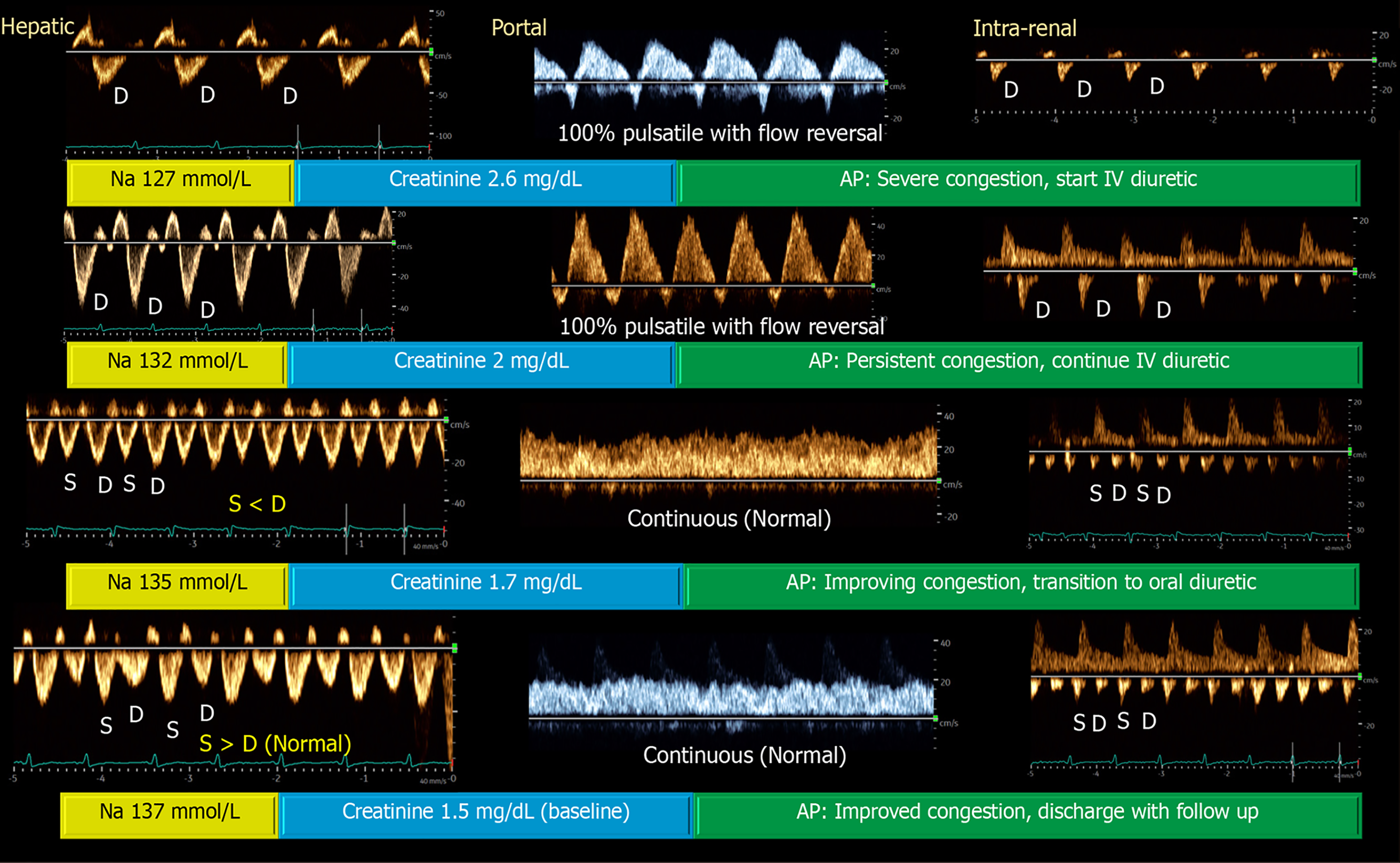
Figure 2 Venous excess ultrasound waveforms illustrate a case of acute kidney injury and hyponatremia, where serial assessment of venous Doppler patterns during daily clinical exams demonstrated progressive improvement with diuretic therapy[22].
Notably, the patient had no pedal edema or visible jugular venous distention and was initially presumed to be hypovolemic. However, point-of-care ultrasound revealed elevated right atrial pressure and severe venous congestion. The patient had heart failure with reduced ejection fraction and a chronically dilated inferior vena cava (IVC), making reliance on IVC diameter alone inadequate for follow-up evaluation. Citation: Koratala A, Ronco C, Kazory A. Multi-Organ Point-Of-Care Ultrasound in Acute Kidney Injury. Blood Purif 2022; 51: 967-971. Copyright© S. Karger AG, Basel 2022. Published by S. Karger AG, Basel. The authors have obtained the permission for figure using from the Springer Nature Publishing Group (Supplementary material).
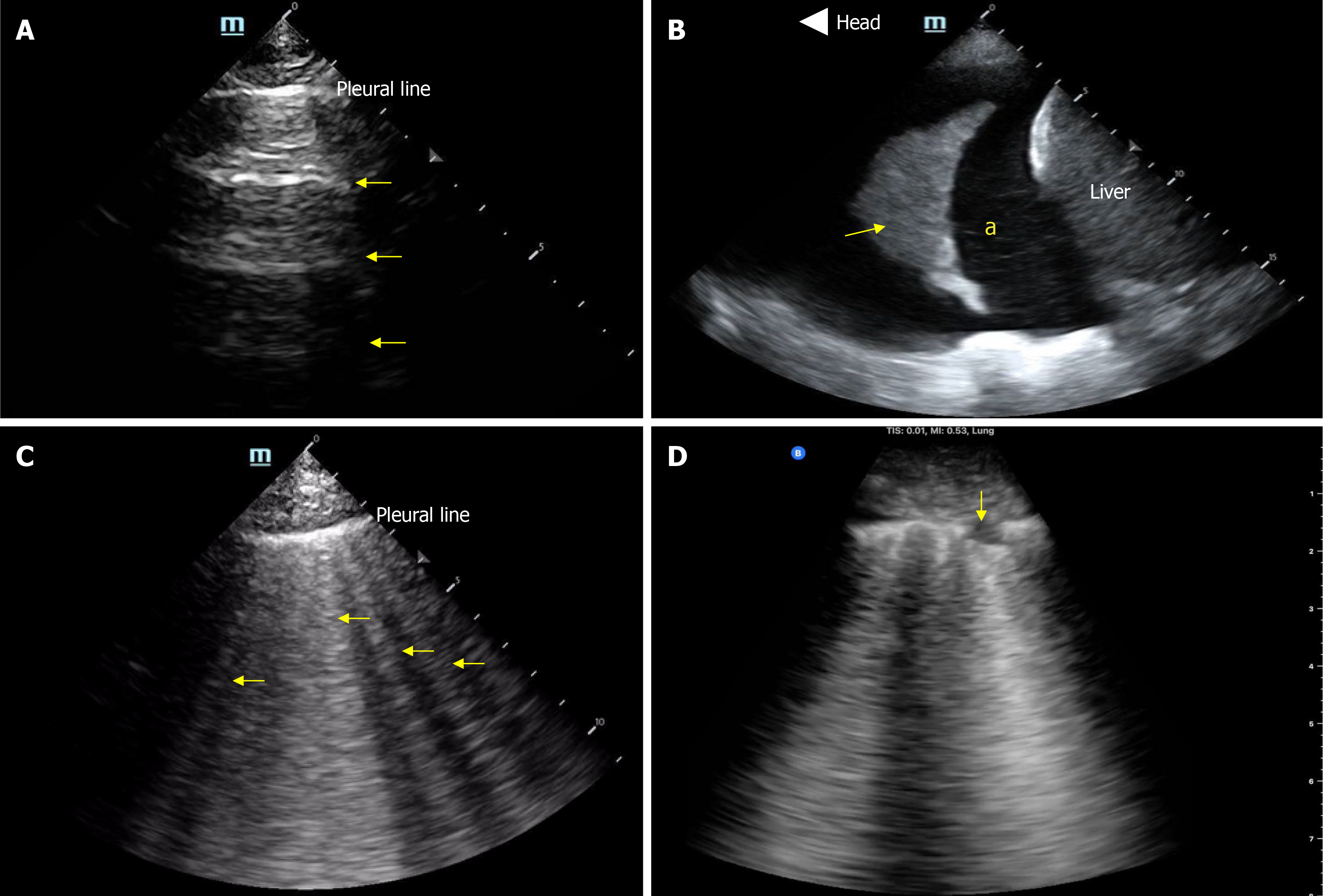
Figure 3 Basic lung ultrasound findings.
A: Normal lung with horizontal hyperechoic artifacts known as A-lines; B: Pleural effusion (asterisk) appearing as an anechoic area above the liver; the arrow points to atelectatic lung; C: Vertical hyperechoic artifacts called B-lines emerging from the pleural line, indicative of interstitial thickening typically due to fluid accumulation; D: Interstitial pneumonia, characterized by confluent B-lines and an irregular pleural line, with the arrow indicating a subpleural consolidation. Citation: Diniz H, Ferreira F, Koratala A. Point-of-care ultrasonography in nephrology: Growing applications, misconceptions and future outlook. World J Nephrol 2025; 25: 14: 105374. Copyright© The Author(s) 2025. Published by Baishideng Publishing Group Inc[29].
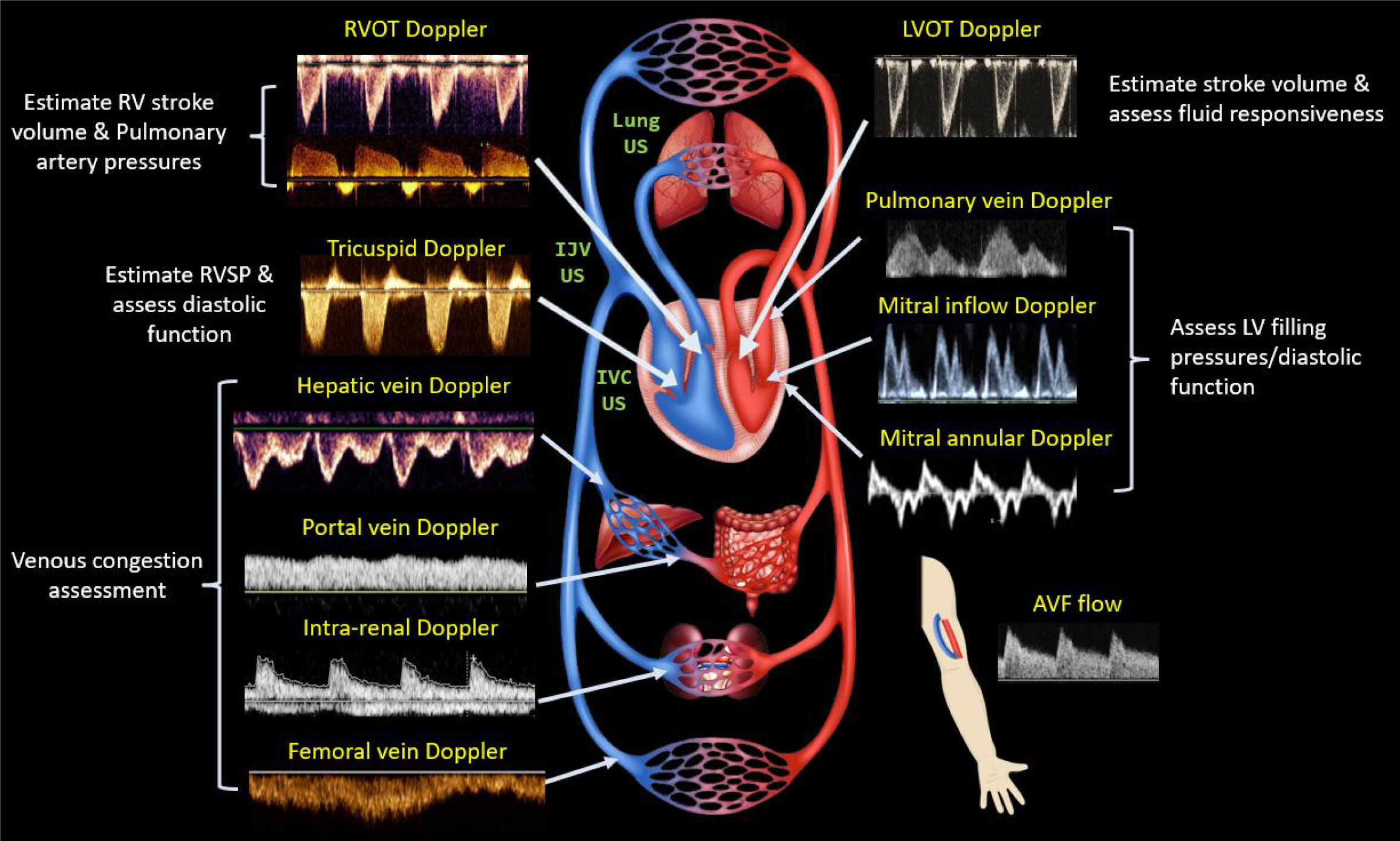
Figure 4 Visual representation of Doppler-based assessment across multiple components of the hemodynamic circuit.
Figure reused with permission from NephroPOCUS.com. The corresponding author, Dr. Abhilash Koratala, is the website owner and copyright holder. Available from: https://nephropocus.com/2020/01/06/is-there-a-model-curriculum-for-nephrology-pocus-program/.

Figure 5 From guesswork to shared insight.
This illustration contrasts outdated, guesswork-based decision-making with a modern, physiology-driven approach fostering collaboration and patient-centered care.
- Citation: Chandra NC, Bhattacharya D, Koratala A. Point-of-care ultrasound: Uniting cardiology and nephrology at the bedside. World J Cardiol 2025; 17(12): 112047
- URL: https://www.wjgnet.com/1949-8462/full/v17/i12/112047.htm
- DOI: https://dx.doi.org/10.4330/wjc.v17.i12.112047