
















©The Author(s) 2025.
World J Biol Chem. Dec 5, 2025; 16(4): 111156
Published online Dec 5, 2025. doi: 10.4331/wjbc.v16.i4.111156
Published online Dec 5, 2025. doi: 10.4331/wjbc.v16.i4.111156

Figure 1 PRISMA flow diagram.
Diagram illustrating the selection process for the included studies based on PRISMA 2020 guidelines.
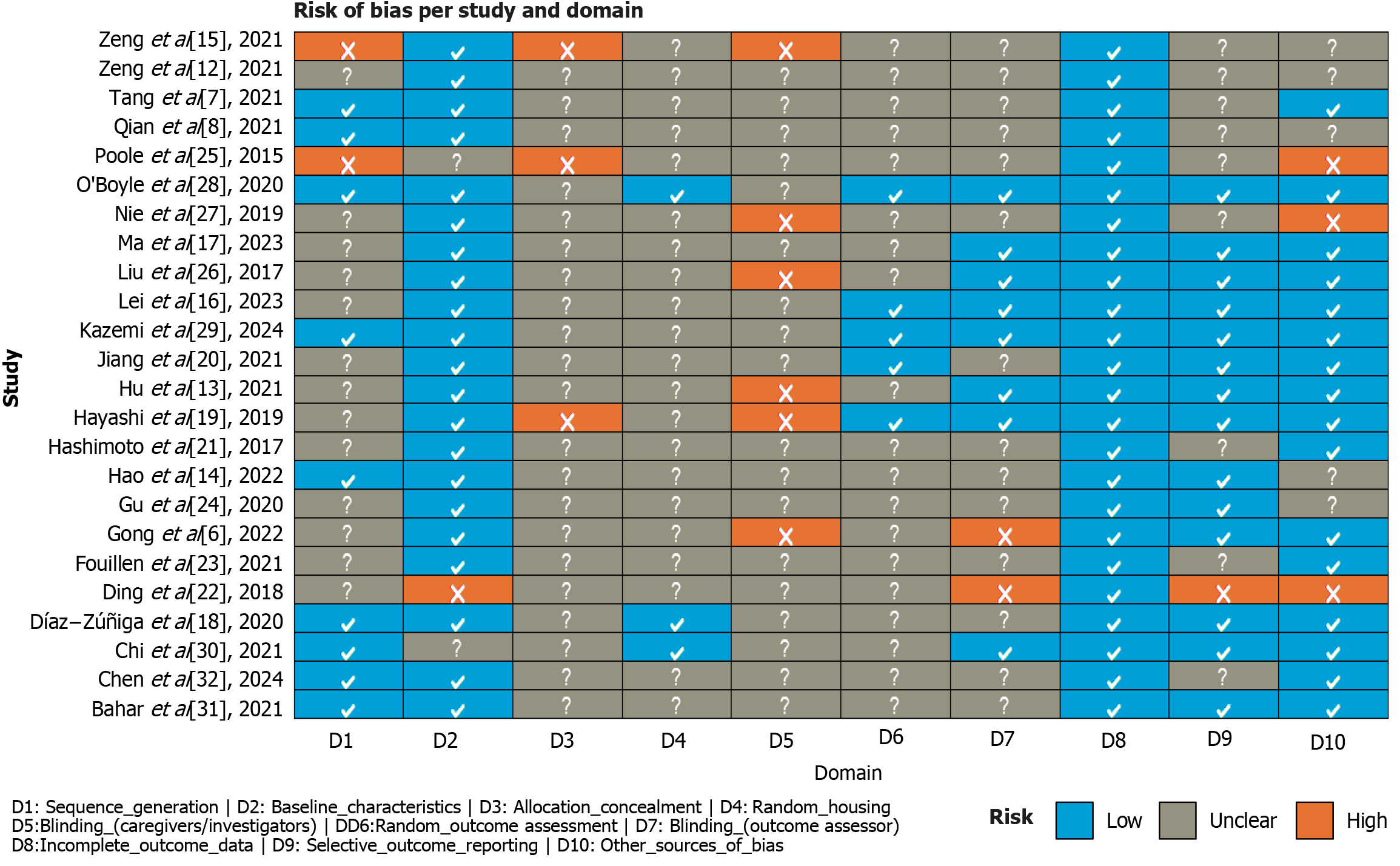
Figure 2 Risk of bias assessment using the SYRCLE tool.
Visualization of the individual domains of the SYRCLE risk of bias tool as applied to each included animal study.
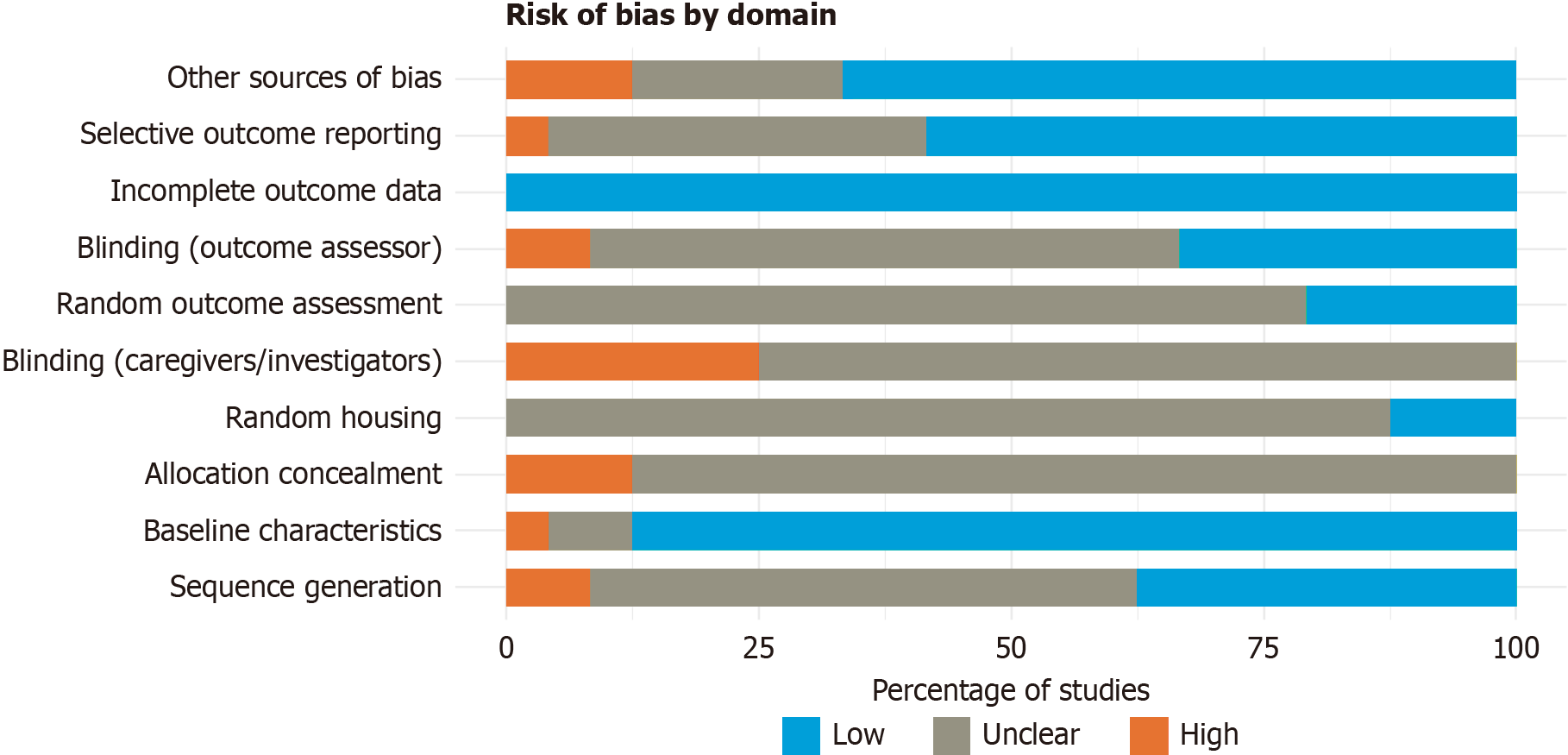
Figure 3 Percentage of risk of bias.
Bar graph summarizing the distribution of risk of bias (low, high, unclear) across all assessed studies by domain.
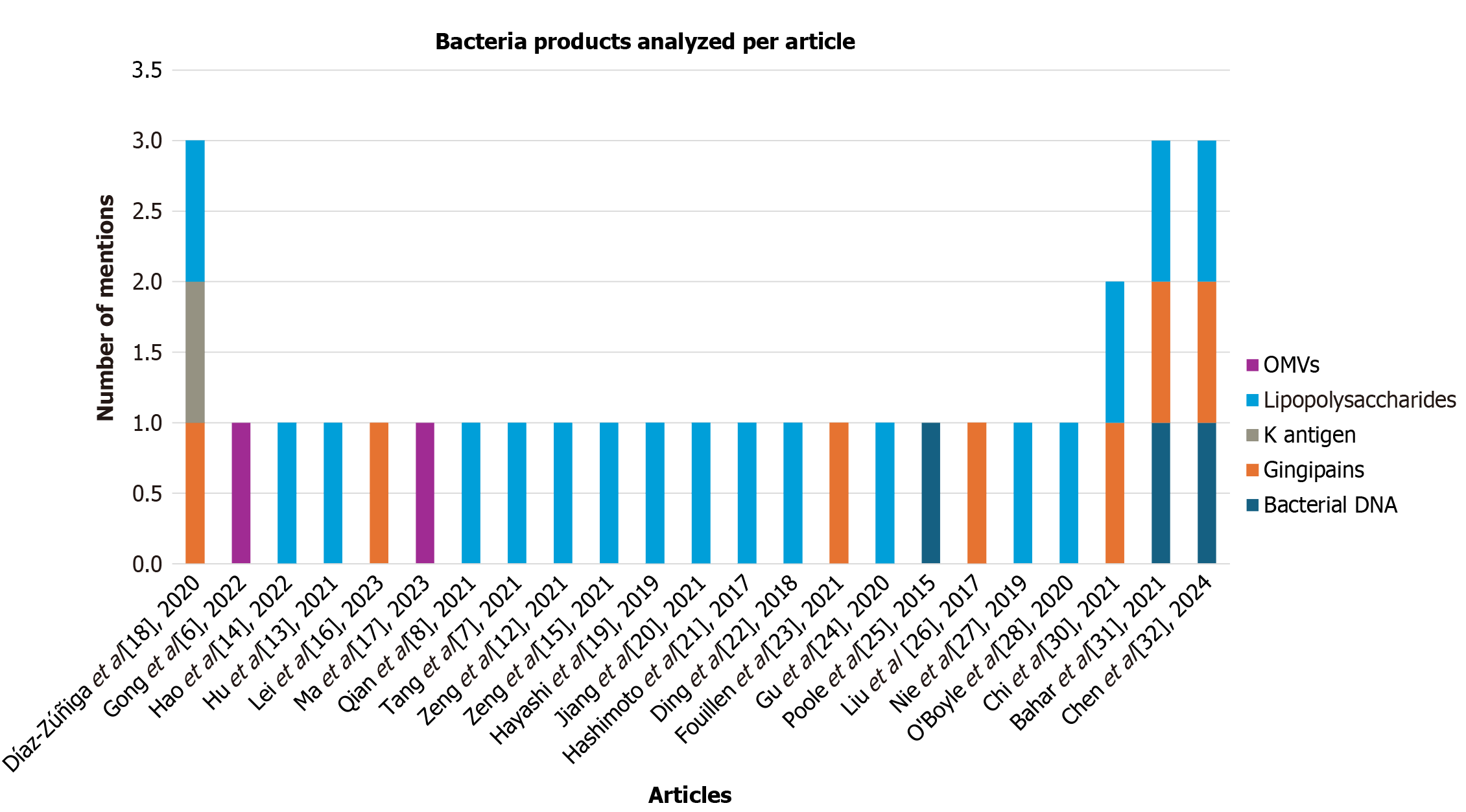
Figure 4 Bacterial products analyzed per article.
Number of bacterial products (e.g., lipopolysaccharides, gingipains) investigated in each of the 24 studies included in the systematic review. OMV: Outer membrane vesicle.
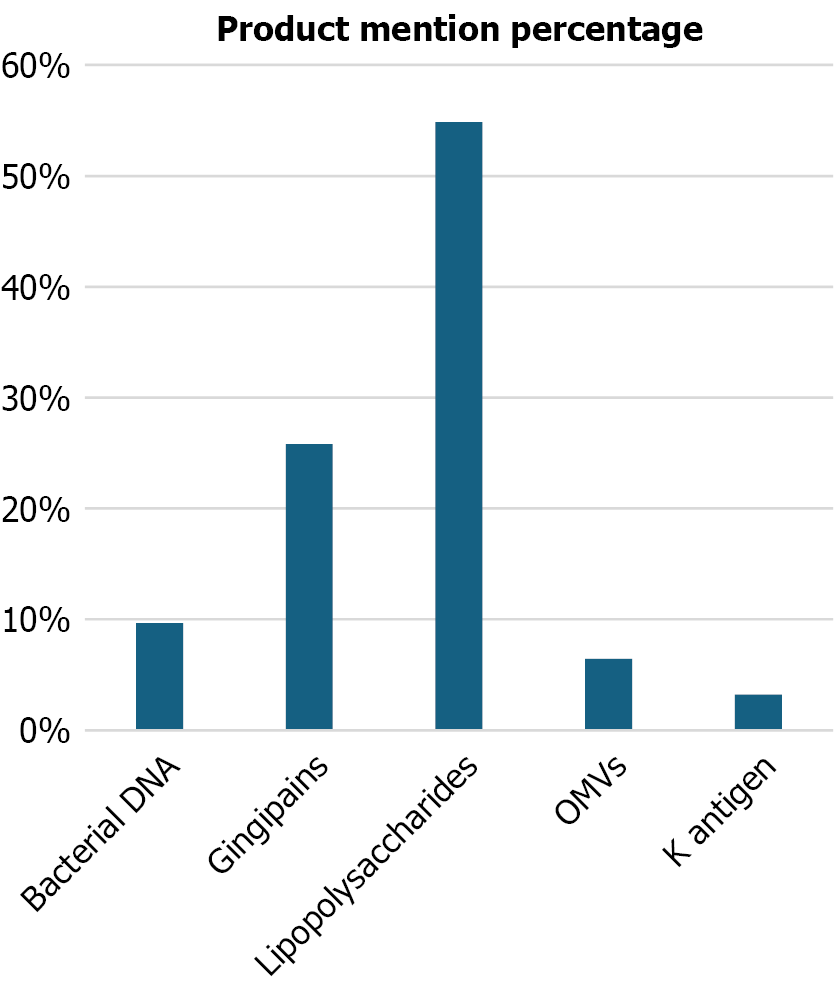
Figure 5 Percentage of mention of bacterial products.
Pie chart showing the frequency of specific Porphyromonas gingivalis products (e.g., Lipopol
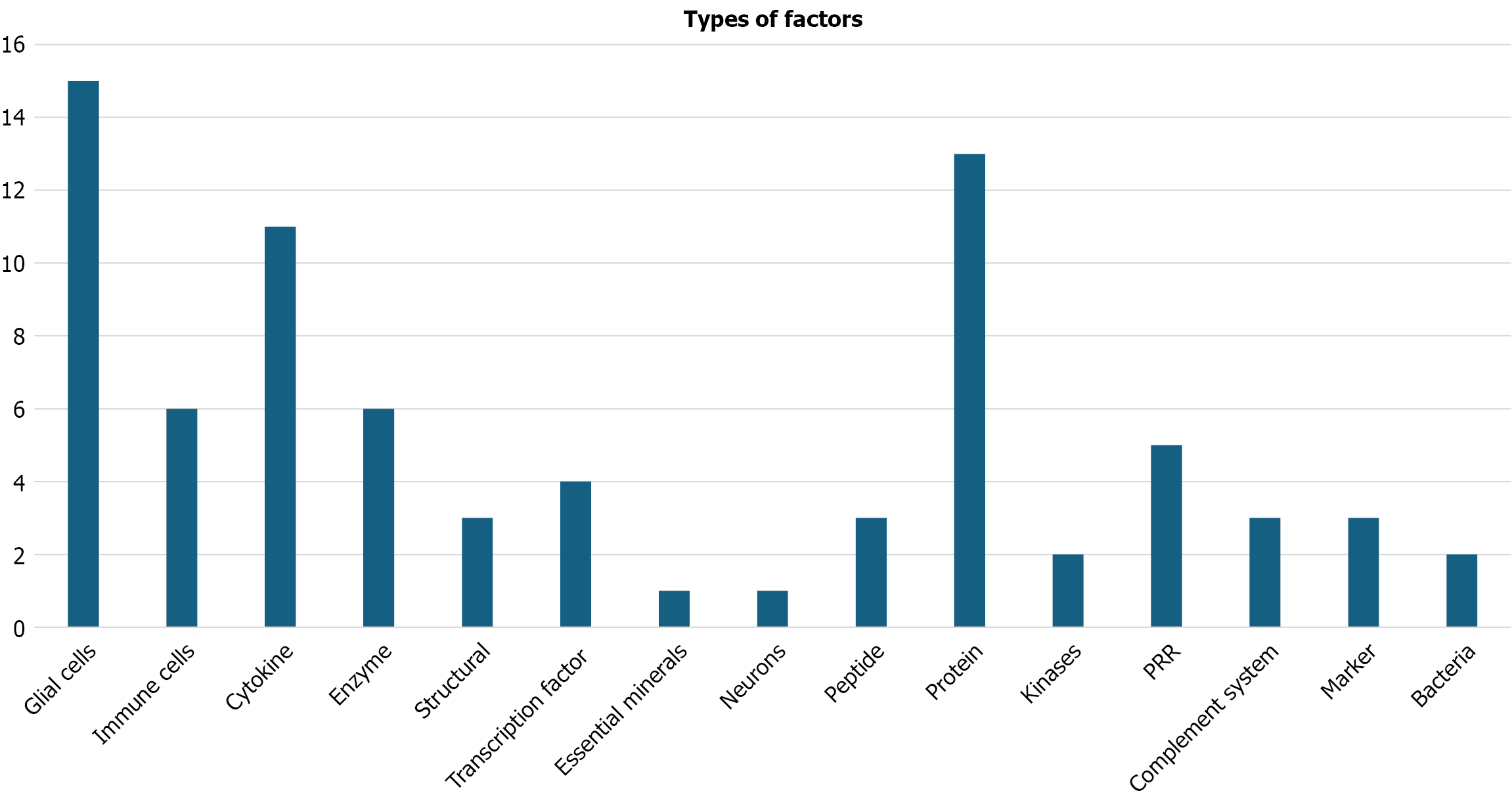
Figure 6 Types of host factors associated with Porphyromonas gingivalis infection.
Distribution of activated host factors (e.g., glial cells, proteins, cytokines) reported in murine models of Alzheimer’s disease after Porphyromonas gingivalis exposure.
- Citation: Ochoa KL, Heredia AG, Piedra CC, Arias RJ, Ortiz BJ, Dominguez-Gortaire JA. Association between Alzheimer's disease and Porphyromonas gingivalis products in murine models: A systematic review. World J Biol Chem 2025; 16(4): 111156
- URL: https://www.wjgnet.com/1949-8454/full/v16/i4/111156.htm
- DOI: https://dx.doi.org/10.4331/wjbc.v16.i4.111156