
















Copyright: ©Author(s) 2026.
World J Gastrointest Surg. Apr 27, 2026; 18(4): 116371
Published online Apr 27, 2026. doi: 10.4240/wjgs.v18.i4.116371
Published online Apr 27, 2026. doi: 10.4240/wjgs.v18.i4.116371
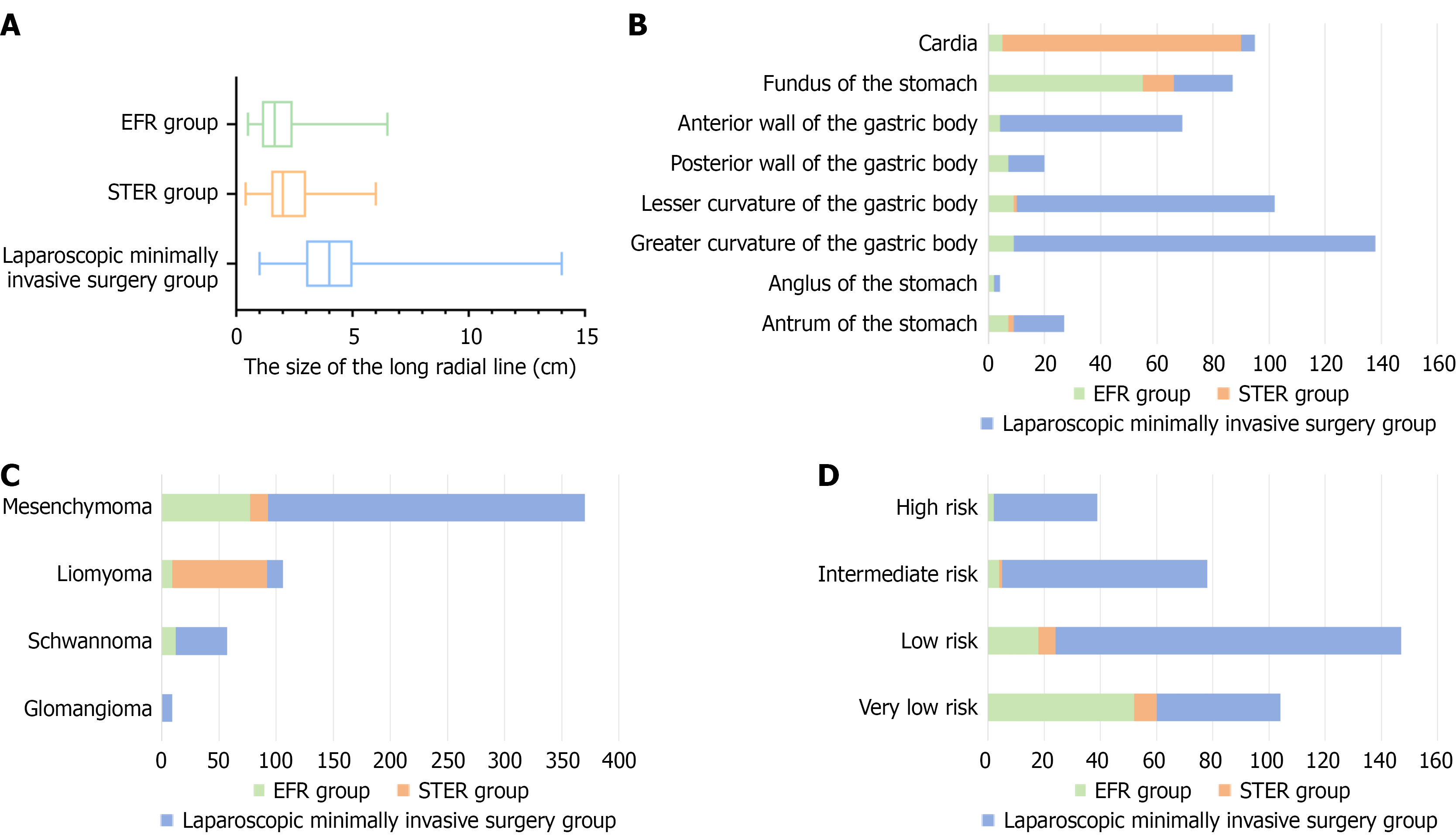
Figure 1 Characteristics of extraluminal-growing gastric tumors originating from the muscularis propria layer.
A: Long-axis diameter size; B: Location; C: Pathological types; D: National Institutes of Health risk category of gastrointestinal stromal tumor. EFR: Endoscopic full-thickness resection; STER: Submucosal tunneling endoscopic resection.
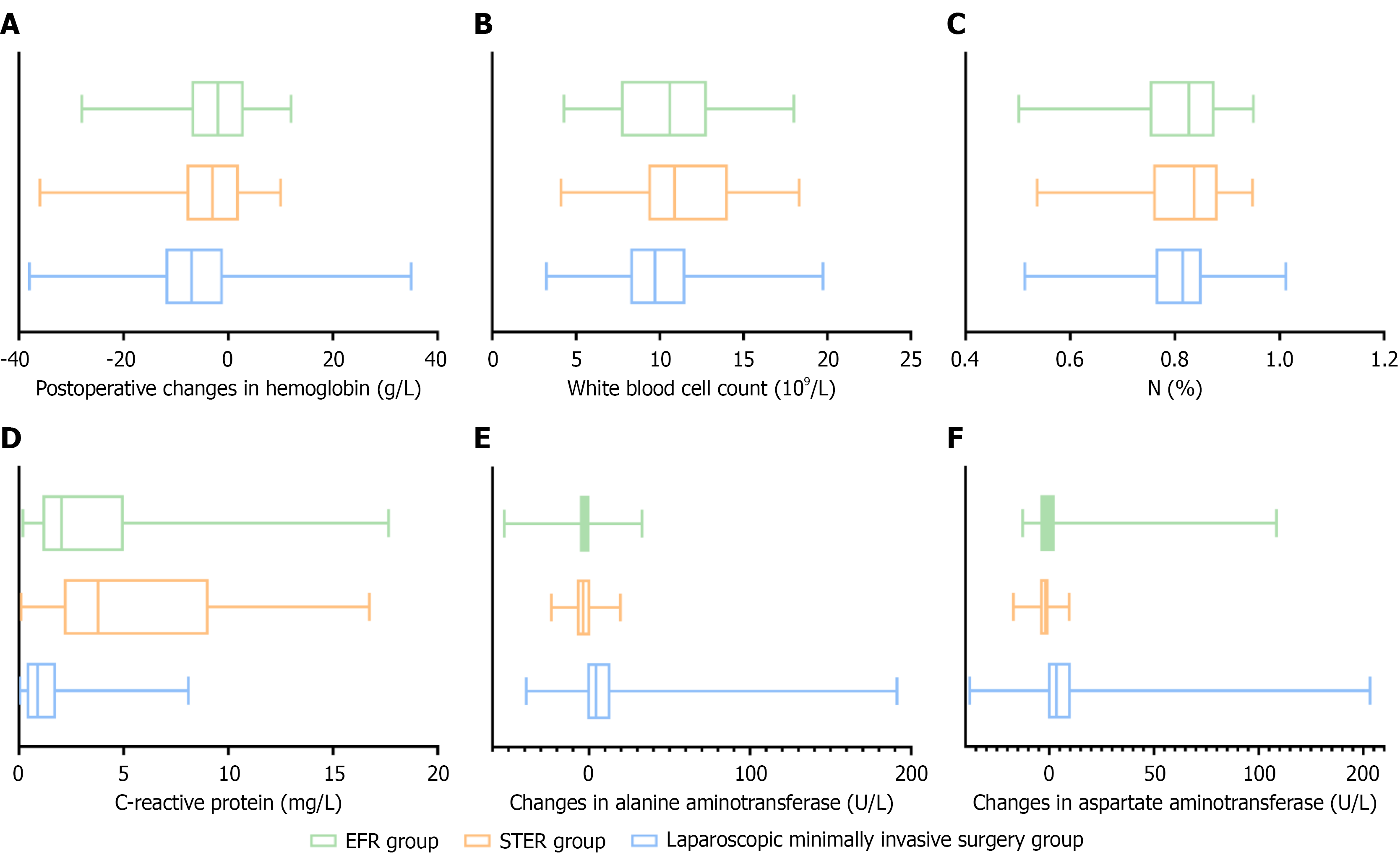
Figure 2 Comparative analysis of postoperative laboratory tests.
A: Change in hemoglobin levels from preoperative values; B: Postoperative white blood cell level; C: Postoperative neutrophil level; D: Postoperative C-reactive protein level; E: Change in alanine aminotransferase levels from preoperative values; F: Change in aspartate aminotransferase levels from preoperative values. EFR: Endoscopic full-thickness resection; STER: Submucosal tunneling endoscopic resection.
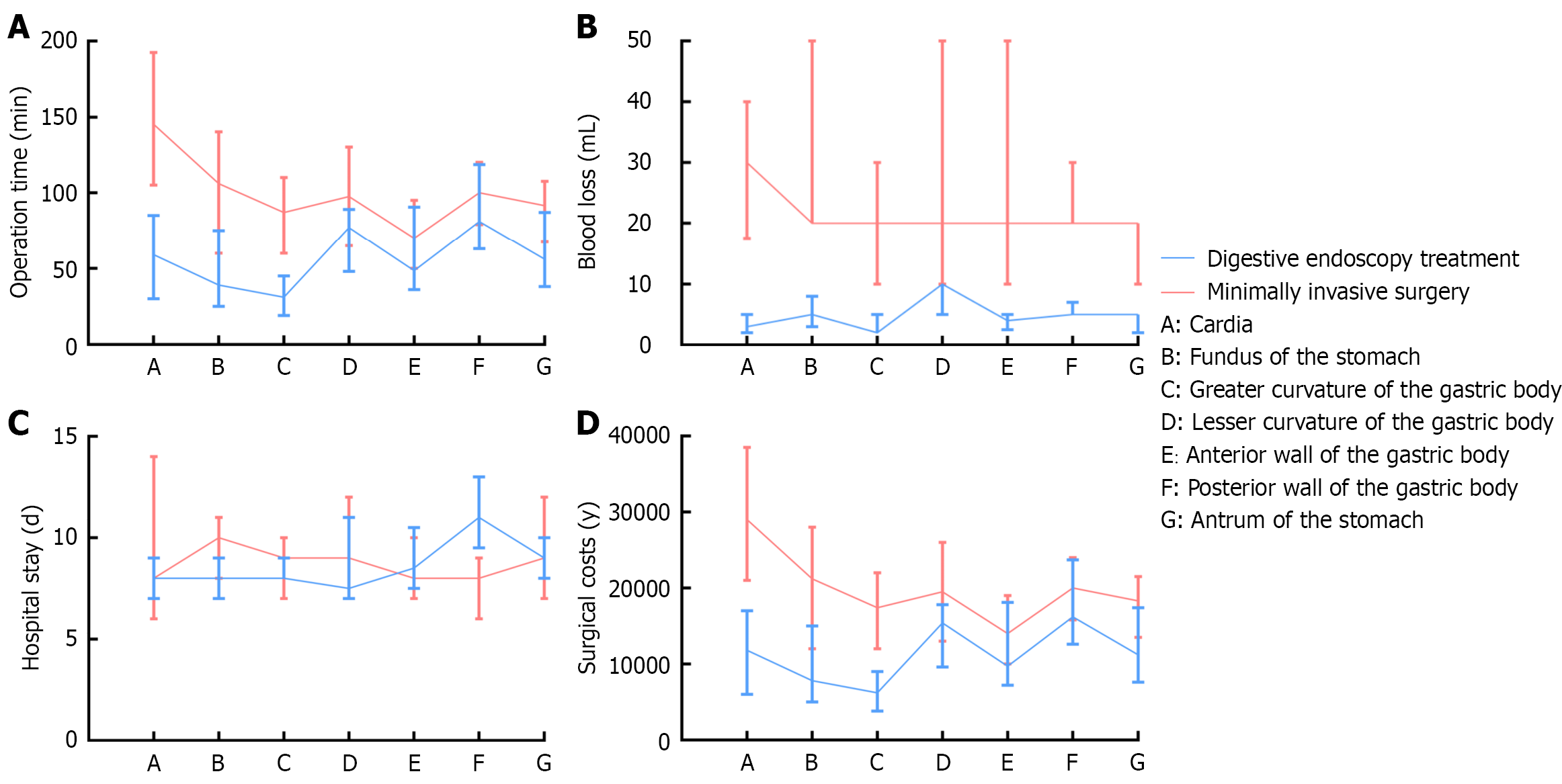
Figure 3 Comparative analysis of surgical and health economics indicators for extraluminal-growing gastric tumors originating from the muscularis propria layer at different locations.
A: Operative time; B: Blood loss; C: Hospital stay; D: Surgical cost.
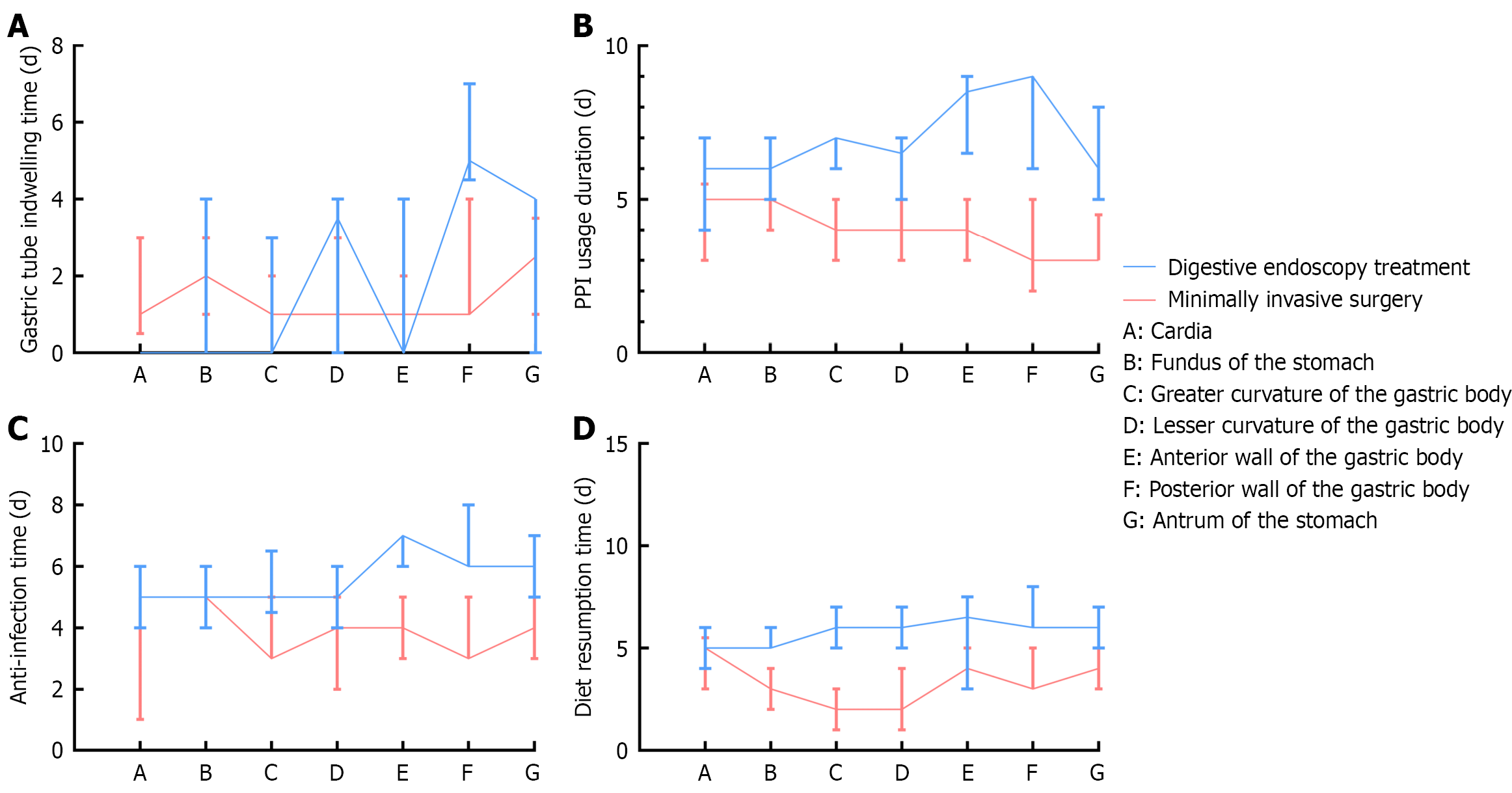
Figure 4 Comparative analysis of postoperative medical management for extraluminal-growing gastric tumors originating from the muscularis propria layer at different locations.
A: Duration of nasogastric tube placement; B: Duration of proton pump inhibitor use; C: Duration of antimicrobial therapy; D: Time to resume oral intake.
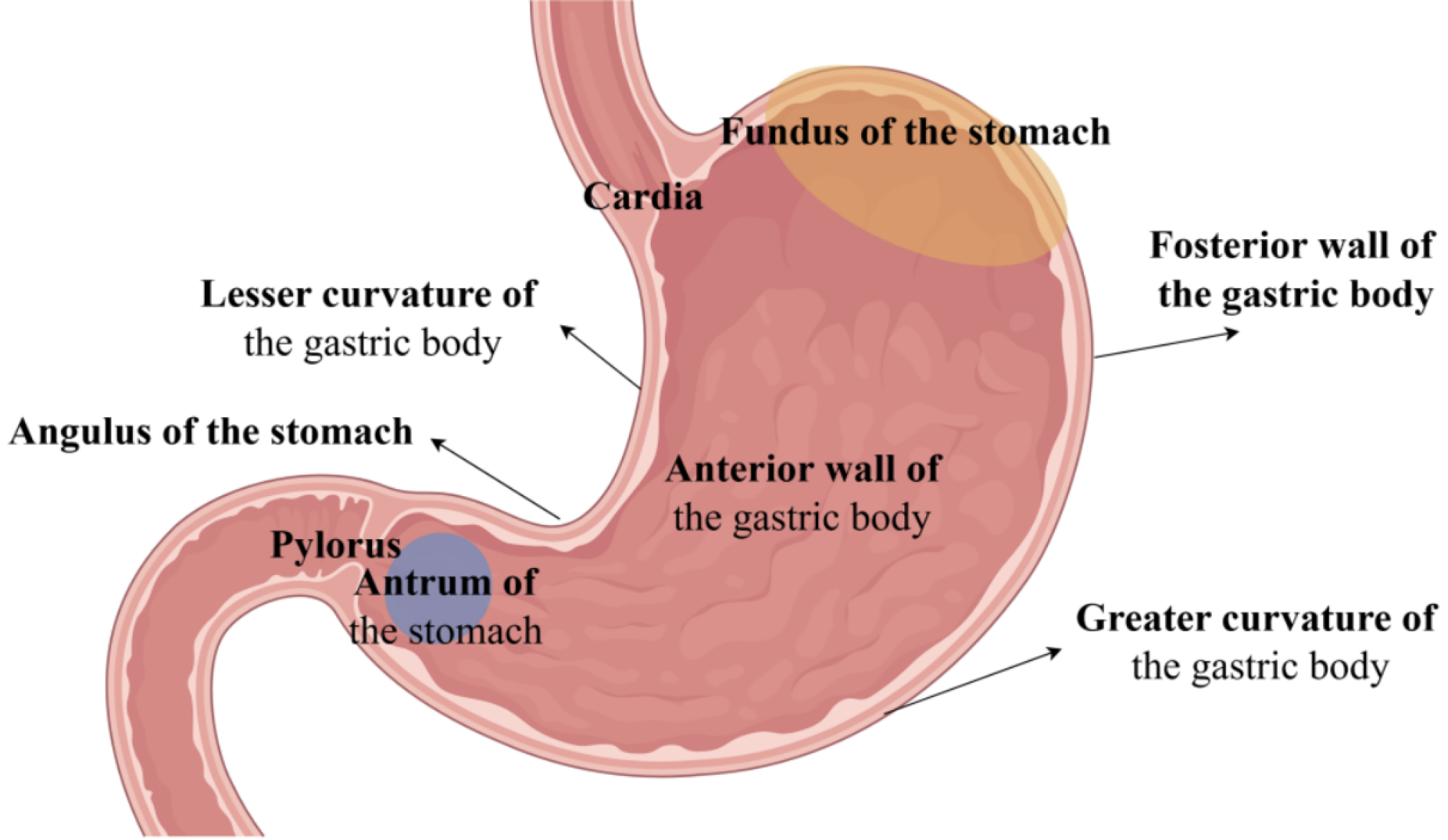
Figure 5 Optimization of surgical approach selection for extraluminal-growing gastric tumors originating from the muscularis propria at different locations.
- Citation: Wang LH, Wu X, Sun YT, Liu PF, Wang JF, Yuan YQ, Li HK, Linghu EQ, Chen QQ. Endoscopic super-minimally invasive vs laparoscopic wedge resection for muscularis-propria-originating extraluminal gastric tumors: Efficacy and selection. World J Gastrointest Surg 2026; 18(4): 116371
- URL: https://www.wjgnet.com/1948-9366/full/v18/i4/116371.htm
- DOI: https://dx.doi.org/10.4240/wjgs.v18.i4.116371