
















©Author(s) (or their employer(s)) 2026.
World J Gastrointest Surg. Feb 27, 2026; 18(2): 113867
Published online Feb 27, 2026. doi: 10.4240/wjgs.v18.i2.113867
Published online Feb 27, 2026. doi: 10.4240/wjgs.v18.i2.113867
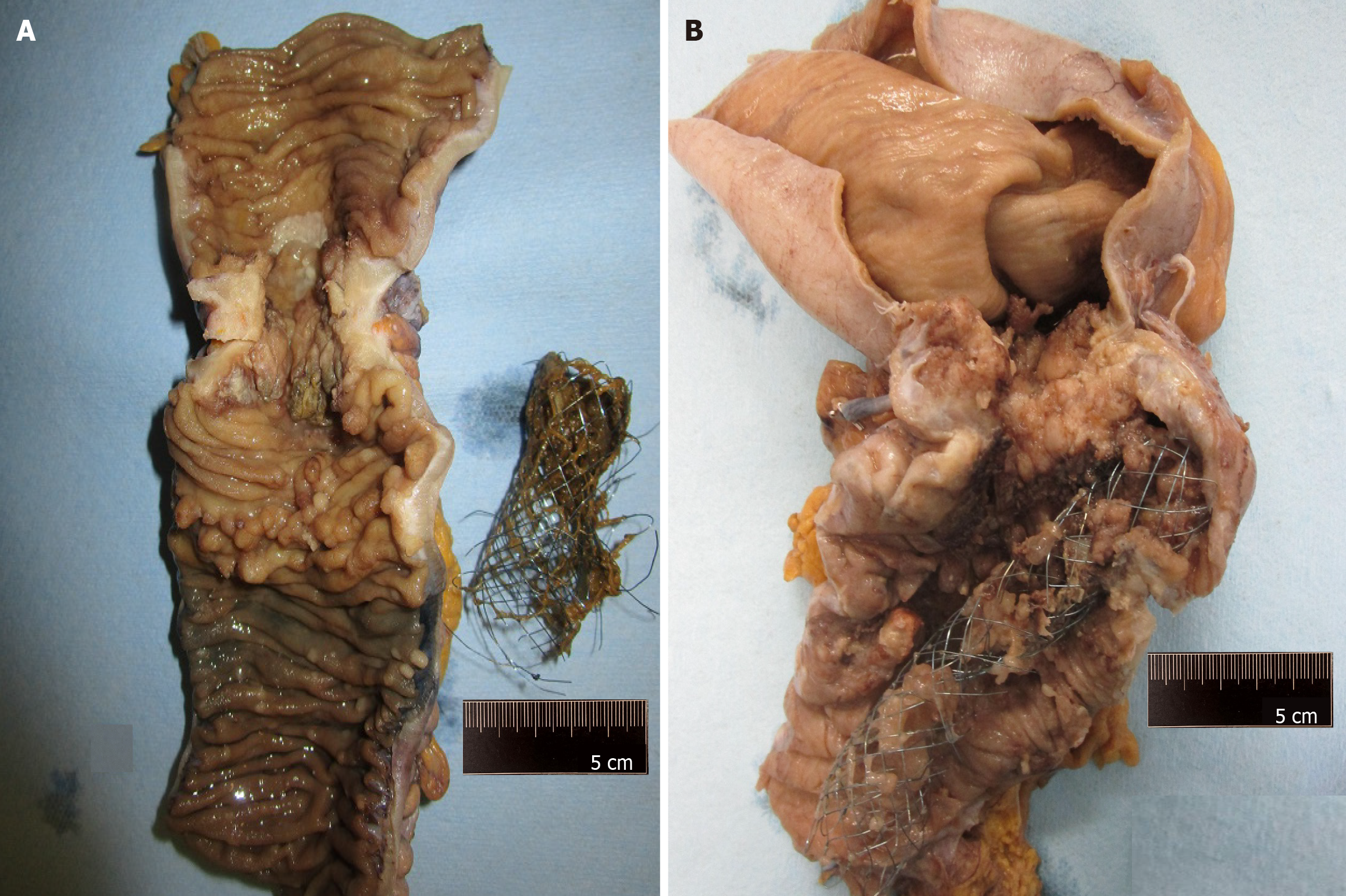
Figure 1 Surgical specimens with colonic stents and corresponding survival outcomes.
A: Obstructing sigmoid colon adenocarcinoma from an elderly patient who underwent open anterior resection with colorectal side-to-end anastomosis 10 weeks after endoscopic placement of a self-expanding metal stent. The uncovered stent (on the right side of the colon) was extracted from the specimen (proximal end is shown at the top). The tumor turned out to be stage pT4N1a with negative surgical resection margins. The patient then received adjuvant chemotherapy and was still alive with no evidence of disease more than 5 years later; B: Obstructing adenocarcinoma in the ascending colon with a large fungating tumor measuring 5.7 cm. The 9-cm uncovered stent was slightly moved to better expose the tumor, located just above it. Marked proximal cecal dilatation is visible at the top of the picture. The stent did not adequately decompress the bowel, and the patient underwent right hemicolectomy with primary anastomosis. Pathology revealed a pT4aN2aM1 tumor. Despite adjuvant chemotherapy, the patient died of the disease 14 months later.
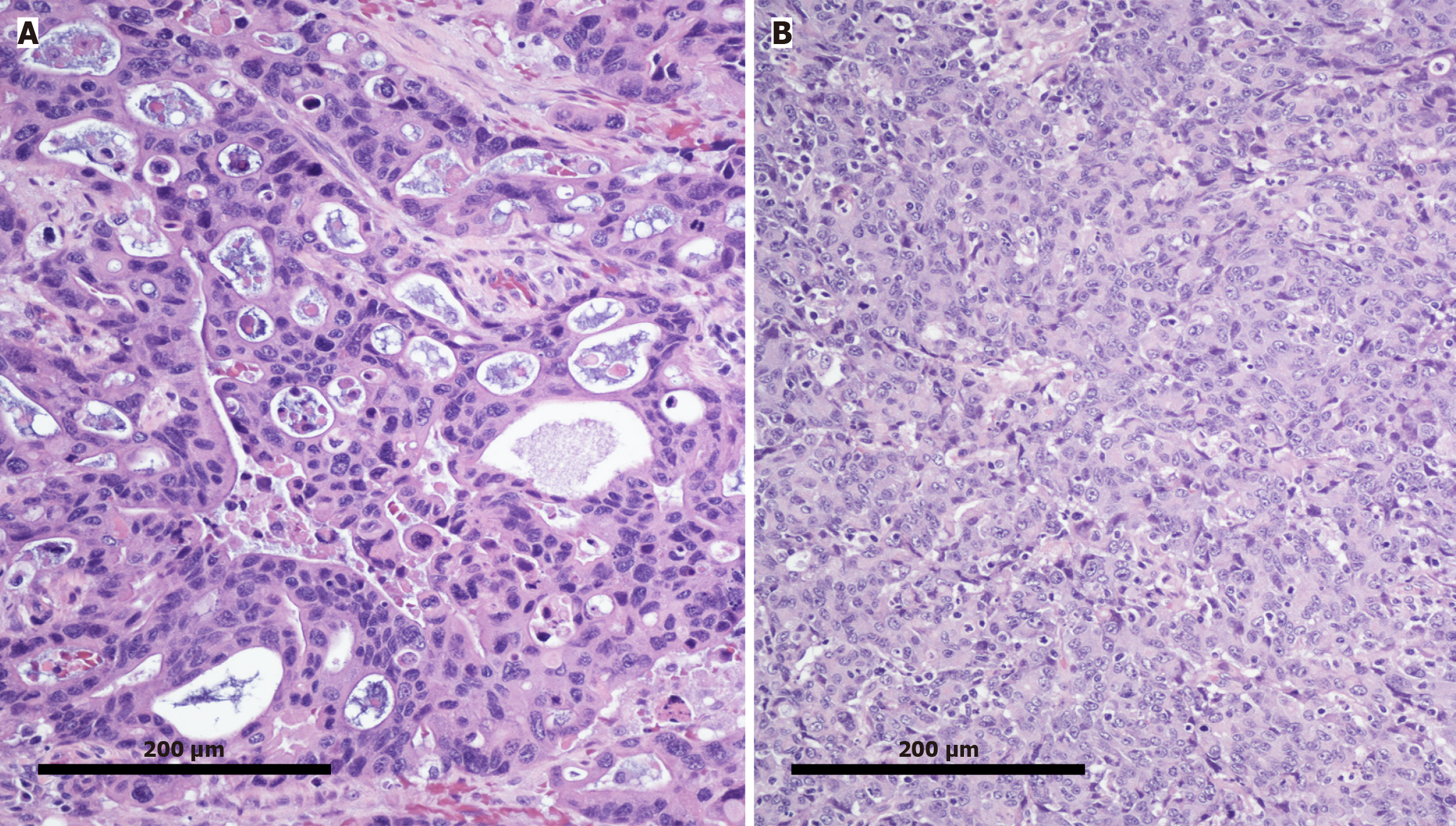
Figure 2 Histologic comparison of colorectal carcinoma subtypes.
A: High-power view of a conventional adenocarcinoma, not otherwise specified, which is the commonest subtype of colorectal cancer. There is architectural disorganization with partial glandular fusion, consistent with a moderately differentiated (grade 2) adenocarcinoma; B: High-power view of a medullary carcinoma of the colon. Unlike conventional adenocarcinoma, this subtype exhibits diffuse proliferation of epithelial cells without glandular formation and is therefore commonly described as an undifferentiated carcinoma. Paradoxically, it generally has a better prognosis compared to conventional adenocarcinoma.
- Citation: Moyana TN. Emergency surgery for malignant large bowel obstruction: Assessing management options and outcomes. World J Gastrointest Surg 2026; 18(2): 113867
- URL: https://www.wjgnet.com/1948-9366/full/v18/i2/113867.htm
- DOI: https://dx.doi.org/10.4240/wjgs.v18.i2.113867