
















©The Author(s) 2025.
World J Gastrointest Surg. Dec 27, 2025; 17(12): 112780
Published online Dec 27, 2025. doi: 10.4240/wjgs.v17.i12.112780
Published online Dec 27, 2025. doi: 10.4240/wjgs.v17.i12.112780
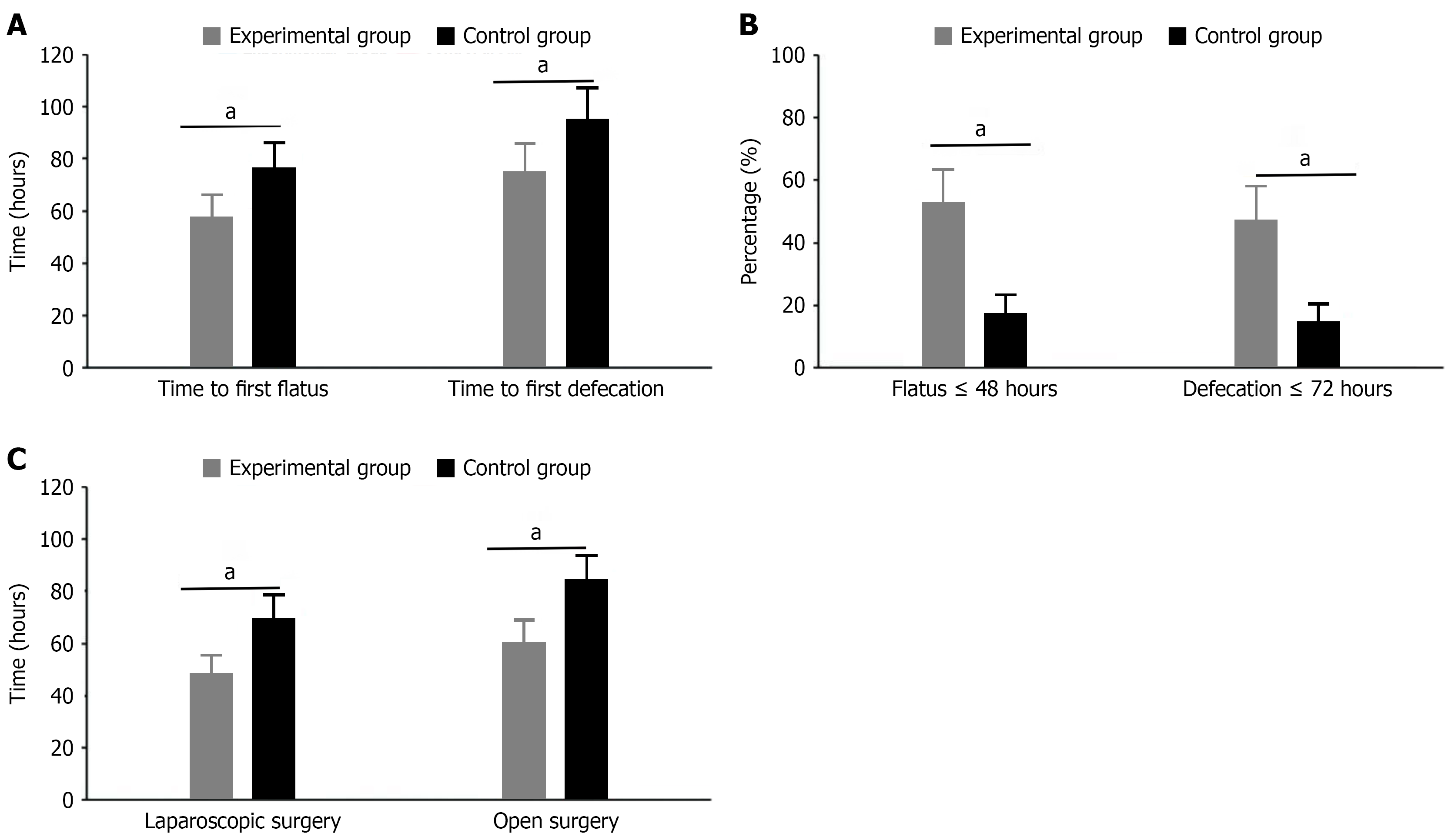
Figure 1 Effects of early activity intervention on intestinal function recovery in patients after colorectal cancer surgery.
A-C: This figure demonstrates the positive impact of early activity intervention on intestinal function recovery in patients after colorectal cancer surgery. The time to first flatus and first defecation was significantly shorter in the experimental group compared to the control group (A). A significantly higher percentage of patients in the experimental group achieved flatus within 48 hours and defecation within 72 hours than in the control group (B). Regardless of laparoscopic or open surgery approach, the time to first flatus was notably shorter in the experimental group than in the control group (C). These results confirm that early activity intervention effectively promotes postoperative intestinal motility recovery and improves postoperative rehabilitation quality. aP < 0.05.
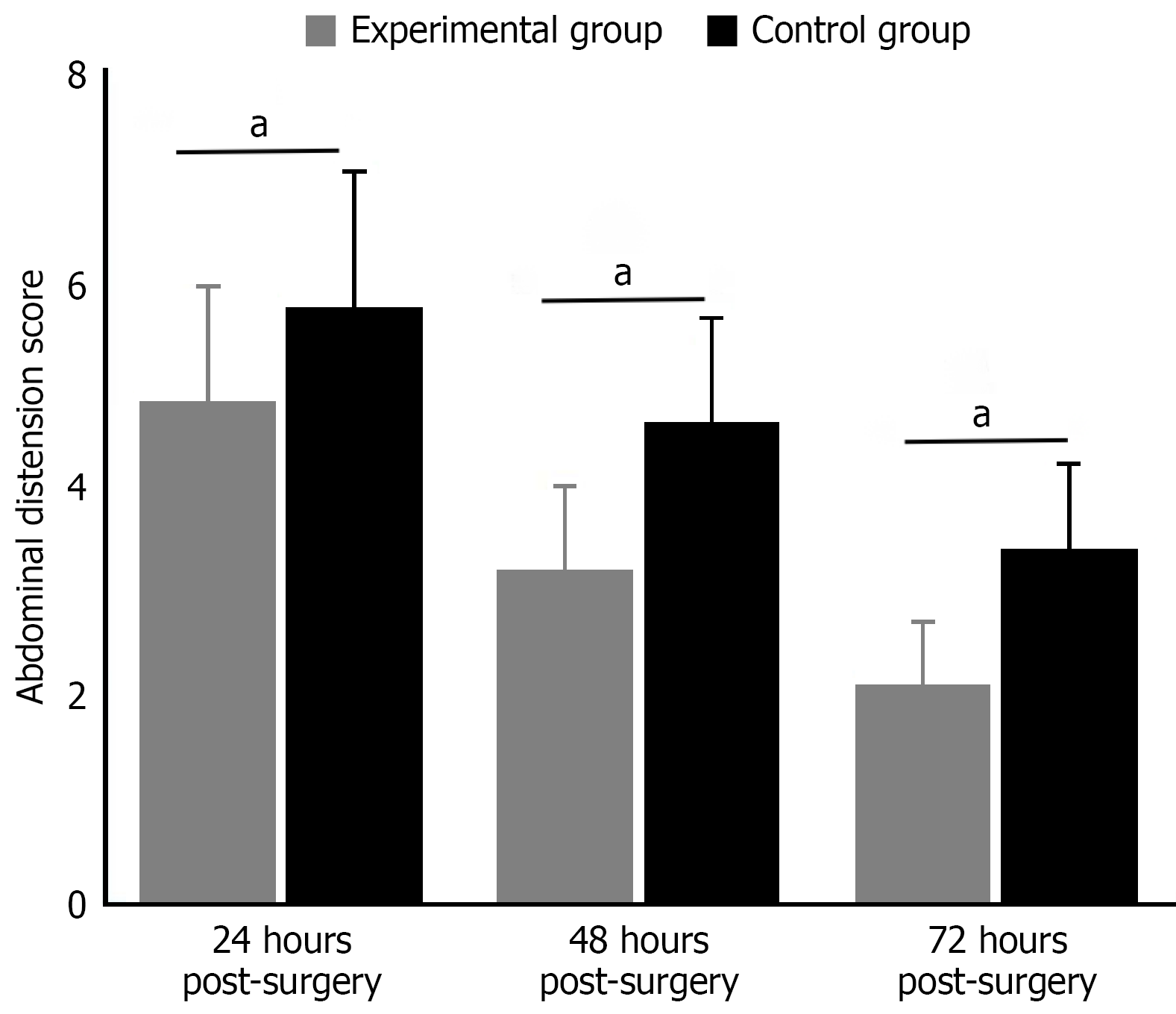
Figure 2 Comparison of abdominal distension scores between groups after colorectal cancer surgery.
This figure illustrates that patients receiving early activity intervention (experimental group) consistently demonstrated lower abdominal distension scores compared to the control group at all postoperative time points (24 hours, 48 hours, and 72 hours), with statistically significant differences (aP < 0.05). Both groups showed a progressive decrease in abdominal distension over time, but the experimental group experienced more rapid improvement, confirming the beneficial effects of early activity intervention on postoperative recovery after colorectal cancer surgery.
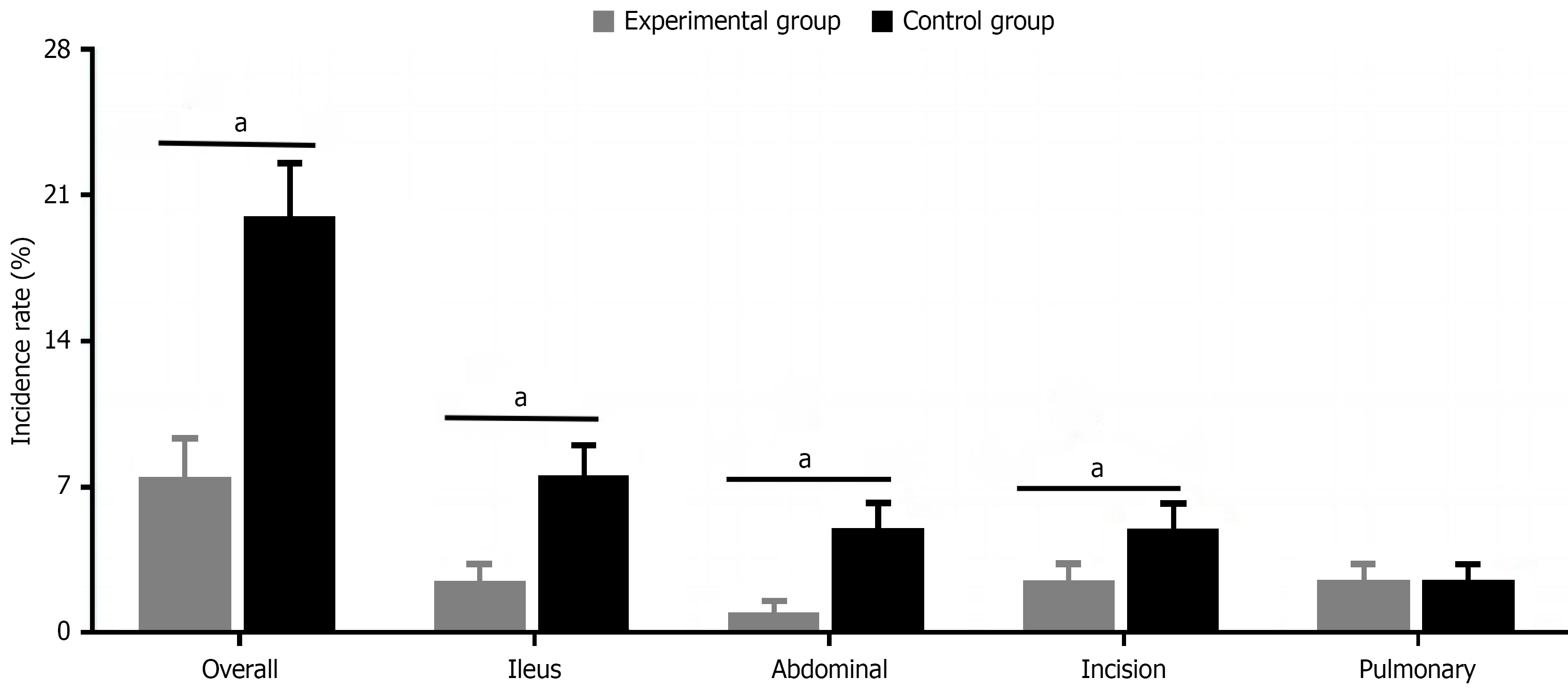
Figure 3 Incidence of postoperative complications after colorectal cancer surgery in experimental vs control groups.
This figure demonstrates that early activity intervention significantly reduced overall postoperative complication rates (7.5% vs 20.0%) and specific complications including ileus, abdominal infection, and incision infection in colorectal cancer patients, with statistically significant differences observed across multiple complication types. aP < 0.05.
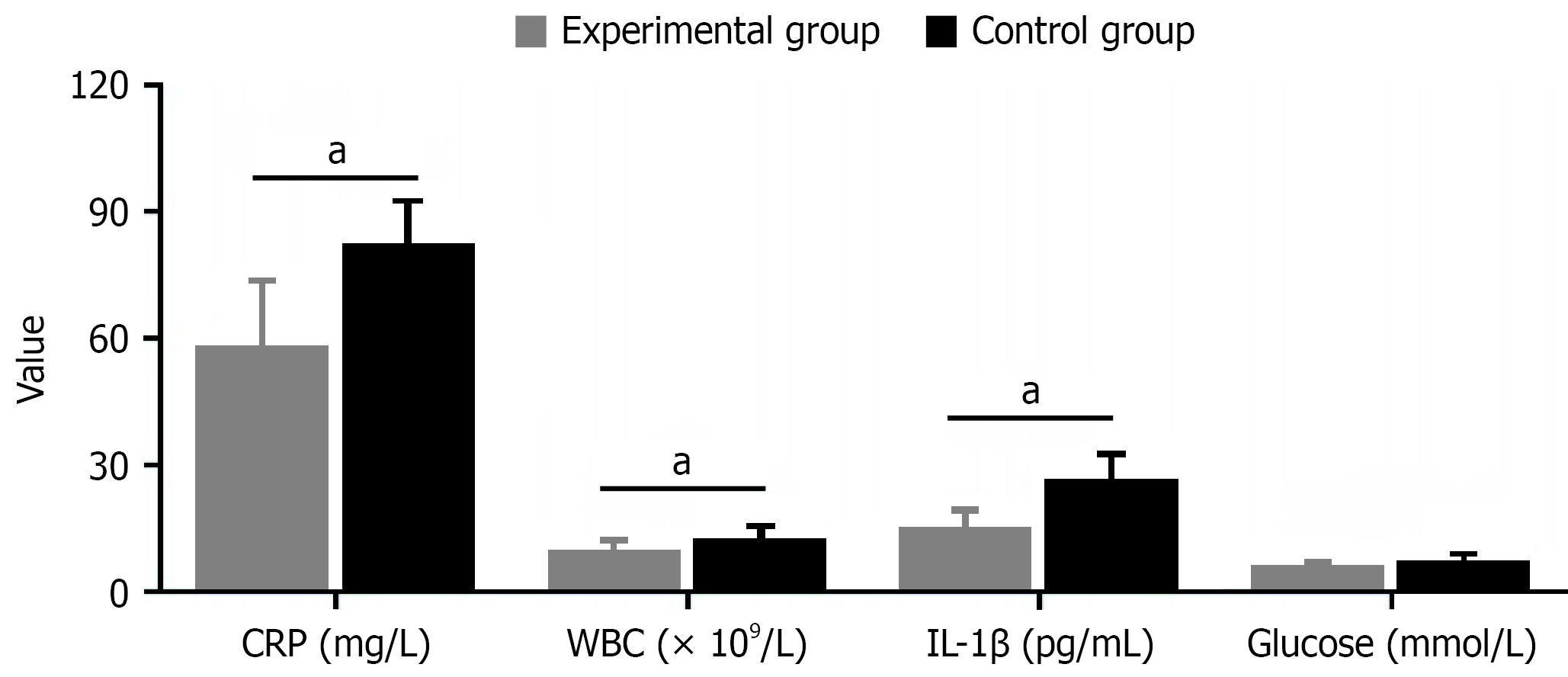
Figure 4 Comparison of inflammatory and stress response indicators on postoperative day 3.
Early activity intervention following colorectal cancer surgery significantly reduced all measured inflammatory and stress markers on postoperative day 3 compared to standard care, with reductions ranging from 17.3% to 44.7% across all eight parameters (P < 0.001). This comprehensive anti-inflammatory effect, demonstrated by lower levels of C-reactive protein, white blood cell, interleukin-1β, glucose, interleukin-6, tumor necrosis factor-α, procalcitonin, and serum amyloid A in the experimental group, likely contributes to the improved clinical outcomes observed in these patients, including faster intestinal motility recovery and reduced complication rates. aP < 0.05. CRP: C-reactive protein; WBC: White blood cell; IL-1β: Interleukin-1β.
- Citation: Zhang XL, Lin AP, Lin TS, Huang YQ. Effects of early activity intervention on intestinal motility recovery in patients after colorectal cancer surgery. World J Gastrointest Surg 2025; 17(12): 112780
- URL: https://www.wjgnet.com/1948-9366/full/v17/i12/112780.htm
- DOI: https://dx.doi.org/10.4240/wjgs.v17.i12.112780